
Does Creatine Cause Hair Loss, or Is It a Myth?
One small 2009 study started the creatine hair loss worry. Here is what the research actually shows and what it does not.
Verified nutrition guides, food science, supplement breakdowns and dietary strategies.
One small 2009 study started the creatine hair loss worry. Here is what the research actually shows and what it does not.
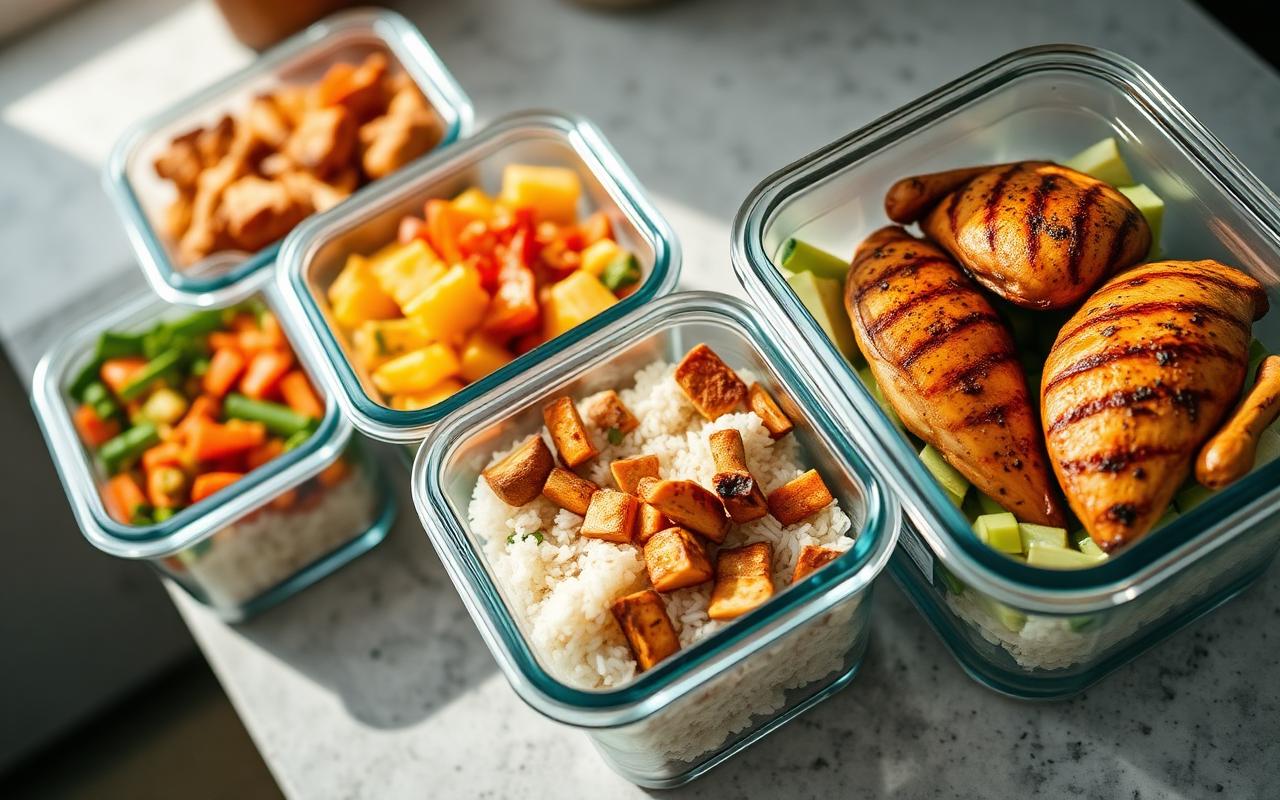
A two hour meal prep works by cooking components, not finished meals. Here is the running order, safe storage rules and what to freeze.

A label can say zero trans fat and still contain some. Here is the exact ingredient wording to look for and why the rounding rule hides small amounts.
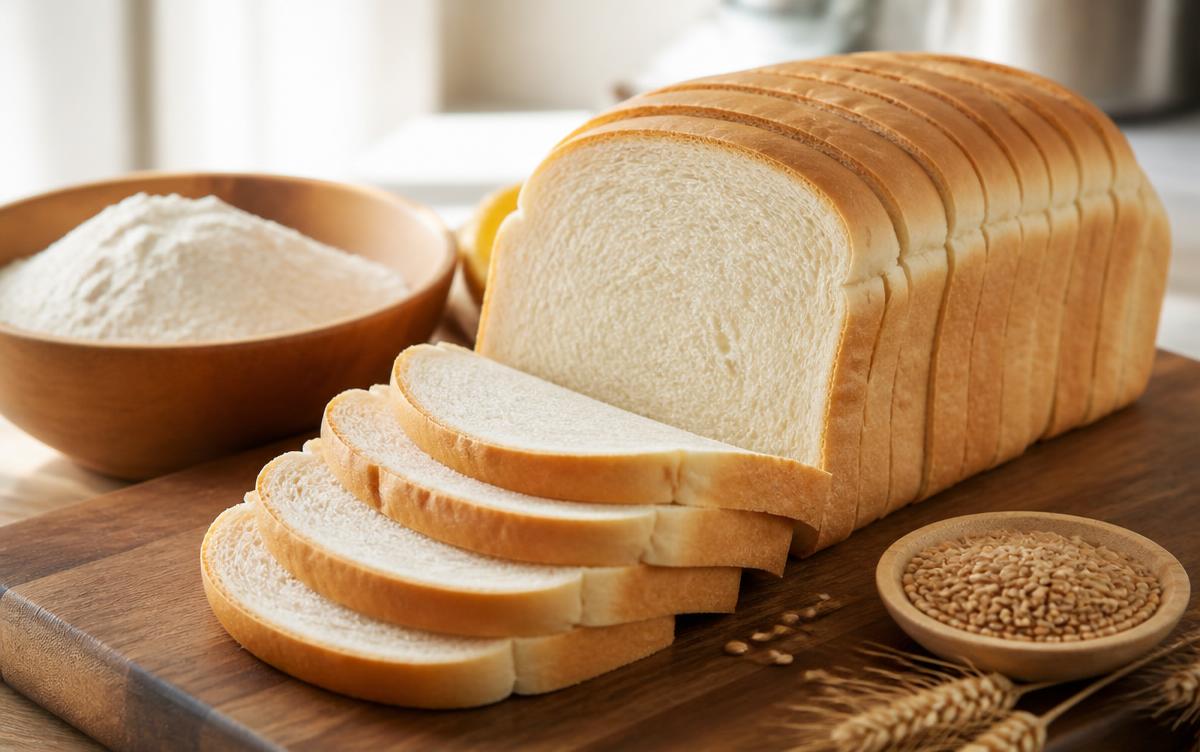
Enriched means nutrients were put back after processing. Fortified means they were never there. Here is how to tell which is which on any ingredient list.
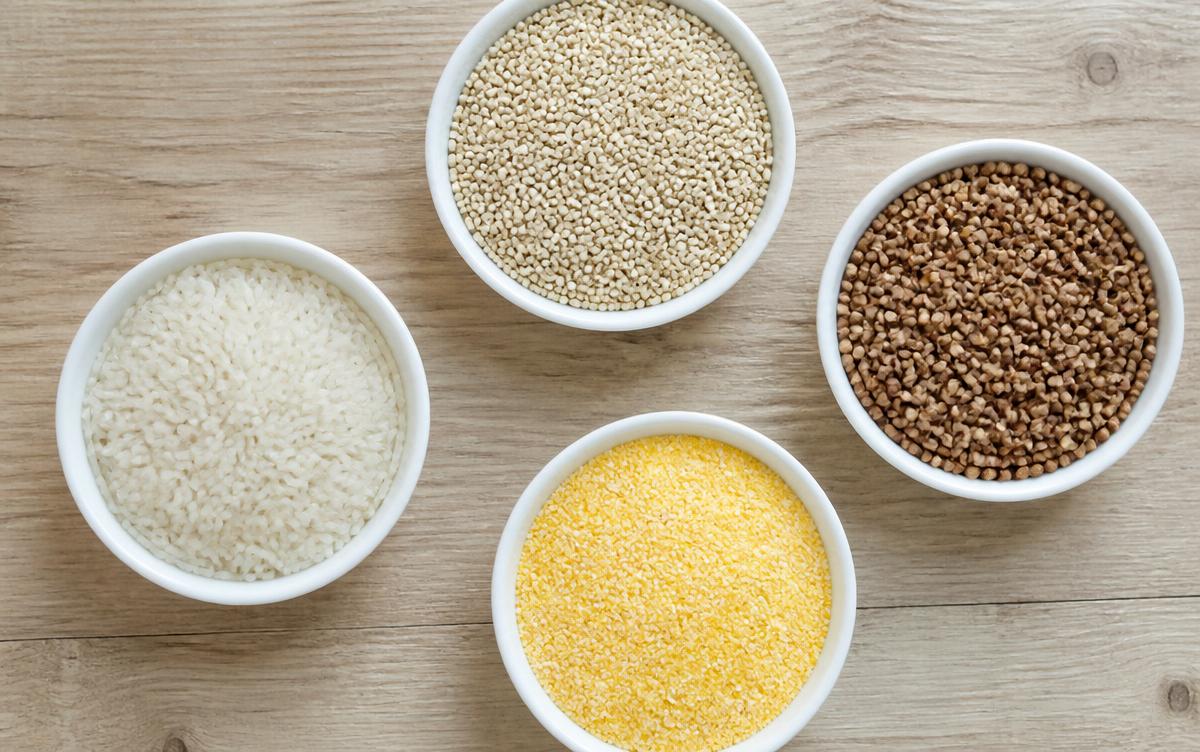
Gluten free is a tested legal claim, not a promise of zero. Here is the 20 parts per million threshold, who checks it and where hidden gluten still turns up.
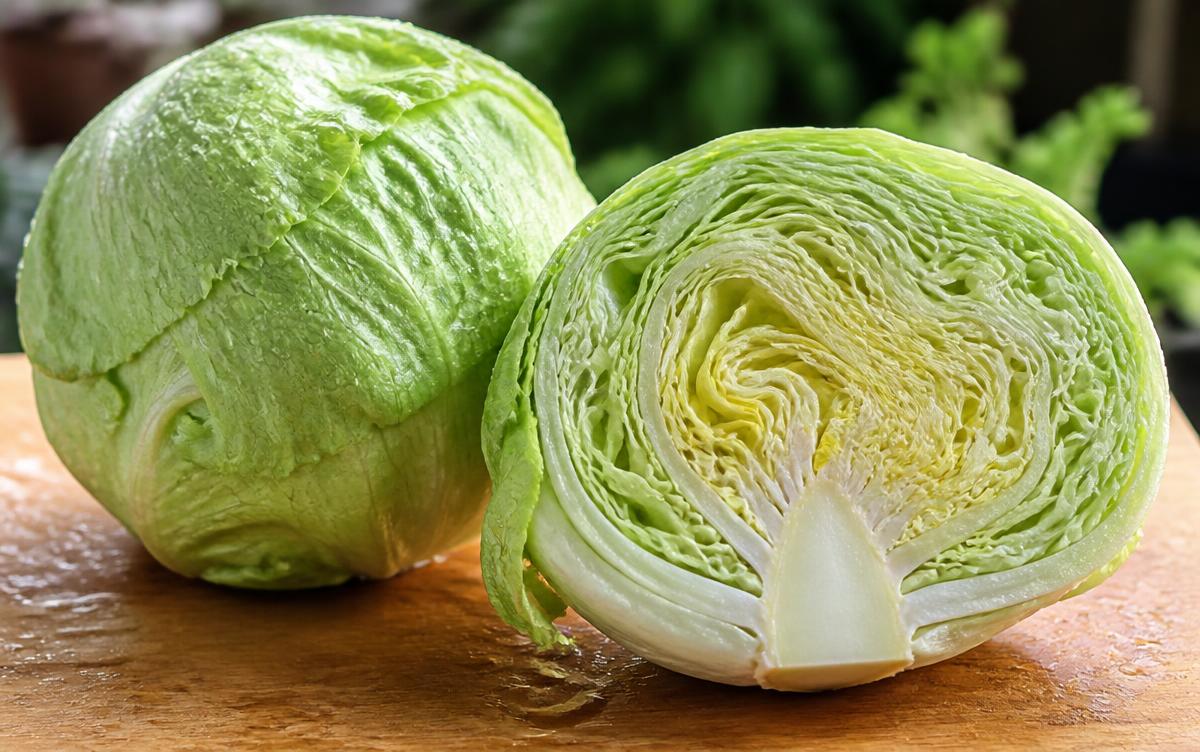
Iceberg gets called nutritionally worthless. Here is what it actually contains, how it compares with romaine and spinach, and when the crunch is worth choosing.
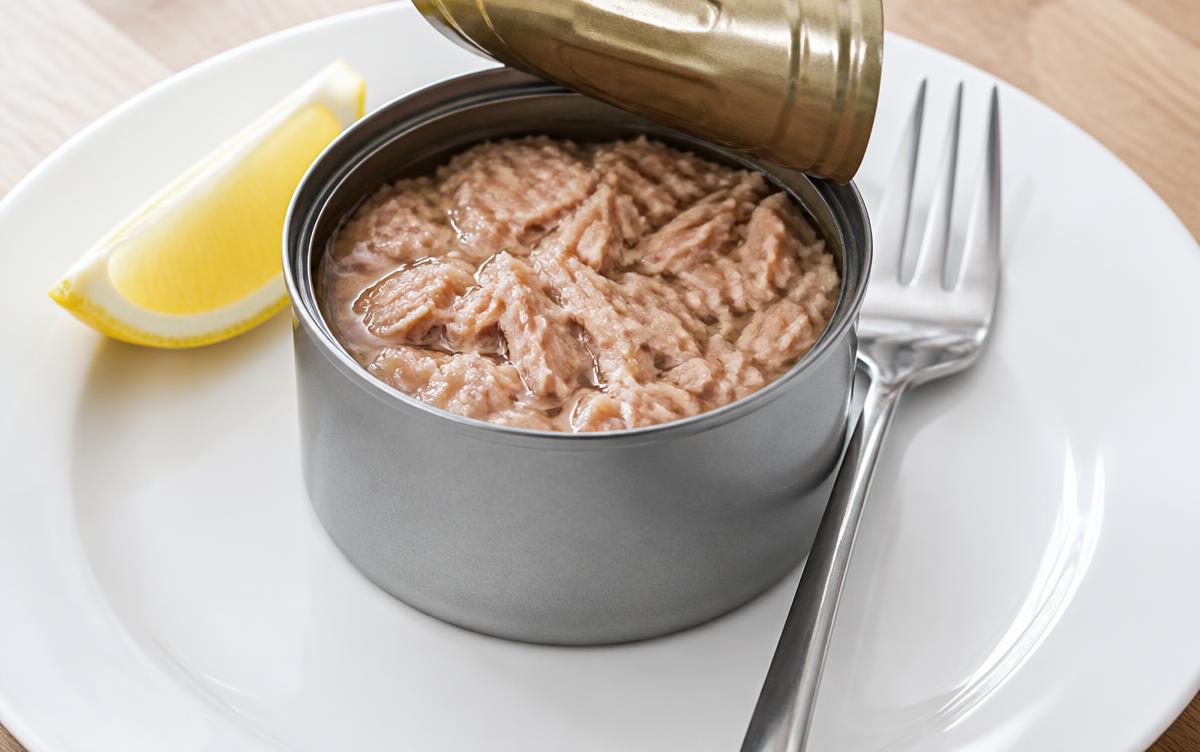
A can of tuna is one of the cheapest complete proteins available. Here are the numbers for light and albacore, plus the mercury and sodium details that matter.
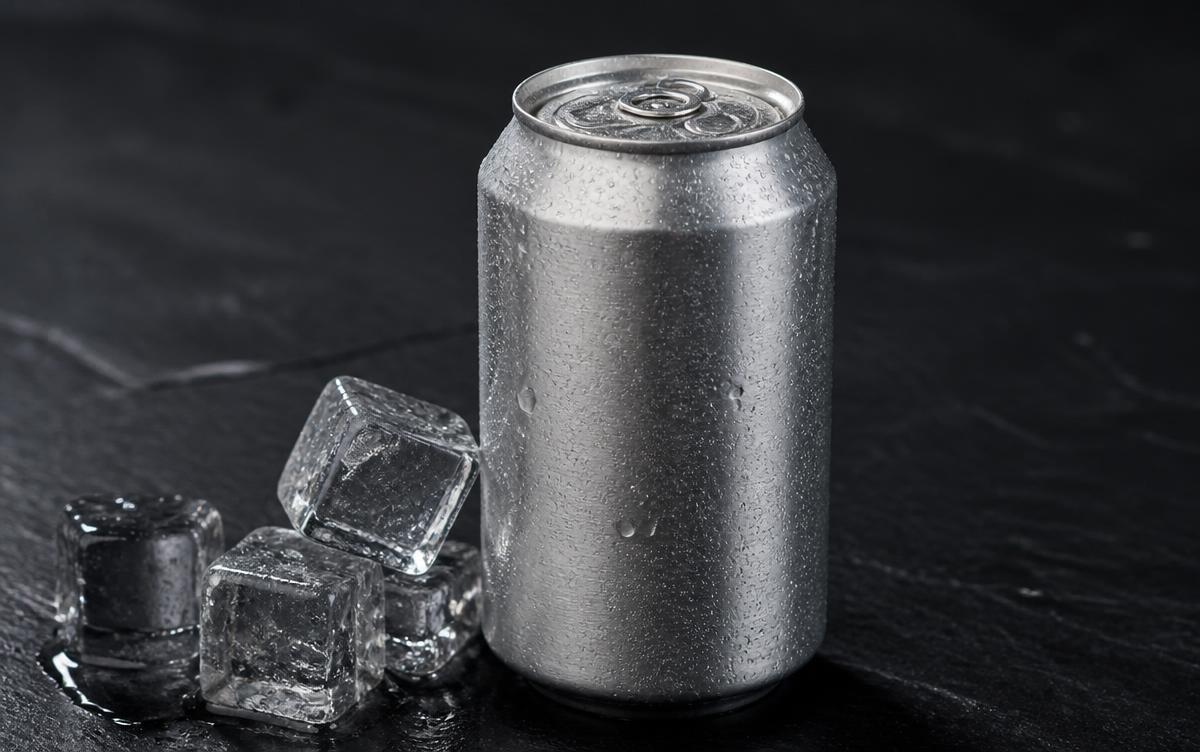
A 12 ounce can of classic cola carries 140 calories and 39 grams of sugar. Here is what that means against daily limits, plus how the diet versions compare.
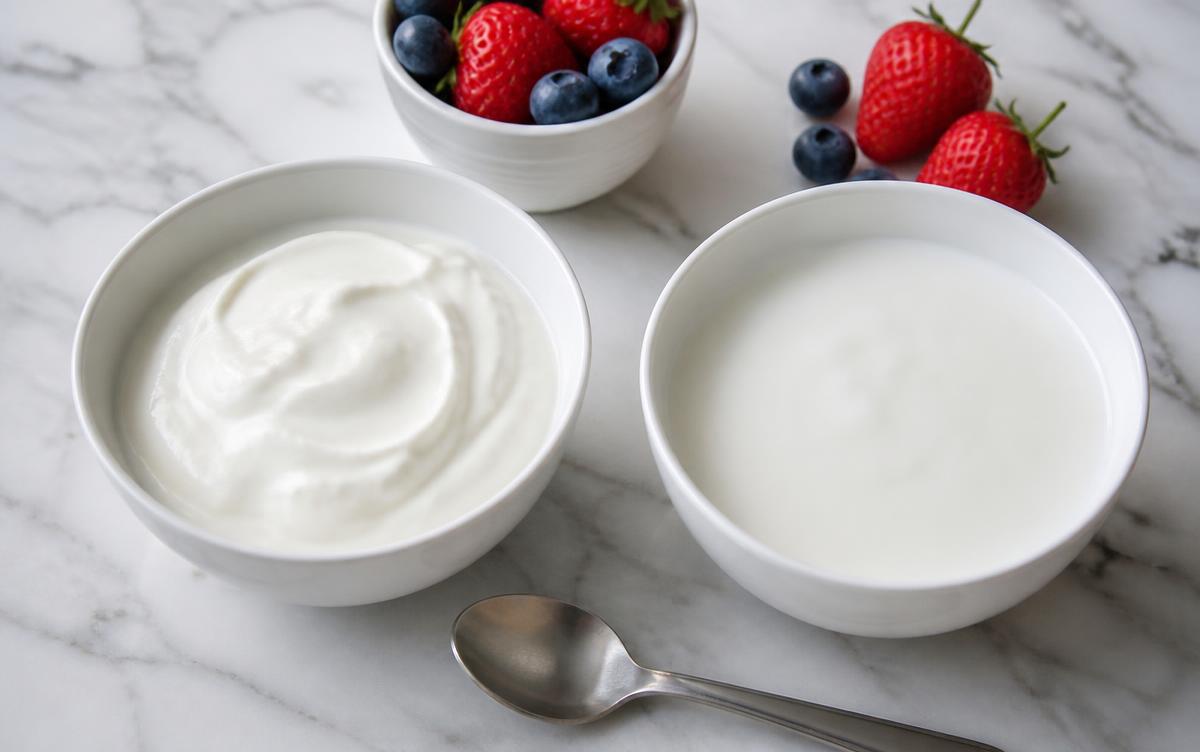
Low fat, reduced fat and fat free are three different legal claims. Here are the exact thresholds and why a low fat label rarely means fewer calories.
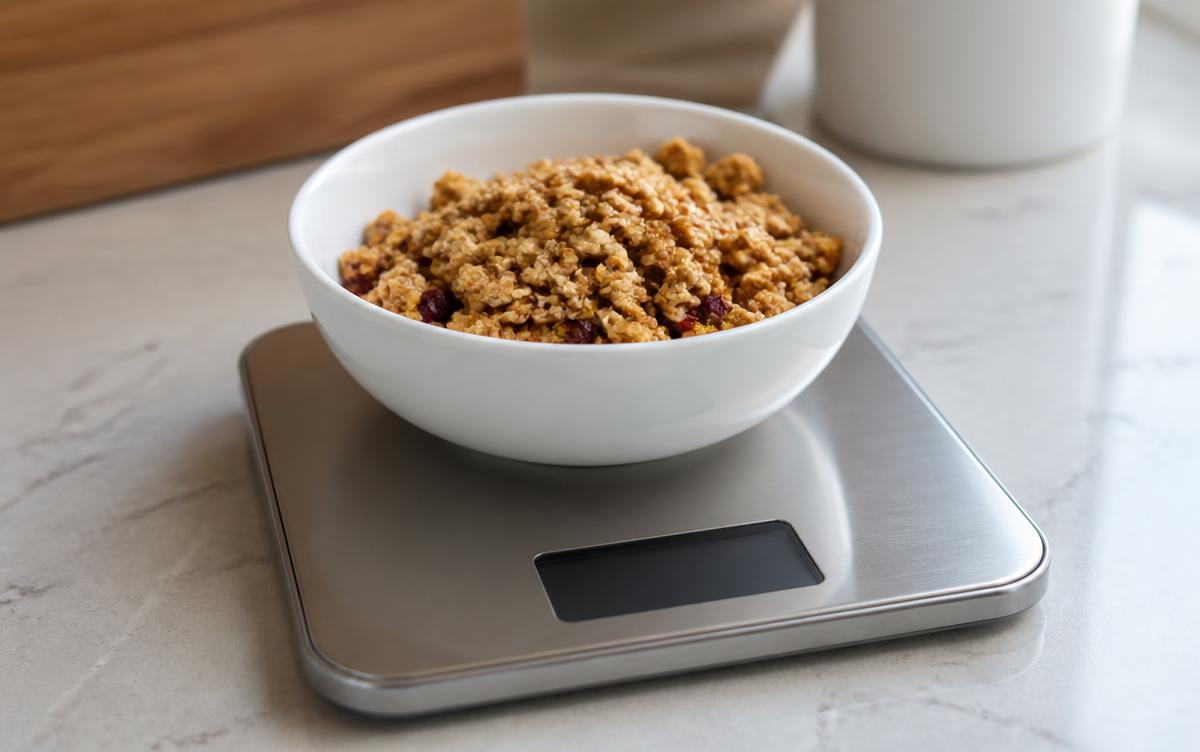
Label calories are estimates with a tolerated margin of error. Here is where that error comes from and how to make tracking work anyway.
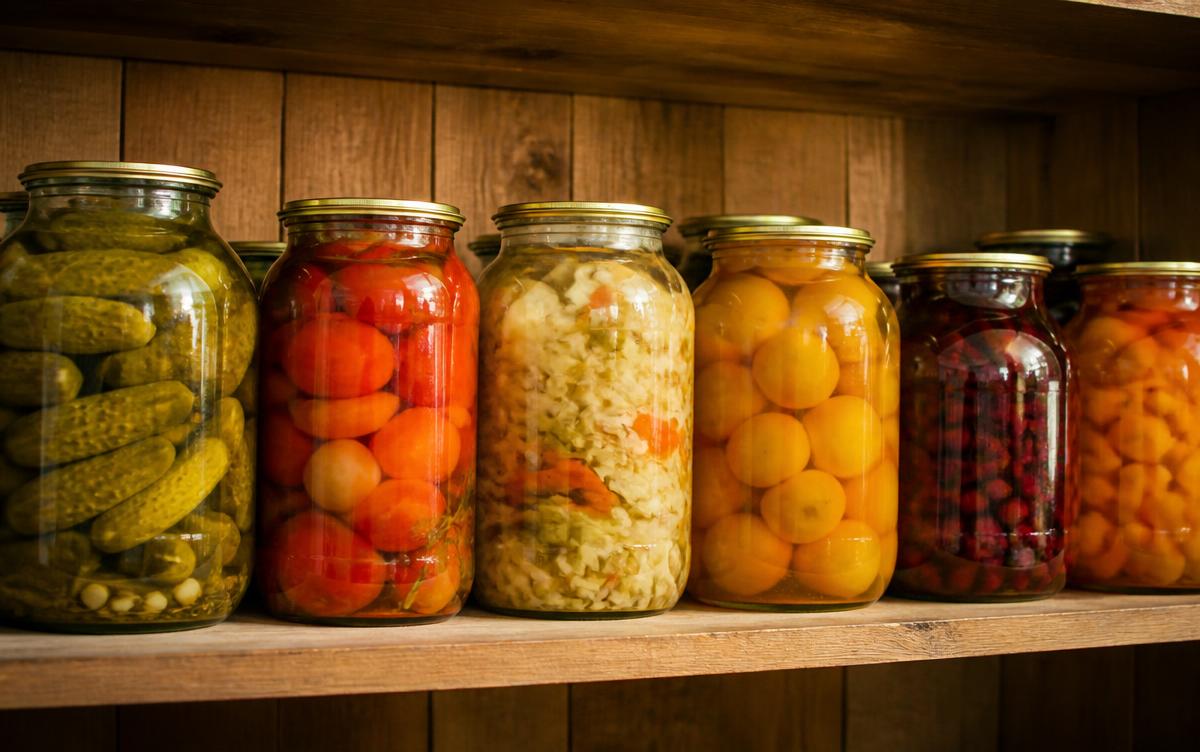
Preservatives block microbes and oxidation. Here is what the common ones do, which carry real caveats and why removing them is not safer.
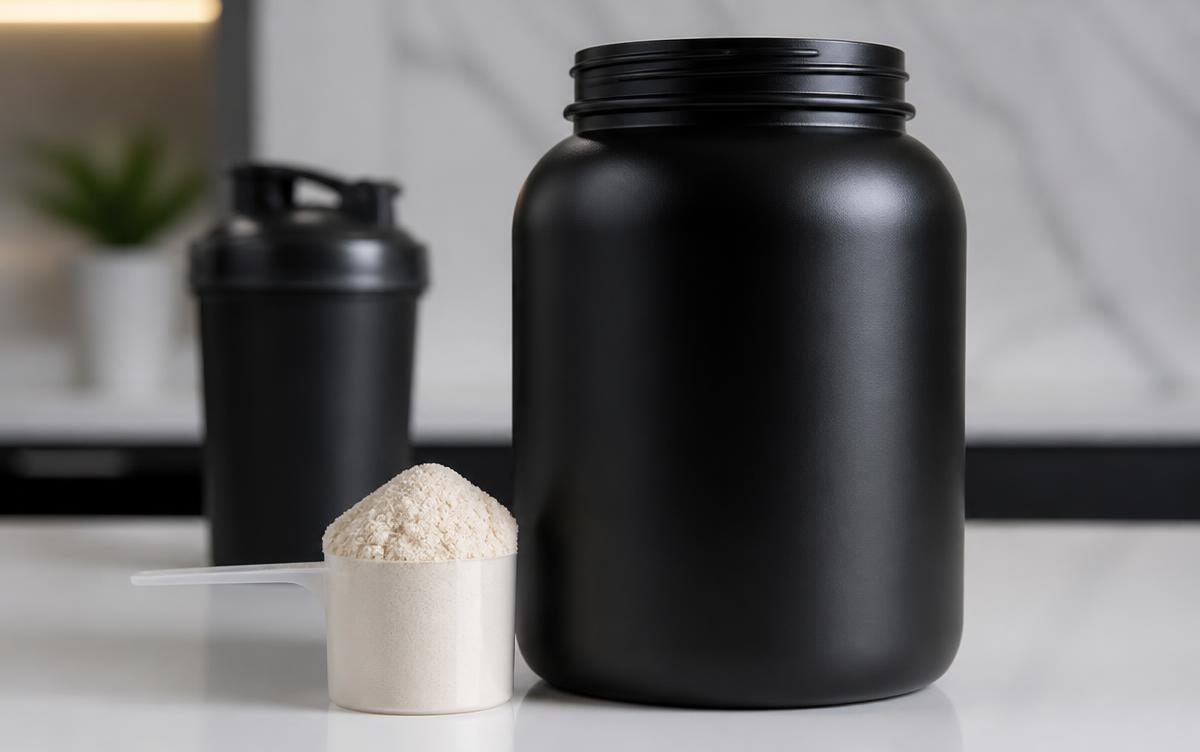
Amino spiking inflates a protein number with cheap free amino acids. Here are the label clues, the arithmetic check and the wording that flags an honest tub.
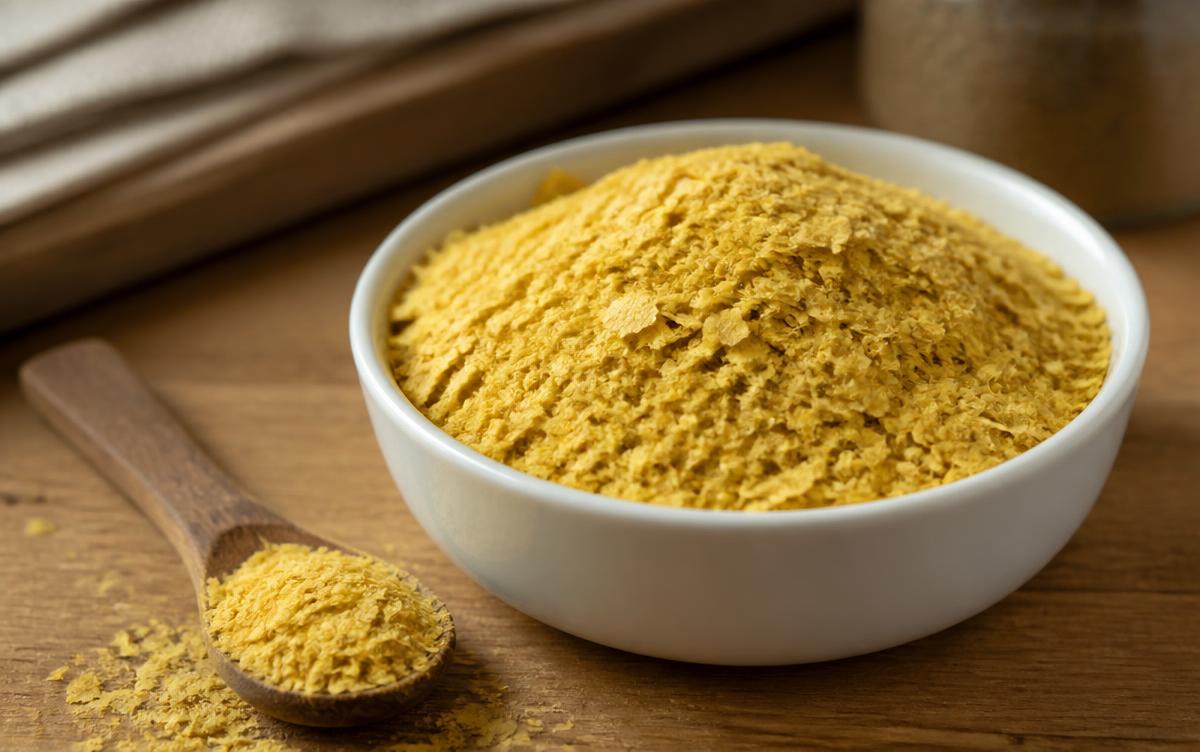
Nutritional yeast is a deactivated food yeast sold as savoury golden flakes. Here is how it is made, what it delivers and where the B12 claims come from.
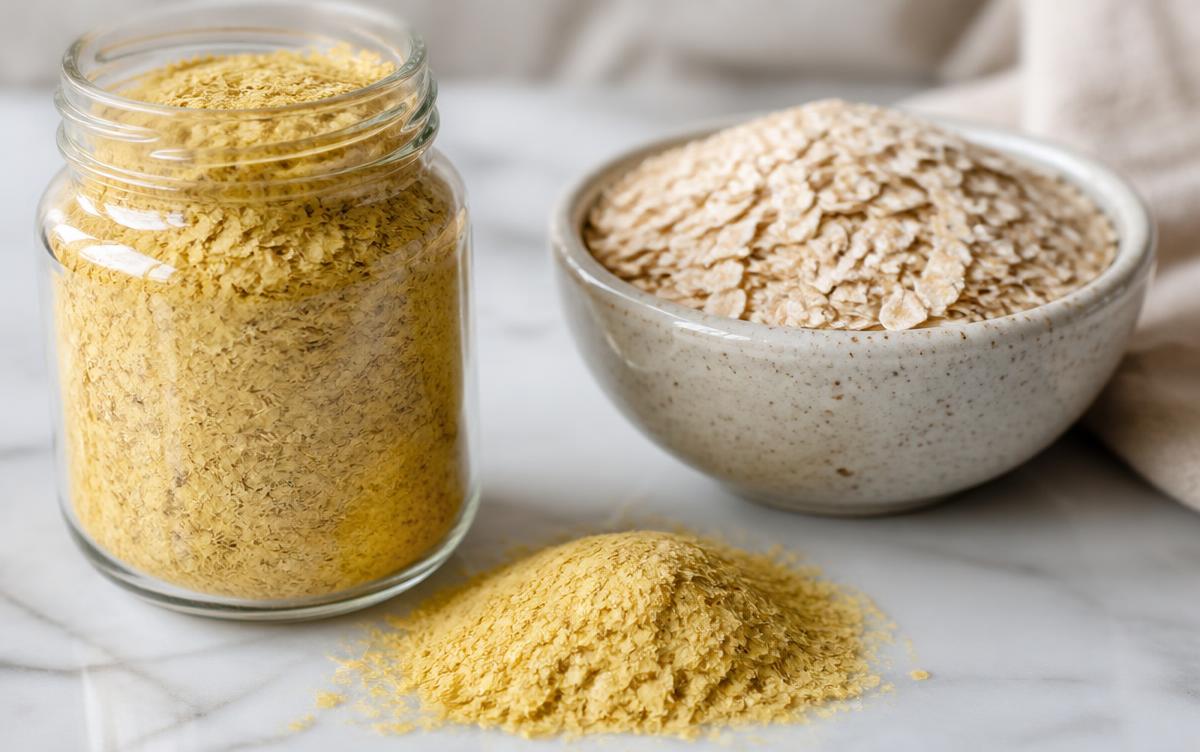
Nutritional yeast is grown on sugar, not grain, so it is gluten free by nature. Here are the exceptions, the certification rules and the contamination traps.
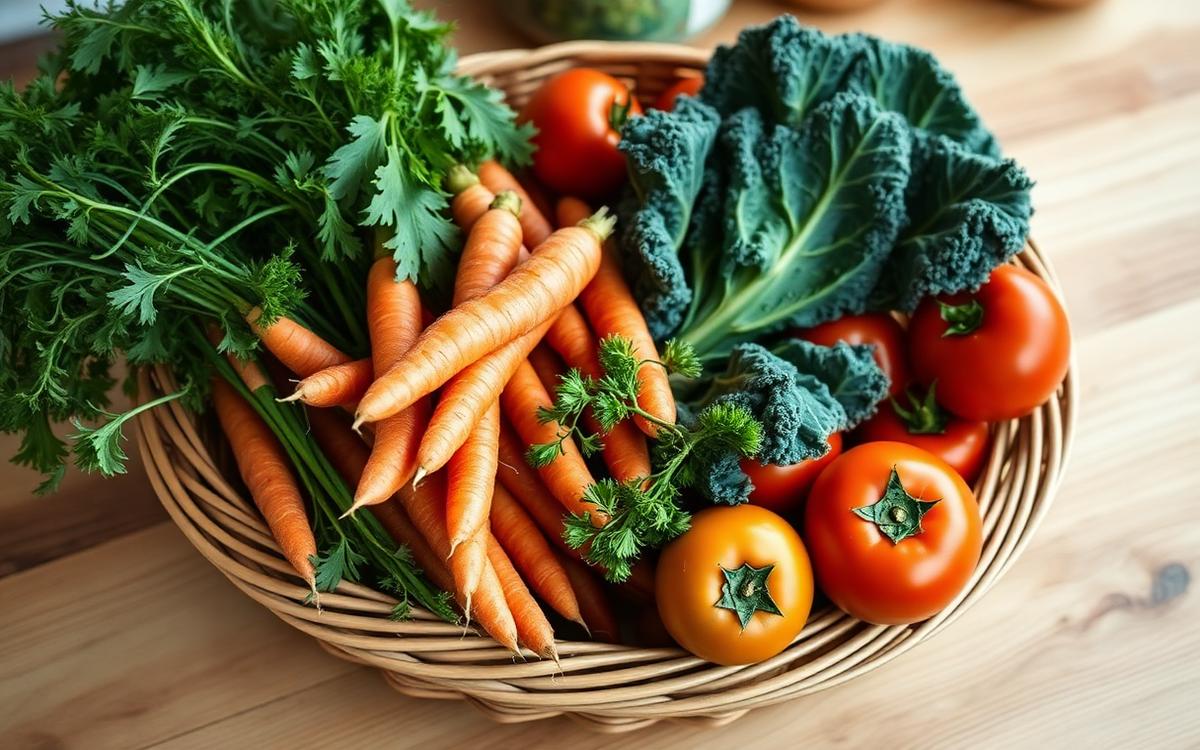
Organic on a food label is a legal farming standard, not a nutrition claim. Here is what certification covers, what the tiers mean and where it matters most.
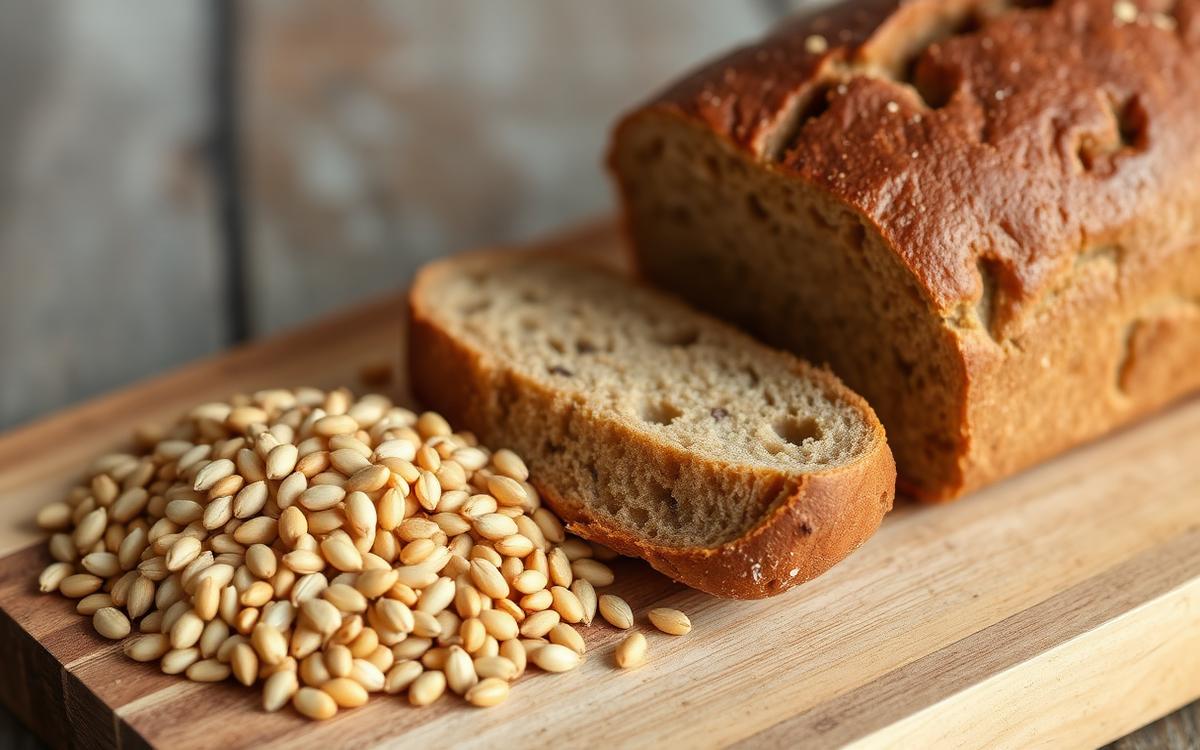
Whole grain describes the whole kernel, multigrain just means several grains, refined or not. Here is how to tell a real whole grain loaf from a coloured one.
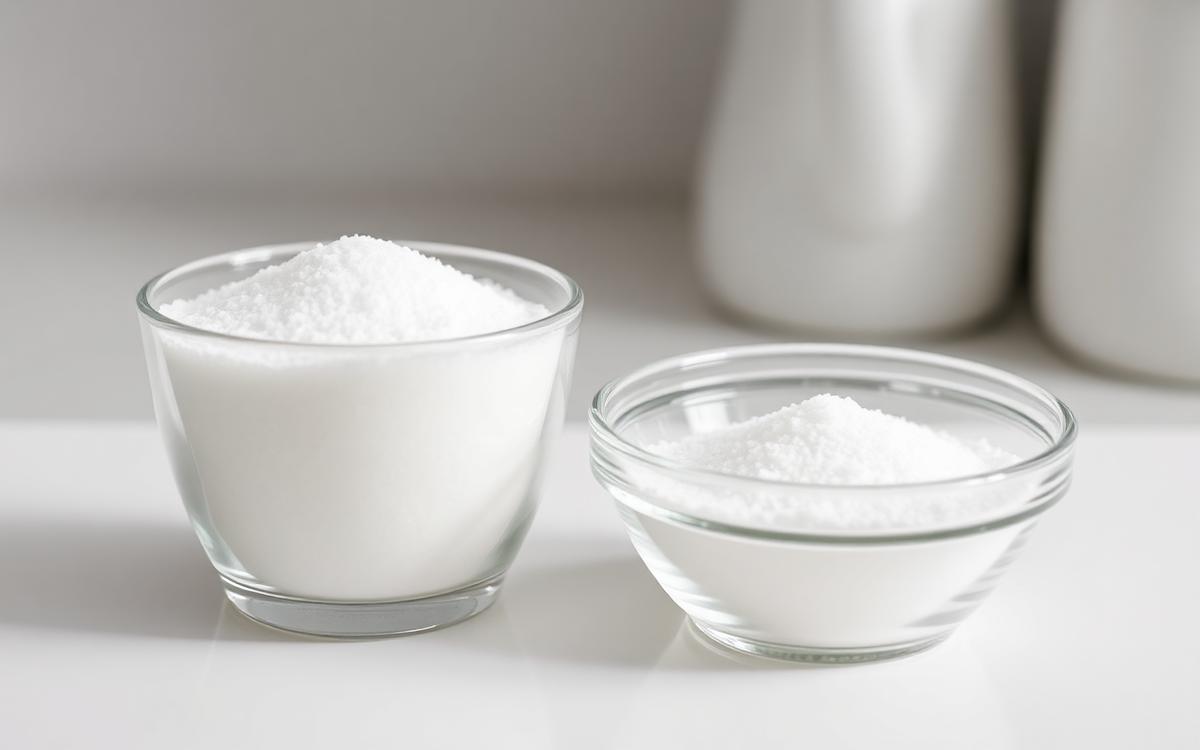
Sugar free means almost no sugar at all, while no added sugar allows plenty of natural sugar. Here is what each claim legally requires and where they mislead.
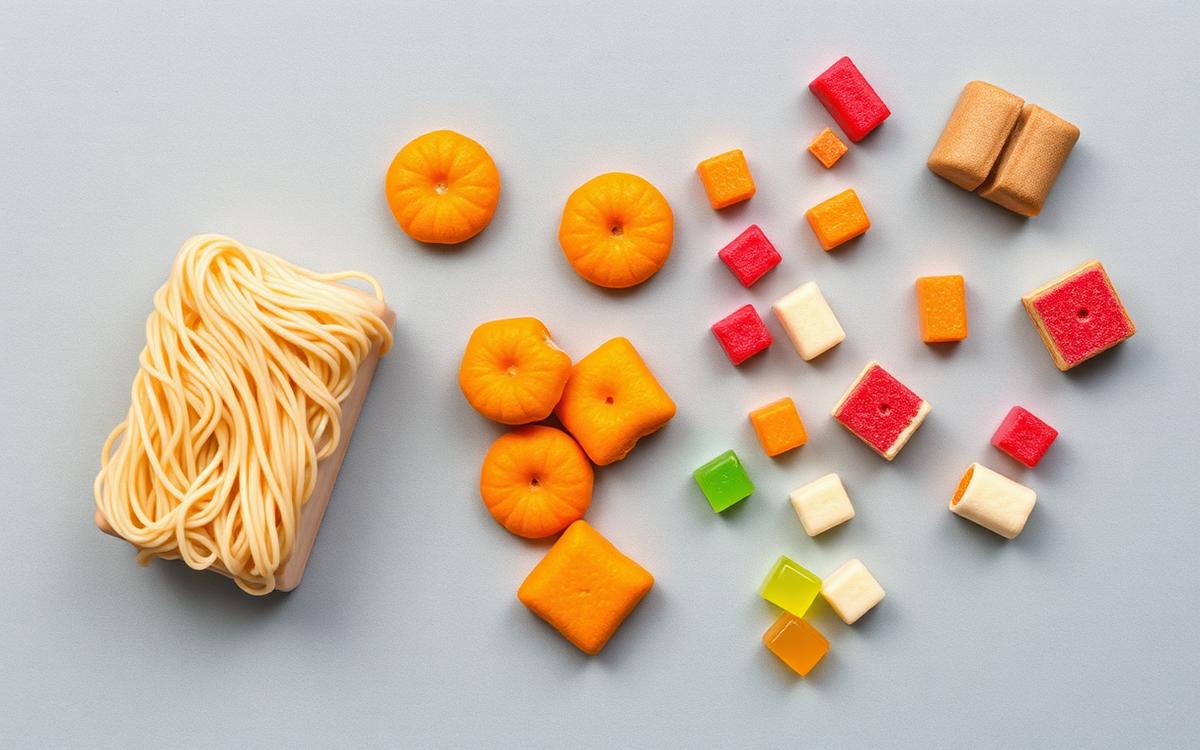
Ultra processed foods are industrial formulations of refined substances and additives. Here is how the NOVA groups work and what the evidence shows.
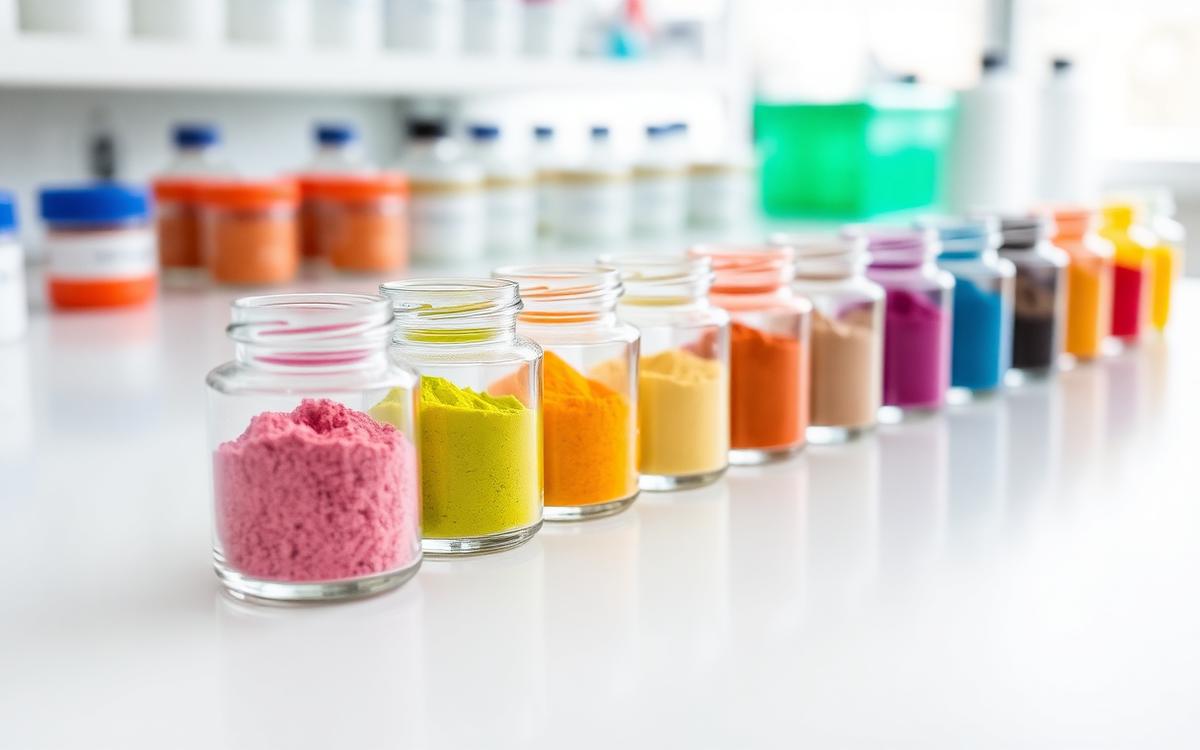
E numbers are codes for additives approved for use in Europe. Here is how the numbering ranges work and which common additives sit behind each code.
Ingredient lists run by weight, heaviest first. Here is how to use that order to judge a product in seconds and spot the tricks that break it.
Percent daily value shows how much one serving contributes to a 2,000 calorie day. Here is how to use the 5 and 20 percent rule in a supermarket.
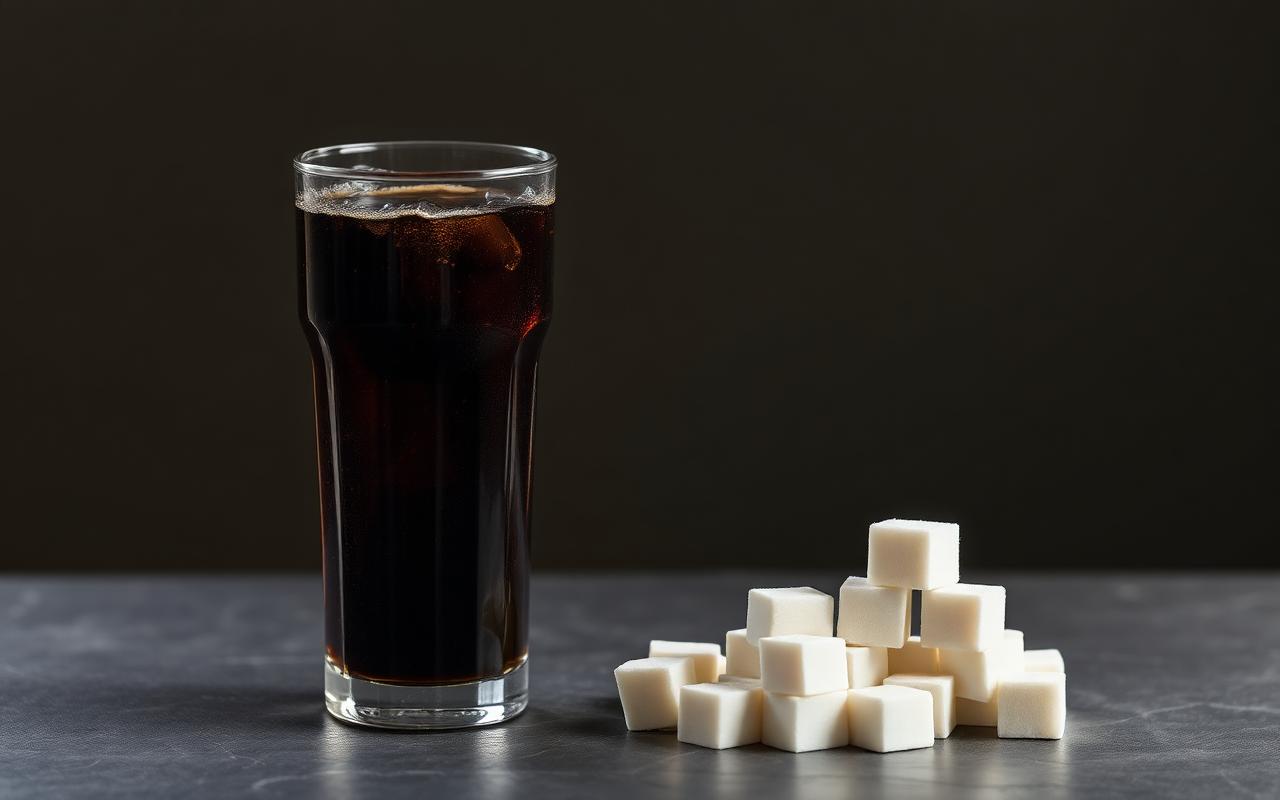
Health authorities cap added sugar at about 25 to 36 grams a day for adults. Here is what that looks like in real food and where it hides.
Most adults should stay under 2,300 mg of sodium a day, and closer to 1,500 mg if blood pressure is a concern. Here is where it really comes from.
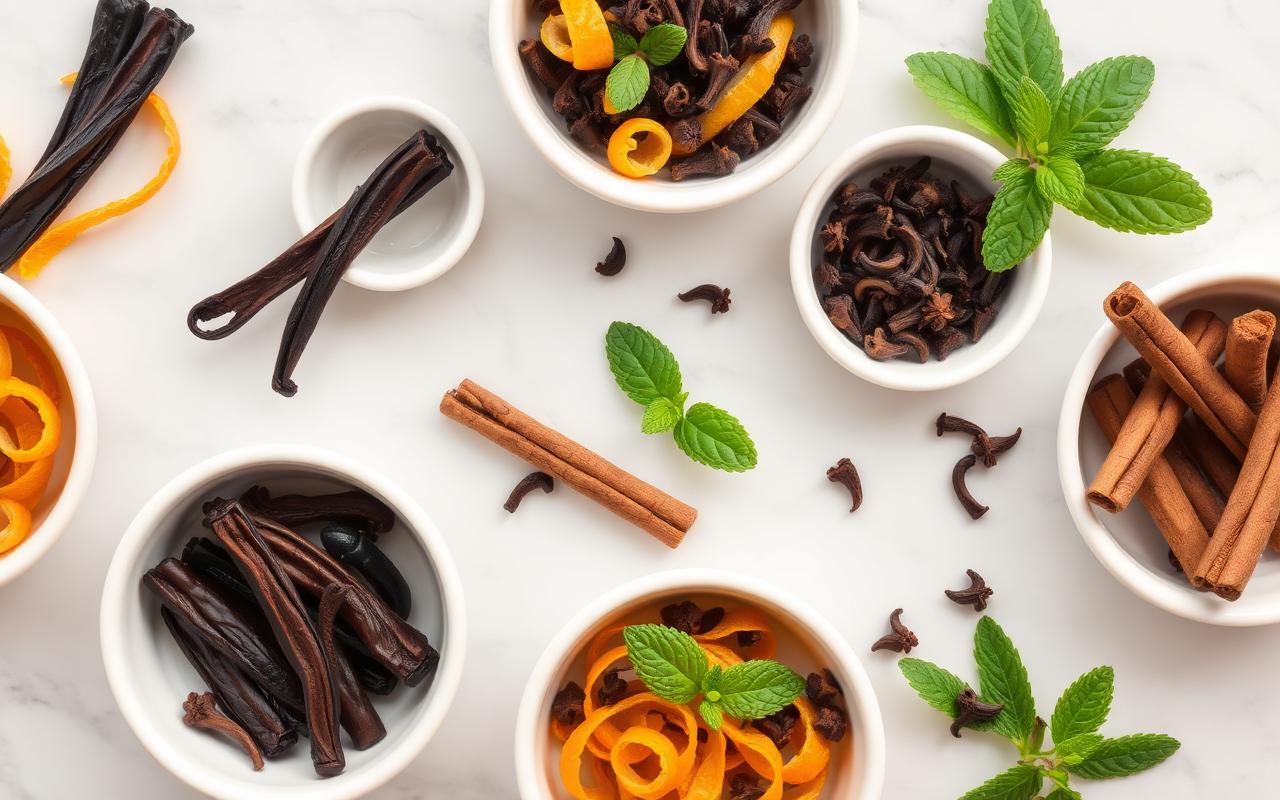
Natural flavors are flavor compounds derived from plant or animal sources. Here is what the term legally covers and what it deliberately hides.
Use by is about safety and best before is about quality. Here is which dates you can push past, which you cannot, and how storage changes both.
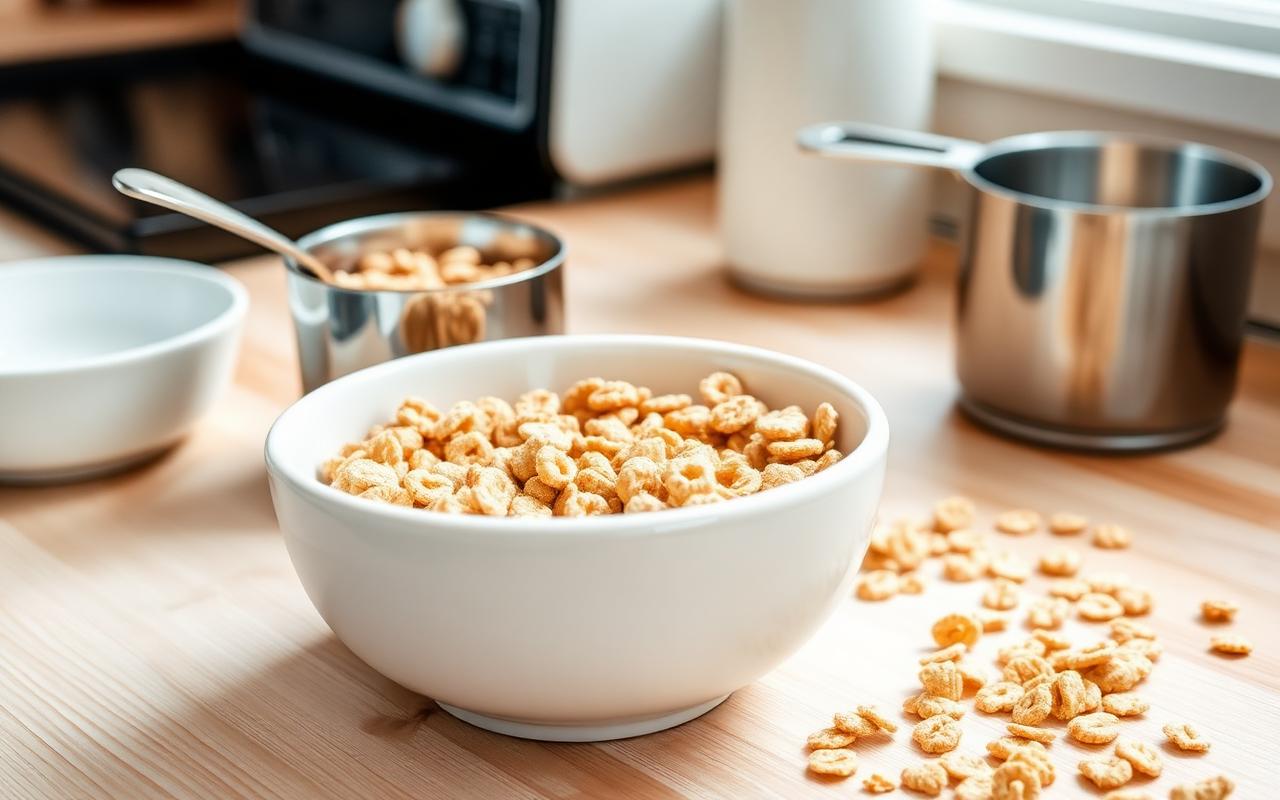
Serving size is a regulated reference amount, not a recommendation. Here is how it is set, why it distorts labels, and how to read around it.
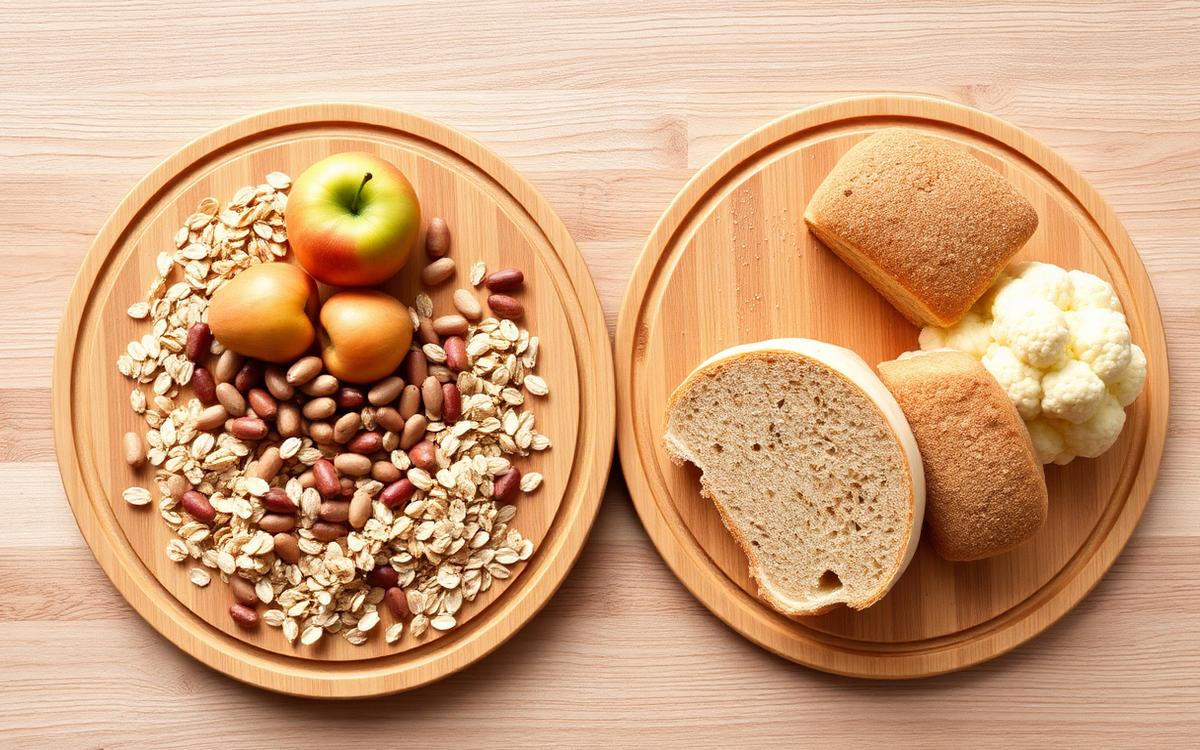
Soluble fiber dissolves into a gel and lowers cholesterol. Insoluble fiber adds bulk and speeds transit. Here is which foods carry which, and why both matter.
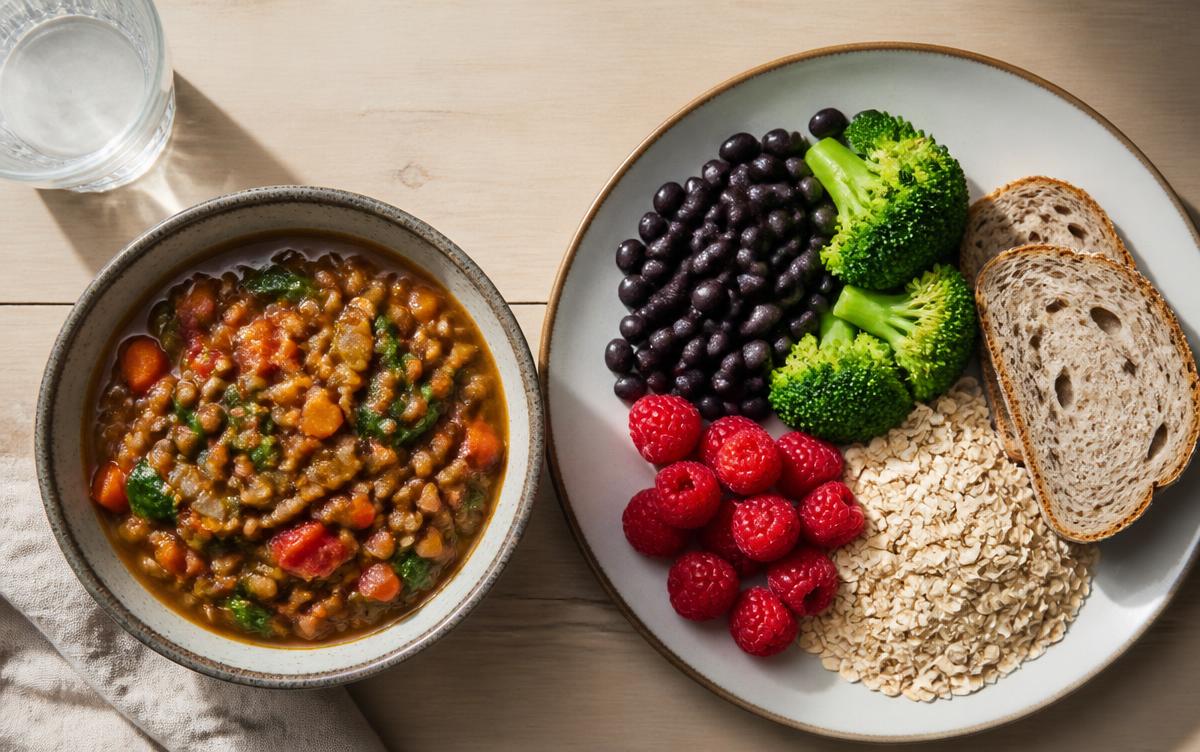
Fiber does not burn fat, but it reliably cuts how much you eat. Here is what the trials show, how much it is worth, and where supplements fit.
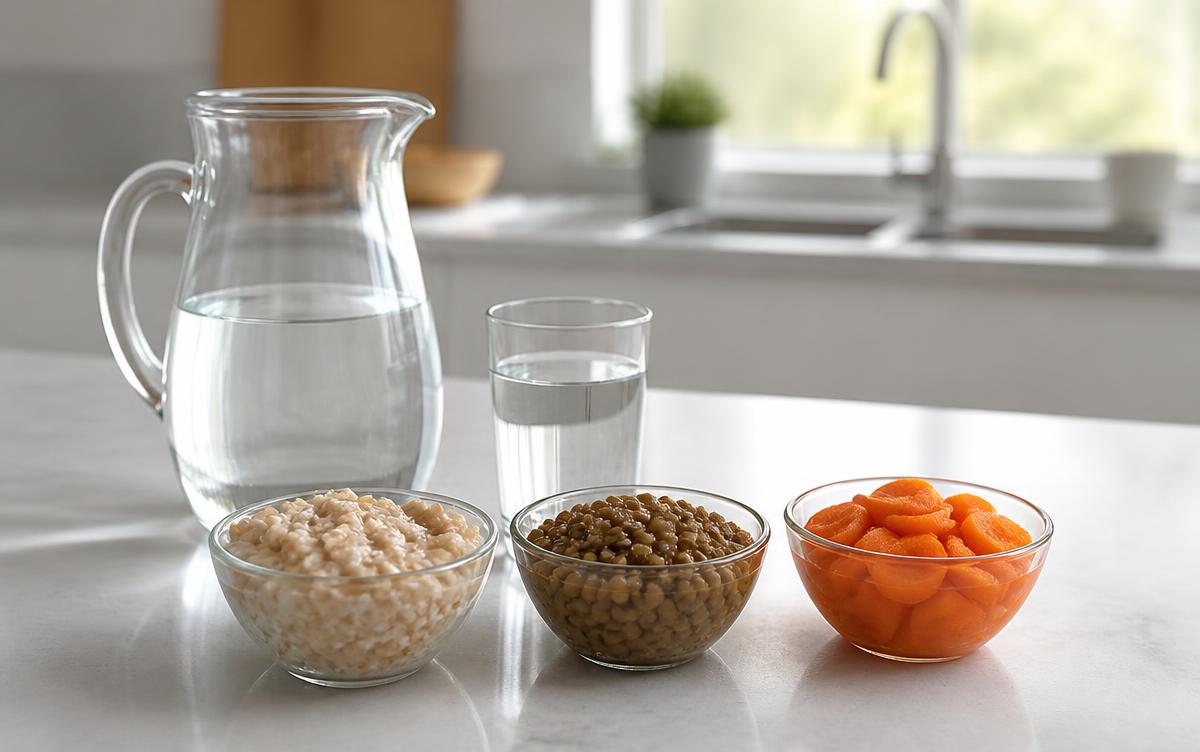
Go up by about 5 grams a week, add water, start with soluble sources and cook your vegetables. Here is the sequence that avoids the gas.
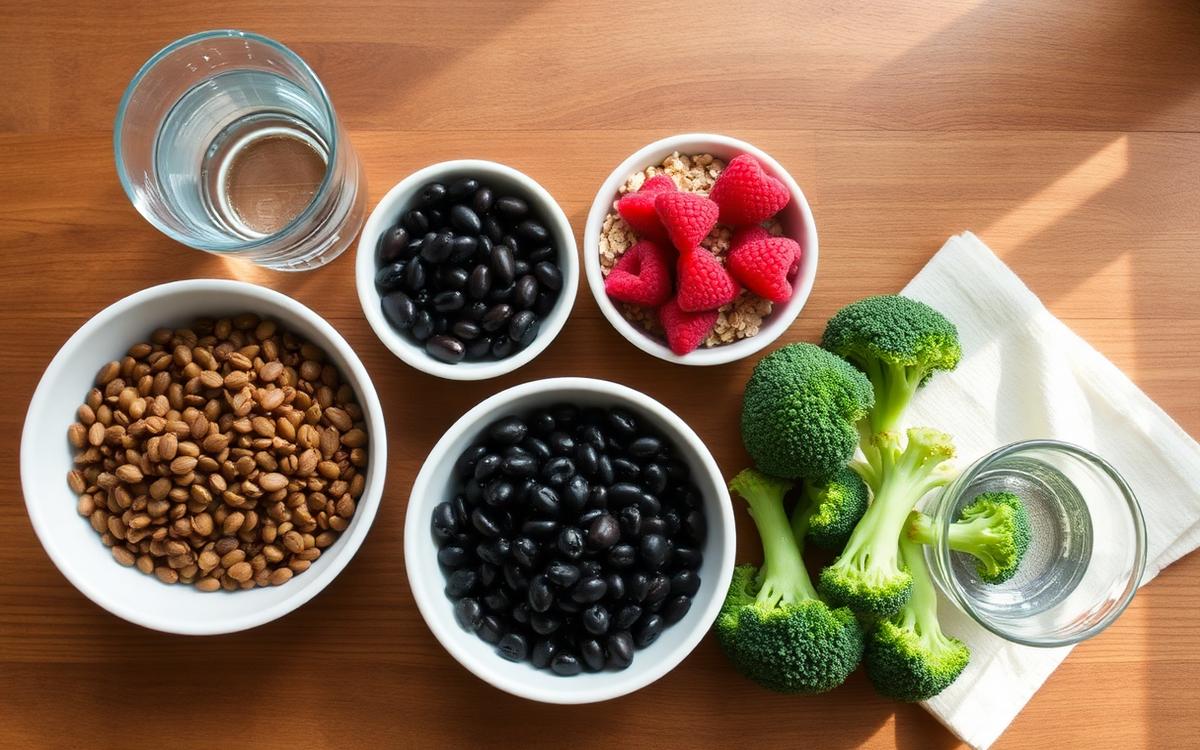
Adults need roughly 25 to 38 grams of fiber daily, yet most people manage half that. Here is your target by age and sex, and how to reach it.
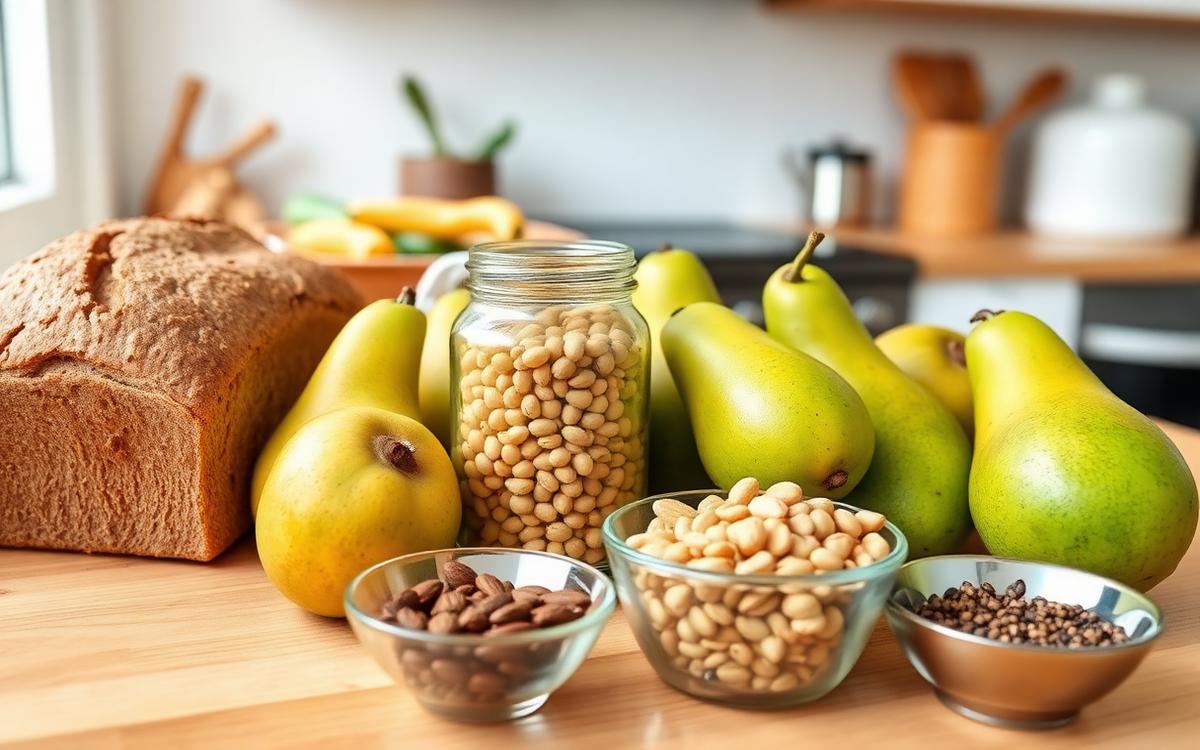
Beans, chia, oats, pears and whole grains carry the most fiber per realistic portion. Here is a ranked list with the grams you actually get.

Constipation is the obvious clue, but hunger soon after meals, blood sugar swings and rising cholesterol point the same way. Here is what to watch.
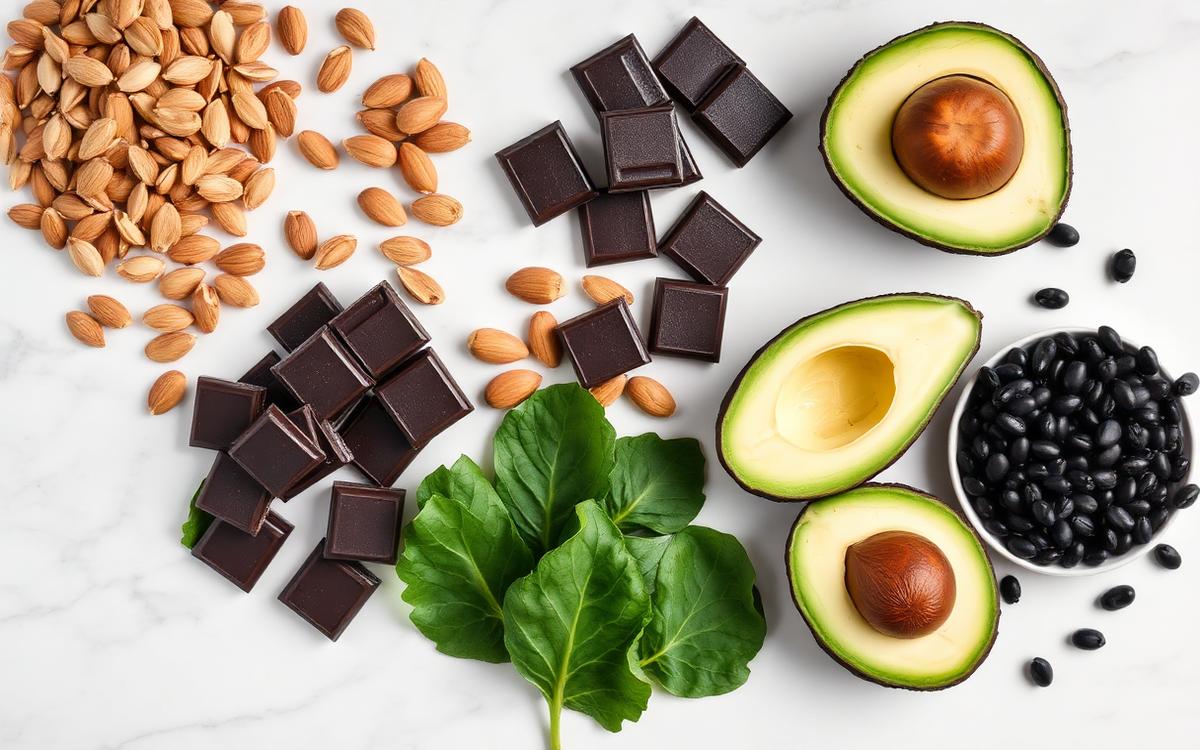
Pumpkin seeds, almonds, spinach, black beans, dark chocolate and whole grains lead the list. Here are the amounts per portion and how to hit your daily target without a supplement.

Unusual tiredness, breathlessness on stairs, pale skin, brittle nails, restless legs and a strange urge to chew ice are the classic clues. Here is how iron deficiency shows up and what to do.
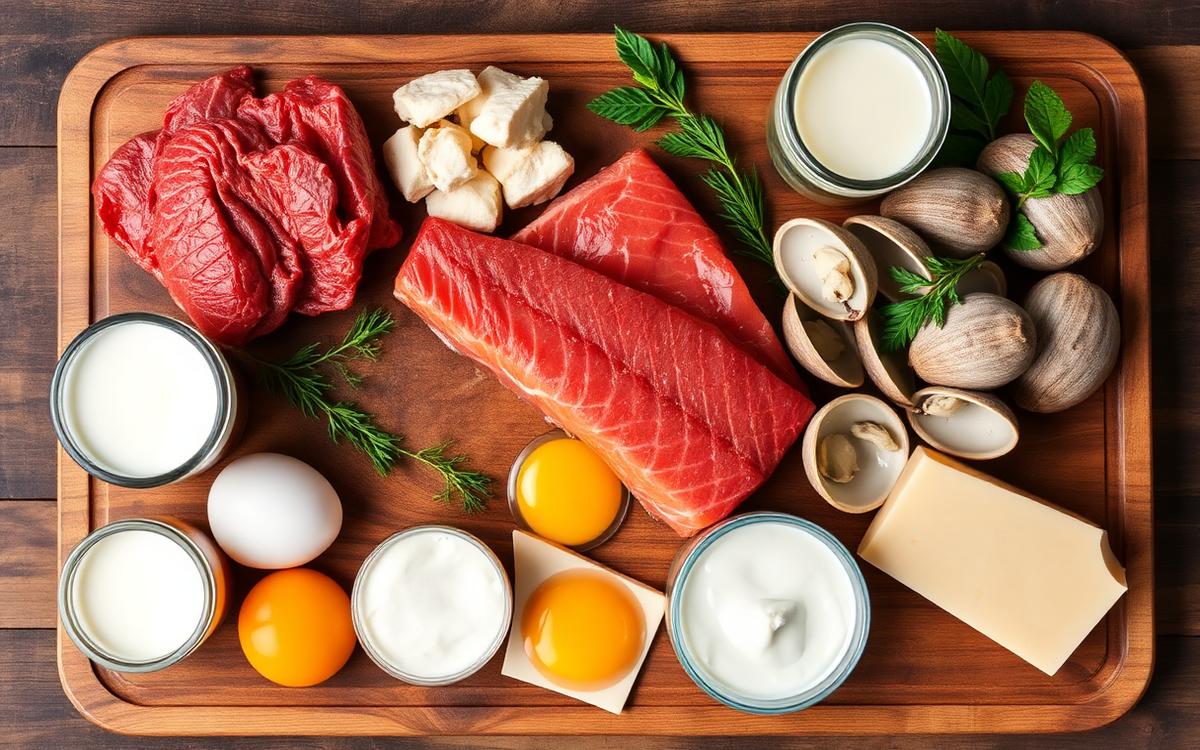
Clams, liver, salmon, beef, eggs and dairy carry the most B12, and fortified foods cover plant based diets. Here are the real numbers per portion and how much you actually need.

Fatigue, pins and needles, a sore red tongue, brain fog and unsteadiness are the classic signs of low B12. Left too long the nerve damage can stick, so here is how to spot it early.
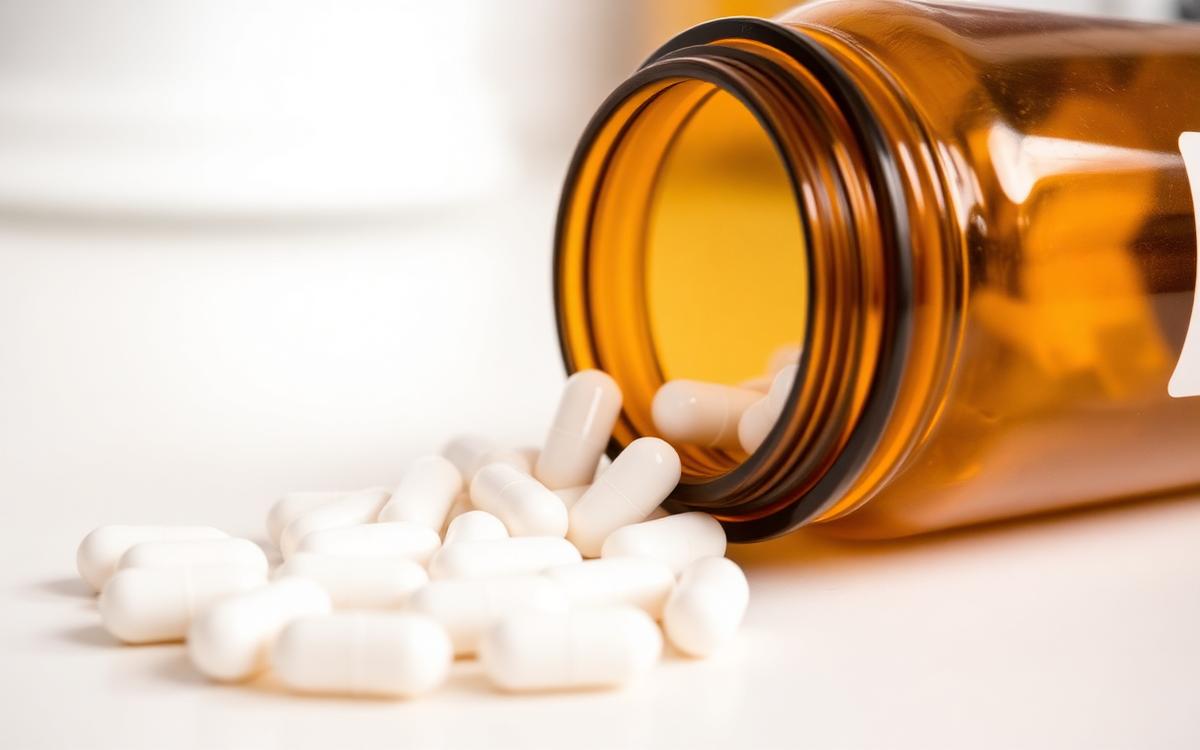
Most adults do well on 400 to 1000 IU a day, with 800 IU a common recommendation for older adults. Here is how to pick a dose, when higher is justified, and where the safe ceiling sits.

Low vitamin D rarely announces itself. Persistent tiredness, aching bones, low mood and slow healing are the usual clues, and a simple blood test settles it. Here is what to look for and what to do next.
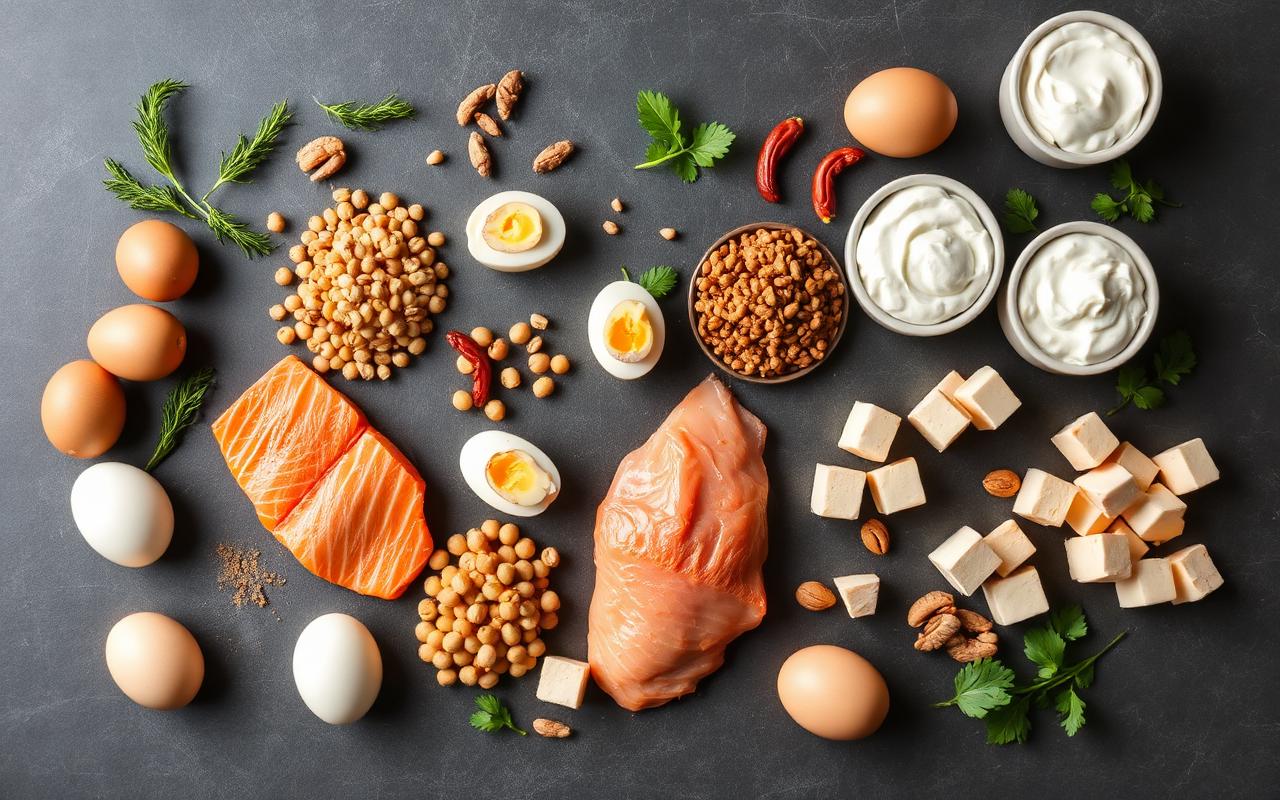
Protein is not just for muscle. It builds enzymes, hormones, antibodies and skin, moves oxygen around your blood, and keeps you full between meals. Here is the full job list.
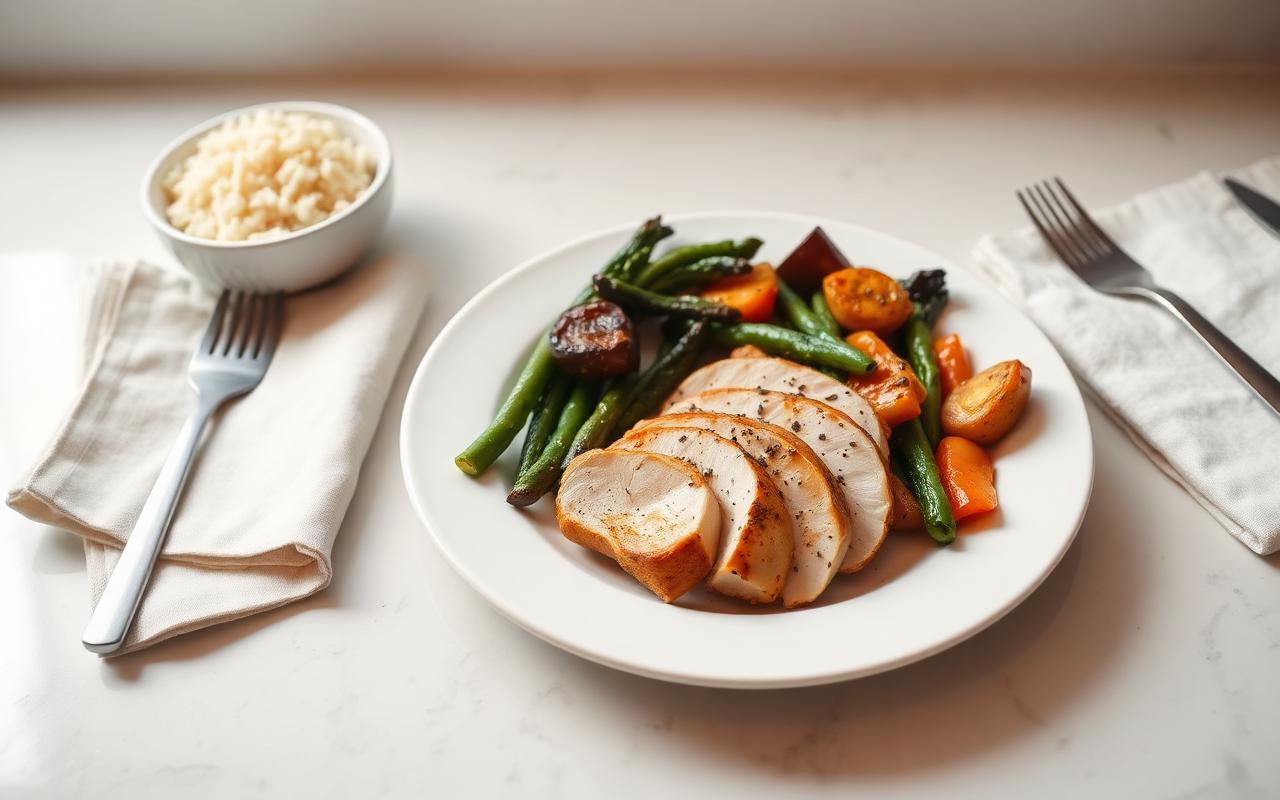
Protein only adds weight if it pushes your total calories above what you burn. On its own it is the macronutrient most likely to help you lose fat, not gain it.
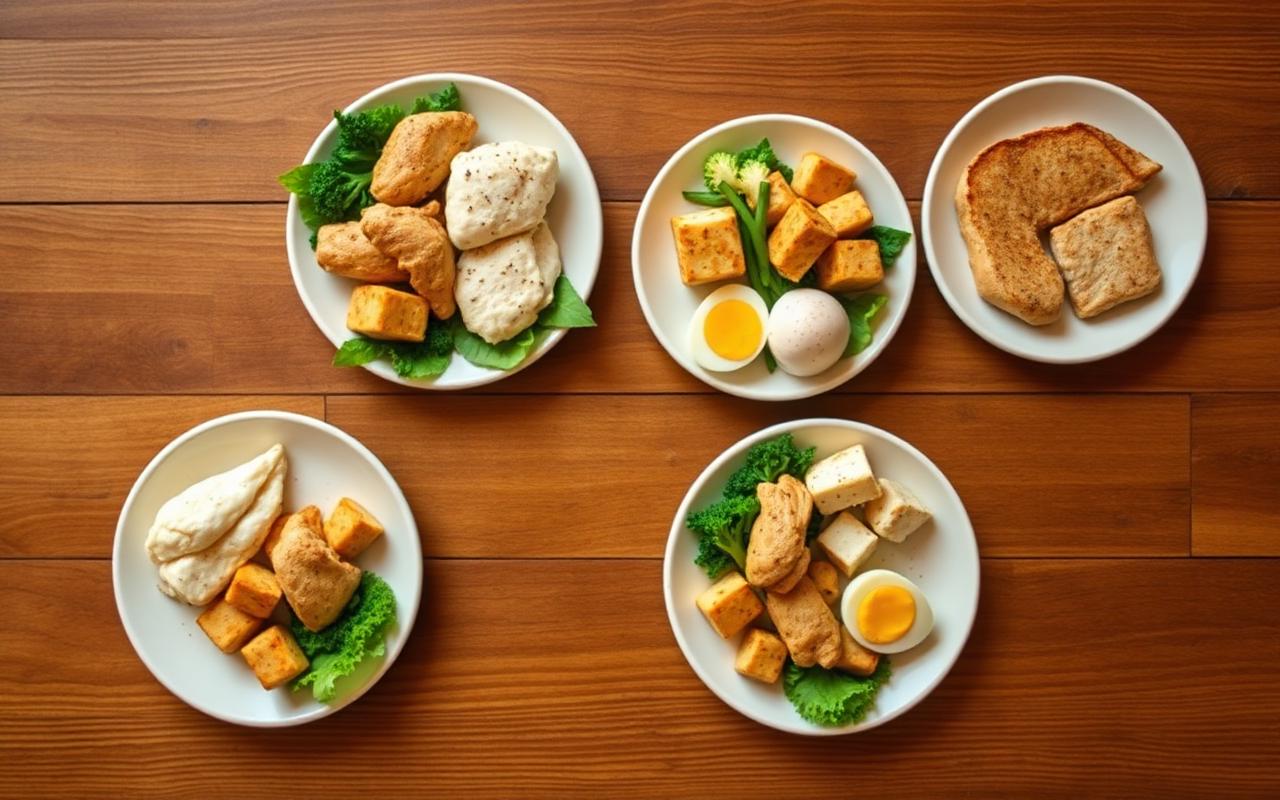
Your gut absorbs almost all the protein you eat, no matter the portion. The real limit is how much your muscles can use for repair at once, which is roughly 25 to 40 grams per meal.
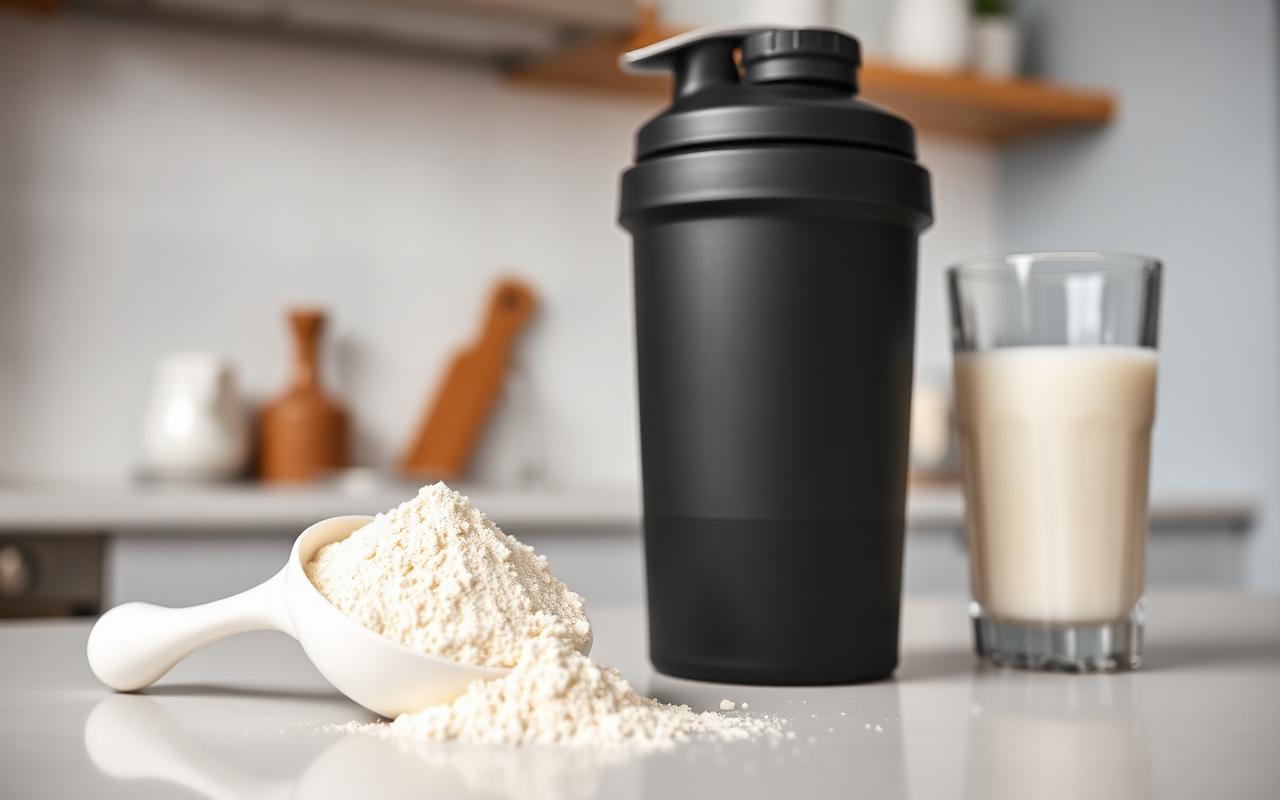
One to two scoops a day is plenty for almost everyone, and powder should top up food rather than replace it. Here is how to decide your own limit and what to watch for.
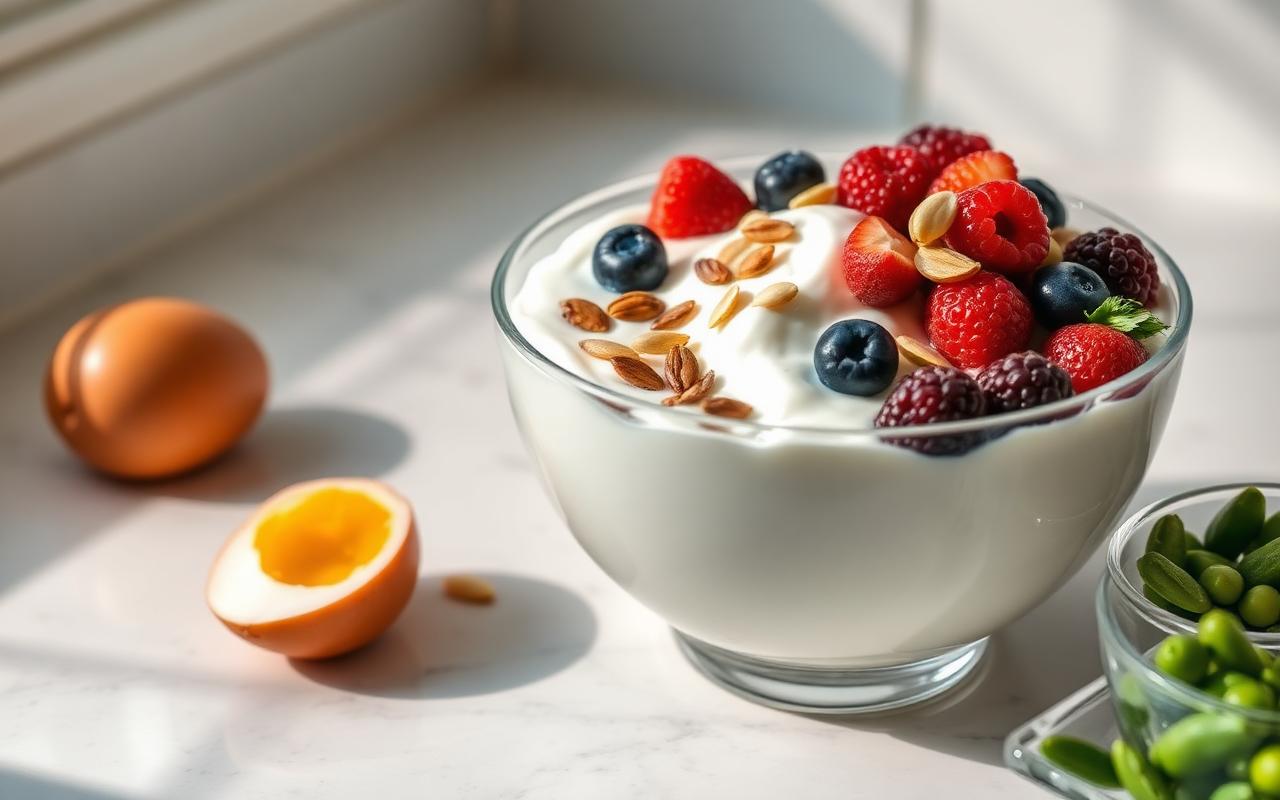
The minimum for an average woman is around 46 grams a day, but active women generally do better on 1.2 to 1.6 grams per kilogram. Here is how to set your target and reach it with everyday food.
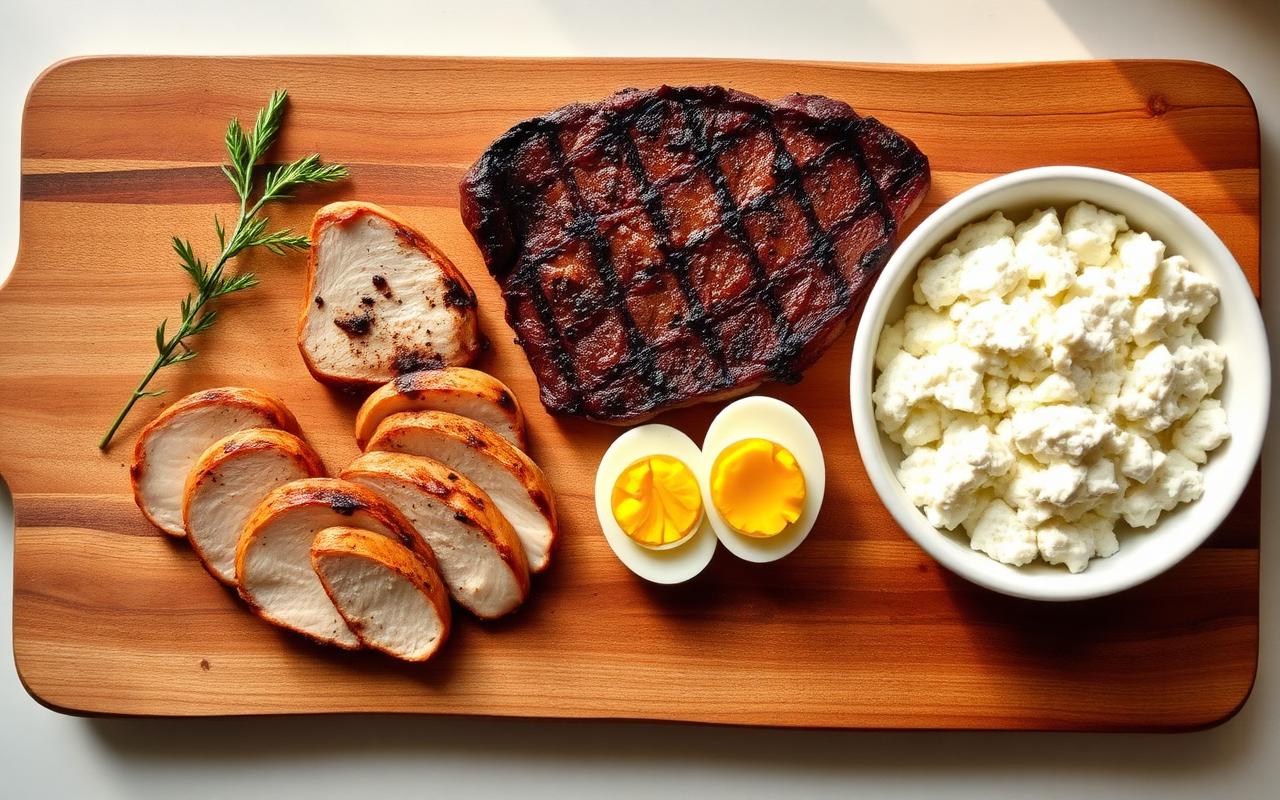
The floor for an average man is about 56 grams a day, but most active men do better between 1.2 and 1.6 grams per kilogram of body weight. Here is how to work out your own number and hit it with real food.
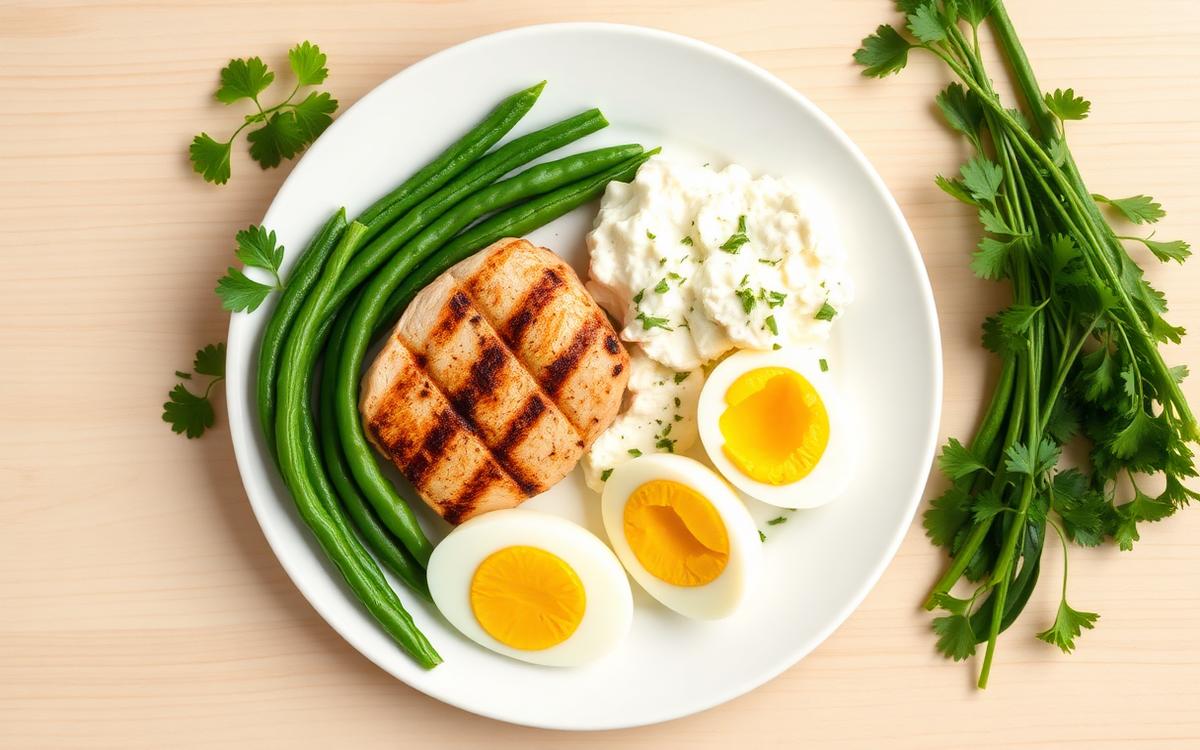
For fat loss, most people do best on roughly 1.2 to 1.6 grams of protein per kilogram of body weight per day, spread across three or four meals. Protein protects muscle in a calorie deficit and keeps hunger manageable.
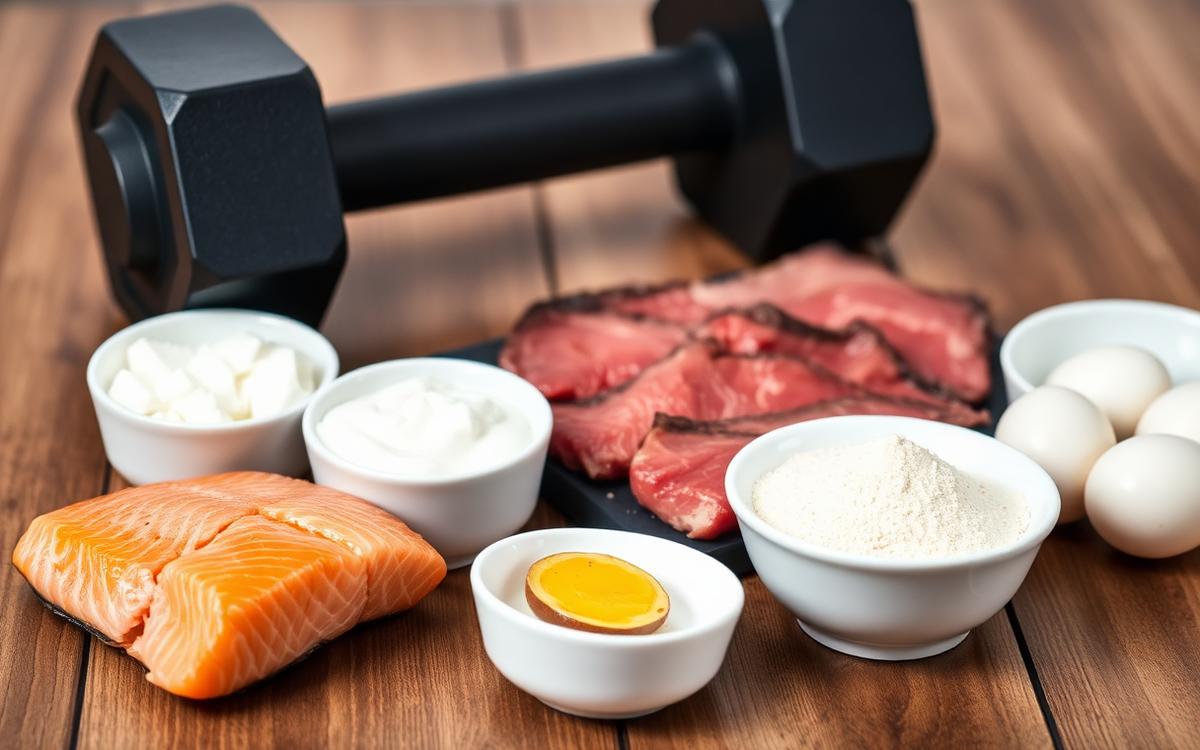
Around 1.6 grams of protein per kilogram of body weight per day is the point where muscle gains stop improving in the research. Going beyond roughly 2.2 g/kg adds cost, not size.
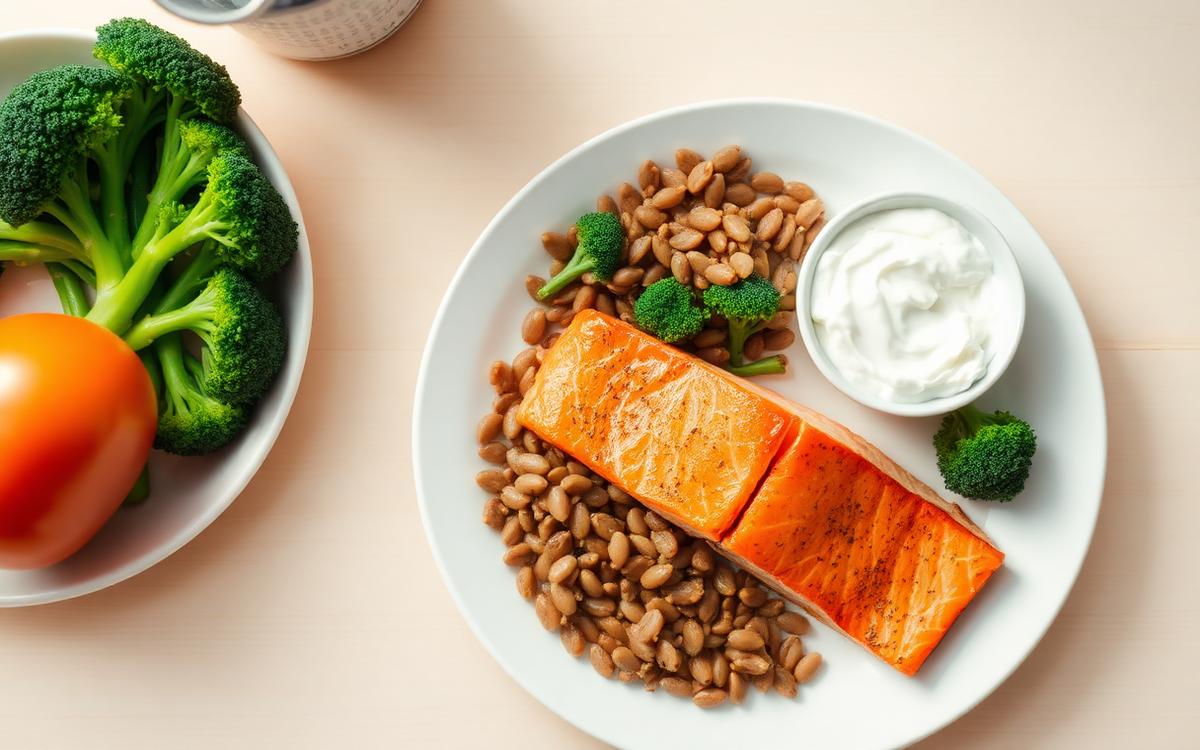
Older adults need more protein than the standard 0.8 g/kg allowance. Expert groups recommend at least 1.0 to 1.2 grams per kilogram daily, and 1.2 or more for those who exercise or are recovering from illness.
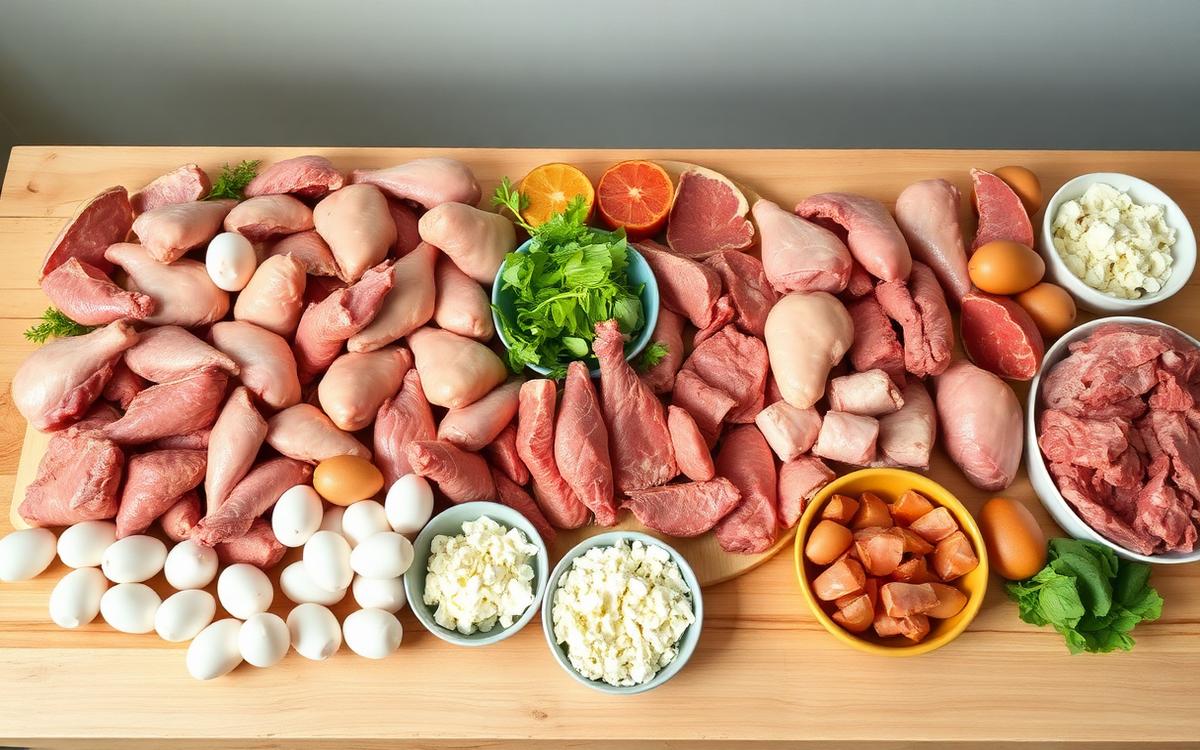
Healthy adults tolerate high protein intakes well, but there is a practical ceiling. Beyond roughly 2.2 grams per kilogram there is no added benefit, and very high intakes crowd out fiber, carbohydrate and variety.
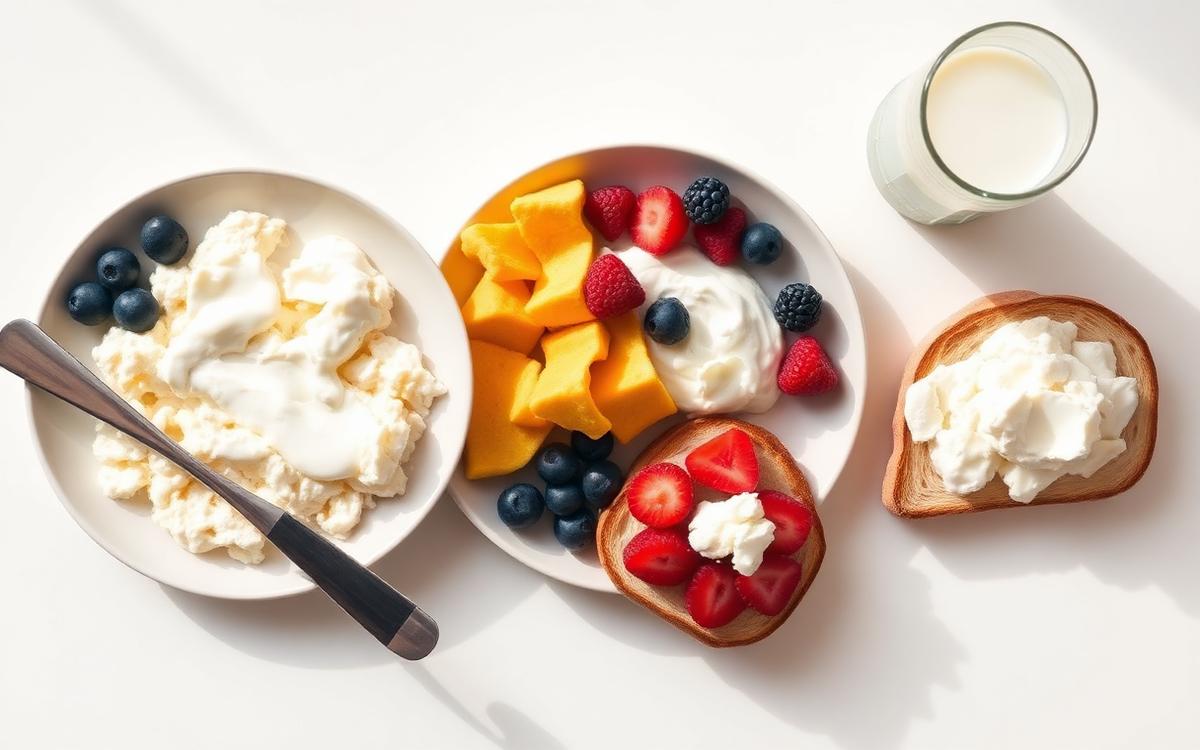
Aim for 25 to 30 grams of protein at breakfast. That is the dose that reliably blunts mid-morning hunger and evens out a day where most people load all their protein into dinner.
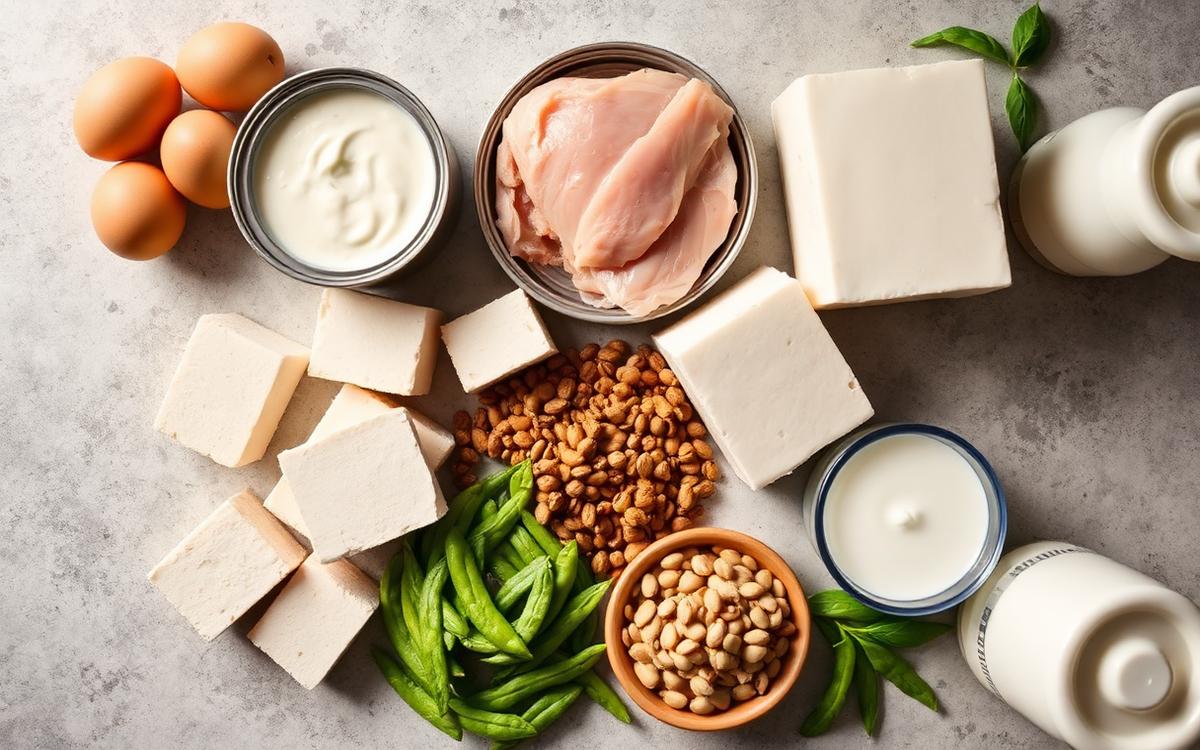
Hitting 100 grams from whole food takes three anchored meals of about 30 grams plus one snack. Eggs, dairy, tinned fish, chicken, legumes and tofu do the work with no powder involved.
The best magnesium glycinate supplements for sleep are Pure Encapsulations, Thorne Bisglycinate Powder, and Doctor's Best for clean nighttime absorption.
The best creatine monohydrate powder is Transparent Labs Creatine HMB, using pure Creapure sourced in Germany with third-party purity testing.
The best electrolyte powders for daily hydration are LMNT, Liquid I.V., and Nuun Sport for balanced sodium, potassium, and magnesium in every serving.
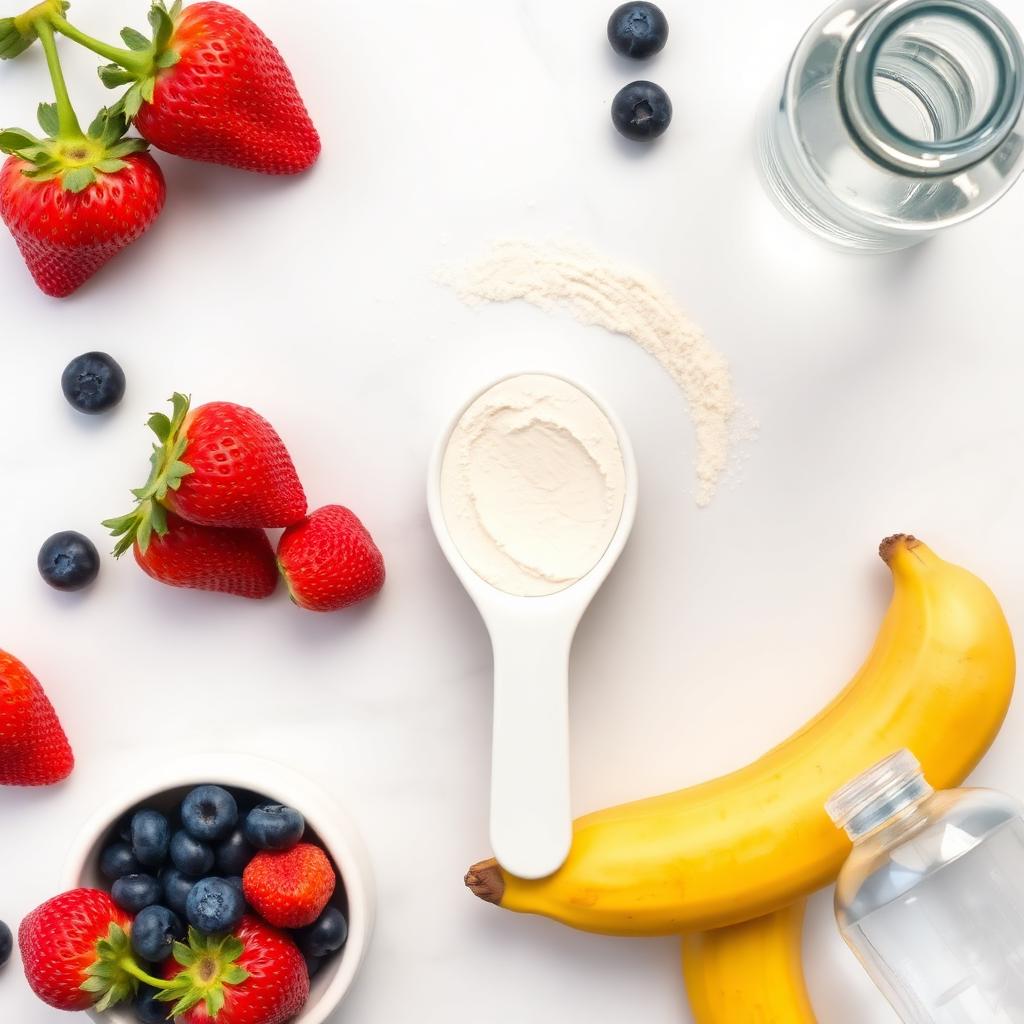
The best protein powders for women are Naked Whey, Momentous Whey, and Ritual Essential Protein for clean labels and complete amino acid profiles.
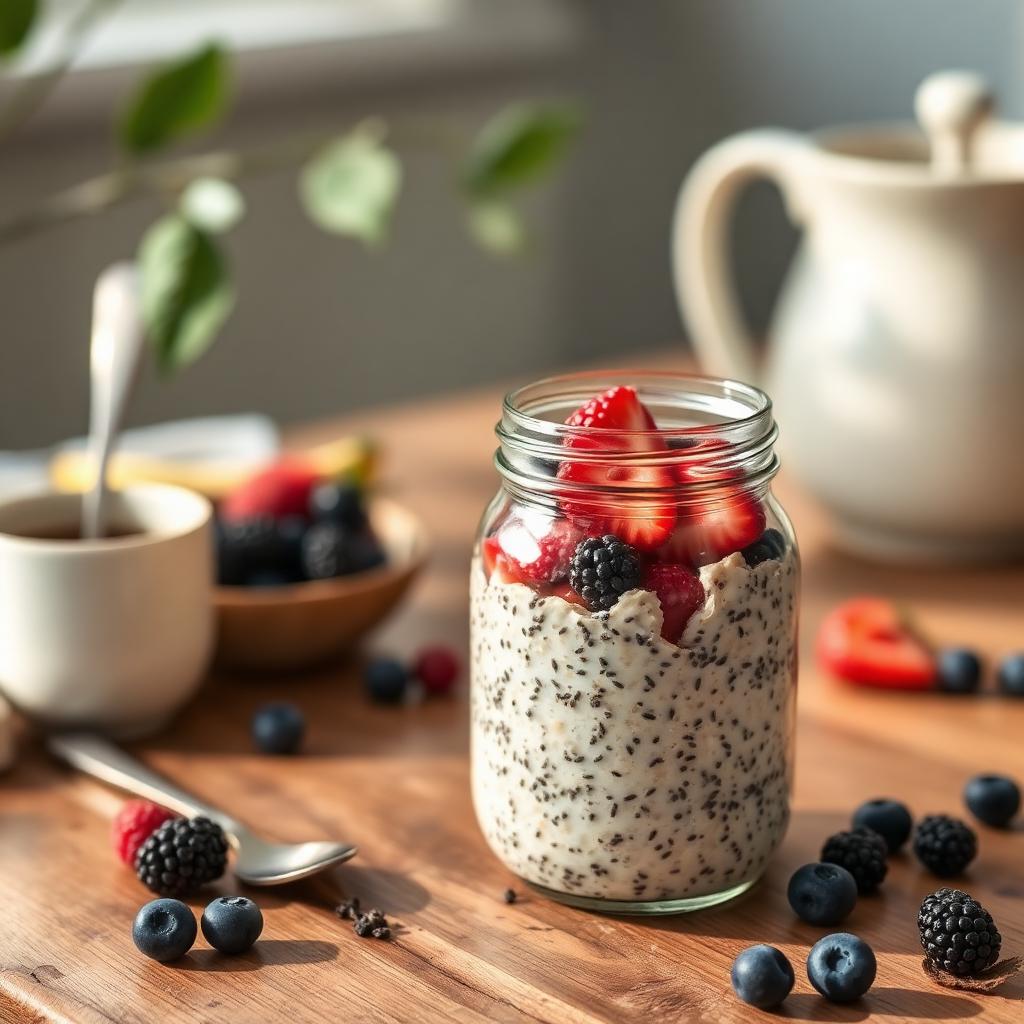
Overnight oats deliver fiber, slow carbs and protein for a steady morning, and most people can eat them daily as long as the mix-ins stay reasonable.
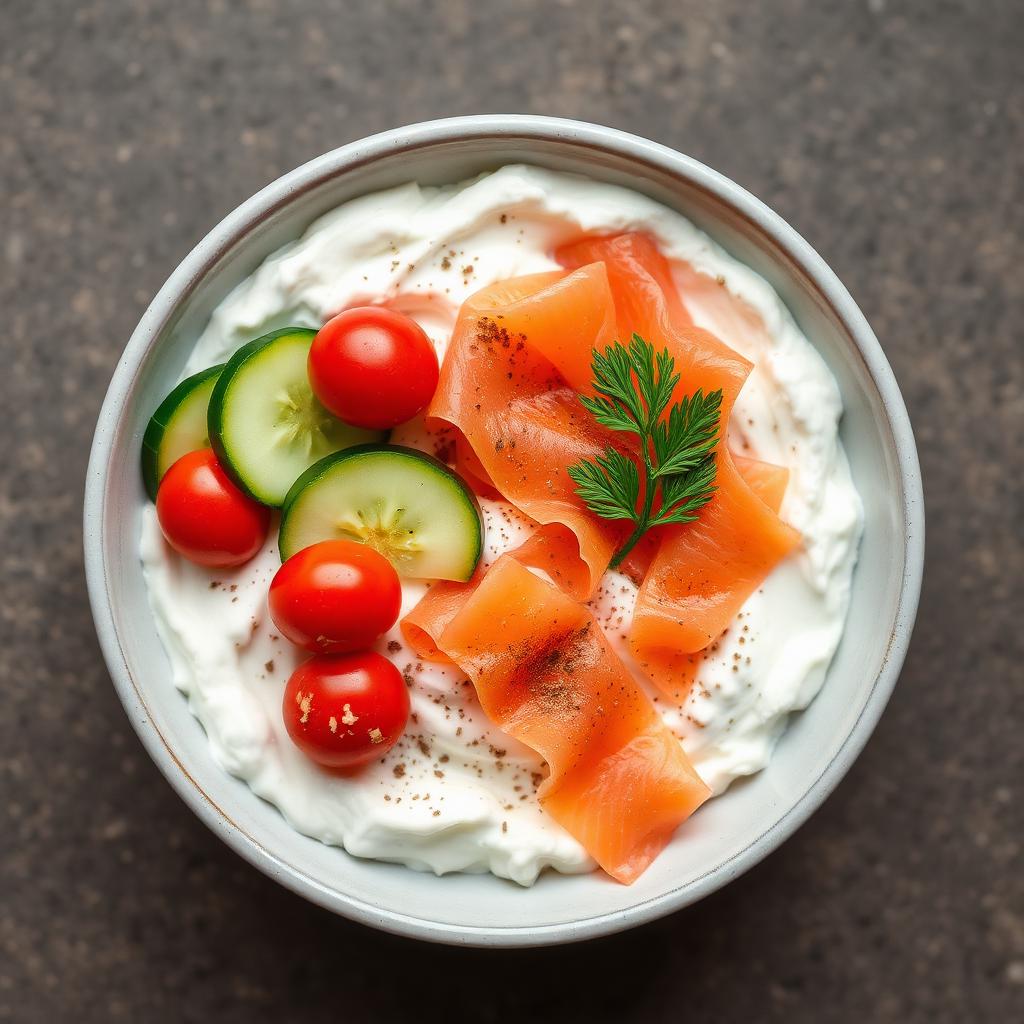
Pair cottage cheese with eggs, smoked salmon, edamame, oats or fruit to push a 25g protein meal up into the 35 to 45g range.
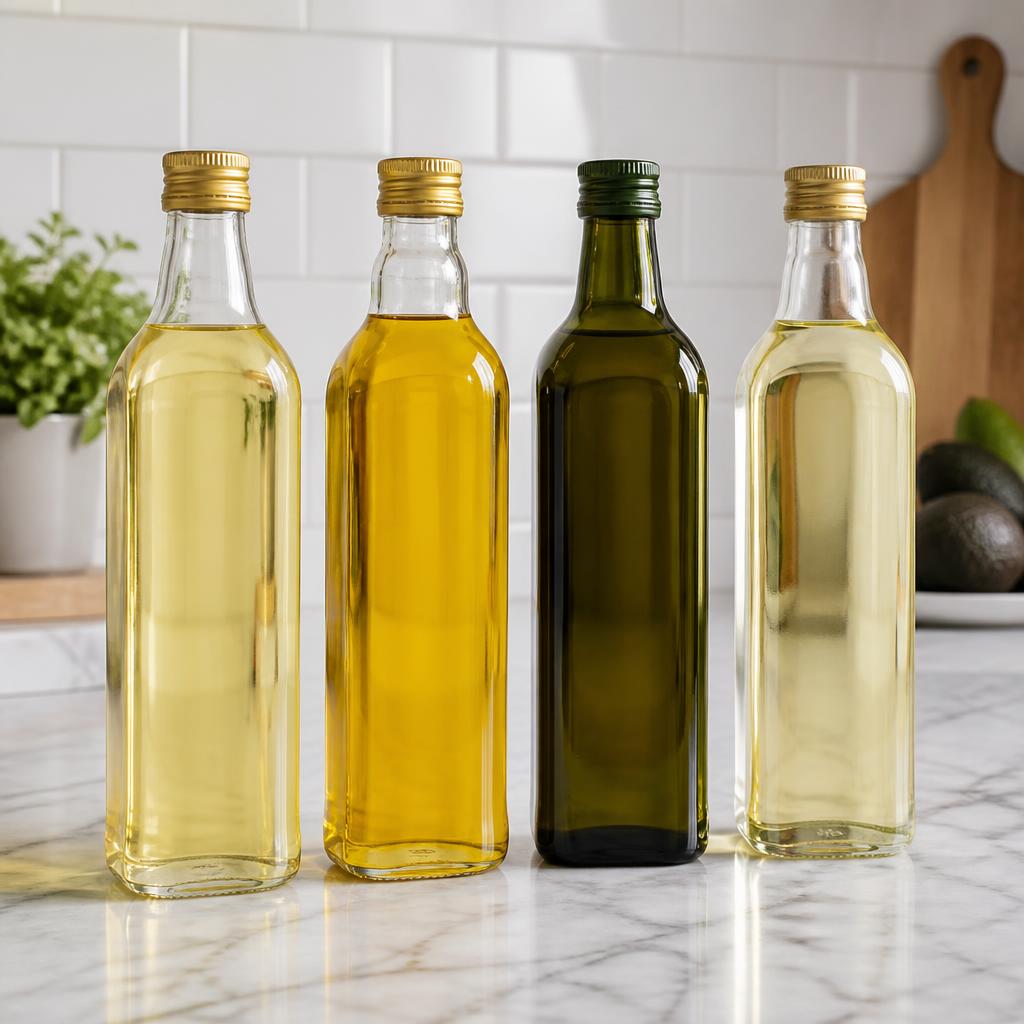
Mainstream science still supports moderate seed oil use. Most alarm online confuses ultra-processed food with the oils themselves.
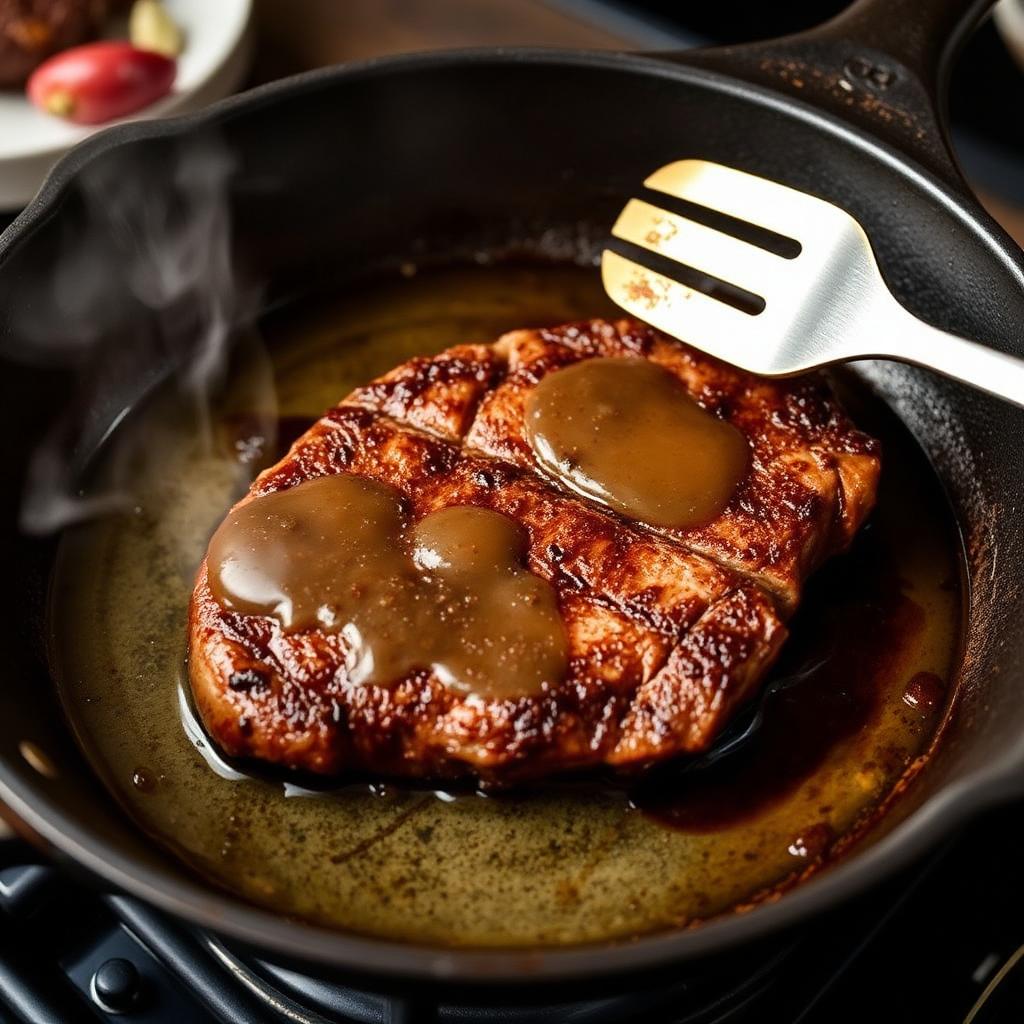
Beef tallow is fine in moderation, but it is high in saturated fat. Most cardiology bodies still rank liquid plant oils ahead of it for daily cooking.
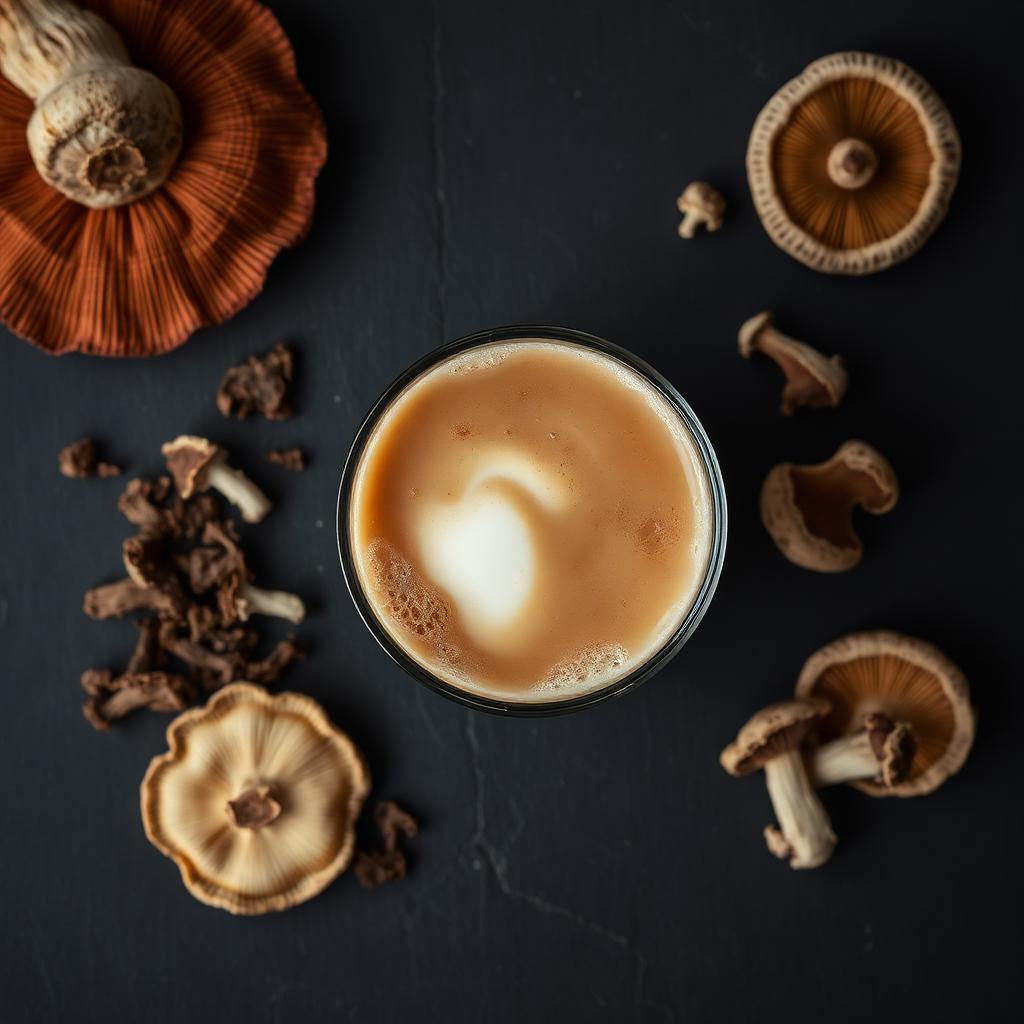
Mushroom coffee blends standard coffee with extracts like lion's mane and chaga. Caffeine drops by roughly half and the cognitive claims are still preliminary.

Best daily electrolyte drink for most adults: water plus a low-sugar mix of sodium, potassium and magnesium. Athletes need more sodium.
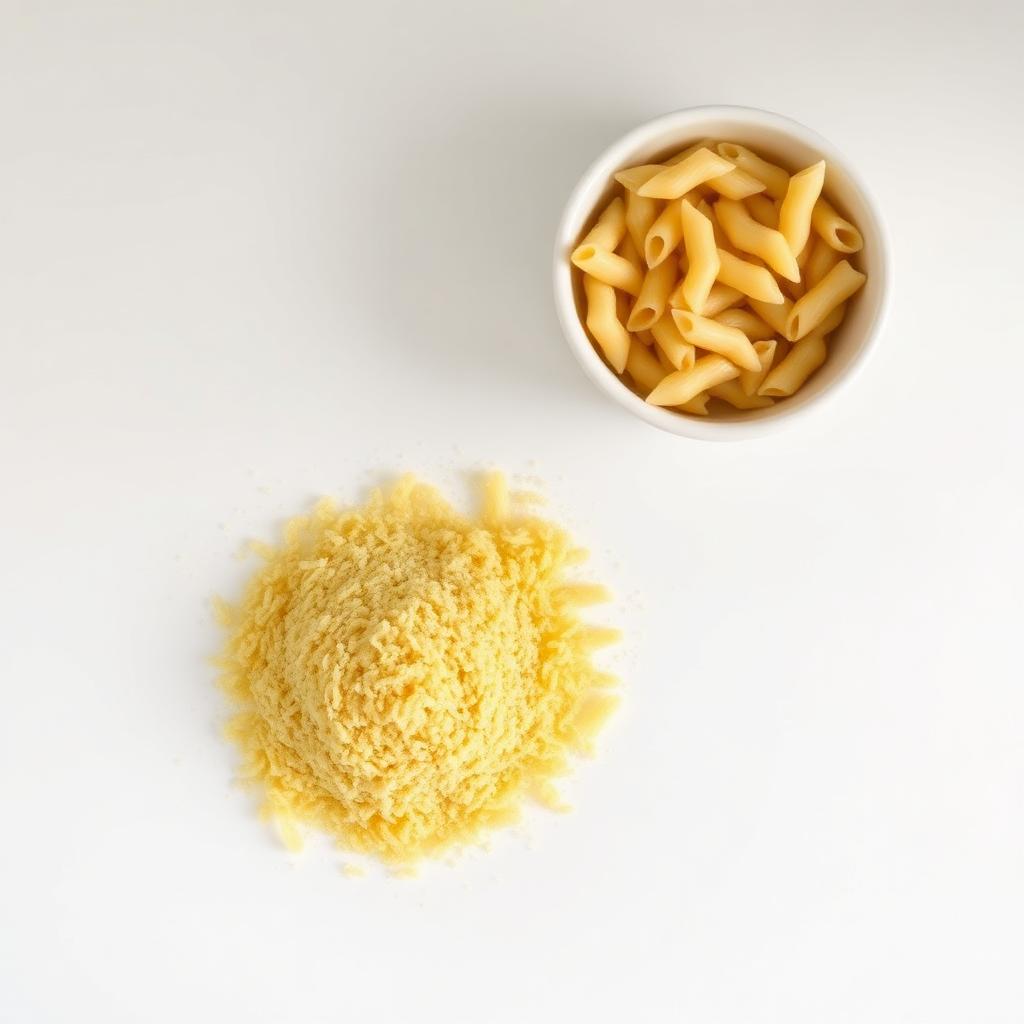
Pasta nutrition labels are for the uncooked dry product. Cooked pasta weighs more because of absorbed water, but the calories per serving stay the same.
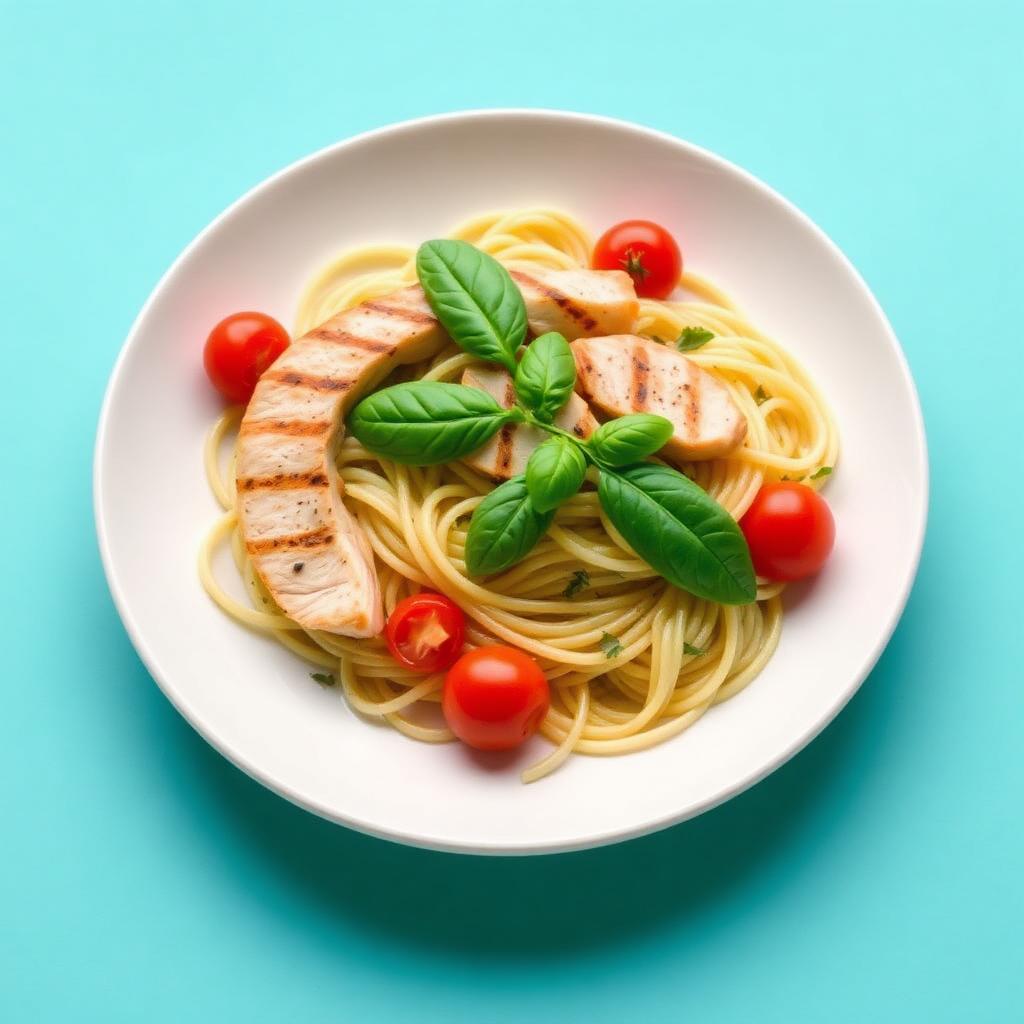
No, pasta is not inherently bad for you. Plain semolina pasta is a clean source of complex carbs, and the real health question is portion size and toppings.
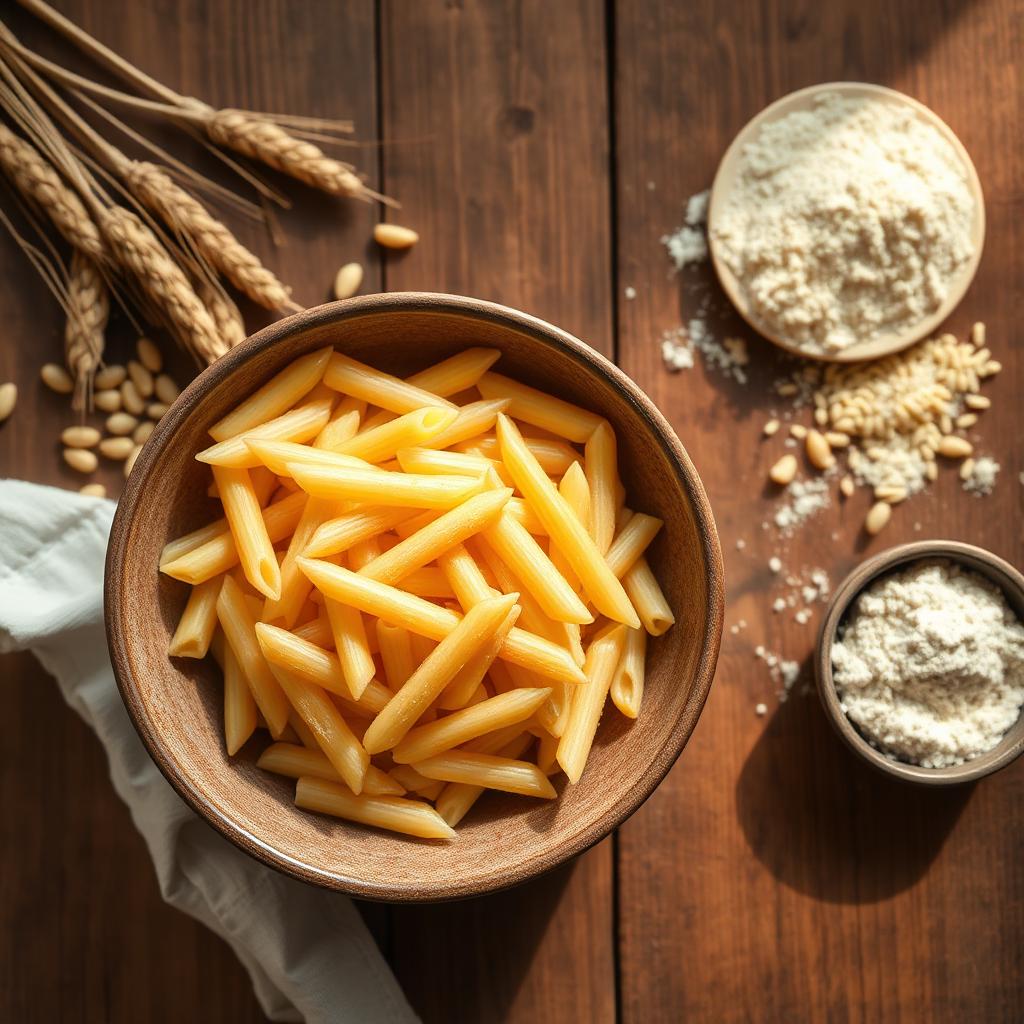
Yes, pasta is high in carbs (about 42 to 45g per 2 oz dry serving), but it has a moderate glycemic index of 45 to 55, so it digests slowly.
I break down the wave of US junk food restrictions, including state level additive bans, marketing limits aimed at children, and the FDA front of pack...
I break down what liquid makna actually is, where it comes from, how it is processed, and how to tell a legitimate functional formulation from a marketing...
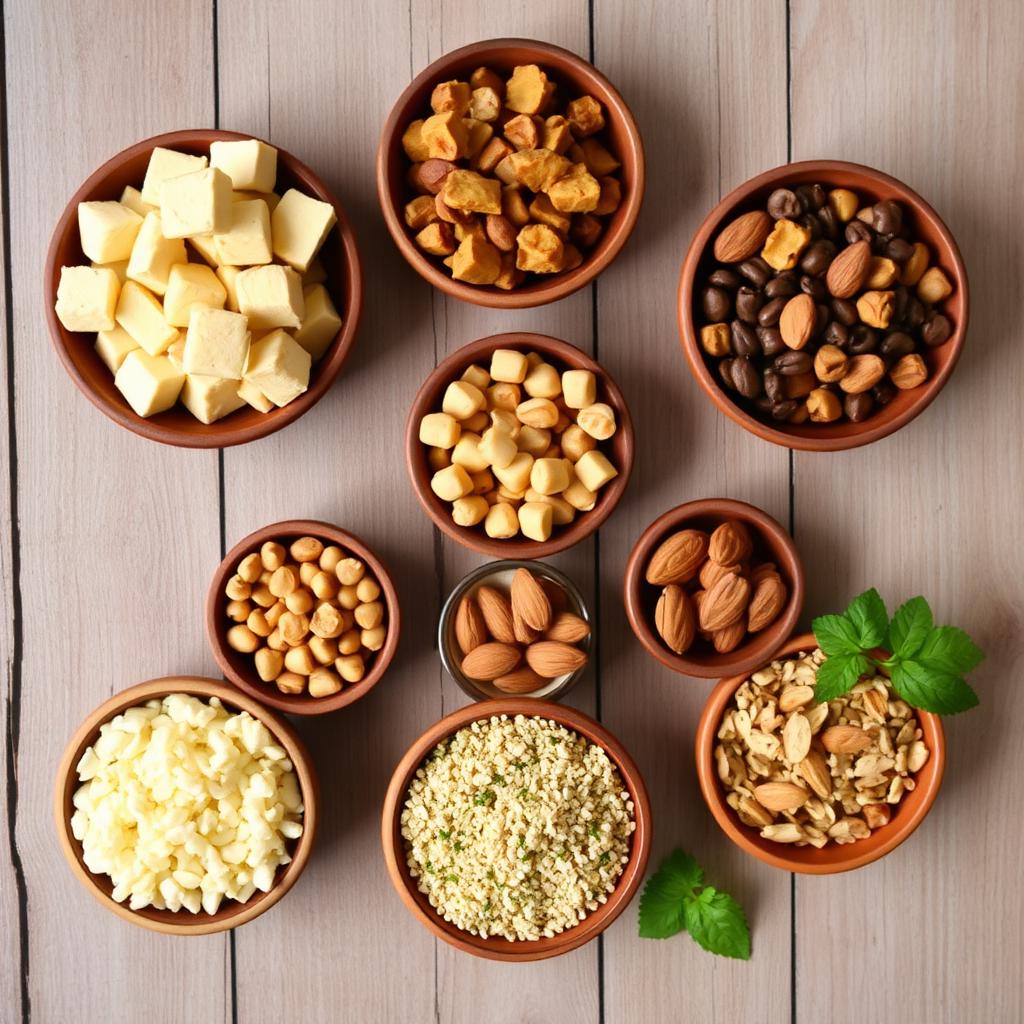
Tempeh, seitan, lentils, hemp hearts, and tofu deliver 10 to 25 grams of protein per serving and easily cover a daily target on a plant based diet.
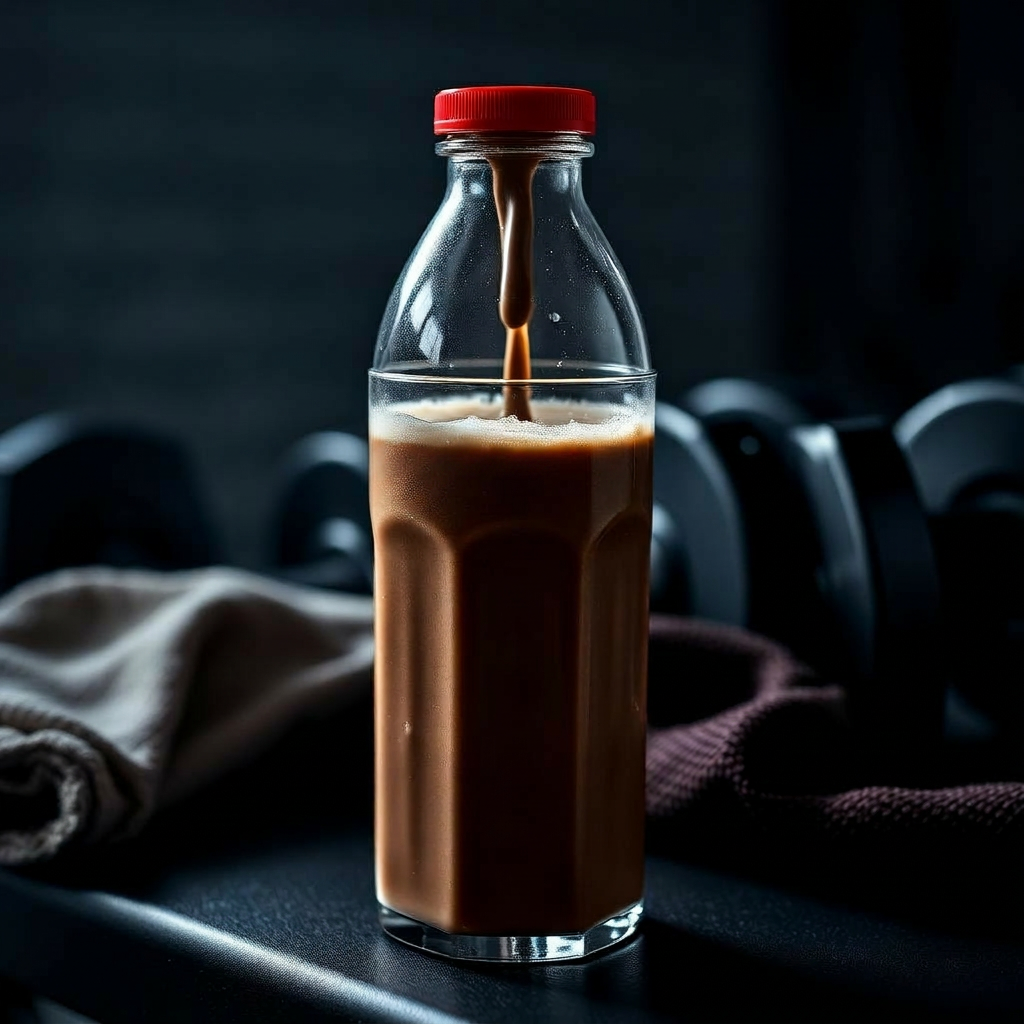
I break down the Core Power Chocolate protein shake in 2026, the 26 g and 42 g varieties, the ultra filtered milk process, and where it actually fits in a...
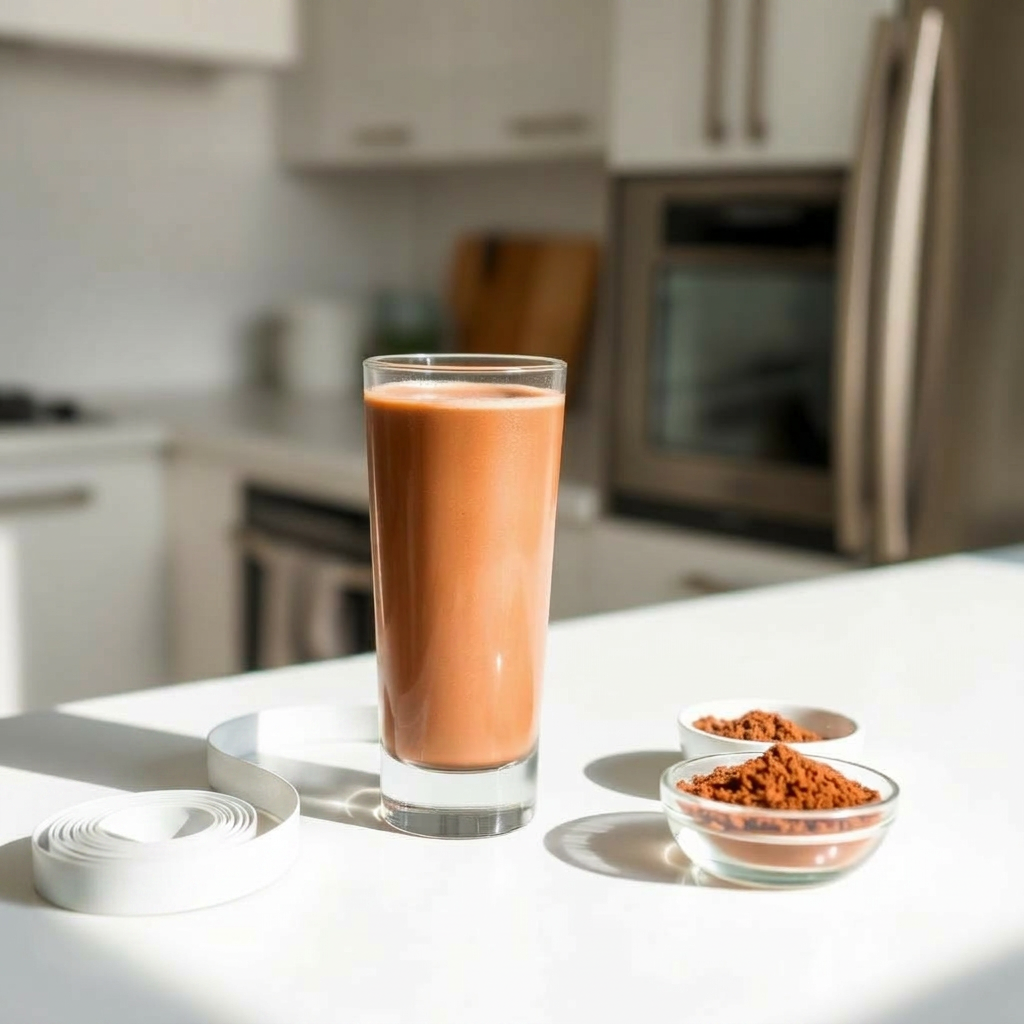
I compare Fairlife Nutrition Plan Chocolate with Core Power, the macro split, sweeteners, calorie load, and which shake fits weight management vs post...
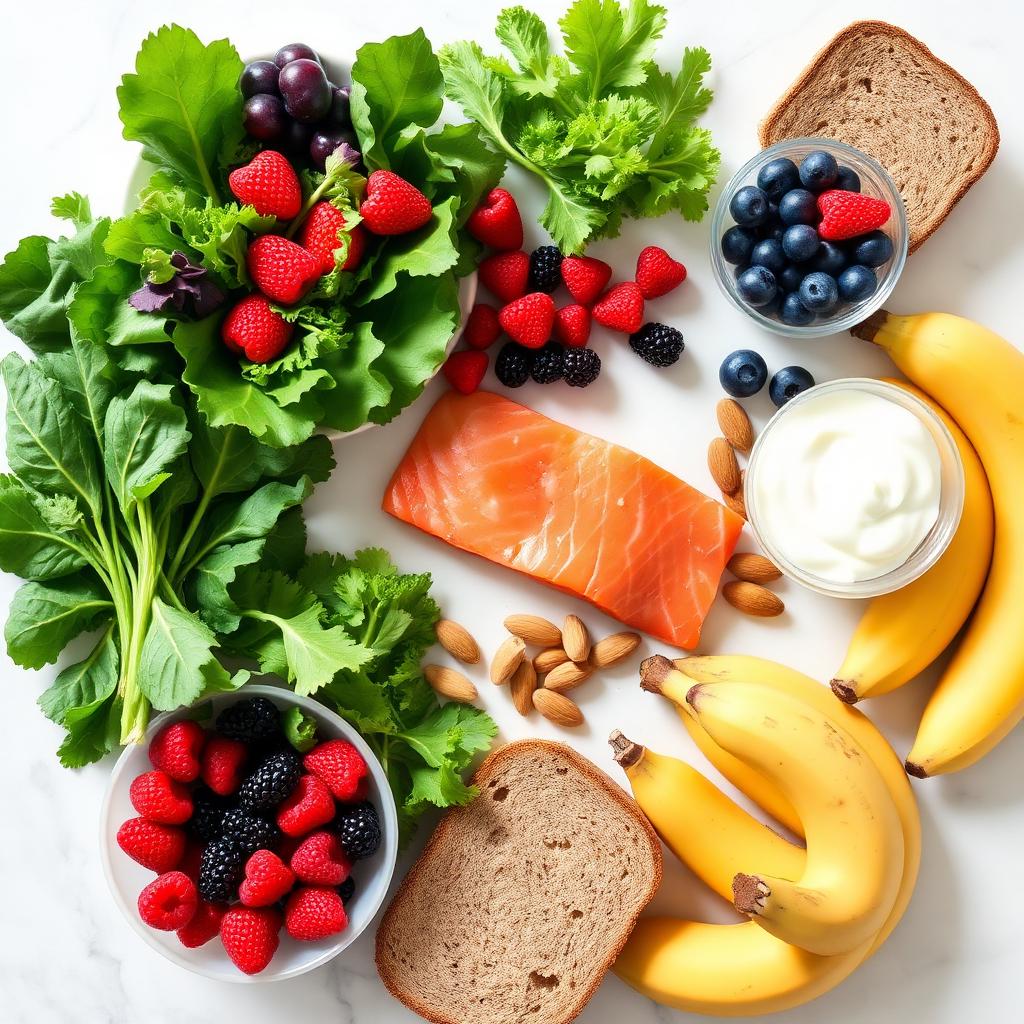
The DASH diet was built by the NIH to lower blood pressure through potassium, calcium, magnesium, and tight sodium control. Here is how it works, what to eat, and a full 7 day meal plan.
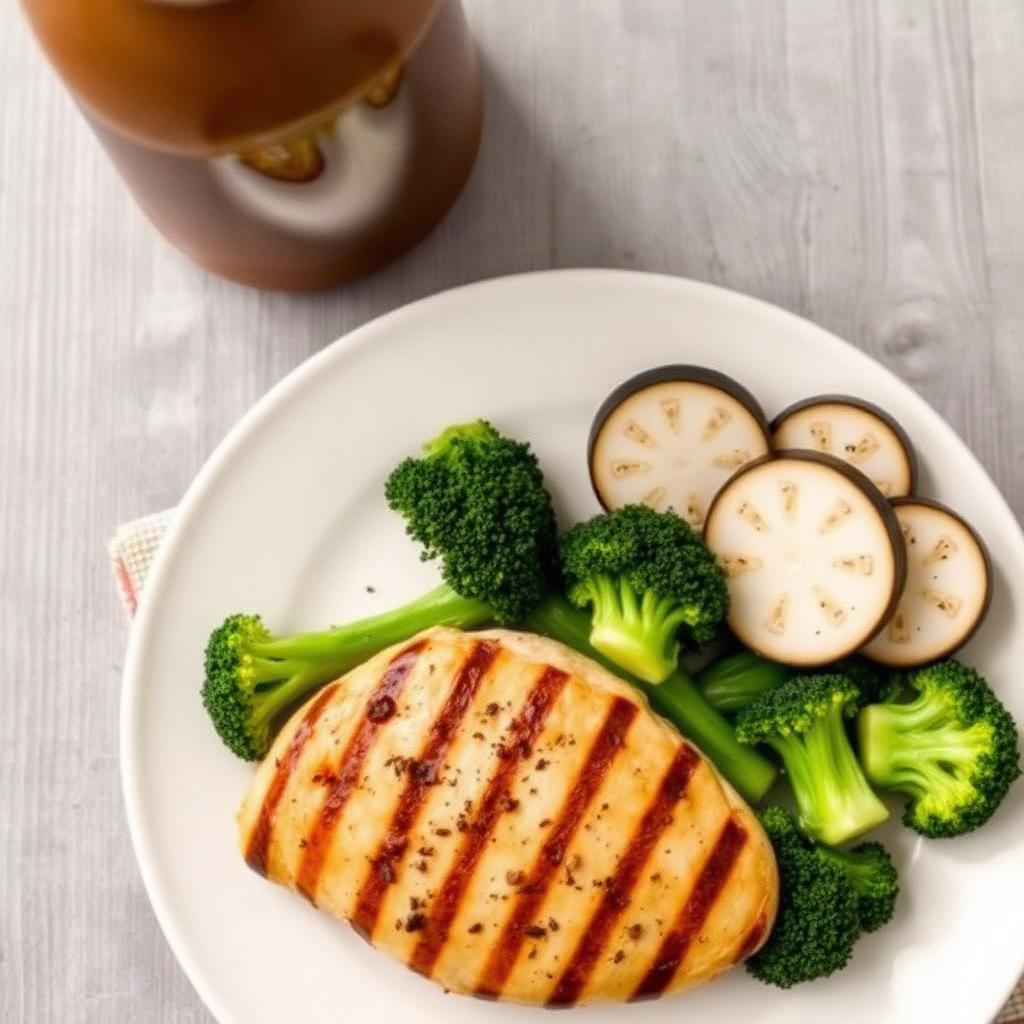
Optavia uses 5 packaged "Fuelings" and 1 home cooked "Lean and Green" meal to hit a strict 800 to 1,000 calorie target. Here is how the plan works, what it costs, and the real clinical concerns.

Bananas, Rice, Applesauce, and Toast: the classic recovery diet for diarrhea and vomiting. Here is what the foods actually do, why modern pediatricians moved on, and what to eat instead.
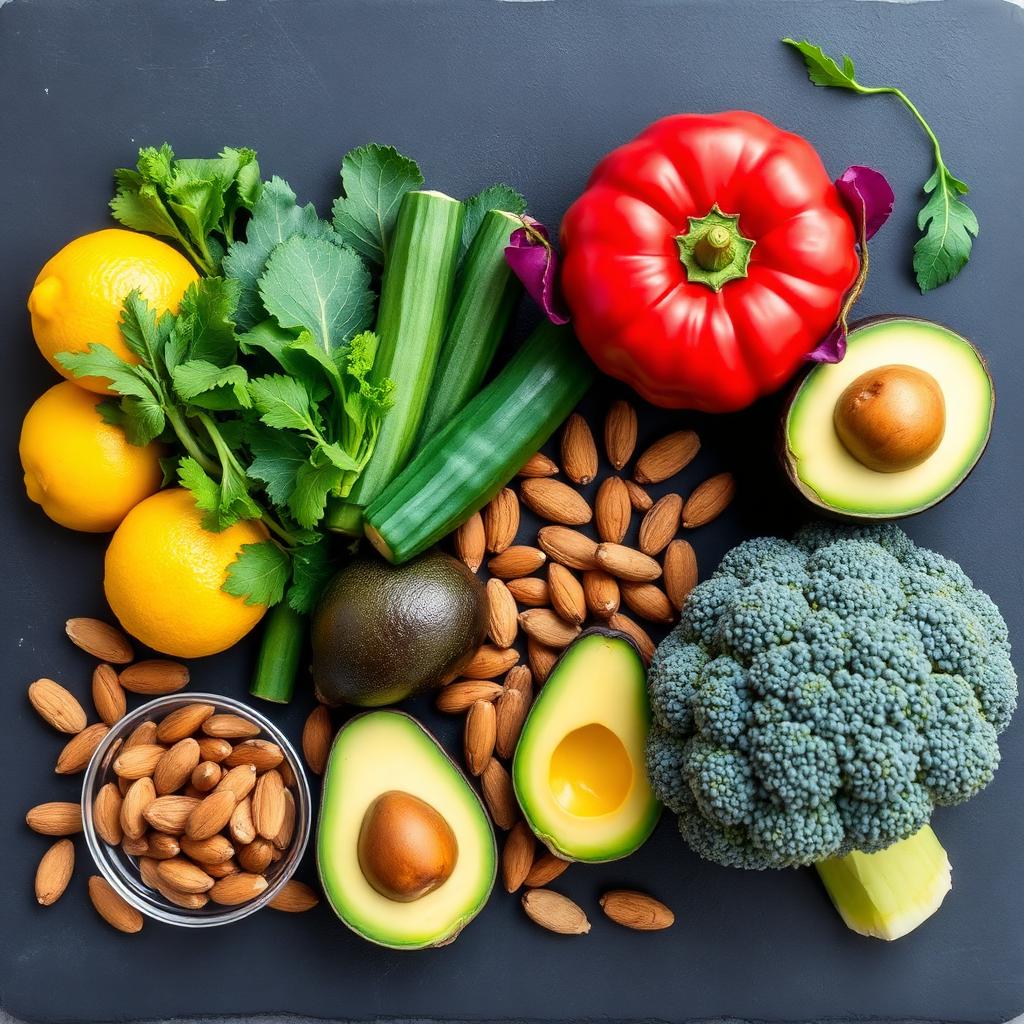
The alkaline diet claims that food choices can shift body pH to prevent disease. The truth: your blood pH does not move, but the food list itself is genuinely healthy. Here is the real story.
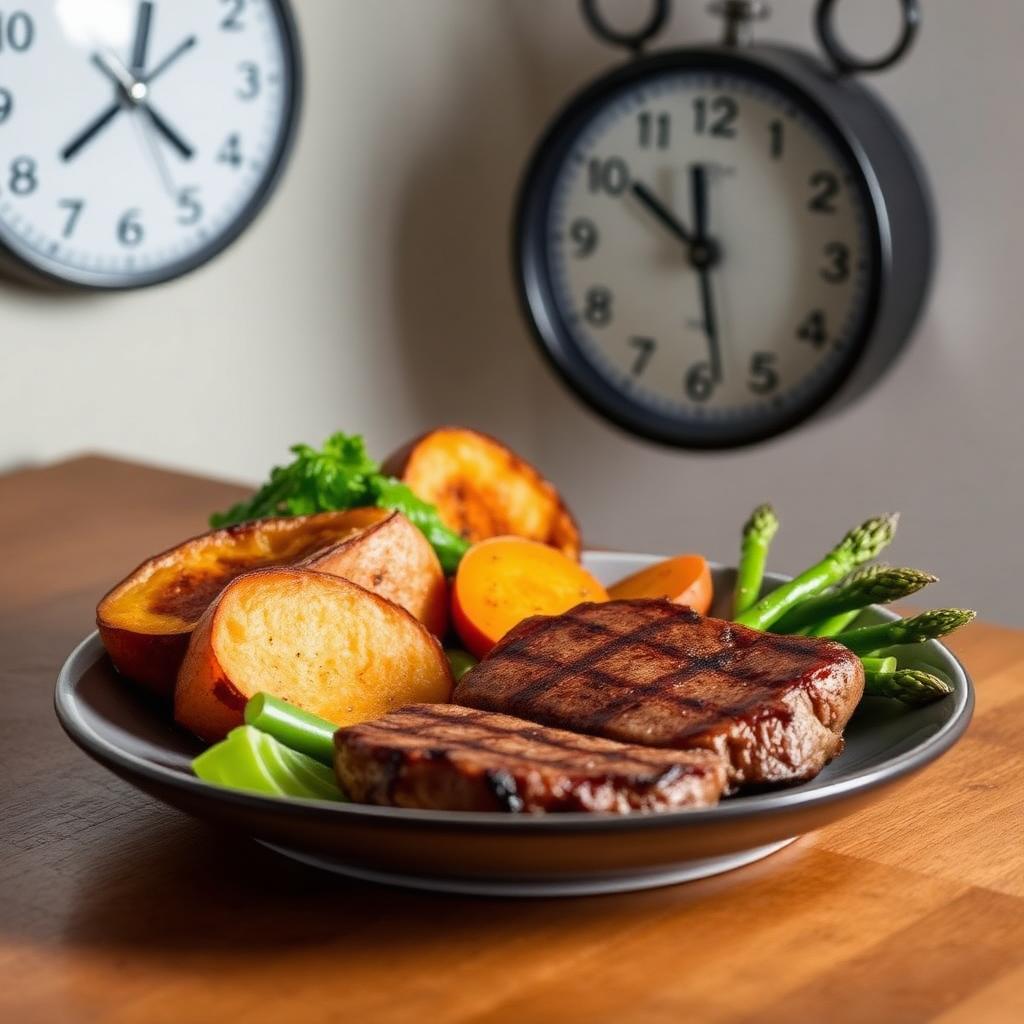
OMAD compresses all your daily calories into a single 1 hour eating window with a 23 hour fast. Here is how it works, what it does to insulin and muscle, and who should never try it.
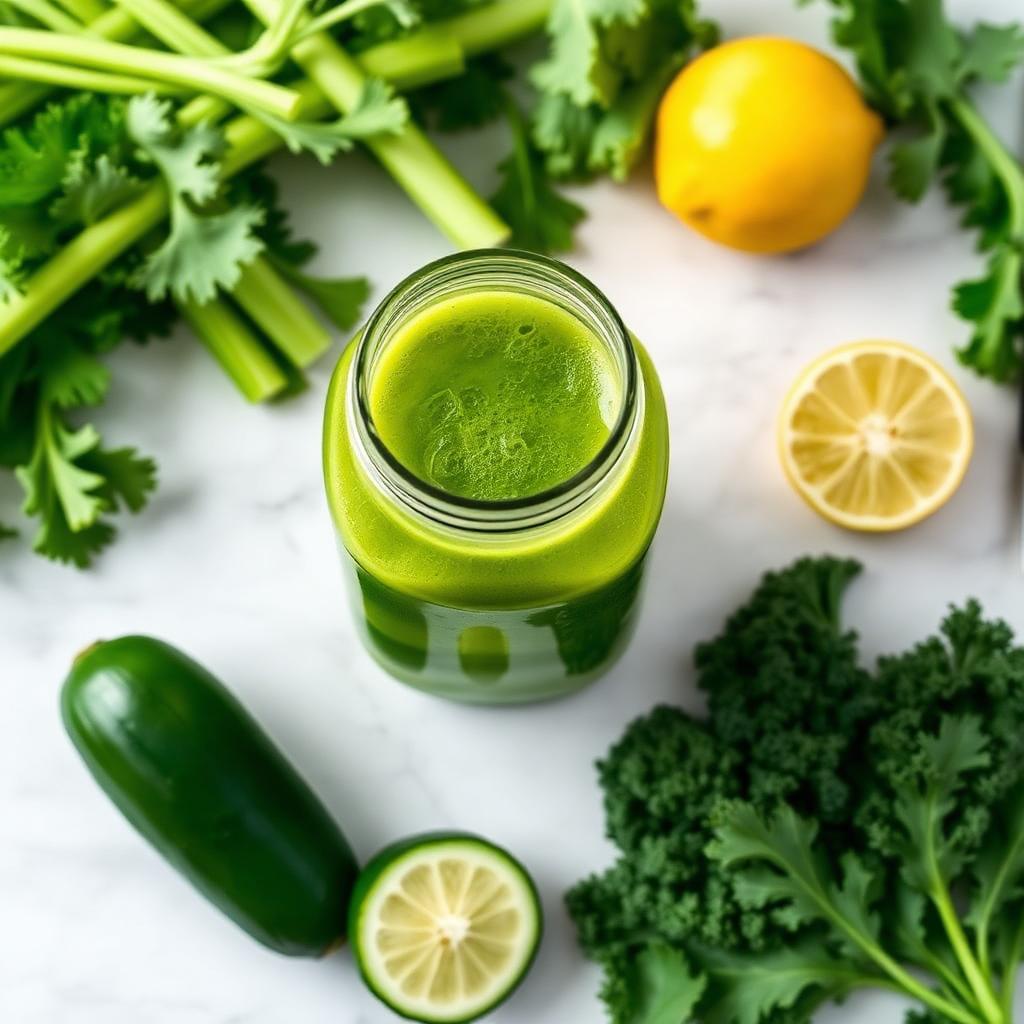
Juice cleanses, Master Cleanse, charcoal regimens, and the truth about what your liver and kidneys are already doing for free, plus the real risks of extended detox programs.
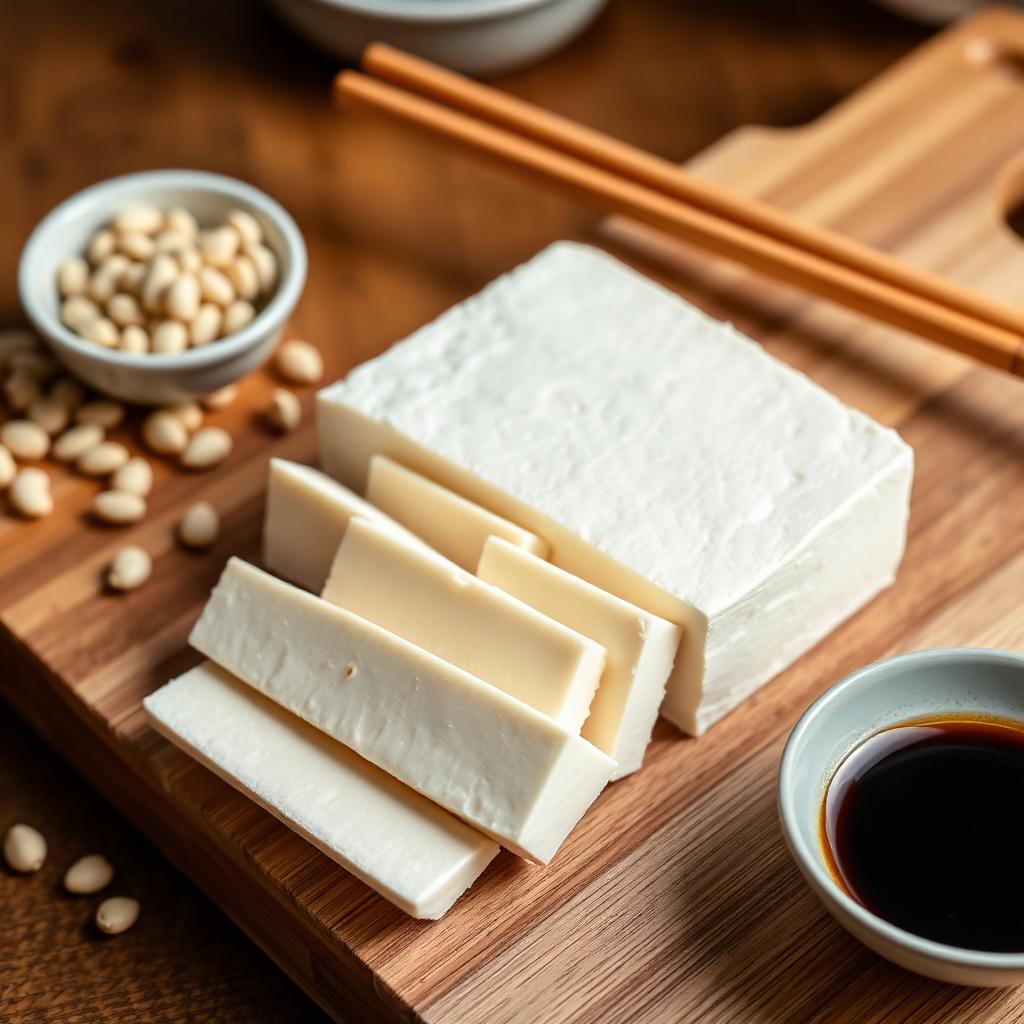
Hufu (human tofu) was a viral 2005 novelty product joking about a plant based meat substitute that tasted like human flesh, plus the real nutrition of the soy based food it was built on.

The cotton ball diet is an extreme and dangerous disordered eating practice tied to fashion industry pressure, plus the real medical consequences (bezoars, bowel obstruction, chemical poisoning) and where to get help.
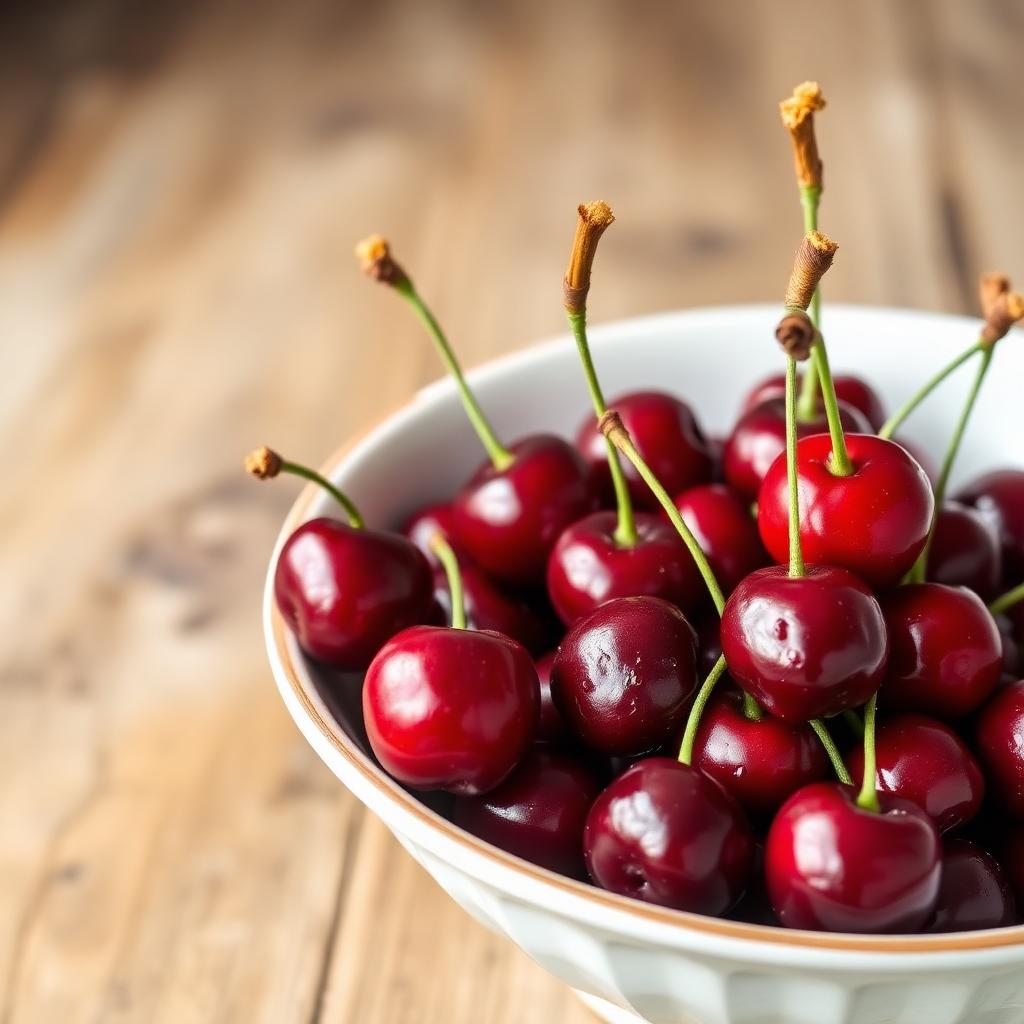
Calories, fiber, vitamin C, and the anthocyanin load in a cup of fresh sweet cherries, plus how sweet, tart, and dried versions compare gram for gram.
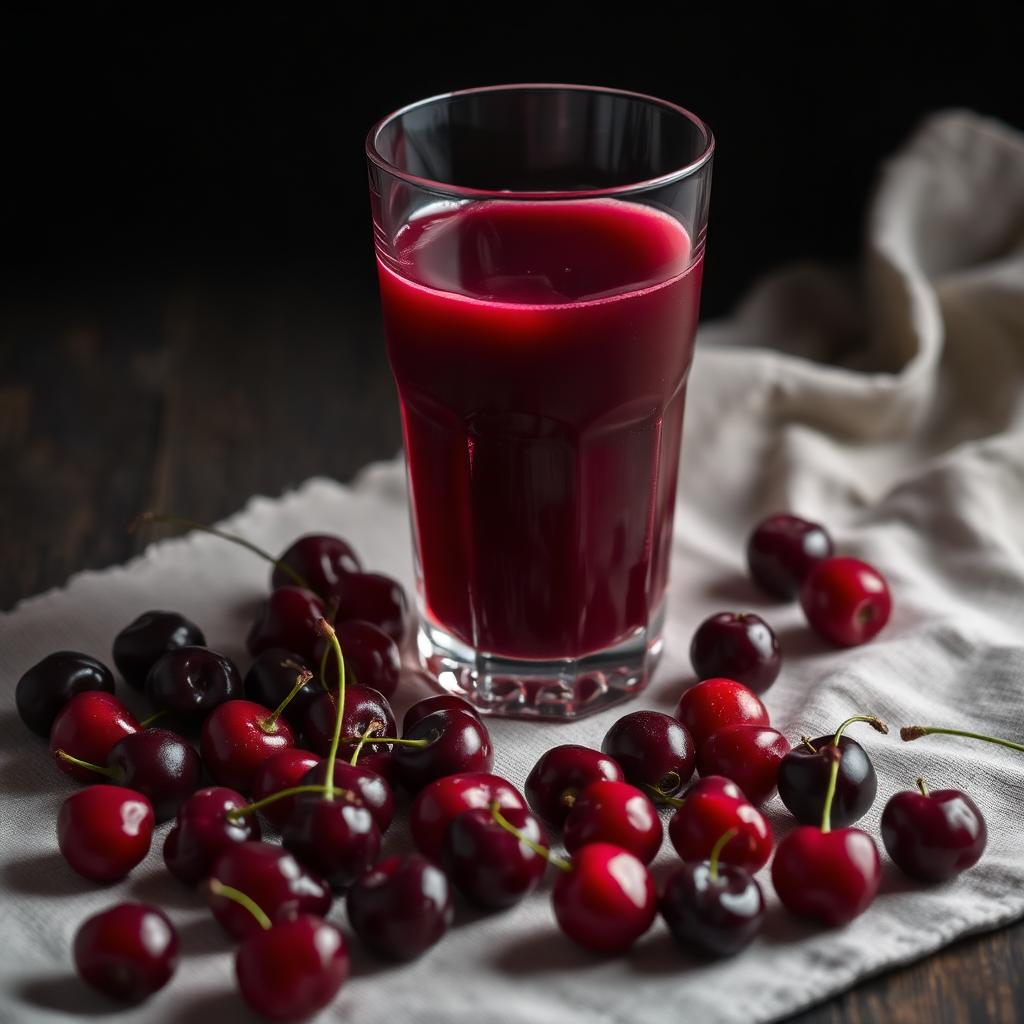
Beyond the nutrition label: what published research actually says about cherries for sleep, muscle recovery, gout, blood pressure, and brain health.
A plain English look at Tradesman Nutrition, the supplement brand built for people who work physically demanding jobs, and how its lineup compares to mainstream fitness brands.
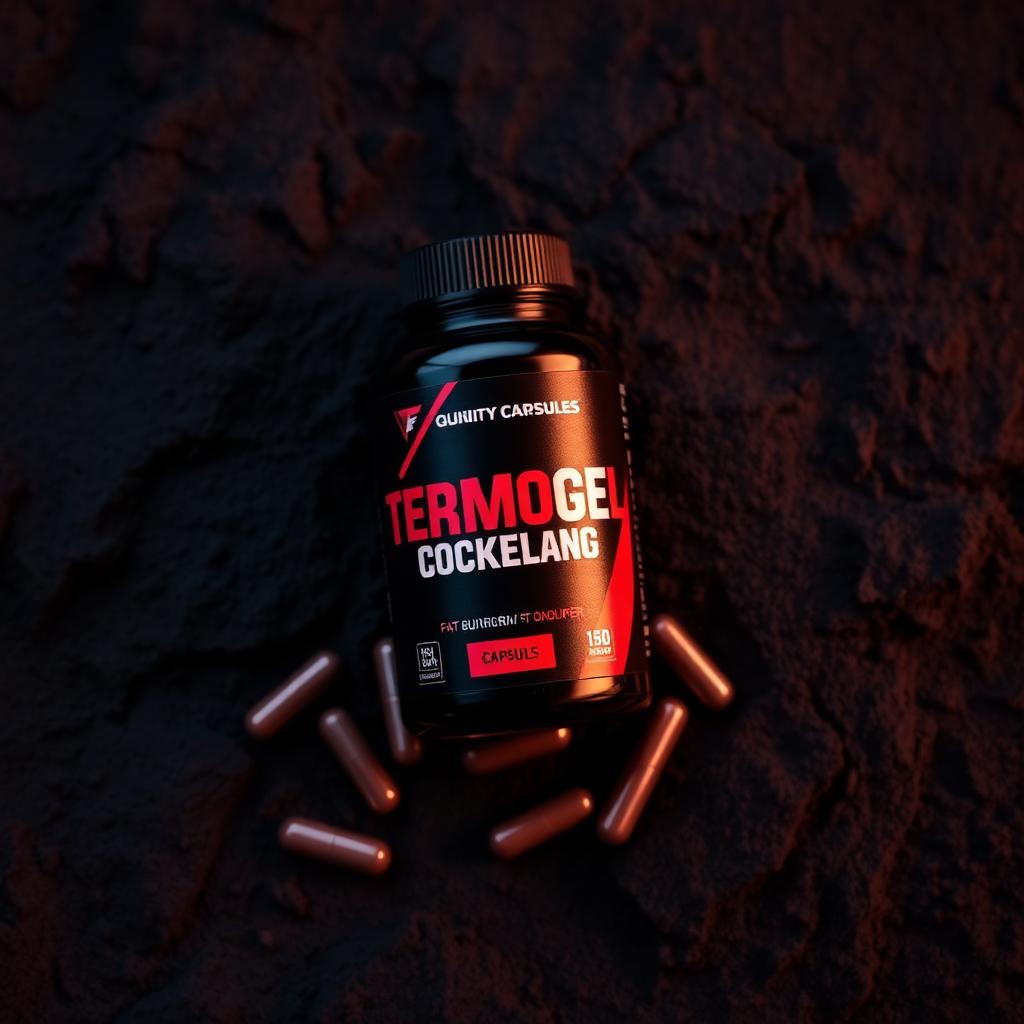
A plain English look at what is actually in Tradesman Nutrition Shred, how it works, who it suits, and the realistic results you can expect from a thermogenic fat burner.
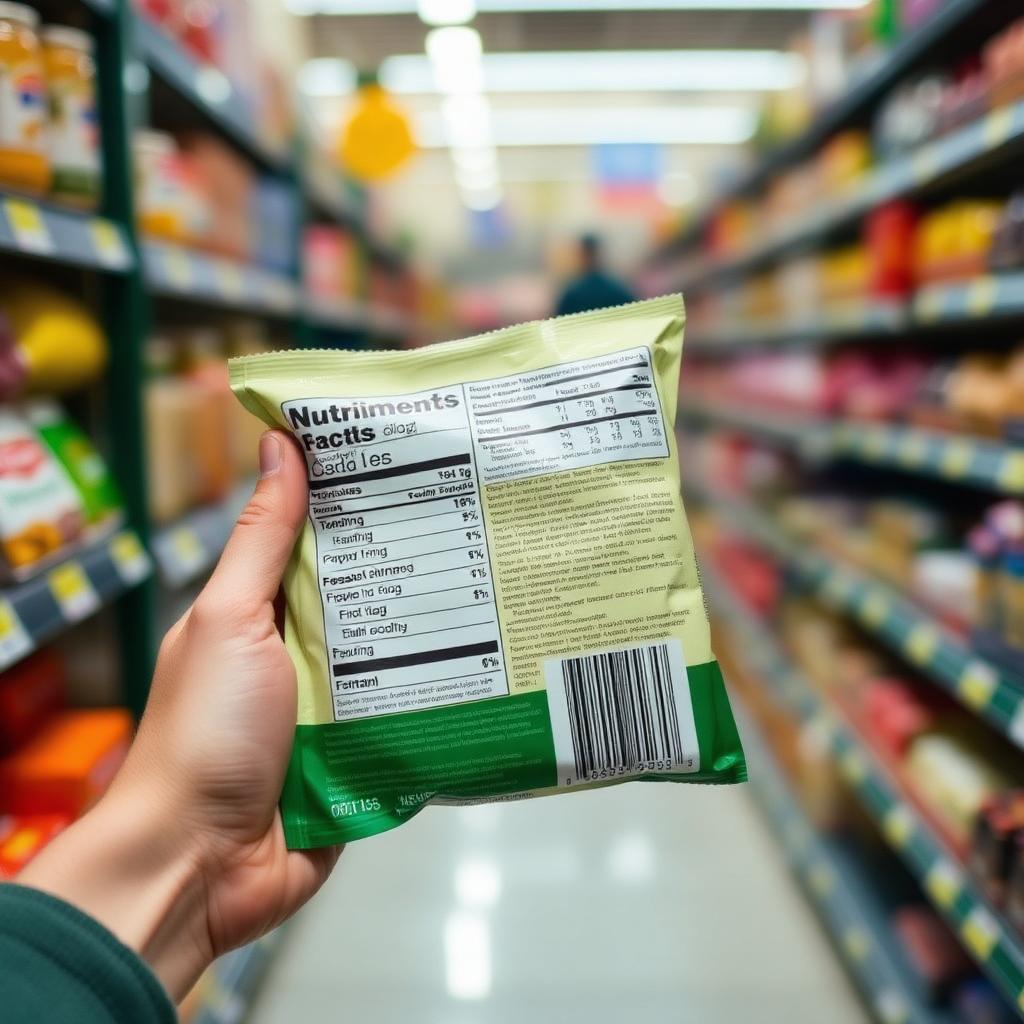
A practical, four step framework for reading the Nutrition Facts panel like a registered dietitian, including the 5/20 rule, serving size traps, and the added sugar line that matters most.

The myth that corn passes through with no nutrition is wrong. Here is what a cup of corn actually delivers, what the outer hull is really doing, and how popcorn, cornmeal, and HFCS compare.

A side by side look at sourdough vs white bread on calories, fiber, glycemic index, mineral absorption, and what fermentation actually changes in your slice.
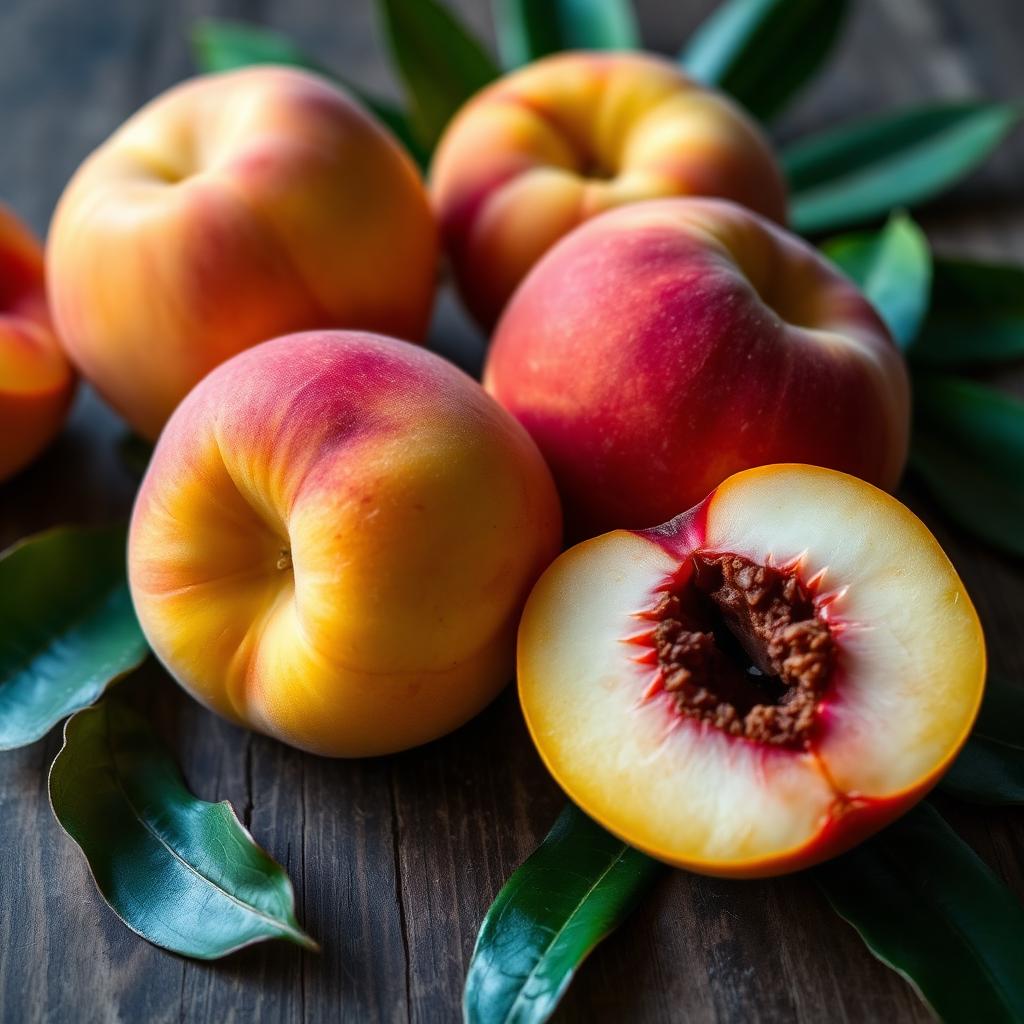
Calories, fiber, vitamins, and the polyphenols in a medium peach, plus how the skin, the ripeness, and the canning syrup change the numbers.
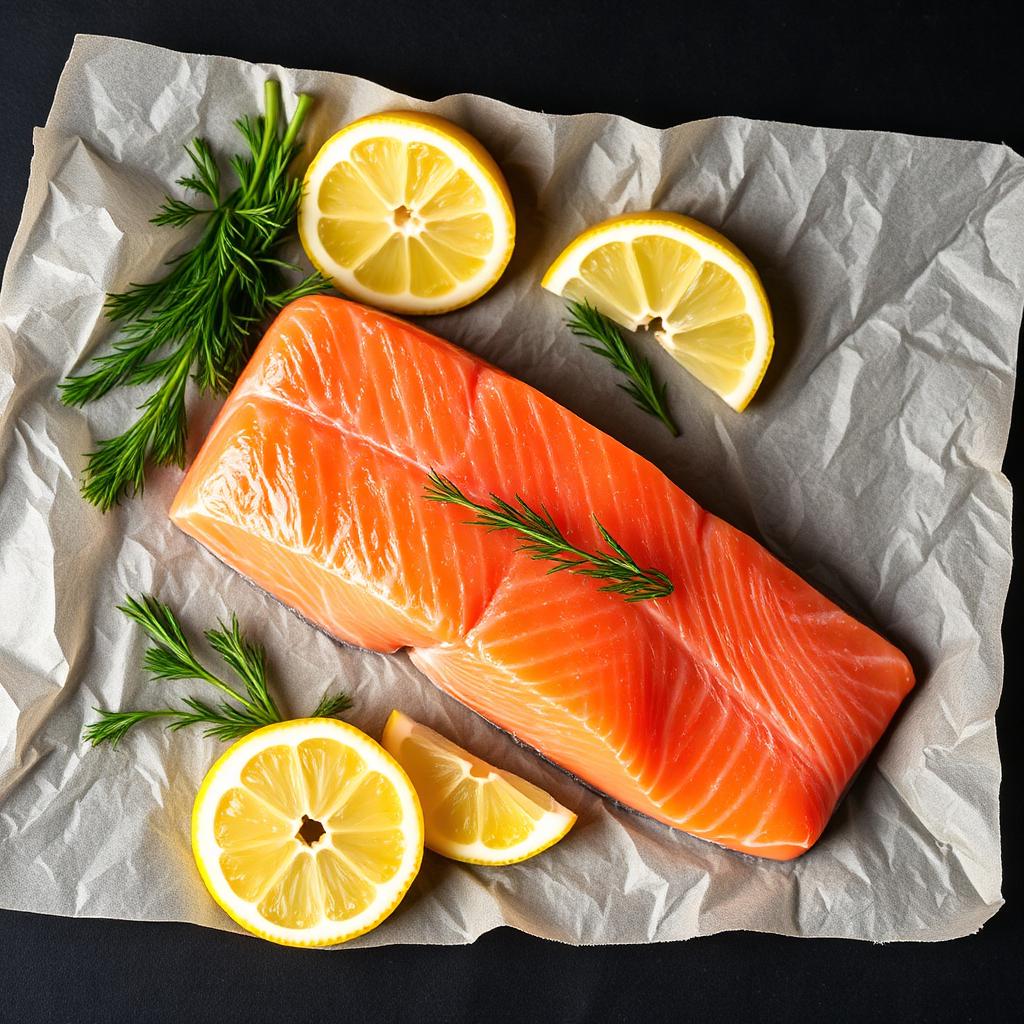
Calories, protein, and the EPA and DHA load in a 3 ounce cooked serving, plus how wild versus farmed salmon really compare on the plate.

Calories, carbs, potassium, and the resistant starch that makes a green banana behave differently from a ripe one inside your body.
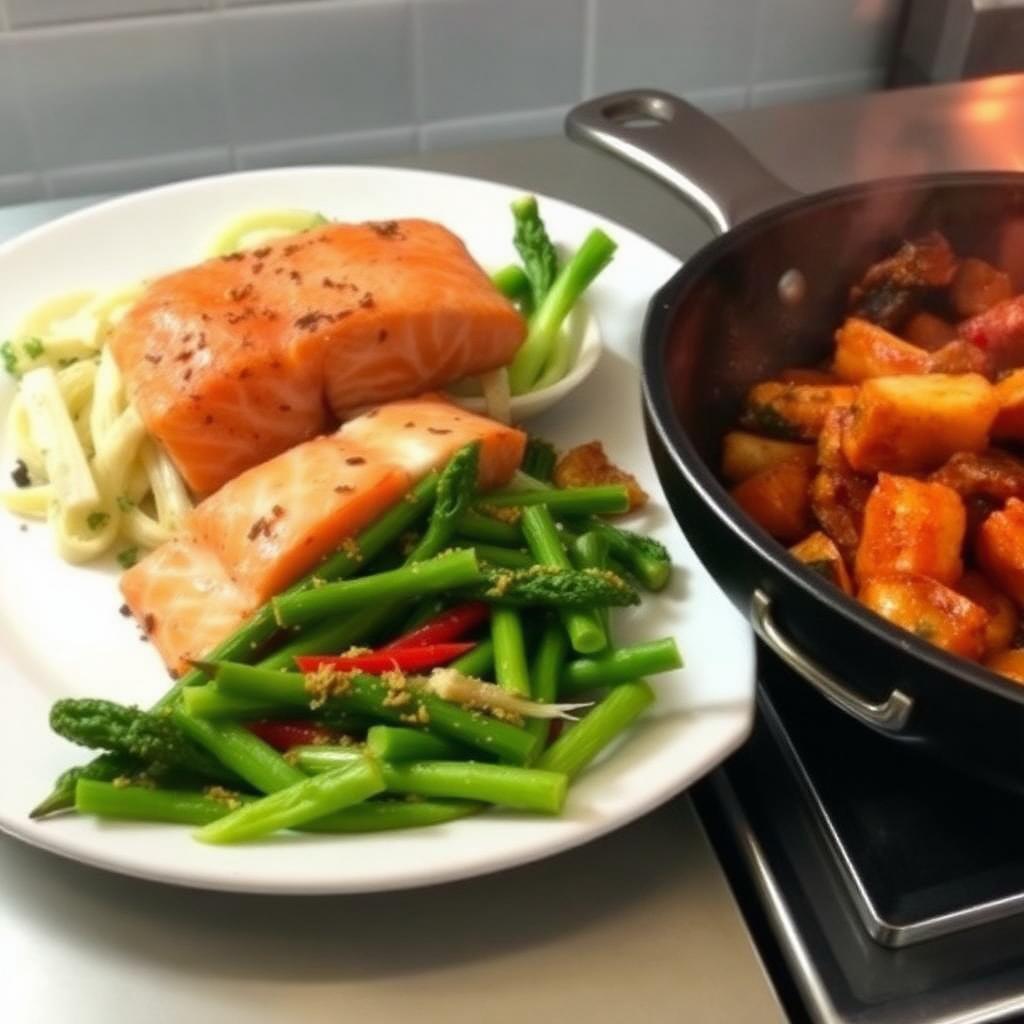
High heat plus oxygen turns dietary cholesterol into Cholesterol Oxidation Products (COPs), which damage artery walls. Steaming and poaching produce the lowest COP load; deep frying produces the highest.
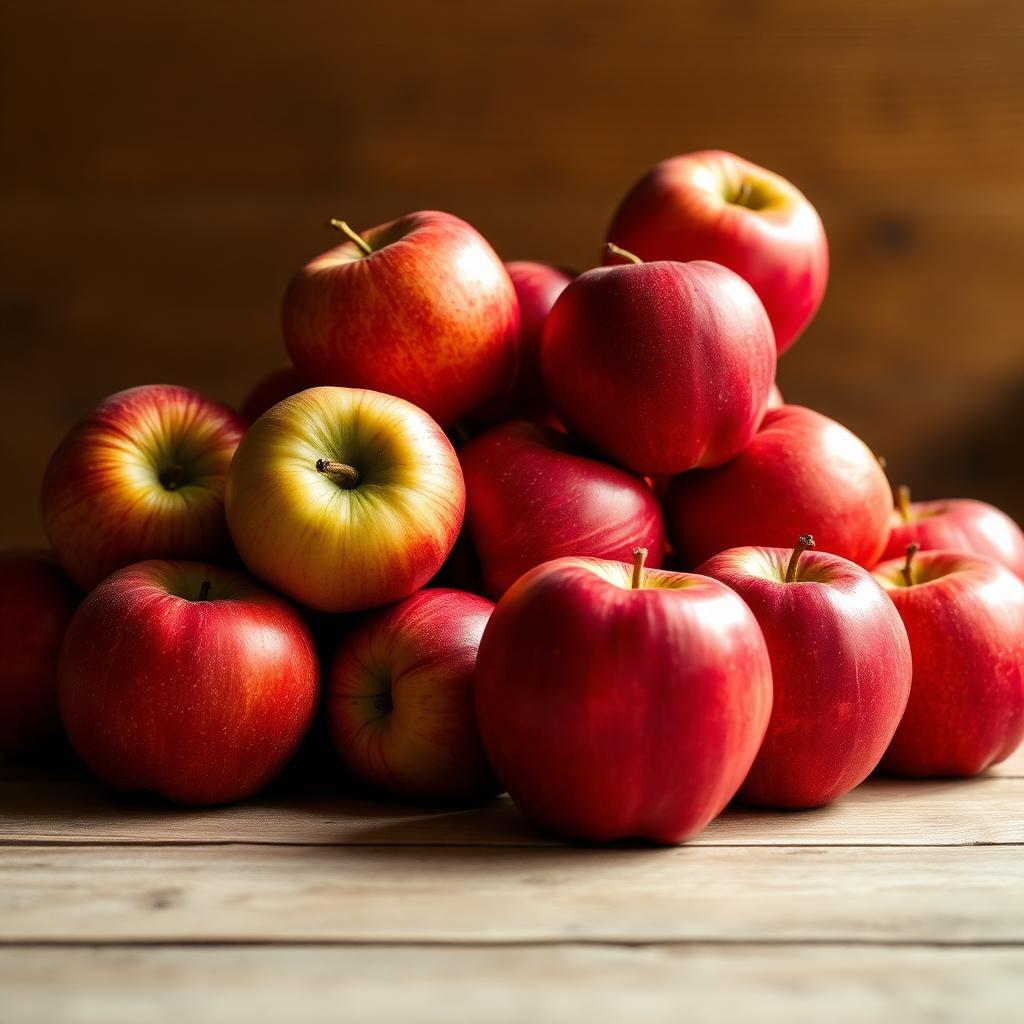
Yes. Two whole apples a day lowered LDL cholesterol by 4 percent in a 2020 trial. The mechanism is pectin binding bile acids and polyphenols preventing LDL oxidation. Whole apples only; juice does the opposite.
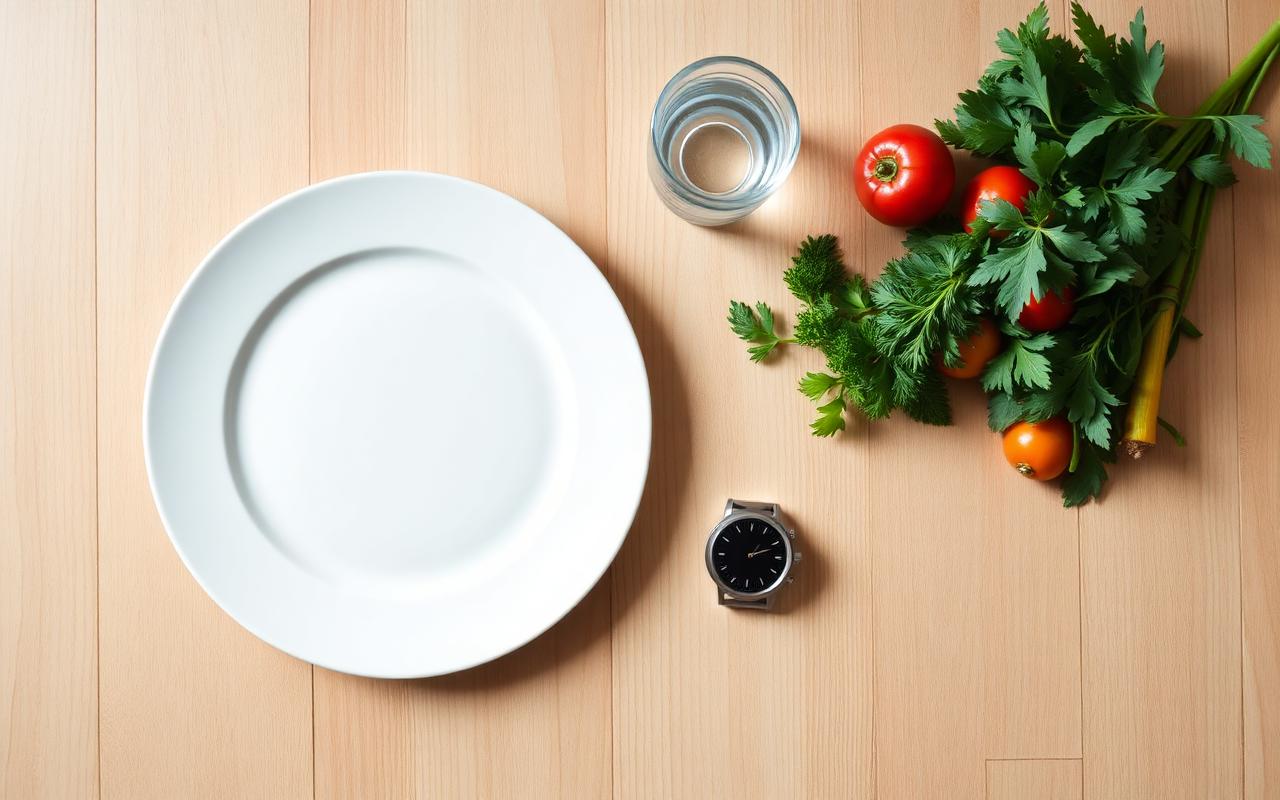
I break down what the research actually says about intermittent fasting, who it works for, who should avoid it, and how to start safely without wrecking your energy, sleep, or hormones.
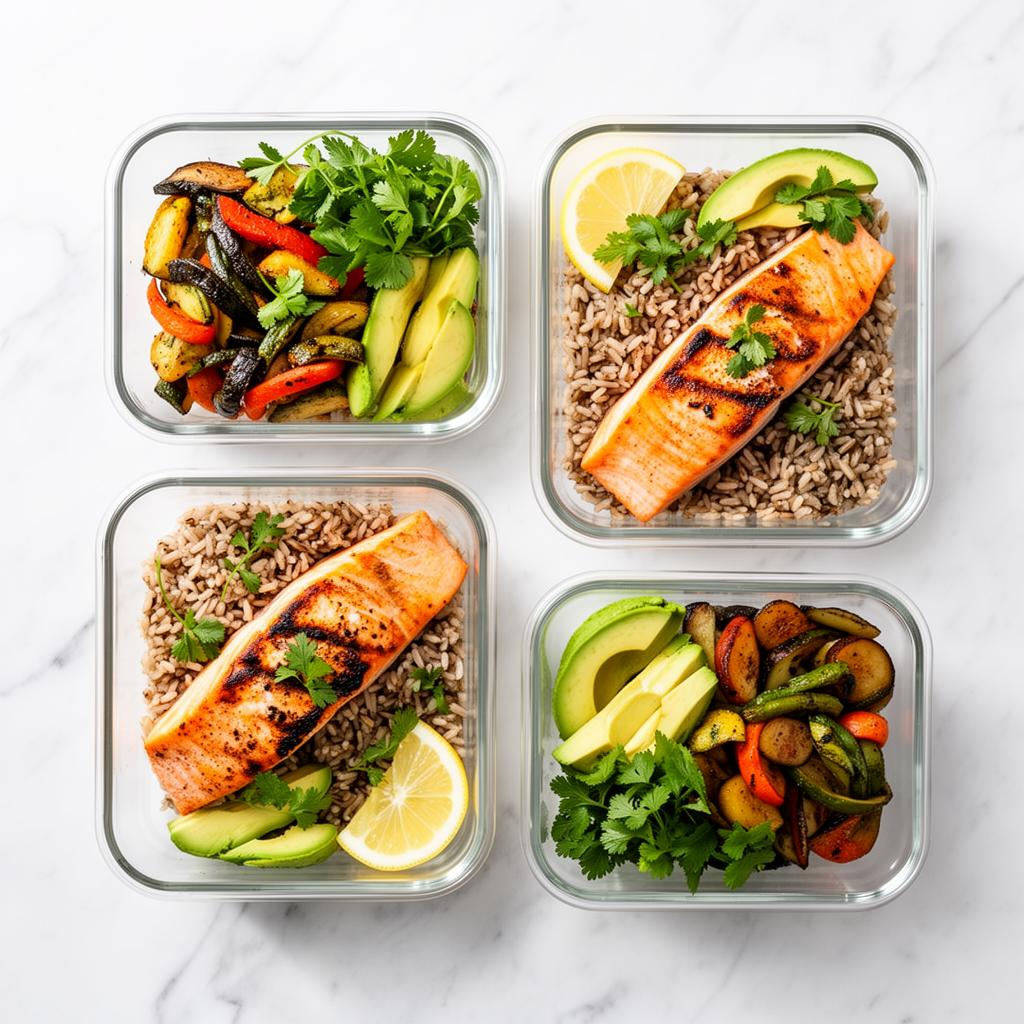
A free TDEE Calculator that turns your weight, height, age and activity level into a daily calorie budget using the Mifflin-St Jeor equation.

I built a free Protein Intake Calculator that scales daily grams to your weight, activity and goal using ISSN guidelines, plus tables, FAQ and methodology.

A BMR Calculator using the Mifflin-St Jeor equation to show your resting calorie burn and total daily needs across five activity levels.
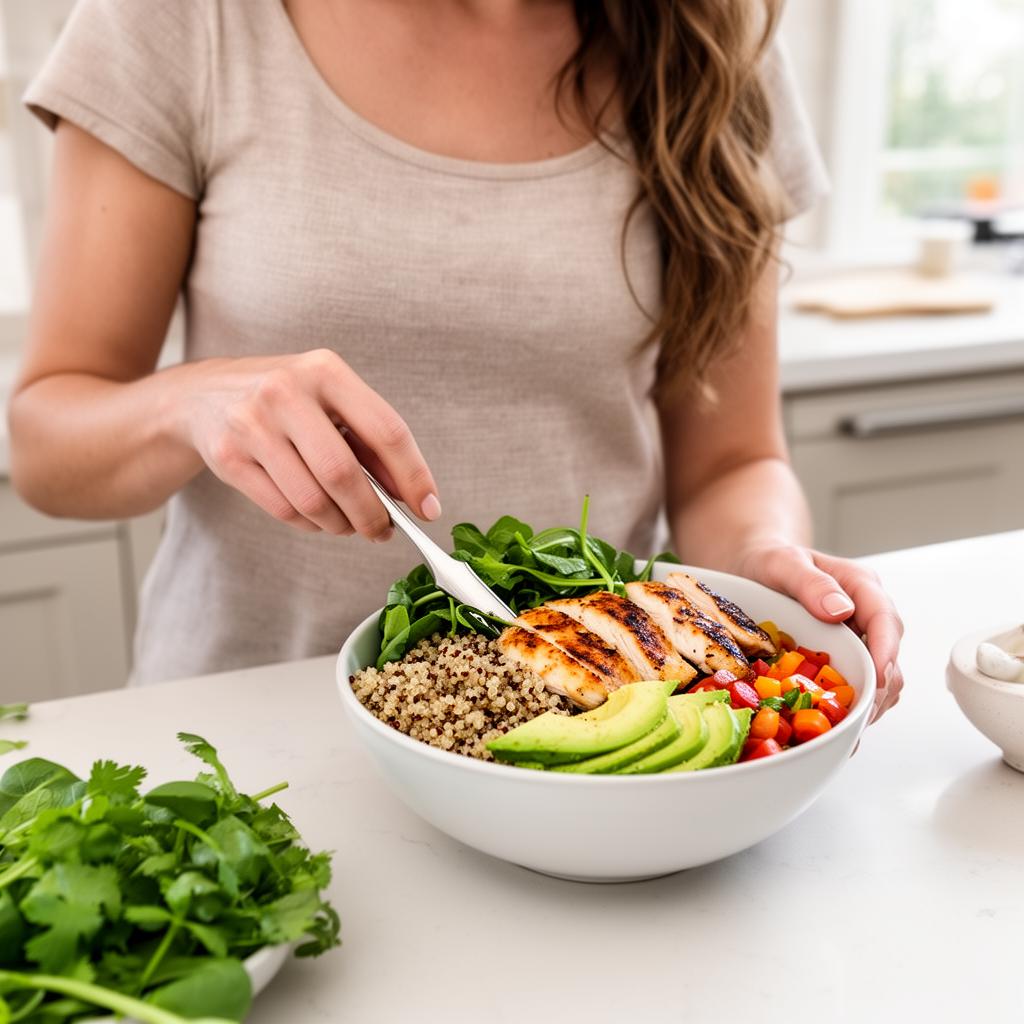
I built a Calorie Calculator using the Mifflin-St Jeor equation to give you maintenance, fat-loss and muscle-gain targets, with an activity table and FAQ.

I built a protein-first Macro Split Calculator that turns your stats into exact daily grams of protein, carbs and fats, with an activity table and FAQ.