Quick Answer
Enter your weight, activity level and goal in the calculator below to see your daily protein target in grams.
Most adults land between 1.2 and 2.2 grams per kg of body weight. Sedentary minimum is 0.8 g/kg, fat-loss and muscle-gain phases push toward the upper end.
Total daily intake matters more than timing. Spread it across 4 to 6 meals of 20 to 40 g for steady muscle protein synthesis.
Protein Intake Calculator
ISSN-based grams per day, tuned for your goal.
Calculate your optimal daily protein using your weight, activity, and training goal.
Why protein needs a real number
Protein is the only macronutrient your body cannot store for later. You need a continuous supply to repair tissue, build enzymes and protect lean mass.
Generic advice like "eat more protein" misses the mark. The right number depends on your weight, training load and whether you are cutting, maintaining or building.
Protein targets by goal
| Goal | Target (g per kg) | Why |
|---|---|---|
| Sedentary baseline | 0.8 to 1.0 | Prevents deficiency, not optimised for performance. |
| Endurance athlete | 1.2 to 1.4 | Repairs tissue damage from long cardio sessions. |
| Muscle maintenance | 1.4 to 1.6 | Holds lean mass at maintenance calories. |
| Build muscle (hypertrophy) | 1.6 to 2.2 | Maximal raw material for new tissue growth. |
| Fat loss (calorie deficit) | 2.0 to 2.4 | Protects muscle from being burned for energy. |
How to spread protein across the day
One huge protein meal is not as effective as several moderate ones. Muscle protein synthesis (MPS) spikes for 3 to 4 hours after a feed of 20 to 40 g, then settles back.
| Meals per day | Per-meal target | Best for |
|---|---|---|
| 3 meals | 40 to 50 g | Busy schedule, fewer eating windows |
| 4 meals | 30 to 40 g | Most adults, balanced default |
| 5 to 6 meals | 20 to 30 g | Hard training and muscle gain phases |
The "anabolic window" is mostly a myth. Hitting your daily total is what moves the needle.
Quality: animal vs plant protein
- Animal sources: whey, eggs, dairy, fish and meat are complete proteins with high leucine and bioavailability.
- Plant sources: beans, lentils, tofu, oats and rice are often lower in one or two essential amino acids.
- Vegan adjustment: mix sources (rice plus beans, soy plus oats) and aim for roughly 10 percent higher total intake.
Protein and fat loss
Protein is the most satiating macronutrient and has a high thermic effect (your body burns 20 to 30 percent of the calories during digestion).
In a calorie deficit, raising protein to 30 percent of total intake protects muscle and reduces hunger, which is why fat-loss targets sit at the top of the range.
Frequently asked questions
How much protein should I eat a day?
Sedentary adults need around 0.8 g/kg, recreationally active adults 1.2 to 1.6 g/kg, and athletes or people in a fat-loss phase 1.6 to 2.4 g/kg. The calculator above gives a personal number.
What is the best protein intake for weight loss?
1.6 to 2.2 g/kg. The higher protein protects muscle while you are in a deficit and keeps hunger lower.
How much protein do I need to build muscle?
1.6 to 2.2 g/kg combined with progressive resistance training and a small calorie surplus. Going above 2.2 g/kg gives diminishing returns.
Do women need different amounts than men?
The g per kg recommendations are the same. Total grams are usually lower because most women carry less body weight.
Is too much protein bad for the kidneys?
For healthy adults, intakes up to about 3 g/kg are well tolerated in the research. Anyone with existing kidney disease should follow medical advice and restrict intake.
Can my body absorb more than 30 g at once?
Yes. The "30 g cap" is a myth. Larger meals digest over a longer window. 20 to 40 g is the sweet spot for spiking MPS, but bigger meals are not wasted.
Does timing around workouts matter?
Slightly. Eating protein within 1 to 2 hours of training is solid practice, but the daily total is the real driver.
Should I count raw or cooked weight?
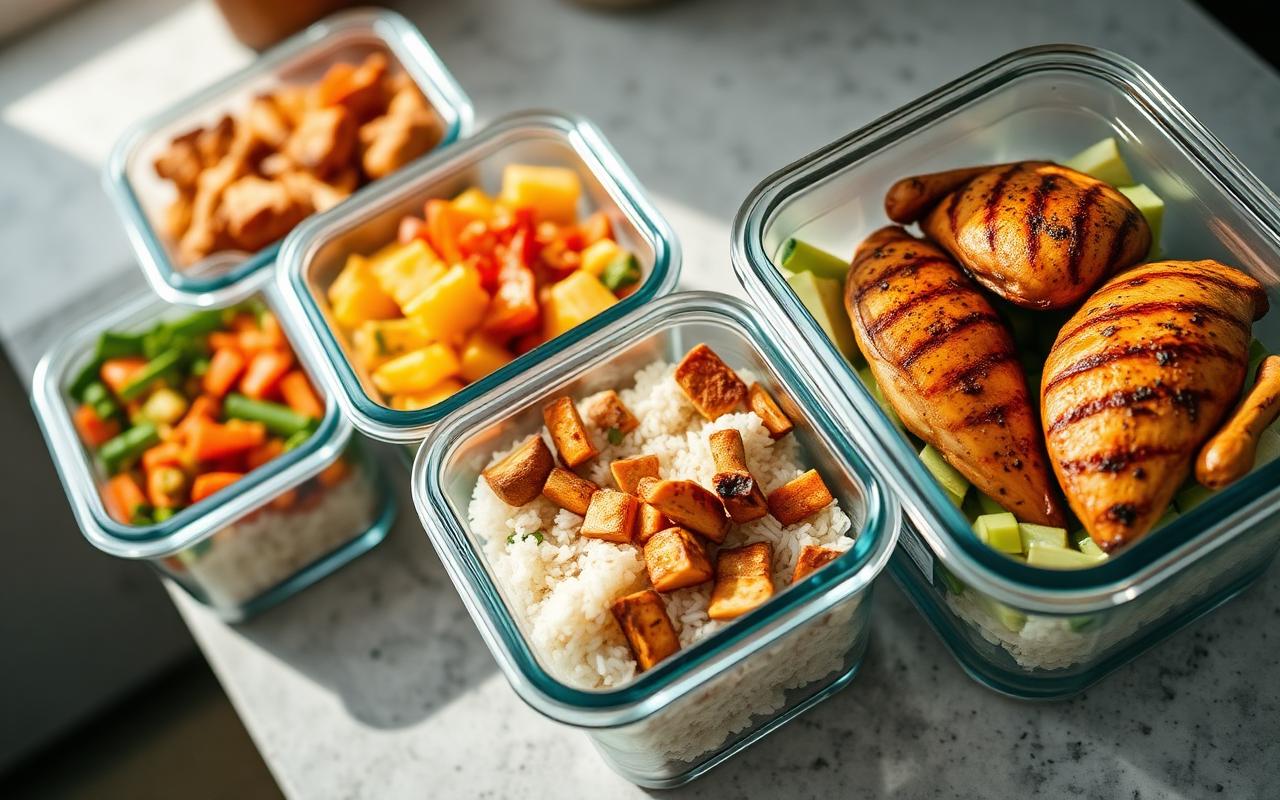
Use raw weight when possible. 100 g of raw chicken is roughly 23 g of protein, while 100 g of cooked chicken is closer to 31 g because water has cooked off.
Do I need protein powder?
No. Whey or plant powder is convenience, not a requirement. If you can hit your number with whole foods, that is always the better option.
Formula and methodology
- Base multiplier: activity level (sedentary 1.0 to athlete 1.8 g/kg).
- Goal adjustment: maintenance ×1.0, fat loss ×1.05, muscle gain ×1.1.
- Cap: total multiplier limited to 2.2 g/kg.
- Body fat input: if provided, the formula switches to lean body mass × 1.1 to avoid overshooting for higher body fat.
- Per-meal range: 20 percent to 35 percent of daily total, bounded between 20 g and 50 g.
Enhance your nutrition strategy
Protein is one piece of the puzzle. Pair it with these tools to round out the plan:
- Calorie Calculator for your TDEE so protein fits inside total energy.
- Macro Split Calculator to balance carbs and fats once protein is locked in.
- Water Intake Calculator for the extra hydration high-protein diets need.
- BMI Calculator to keep weight goals inside a healthy range.
Medical disclaimer
This calculator and article are for general educational and wellness purposes only. They are not a substitute for professional medical advice, diagnosis or treatment. Results are estimates based on population formulas and do not account for every individual factor.
If you are pregnant or breastfeeding, under 18, over 65, an athlete, recovering from illness or surgery, or living with a chronic condition (diabetes, heart, kidney, thyroid, eating disorder), speak to a qualified healthcare professional before changing your diet, exercise or hydration habits based on these numbers.
See the full site-wide Disclaimer & Notice for the complete terms that apply to every calculator and tool on dmbio.