
Who Makes Genesis Cars?
Genesis is the luxury division of Hyundai Motor Group, launched as a standalone brand in 2015 and built primarily in Ulsan, South Korea.
The hidden histories and manufacturing stories behind the brands you use.
Genesis is the luxury division of Hyundai Motor Group, launched as a standalone brand in 2015 and built primarily in Ulsan, South Korea.
Acura is the luxury division of Honda Motor Company, launched in 1986 and produced mainly at Honda plants in Marysville, Ohio and East Liberty, Ohio.
Infiniti is the luxury vehicle division of Nissan Motor Company, launched in November 1989. Cars are built in Japan, the US (Tennessee) and Mexico.
Lexus is made by Toyota Motor Corporation. The luxury brand launched in 1989 and is built at Toyota plants in Japan, Kentucky and Ontario.
Mazda is made by Mazda Motor Corporation, an independent Japanese automaker headquartered in Hiroshima. Toyota holds a small minority stake of about 5 percent.
Range Rover is made by Jaguar Land Rover (JLR), a British automaker owned by Tata Motors of India since 2008. Vehicles are built primarily in Solihull, England.
Rivian is an independent American electric vehicle manufacturer founded in 2009 by RJ Scaringe. Vehicles are built at Rivian's own plant in Normal, Illinois.
Lucid cars are made by Lucid Motors Inc. of Newark, California. The Air sedan and Gravity SUV are built at Lucid AMP-1 in Casa Grande, Arizona.
Subaru is made by Subaru Corporation, formerly Fuji Heavy Industries. Toyota holds a minority stake and shares platforms on the Solterra and BRZ.
Kia is made by Kia Corporation, a South Korean automaker that is part of Hyundai Motor Group. Hyundai Motor Company owns about 33.9 percent of Kia.
Hyundai is made by Hyundai Motor Company, a South Korean automaker founded in 1967 and part of the Chung family Hyundai Motor Group along with Kia and Genesis.
Mini Cooper is made by BMW Group, which has owned the Mini brand since 2000. Cars are built primarily at BMW's Plant Oxford in Cowley, England.
Land Rover is made by Jaguar Land Rover (JLR), a British automotive manufacturer owned by Tata Motors of India since June 2008.
Cadillac is made by General Motors (GM). Cadillac has been GM's luxury division since GM acquired the brand in July 1909 for $4.5 million.
Jeep is made by Stellantis N.V., the multinational automaker formed in January 2021 by the merger of Fiat Chrysler Automobiles and Peugeot S.A. (PSA Group).
Charmin is made by Procter & Gamble at pulp and tissue mills in Mehoopany, Pennsylvania and Albany, Georgia. P&G has owned the brand since 1957.
Scott brand paper products are made by Kimberly-Clark Corporation of Irving, Texas. Kimberly-Clark acquired Scott Paper Company in a $9.4 billion deal in 1995.
Clorox bleach and wipes are made by The Clorox Company of Oakland, California, an independent US public company traded on the NYSE as CLX.
Lysol is made by Reckitt Benckiser Group plc, the British consumer health company headquartered in Slough, England. Lysol has been part of Reckitt since 1994.
Swiffer is a Procter & Gamble brand invented in 1999. The mops, dusters, WetJet cleaner and refill pads are all made and marketed by P&G.
Hefty trash bags are made by Reynolds Consumer Products, the Lake Forest, Illinois company that trades on the NASDAQ as REYN and also makes Reynolds Wrap foil.
Glad in the US and Canada is a Clorox / P&G joint venture. Clorox owns 80 percent and is the operating partner. Outside North America, Glad is licensed.
Purina Pro Plan is made by Nestle Purina PetCare, a division of Swiss food giant Nestle S.A. Pro Plan dry food is manufactured at Purina plants across the US.
Blue Buffalo pet food is made by Blue Buffalo Pet Products, a subsidiary of General Mills Inc. General Mills acquired Blue Buffalo in April 2018 for $8 billion.
Hill's Science Diet and Hill's Prescription Diet are made by Hill's Pet Nutrition, a subsidiary of Colgate-Palmolive. Colgate acquired Hill's in 1976.
Iams and Eukanuba dog food are made by Mars Petcare, the pet care arm of privately held Mars Incorporated. Mars bought Iams from Procter & Gamble in 2014.
Kong dog toys are made by The Kong Company of Golden, Colorado, a privately held family owned company founded in 1976 by Joe Markham.
Nike shoes are designed by Nike, Inc. of Beaverton, Oregon and manufactured by contract factories in Vietnam, Indonesia, China, Thailand and India.
Lululemon apparel is designed in Vancouver, Canada and manufactured by contract factories in Vietnam, Sri Lanka, Bangladesh, Cambodia and China.
Carhartt is made by Carhartt, Inc., a privately held, family owned company headquartered in Dearborn, Michigan and founded in 1889 by Hamilton Carhartt.
Under Armour is made by Under Armour, Inc. of Baltimore, Maryland. Kevin Plank founded the company in 1996 while a University of Maryland football player.
Vans shoes are made by Vans, a subsidiary of VF Corporation. VF bought Vans in 2004 and produces the shoes in Asian contract factories.
Columbia Sportswear is made by Columbia Sportswear Company of Portland, Oregon, a public company founded in 1938 and still controlled by the Boyle family.
The North Face is made by VF Corporation of Denver, Colorado. VF acquired the brand in 2000 and manufactures it in Asian contract factories.
Tylenol is made by Kenvue Inc., the consumer health company that spun off from Johnson & Johnson in August 2023 and now owns McNeil Consumer Healthcare.
Advil is made by Haleon plc, the consumer healthcare company that spun off from GSK in July 2022. Manufacturing runs in the US, Puerto Rico and Ireland.
Tums is made by Haleon plc, the consumer healthcare company that inherited the brand from GSK in the 2022 demerger. Tums is manufactured in St. Louis, Missouri.
Zyrtec is made by Kenvue Inc. in the United States and by UCB S.A. elsewhere. Cetirizine was discovered by UCB researchers in Belgium in the 1980s.
Claritin is made by Bayer Consumer Health, the consumer arm of the German pharmaceutical company Bayer AG. The brand was acquired from Merck in 2014.
NyQuil is made by Procter & Gamble under its Vicks brand. The formula was created in the 1960s by Richardson-Merrell, which Procter & Gamble acquired in 1985.
Mucinex is made by Reckitt Benckiser Group plc. Reckitt bought the brand from Adams Respiratory Therapeutics in 2007 for around 2.3 billion dollars.
Pepto Bismol is made by Procter & Gamble. The brand has been continuously produced since 1901 and P&G acquired it from Norwich Pharmacal in 1982.
Monster Energy is made by Monster Beverage Corporation of Corona, California. Coca-Cola has been the exclusive global distributor since 2015.
Red Bull is made by Red Bull GmbH, a private Austrian company. Every can is produced by Rauch Fruchtsafte in Austria and Switzerland.
Gatorade is made by PepsiCo, which acquired the brand as part of its $13.4 billion Quaker Oats acquisition in August 2001.
Fiji Water is made by Fiji Water Company, owned by The Wonderful Company (the Resnicks). It is bottled at source in Yaqara Valley, Fiji.
Liquid Death is made by Liquid Death Mountain Water Inc. of Los Angeles. Water is sourced from an Austrian Alps aquifer and canned in Austria and Virginia.
Celsius energy drinks are made by Celsius Holdings, Inc. of Boca Raton, Florida. PepsiCo has been the exclusive US distributor since August 2022.
La Croix is made by National Beverage Corporation of Fort Lauderdale, Florida, run by CEO Nick Caporella. The brand launched in Wisconsin in 1981.
Topo Chico is made by The Coca-Cola Company, which acquired the brand in October 2017 and still bottles it at source in Monterrey, Mexico.
BrewDog co-founder James Watt has unveiled a new beer company called Second Best just two months after BrewDog's pre-pack administration. I cover the launch plan, the free equity allocation for wiped-out Equity Punks, and the lean, cans-first operational model.
Red Lobster is closing its North Monroe Street restaurant in Tallahassee on May 24, 2026, ending 56 years of continuous service at the chain's oldest surviving location. I walk through what happened, why this site finally fell, and what the closure says about the wider casual dining contraction.
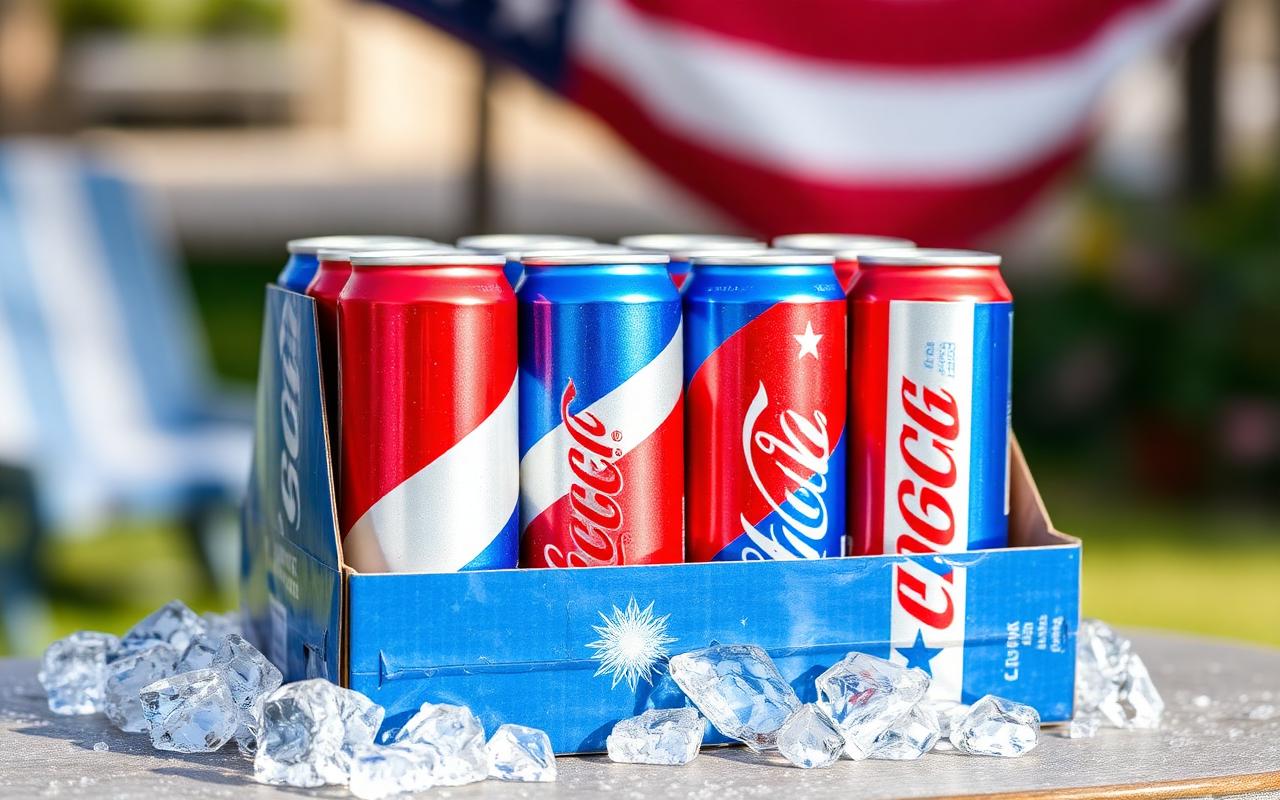
Mountain Dew White Out has officially returned for summer 2026 inside the new PepsiCo American Dew Variety Pack alongside Code Red and Voltage. I cover the history of the flavour, the strategy behind the bundle, and where the cans are showing up first.
Costco keeps its Kirkland Signature suppliers a guarded secret. I dig into the confirmed and rumored partners behind the $58 billion private label, from Duracell batteries to Starbucks roasted coffee.
Walmart's Great Value brand is not made in Walmart factories. I break down which national manufacturers (Conagra, Sara Lee, Marathon Cheese) actually fill...
Royal Canin is the pet food brand veterinarians prescribe most. I unpack the nutritional philosophy, the breed and life stage formulations, and the manufacturing process that justify the premium price tag.
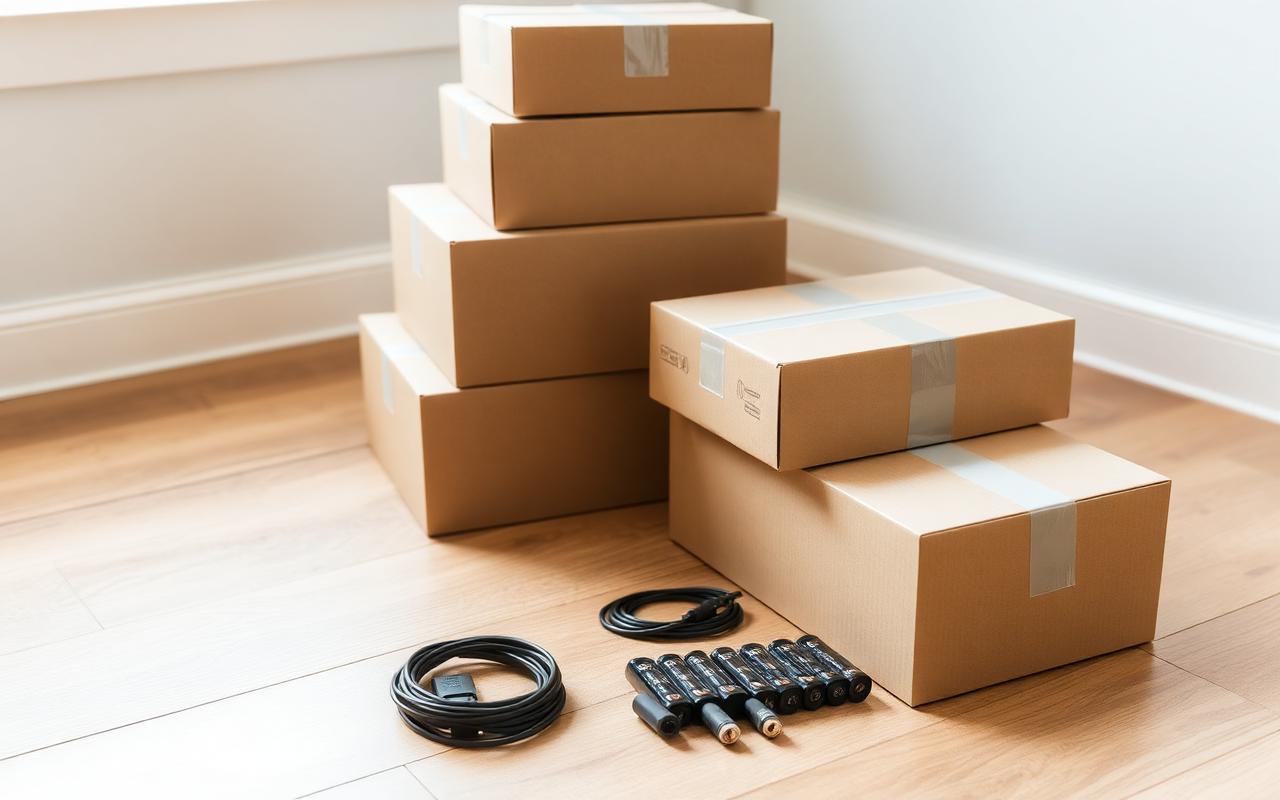
Amazon Basics is one of the largest private labels in retail, but Amazon does not manufacture any of it. I trace the OEM supply chain across Asia and unpack the seller data controversies that built the brand.
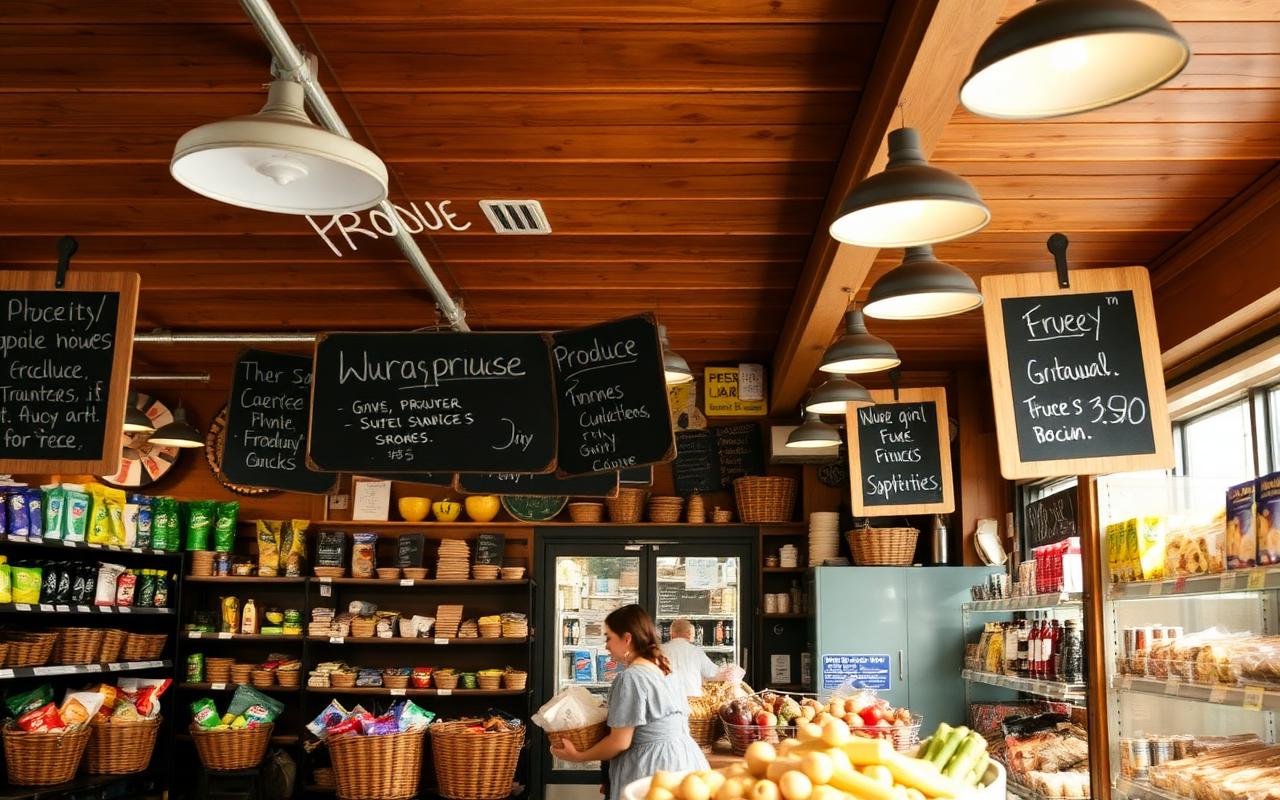
About 80 percent of what Trader Joe's sells is its own private label, but the suppliers are bound by strict non disclosure agreements. I unpack the reported...
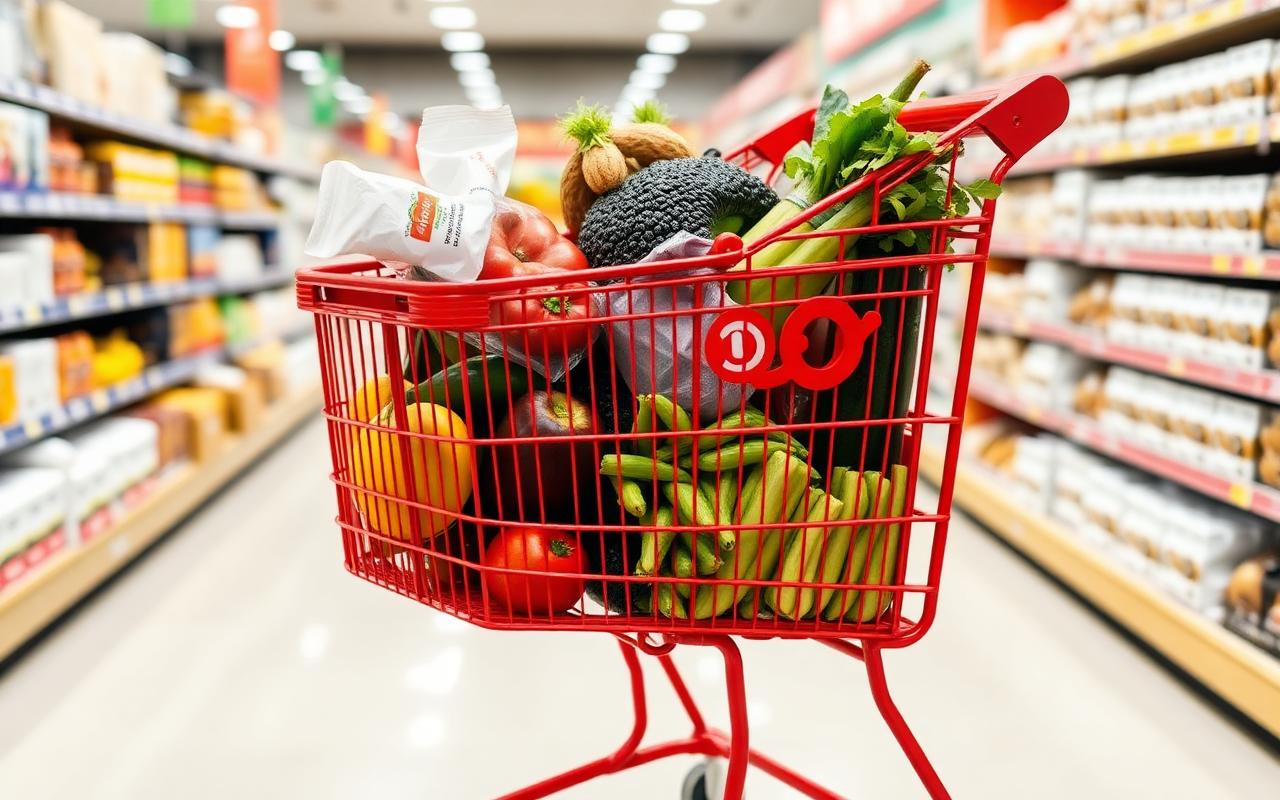
Target's Good & Gather has grown into a multi billion dollar grocery brand in just a few years. I cover the suppliers, the strategy that killed Archer...
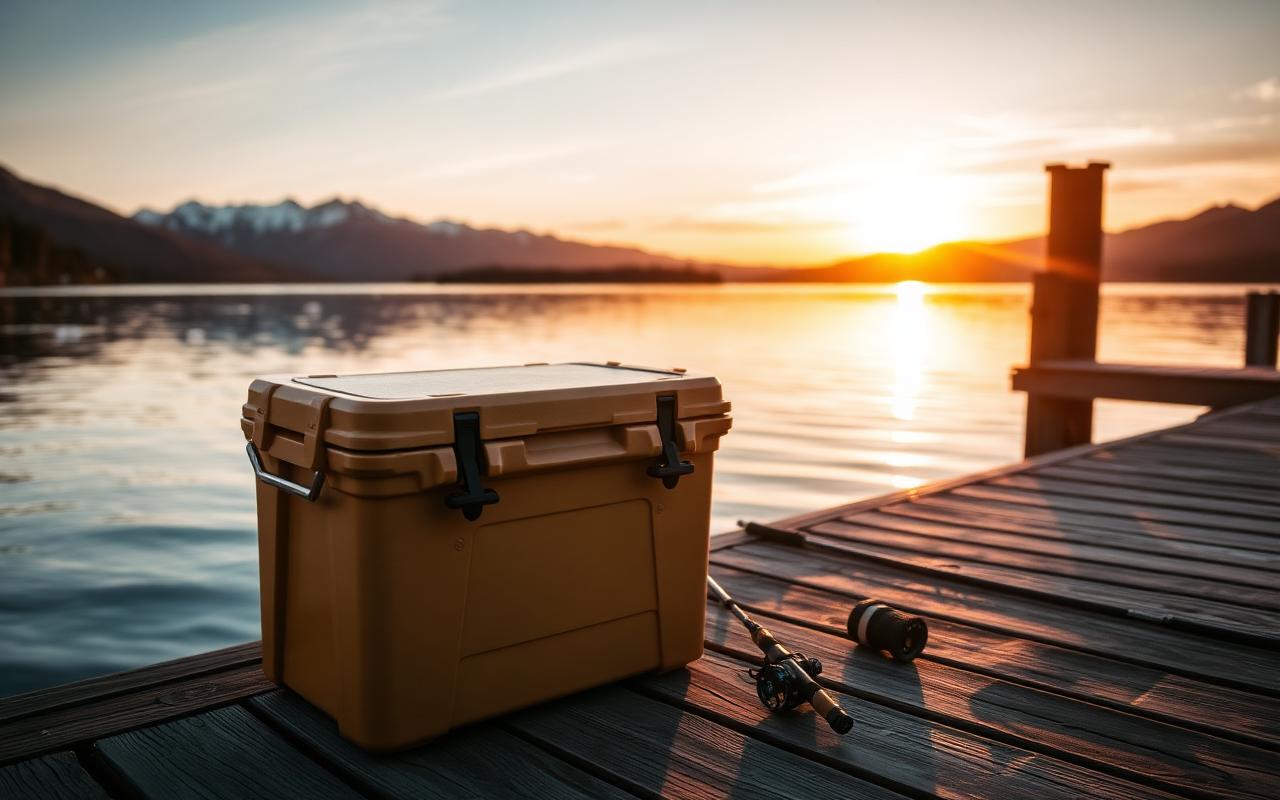
YETI coolers cost more than most people's first refrigerator. I break down the rotomolding manufacturing process, the PermaFrost foam insulation, and the...
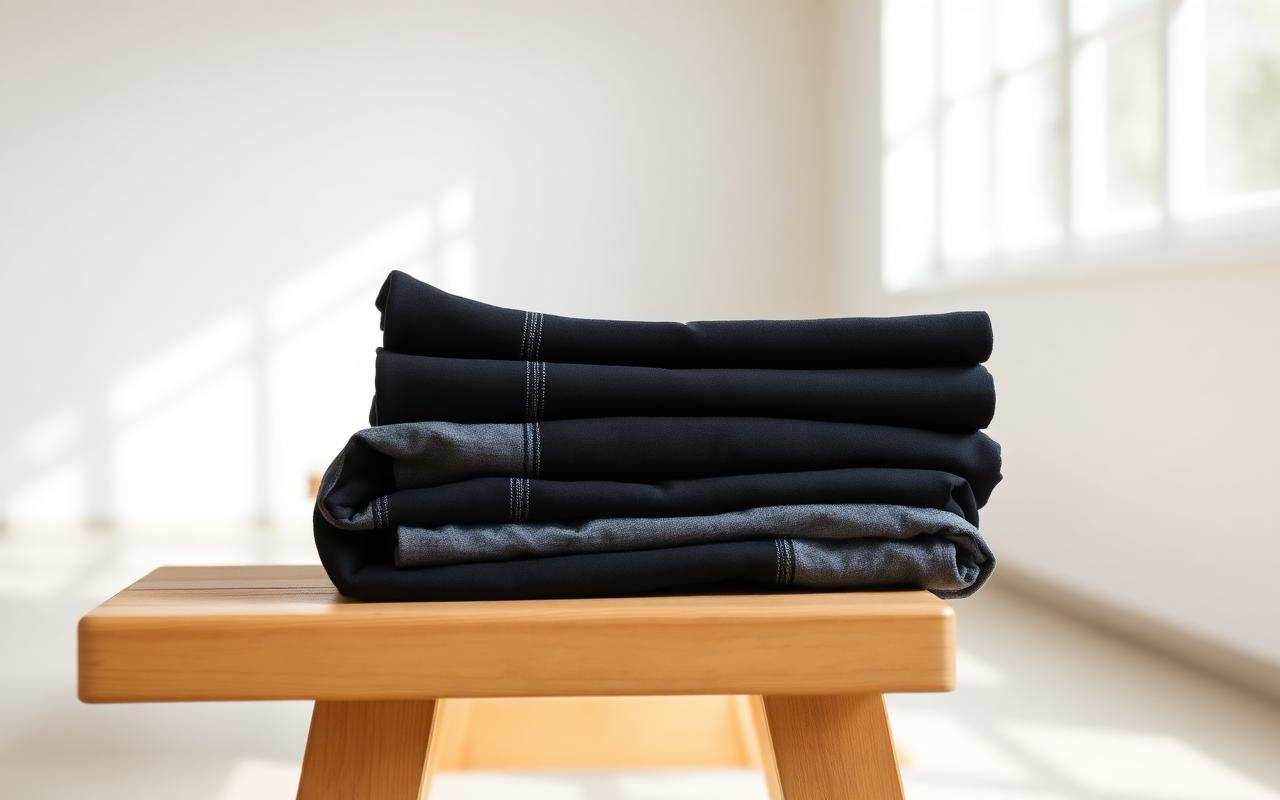
Lululemon's leggings cost $100 or more for a reason. I unpack the proprietary fabric formulas, what Nulu, Luon and Everlux actually do, and the Asian...
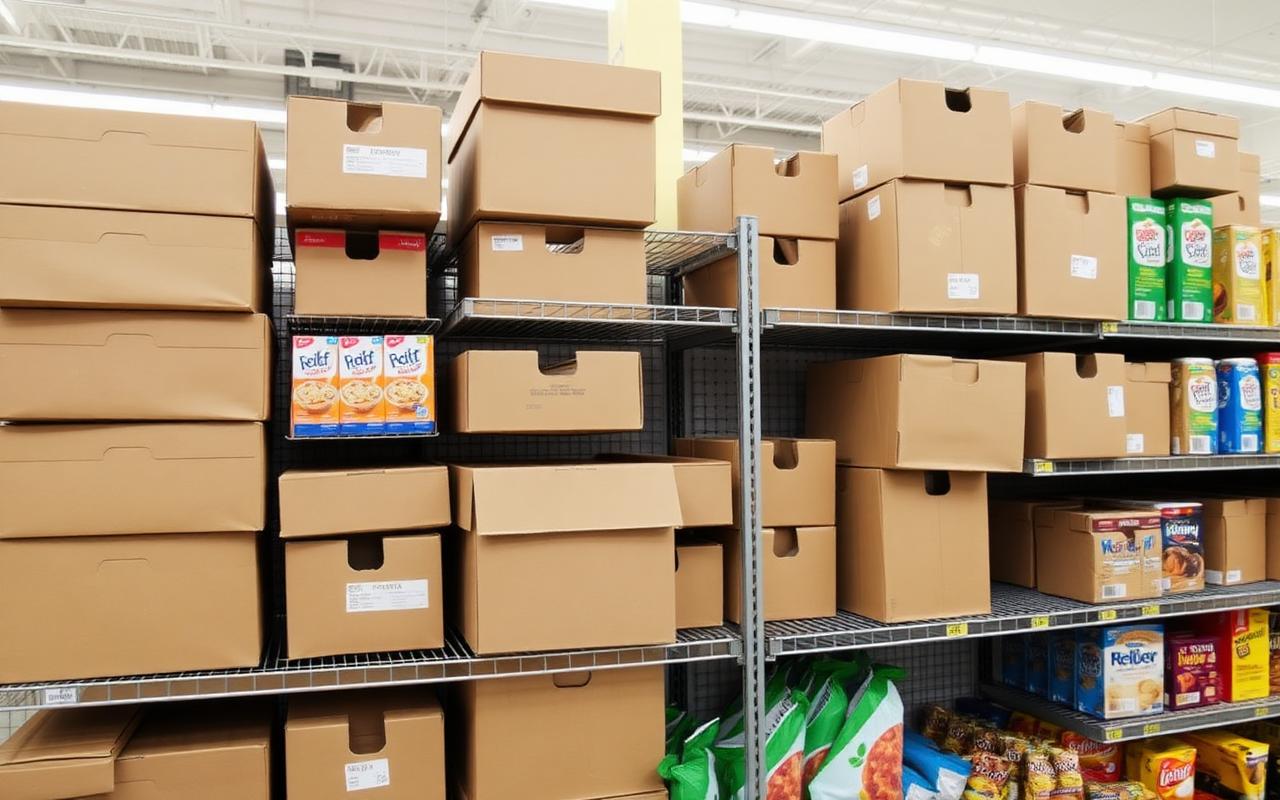
ALDI sells 90 percent private label. I break down which national manufacturers actually produce Millville cereal, Clancy's chips and Specially Selected, and...
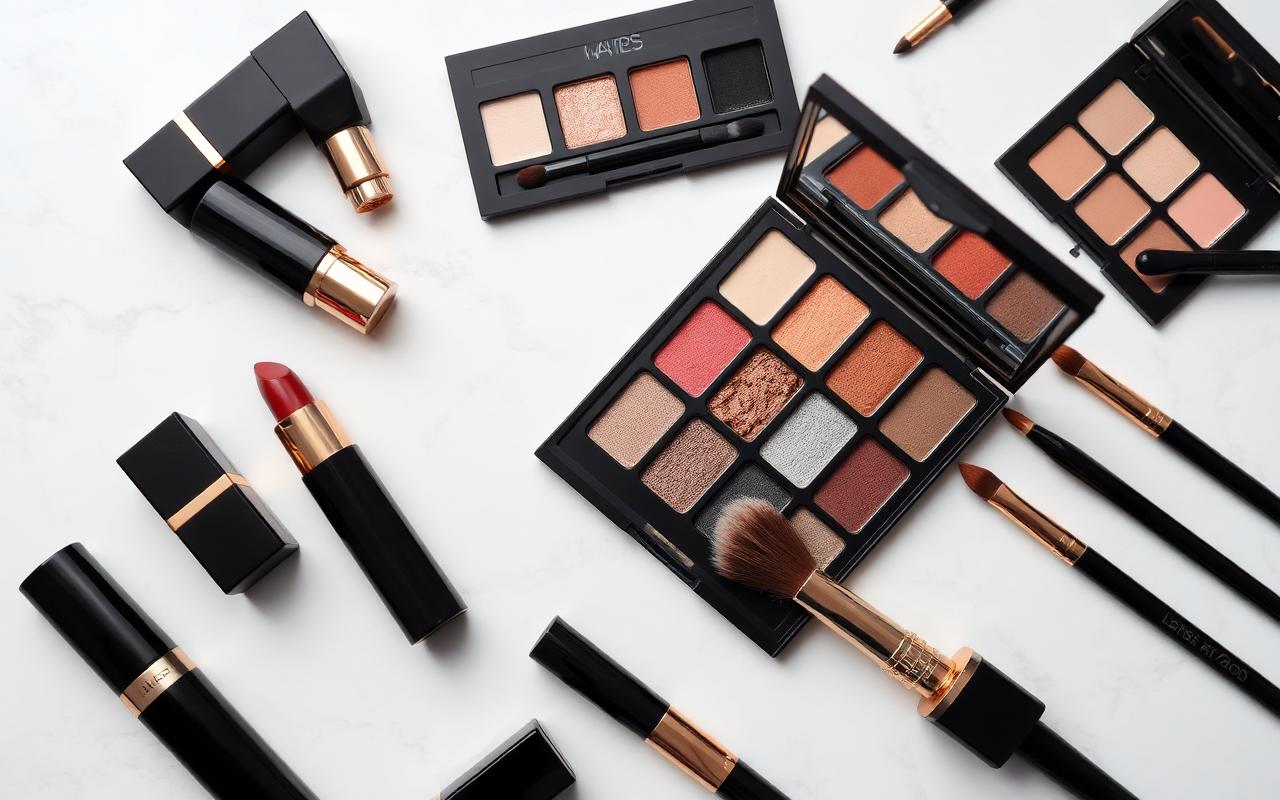
Sephora Collection is the affordable in house line from the biggest beauty retailer in the world. I unpack the LVMH connection, the Italian and French manufacturing labs, and how the formulas overlap with luxury brands.
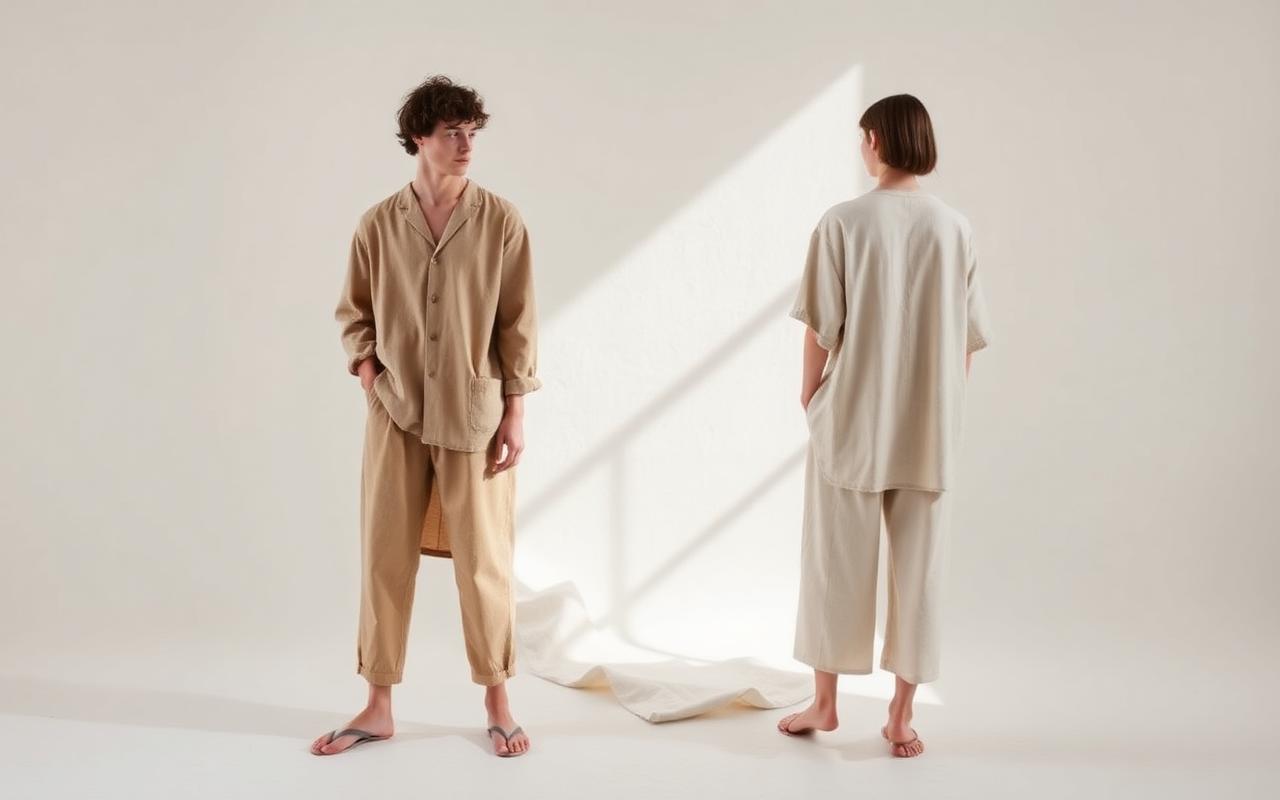
I unpack the reported Shein acquisition of Everlane in May 2026, the brand’s mounting debt, the future of its Radical Transparency promise, and how its Spring/Summer 2026 linen collection fits the year’s minimalist fashion trends.
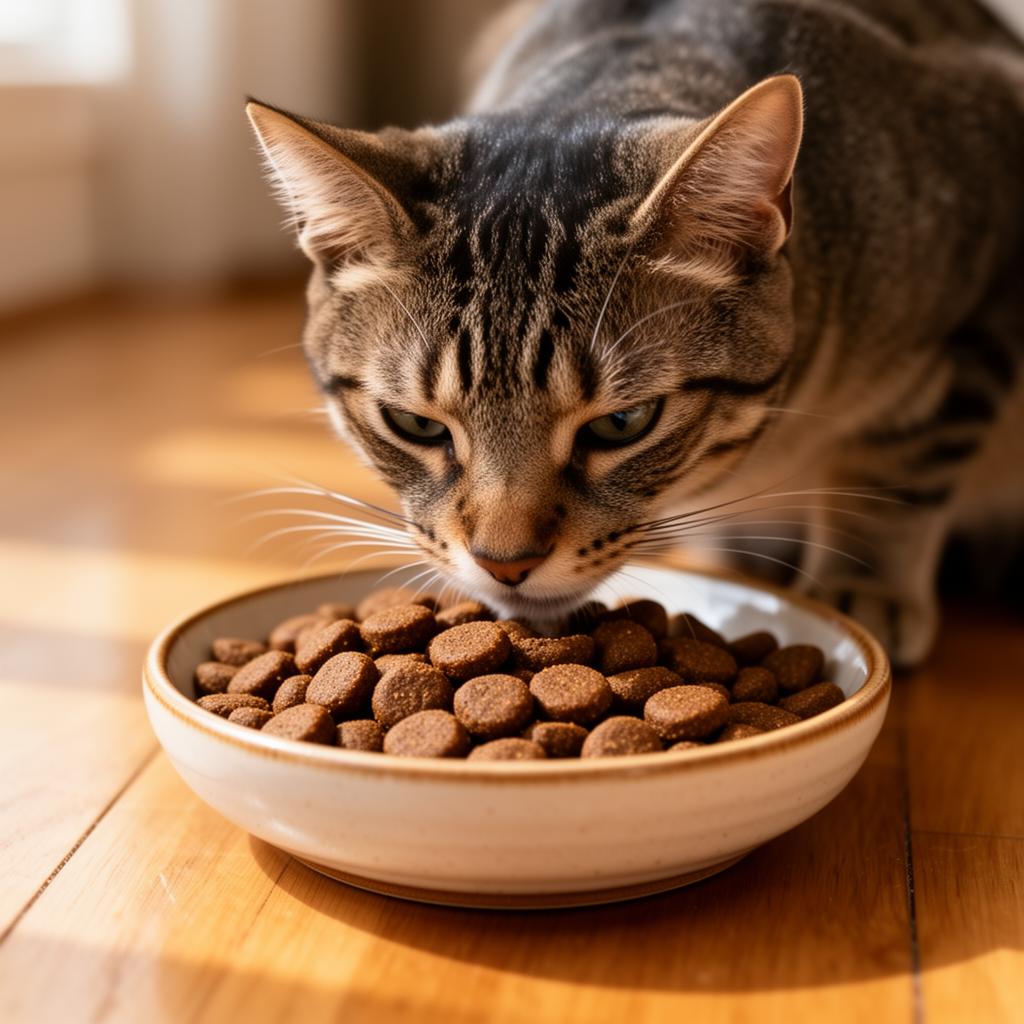
Orijen builds its cat food around a WholePrey philosophy with up to 90% animal ingredients. Here is the science of obligate carnivores and why it matters.
Target does not own a single Up&Up factory. Inside the white-label supply chain that quietly powers America's biggest store brands.