
Quick Answer
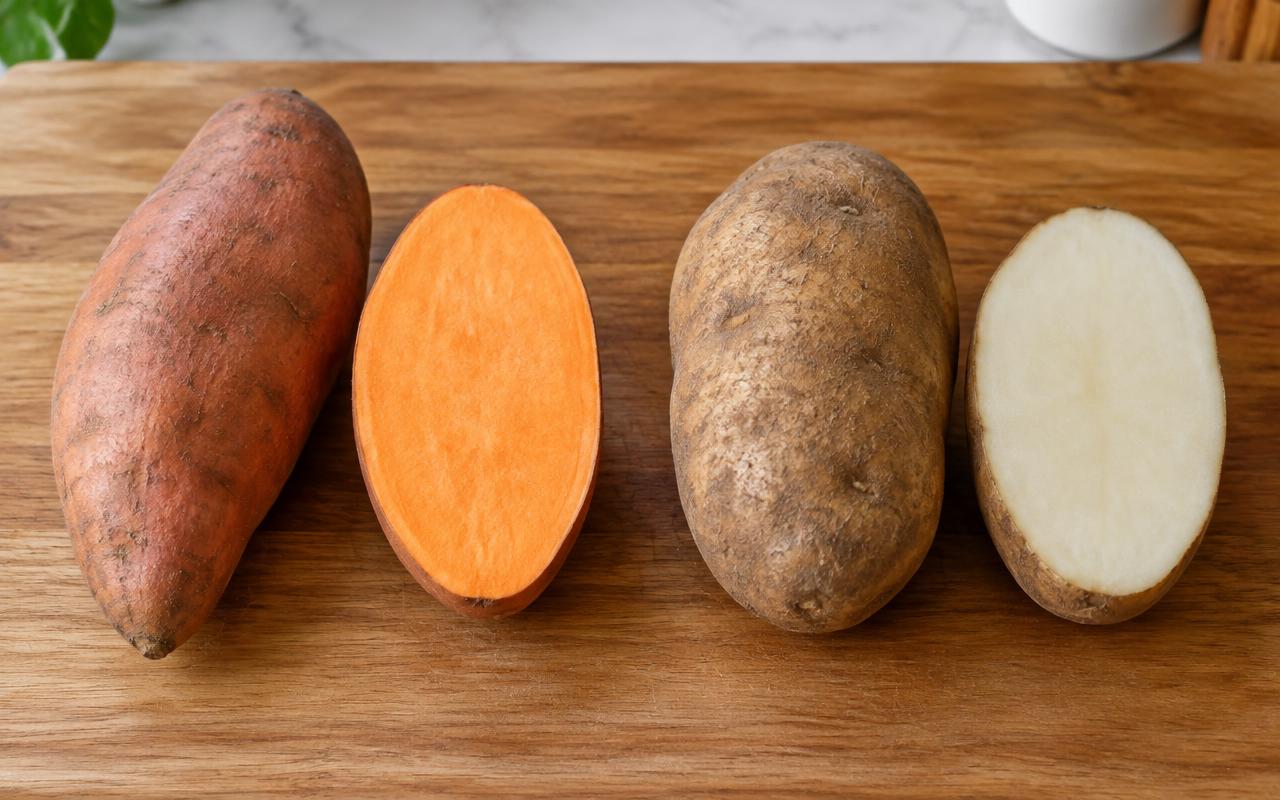
A sweet potato is not clearly healthier than a regular potato. They are both nutritious, and each wins in different areas.
Sweet potatoes are packed with vitamin A: one baked sweet potato provides more than a full day's worth. Regular white potatoes have more potassium and a bit more protein per potato.
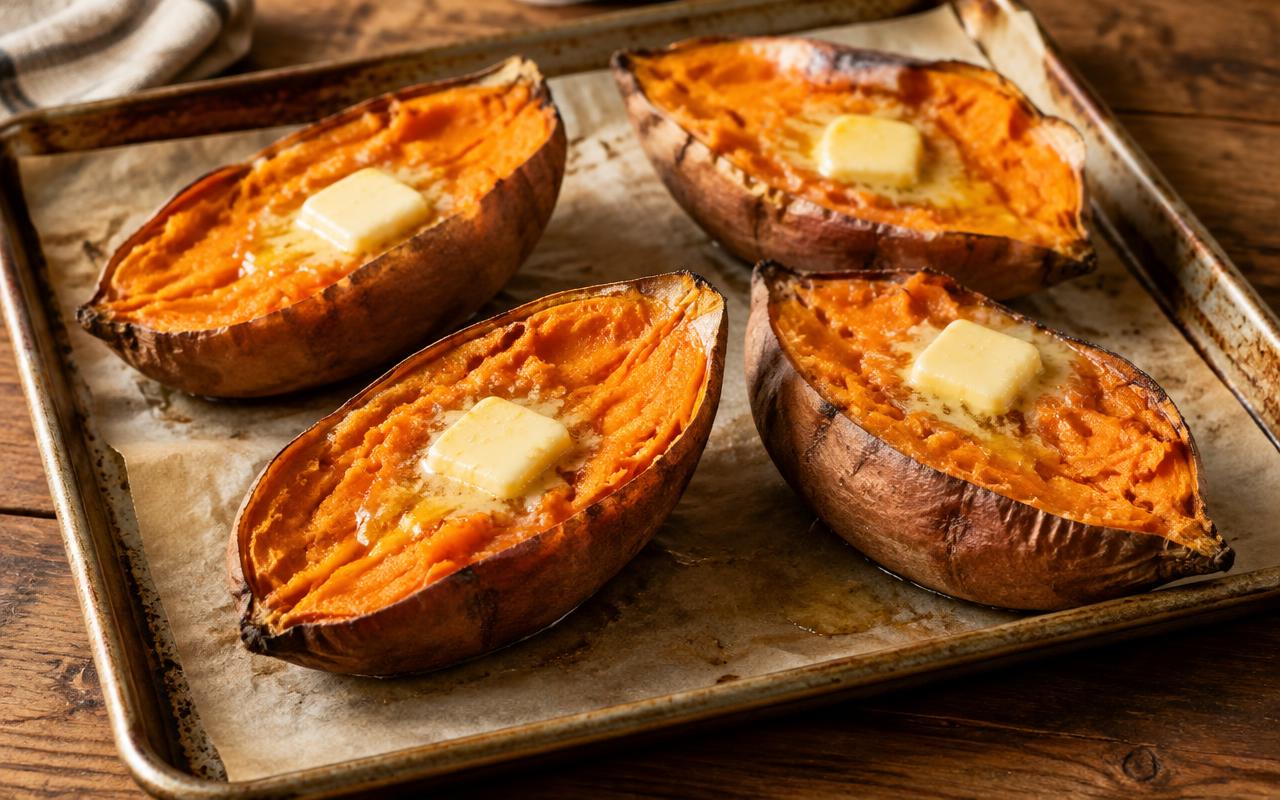
How you cook and top them matters more than which one you choose. A baked potato with skin beats sweet potato fries or a marshmallow covered casserole.
How Do Sweet Potatoes and White Potatoes Compare?
Approximate values for one medium baked potato, eaten with the skin:
- Calories: sweet potato about 100. White potato about 160, mostly because medium white potatoes are larger.
- Carbohydrates: sweet potato about 24 grams. White potato about 37 grams.
- Fiber: both about 4 grams.
- Protein: sweet potato about 2 grams. White potato about 4 grams.
- Vitamin A: sweet potato very high. White potato almost none.
- Potassium: white potato is one of the best sources around. Sweet potato has a good amount, but less.
- Vitamin C: both are good sources.
Gram for gram, the calorie and carb gap shrinks. Portion size explains much of the difference.
Why Are Sweet Potatoes So High in Vitamin A?
The orange color comes from beta carotene, which your body converts into vitamin A. The NIH Office of Dietary Supplements lists baked sweet potato among the richest food sources of vitamin A.
Vitamin A supports vision, the immune system and healthy skin. Eating sweet potato with a little fat, like olive oil or butter, helps your body absorb beta carotene.
Why Are White Potatoes Underrated?
White potatoes get a bad reputation because they are so often fried. On their own, they are a strong source of potassium, a mineral most Americans do not get enough of.
The NIH lists a baked potato with skin among the top food sources of potassium. Potassium helps regulate blood pressure and supports muscle and nerve function.
White potatoes are also among the most filling foods per calorie, which can help with appetite.
Which Is Better for Blood Sugar?
Both are starchy and raise blood sugar. Their glycemic effect depends heavily on variety and cooking method.
- Boiled sweet potatoes tend to have a lower glycemic impact than baked or roasted ones.
- Cooling cooked potatoes, like in potato salad, increases resistant starch, which digests more slowly.
- Eating potatoes with protein, fat and fiber slows the rise in blood sugar.
If you have diabetes, either can fit in a balanced meal. Watch portions and pair them with protein and vegetables.
Which Is Better for Weight Loss?
Neither is fattening on its own. What adds calories is the preparation and toppings: frying, sour cream, cheese, bacon, butter, brown sugar and marshmallows.
Both are filling and fiber rich, which helps you feel satisfied. Choose the one you enjoy, and keep portions to about one medium potato.
Does Eating the Skin Matter?
Yes. Much of the fiber and some vitamins and minerals sit in or just under the skin. Scrub potatoes well and eat the skin when you can.
Peeling and mashing removes some fiber and makes the potato digest faster.
What Are the Healthiest Ways to Cook Them?
- Bake or roast: with a light coating of olive oil and herbs.
- Boil or steam: no added fat, and gentler on blood sugar.
- Air fry: crispy wedges with far less oil than deep frying.
- Mash with care: use broth, milk or Greek yogurt instead of lots of butter and cream.
Limit deep fried fries and chips of either kind, and sweet potato casseroles loaded with sugar.
What About Purple and Other Potatoes?
Purple sweet potatoes and purple potatoes contain anthocyanins, the same antioxidant pigments found in blueberries. Red and yellow potatoes have nutrition similar to russets.
Eating a variety of colors gives you a wider range of nutrients.
Are Yams the Same as Sweet Potatoes?
Usually no. In most US stores, "yams" are actually orange fleshed sweet potatoes. True yams are a different starchy root, often with rough bark like skin, sold mainly in international markets.
How Do You Make Healthier Potato Meals?
- Loaded sweet potato: top a baked sweet potato with black beans, salsa, a spoon of Greek yogurt and cilantro.
- Roasted mix: cube both kinds of potatoes, toss with olive oil, garlic and rosemary, and roast at 425 F until crisp.
- Potato salad with a twist: use a yogurt and mustard dressing instead of all mayonnaise.
- Breakfast hash: pan fry diced potatoes with peppers, onions and eggs in a little oil.
- Soup: blend boiled sweet potatoes with broth, ginger and a splash of coconut milk.
How Should You Store Potatoes?
Keep both kinds in a cool, dark, dry place with airflow, such as a pantry or cabinet. Avoid the refrigerator for raw potatoes, which can change their flavor and texture.
Store them away from onions, which can speed sprouting. Cut away any green spots on white potatoes, since green areas can contain solanine, a bitter natural compound. Discard potatoes that are very green, soft or shriveled.
Cooked potatoes should go in the fridge within 2 hours and be eaten within 3 to 4 days.
Which Should You Pick for Thanksgiving?
Both belong on the table. Serve mashed white potatoes made with milk and a little butter, and roasted sweet potatoes with a light drizzle of maple syrup instead of a heavy marshmallow topping. You get the best of both with far less added sugar.
Frequently Asked Questions
Are sweet potatoes lower in carbs?
Slightly per serving, but both are starchy vegetables.
Can I eat potatoes every day?
Yes, as part of a varied diet, prepared in healthy ways.
Are sweet potato fries healthier than regular fries?
Not by much. Both are fried. Baked versions are better.
Do potatoes count as a vegetable?
Yes. They are starchy vegetables.
The Bottom Line
Sweet potatoes win on vitamin A, and white potatoes win on potassium and protein. Both are healthy, filling vegetables.
Eat the skin, bake, boil or roast instead of frying, and go easy on toppings. Then either one is a smart choice.