Quick Answer
US regulators and state legislatures are moving on three fronts at once. The FDA is advancing a mandatory front of package warning label system for foods high in added sugars, sodium, or saturated fat. Multiple states are banning specific synthetic additives, building on California's 2023 Food Safety Act. And new federal guidelines are tightening how ultra processed food brands can market directly to children.
None of these changes ban junk food outright. They change how it can be formulated, labeled, and advertised, with the goal of reducing chronic metabolic disease at population scale.
The state level additive bans
California's Food Safety Act, passed in 2023 and in effect from 2027, banned four additives from food sold in the state: brominated vegetable oil, potassium bromate, propylparaben, and red dye no. 3. The FDA followed in early 2025 by revoking the federal authorization for red dye no. 3 in food, accelerating the timeline nationally.
Other states have moved on similar lists. New York, Illinois, and Pennsylvania have introduced bills targeting overlapping sets of additives, often adding titanium dioxide and BHA to the list. The cumulative effect is that national brands have to reformulate for the strictest state in any given category, which then effectively becomes the national standard.
Marketing rules aimed at children
New federal guidelines, building on long standing FTC recommendations, restrict how ultra processed food brands can market to children under 12. The rules limit cartoon mascots, restrict targeted digital advertising, and discourage prime eye level placement of products that fail to meet nutritional thresholds.
These guidelines are not always legally binding in the same way an additive ban is. Some of the strongest tools are tax: cities like Berkeley and Philadelphia have used sugar sweetened beverage taxes to reduce consumption, with measurable declines in soda sales after implementation.
Front of package warning labels
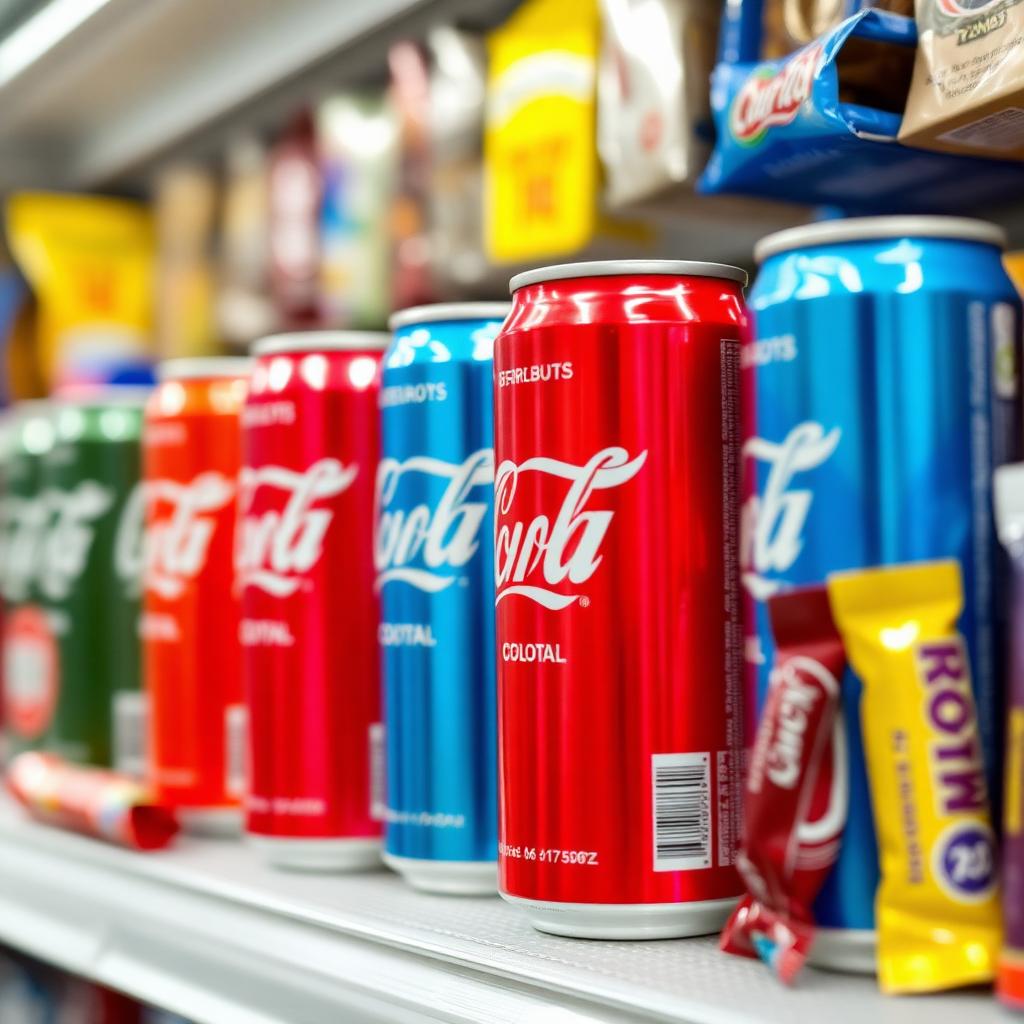
The most consumer visible change is the FDA's front of package nutrition labeling proposal. The current draft would require a high in symbol on the front of any product that exceeds defined thresholds for added sugars, sodium, or saturated fat per serving.
- Added sugars: a high in label is triggered when a serving provides more than 20 percent of the daily value.
- Sodium: the threshold sits at around 20 percent of daily value, roughly 460mg per serving in most categories.
- Saturated fat: similar 20 percent of daily value threshold.
Countries that have implemented similar warning labels, including Chile and Mexico, have seen meaningful reductions in the purchase of labeled products, especially in categories like sugary cereals and sweetened drinks.
Industry response
Major food manufacturing coalitions have launched coordinated legal challenges. The most common arguments are that strict marketing restrictions infringe on commercial free speech, and that mandatory front of package warning labels are unduly prejudicial under existing FDA labeling law.
At the same time, several large food companies have quietly begun reformulating in anticipation of the rules. Removing red dye no. 3 was relatively easy. Cutting added sugar by 20 percent without changing the taste profile of a popular cereal or beverage is much harder, and that is where most of the R and D spend is going.
What this means for shoppers
If the FDA front of package rule is finalized in something close to its current form, expect to see clear high in symbols appearing on packaged foods starting in late 2027 or 2028. Some of the products will quietly change recipes to stay under the thresholds. Others will keep the formula and accept the label.
Related reading
For more on what regulators are doing about food safety and supply see the recent Rising Pharma chlorthalidone recall and the Power Plate Meals meatloaf recall.
The takeaway
The US is finally catching up to the regulatory posture that Latin America and parts of Europe adopted years ago. The combined effect of additive bans, marketing restrictions, and front of pack warning labels is a gradual reformulation of the packaged food shelf. The cookies will not disappear, but their ingredient lists are going to look noticeably different in a few years.
Frequently asked questions
When do the front of package labels start appearing?
The FDA rule is still working through proposal and comment. If finalized on the current timeline, labels would begin appearing on packages from late 2027 or 2028.
Is red dye no. 3 still legal in food?
The FDA revoked authorization in early 2025. Manufacturers have until early 2027 to remove it from food products.
Does the marketing rule cover online ads?
Yes. The guidelines specifically address targeted digital advertising to under 12 audiences, including social media and in app ads.
The role of the Dietary Guidelines for Americans
Sitting underneath all of these specific rules is the Dietary Guidelines for Americans, updated every five years jointly by USDA and HHS. The 2025 to 2030 edition for the first time includes recommendations on limiting ultra processed food consumption as a distinct category, separate from the older guidance on saturated fat, sodium, and added sugar.
That matters because the Dietary Guidelines feed directly into the National School Lunch Program standards, WIC eligibility lists, and federal cafeteria procurement rules. A change in the guidelines effectively reshapes the menu in every public school cafeteria in the country within two to three school years.
What is actually classified as ultra processed
The working definition most US regulators use is borrowed from the NOVA classification developed by researchers in Brazil. Ultra processed foods are industrial formulations of mostly cheap ingredients that include additives not commonly found in home kitchens (emulsifiers, artificial colors, stabilizers, high fructose corn syrup). The category includes most packaged snacks, soft drinks, mass produced bread, and ready meals, but specifically excludes minimally processed staples like plain yogurt, frozen vegetables, or canned beans.
The school lunch knock on effect
USDA standards for the National School Lunch Program and the School Breakfast Program tighten roughly every five years. The 2024 update reduced added sugar and sodium thresholds in school meals, and the 2029 update is expected to incorporate ultra processed food categories directly. Because school food procurement is one of the largest single buyer markets for packaged foods, that reshapes what manufacturers offer at retail too.
SNAP eligibility debates
A parallel debate, separate from the FDA front of package rule, is whether the Supplemental Nutrition Assistance Program (SNAP) should restrict purchase of soda and candy with benefits. Several states have applied for federal waivers to do this. The USDA has historically rejected those applications, but recent political pressure has shifted the conversation. If even a few states get pilot waivers, it would mark the first major change to SNAP eligibility rules in decades.