Quick Answer
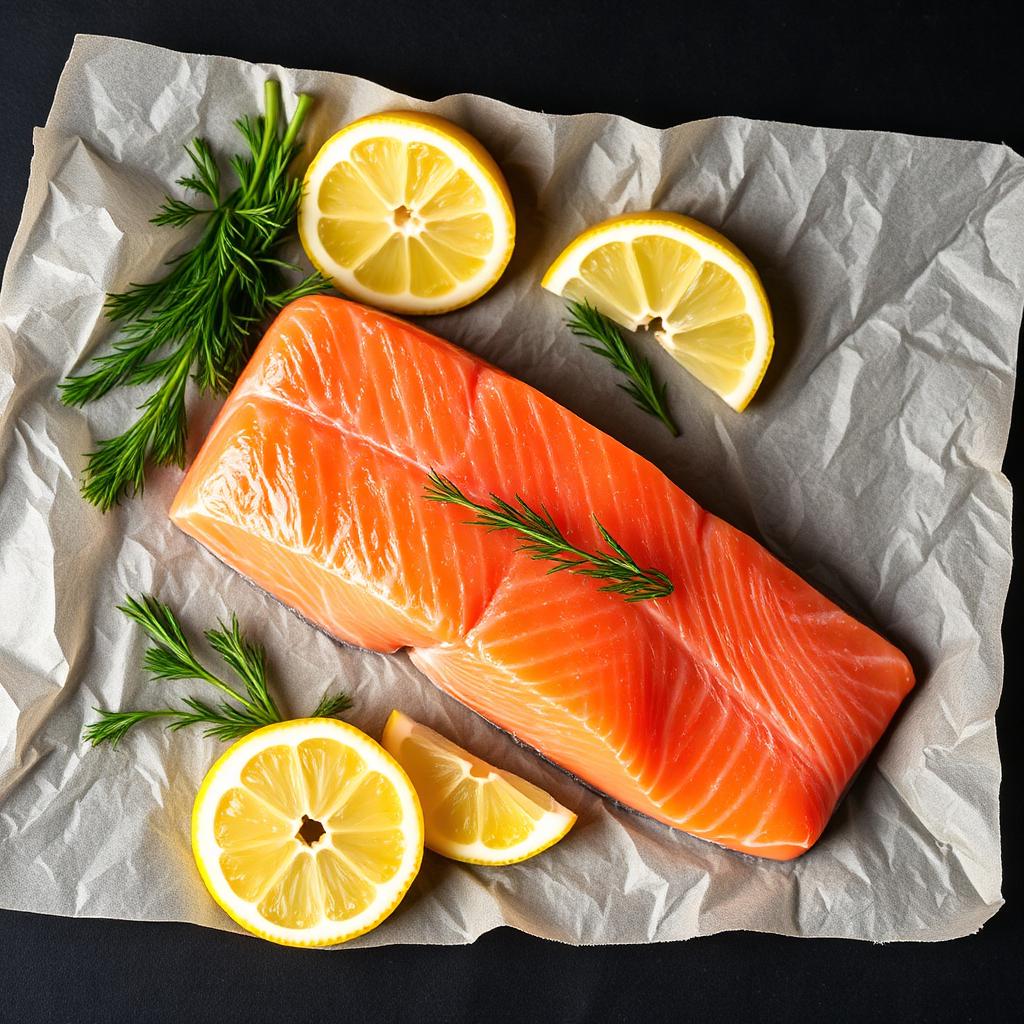
A 3 ounce (85 gram) cooked serving of wild Atlantic salmon provides roughly 155 calories, 22 grams of protein, 7 grams of fat (including about 1.5 grams of long chain omega 3 fatty acids), and an exceptional micronutrient profile dominated by vitamin B12, vitamin D, and selenium.
Farmed Atlantic salmon is slightly higher in total fat and calories but actually carries more total EPA and DHA per serving because of its omega 3 enriched feed. Both are excellent sources of protein.
For most adults, two 3 to 4 ounce servings per week meets the American Heart Association recommendation for fatty fish.
Full nutrition panel for cooked salmon
Values from USDA FoodData Central for a 3 ounce (85 g) cooked serving.
| Nutrient | Wild Atlantic | Farmed Atlantic | Sockeye (wild) |
|---|---|---|---|
| Calories | 155 | 175 | 185 |
| Protein | 22 g | 19 g | 23 g |
| Total fat | 7 g | 11 g | 9 g |
| Saturated fat | 1.1 g | 2.4 g | 1.6 g |
| EPA + DHA | 1.2 g | 1.8 g | 0.7 g |
| Vitamin D | 14 mcg (570 IU) | 9 mcg | 14 mcg |
| Vitamin B12 | 2.6 mcg | 2.4 mcg | 4.8 mcg |
| Selenium | 35 mcg | 32 mcg | 32 mcg |
| Potassium | 335 mg | 325 mg | 330 mg |
| Sodium | 50 mg | 52 mg | 56 mg |
Why salmon is the gold standard protein
Three ounces of salmon delivers a protein dose that rivals chicken breast, with a digestibility score (DIAAS) above 1.0, meaning every essential amino acid is present in usable proportions. That makes it a complete protein for muscle protein synthesis at the most commonly cited per meal threshold of about 20 grams.
The fat is where it pulls ahead of poultry. Roughly 35 to 50 percent of the fat in salmon is unsaturated, with the standout being EPA (eicosapentaenoic acid) and DHA (docosahexaenoic acid), the two omega 3 fatty acids the human body uses most efficiently for cardiovascular and brain health.
Wild vs farmed: the real differences
Marketing oversimplifies this. The accurate version, drawn from USDA and peer reviewed comparisons:
- Total omega 3 grams per serving. Farmed Atlantic typically wins because its feed is fortified with fish oil. Wild Atlantic is leaner overall.
- Omega 6 to omega 3 ratio. Wild salmon has a lower ratio, often cited as preferable. Farmed salmon ratios have improved sharply since 2010 as feed formulas changed.
- Contaminants. The FDA and EPA still classify both as a "best choice" fish for pregnant women and children, with low mercury (under 0.05 ppm on average) and acceptable PCB levels when consumed at typical serving frequencies.
- Astaxanthin. The pink pigment is naturally derived from shrimp and krill in the wild diet and added to farmed feed. Both contribute the same antioxidant.
How preparation changes the math
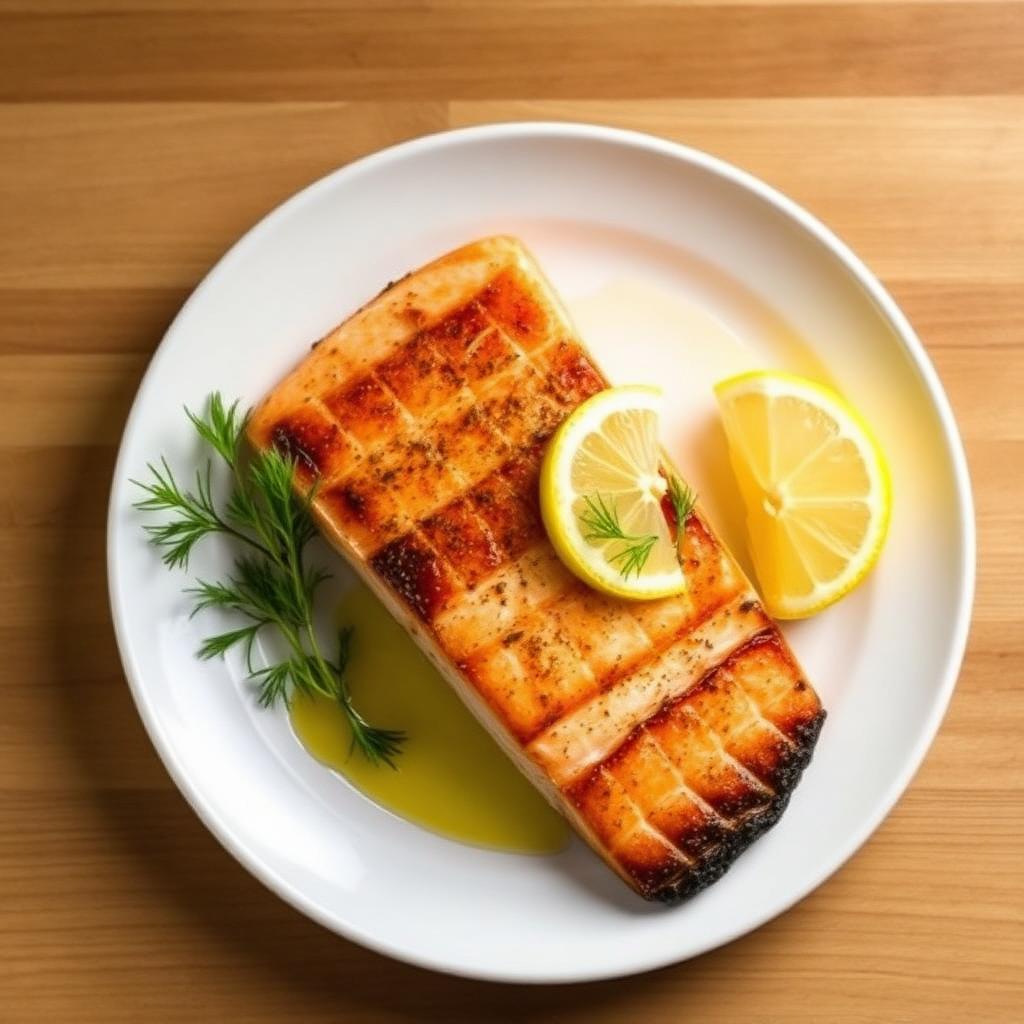
- Baked or grilled, no added fat. The 155 calorie baseline holds.
- Pan seared in 1 teaspoon olive oil. Add about 40 calories and 4.5 g fat.
- Smoked salmon (3 oz). About 100 calories, 16 g protein, and a much higher sodium load near 670 mg.
- Canned pink salmon (3 oz, drained). About 120 calories, 17 g protein, lower omega 3 (around 1 g) but very high calcium if you eat the bones.
- Sushi grade raw (3 oz nigiri portion). Same macros as cooked, slightly higher per gram because no water is cooked off.
The micronutrient story
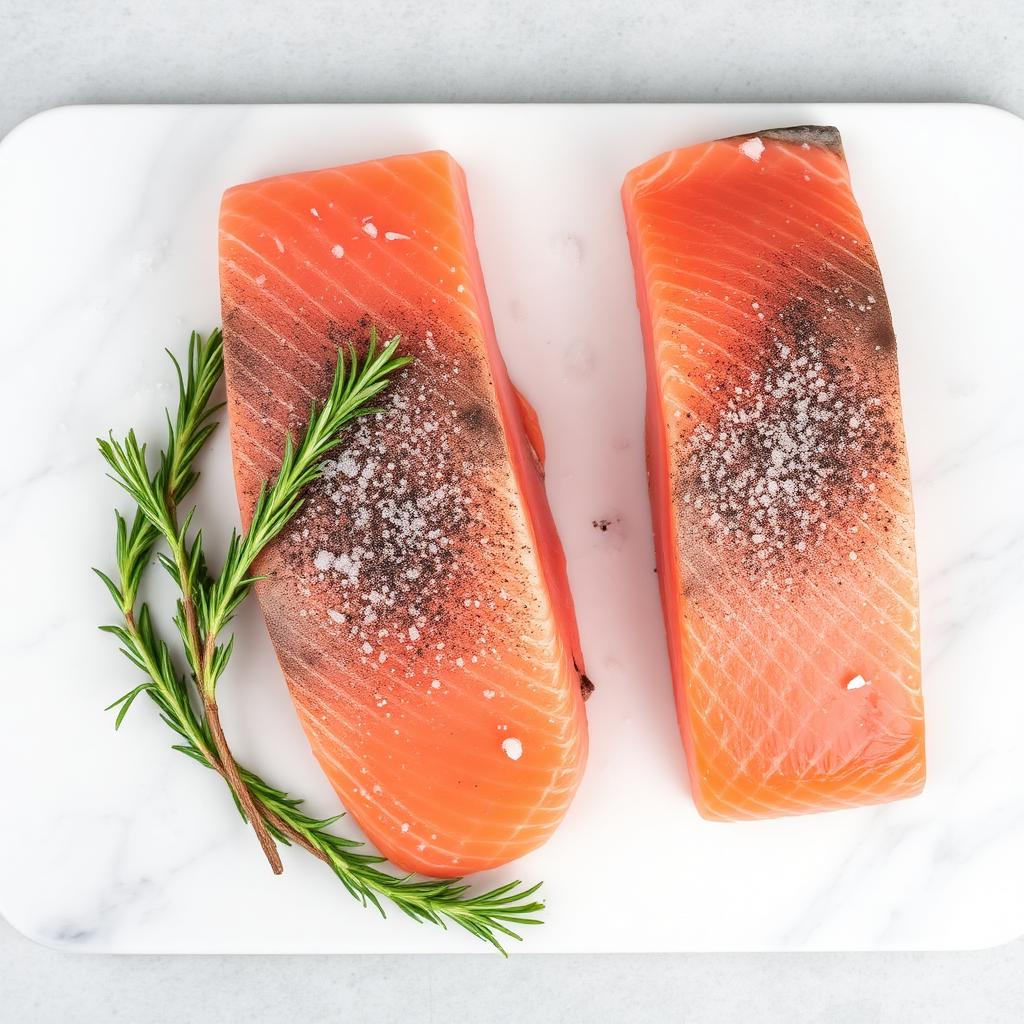
Beyond omega 3s, salmon is one of the few foods that naturally meets a meaningful share of the vitamin D daily target. The Endocrine Society estimates that one in three US adults is insufficient in vitamin D, and a single serving of wild Atlantic delivers roughly 70 percent of the daily value.
Selenium acts as a structural cofactor in glutathione peroxidase, an enzyme that neutralizes peroxide free radicals in cell membranes. Vitamin B12 supports red blood cell formation and nervous system maintenance. A single serving handily exceeds the daily requirement for both nutrients.
How often should you eat salmon?
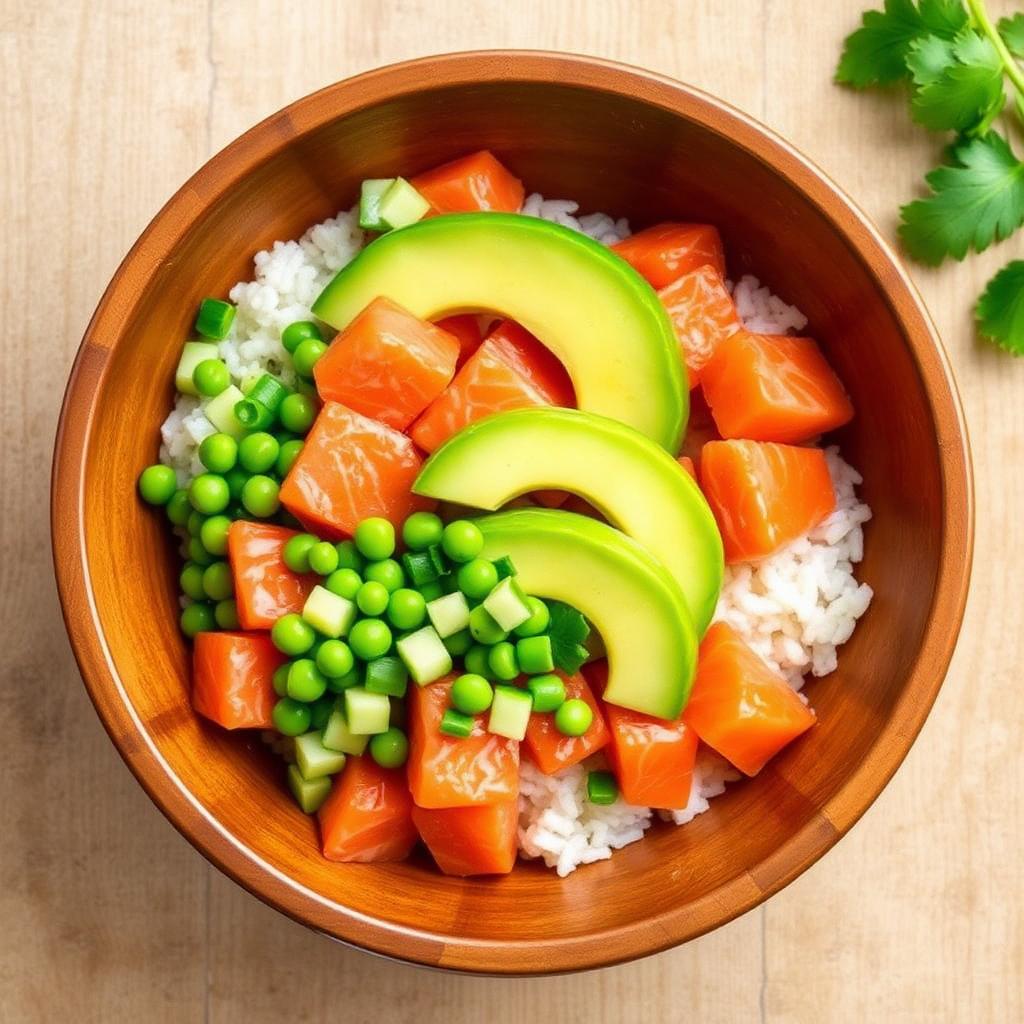
The 2020 to 2025 Dietary Guidelines for Americans recommend at least 8 ounces of seafood per week. Two 4 ounce salmon meals satisfies that target while keeping mercury exposure well below the FDA reference dose.
Pregnant and breastfeeding women can safely eat 2 to 3 servings of salmon per week per joint FDA/EPA guidance, and the omega 3s actively support fetal brain development.
FAQs
Is canned salmon as healthy as fresh?
Yes for protein and largely yes for omega 3s, especially if you buy pink or sockeye. Wild Alaskan pink is the most affordable high omega 3 option in the canned aisle.
How much protein is in a whole salmon fillet?
A typical 6 ounce restaurant fillet delivers about 42 grams of protein cooked.
Does cooking destroy the omega 3s?
Modest cooking (baking at 350 F, gentle pan sear) preserves more than 85 percent of the EPA and DHA. Deep frying or microwaving at high power degrades a larger share.
Is farmed salmon safe?
Per the FDA and Seafood Watch, yes when sourced from operations that follow current best management practices. Look for ASC, BAP 4 Star, or Best Aquaculture Practices certification on the label.
The takeaway
Salmon is a textbook example of a nutrient dense protein: 22 grams of complete protein, a clinically meaningful dose of EPA and DHA, and standout vitamin D, B12, and selenium numbers in a 155 calorie serving. Two meals a week is a low effort, high impact addition to almost any eating plan.