Quick Answer
No, pasta noodles are not inherently bad for you.
Plain pasta is a clean source of complex carbohydrates, plant protein and a small amount of fibre. Modern research consistently links moderate pasta consumption with better cardiovascular outcomes when it is eaten as part of a Mediterranean style diet. The health verdict on a pasta meal depends almost entirely on portion size and what you put on top.
What Plain Pasta Actually Delivers
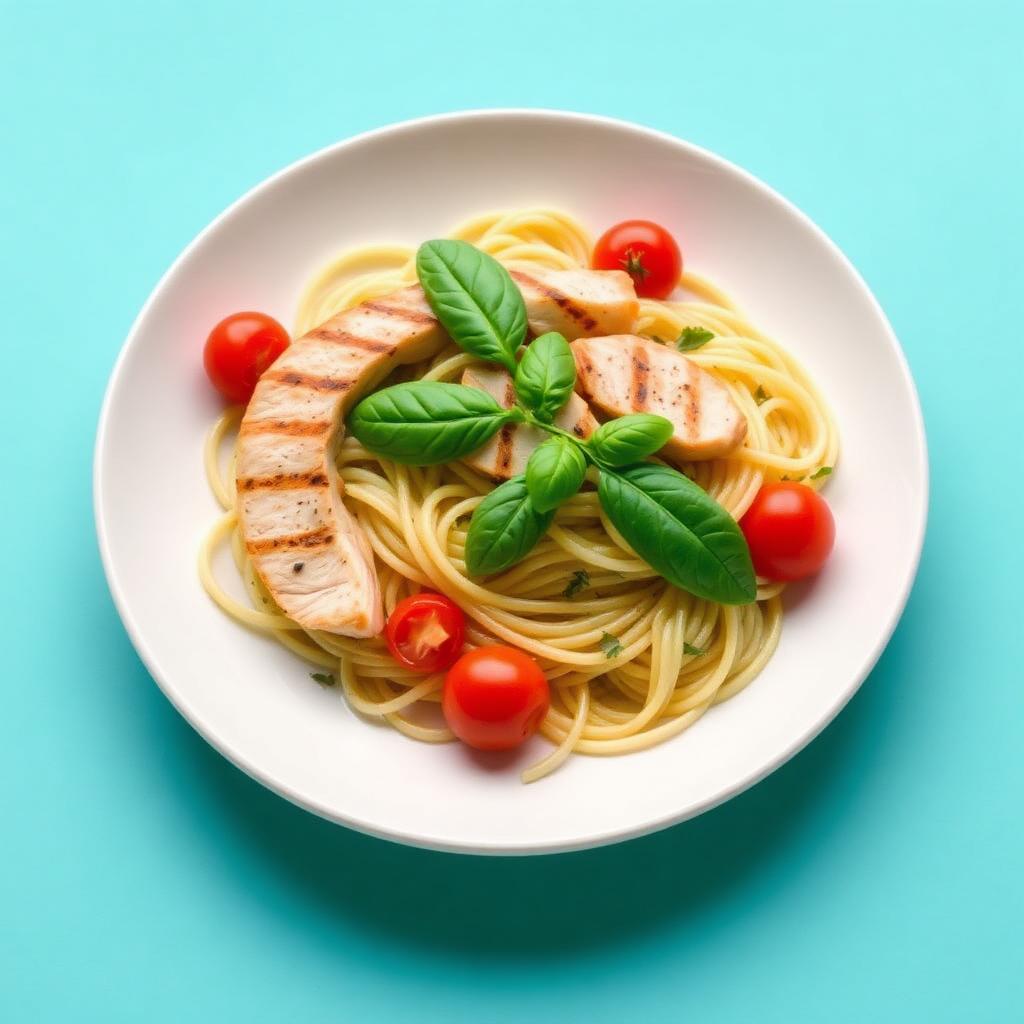
A 56 gram dry serving of traditional semolina pasta gives you roughly 200 calories, 42 grams of carbohydrates, 7 to 8 grams of plant protein and almost no fat. Cooked al dente, those carbohydrates digest slowly because the starch is partially crystalline, which produces a low to moderate glycaemic index meal compared with white bread or rice.
Why Pasta Has a Bad Reputation
- Carb avoidance trends: Atkins, keto and other low carb diets pushed all wheat foods into the "bad" pile in the 2000s and 2010s.
- Restaurant portions: American pasta restaurant servings can run 4 to 6 times a standard 56 g serving, which warps the calorie count.
- Sauce heavy dishes: creamy carbonara, four cheese, vodka and Alfredo sauces all add hundreds of calories from fat per serving.
- Refined flour fears: some nutrition writers blamed semolina for blood sugar spikes, which is overstated when pasta is al dente and eaten with protein and vegetables.
Whole Wheat and Pulse Pastas
If you want higher fibre and a bigger protein hit, the modern pasta aisle has two strong upgrades:
- Whole wheat pasta: 6 to 7 grams of fibre per serving, slightly more protein, slightly nuttier flavour.
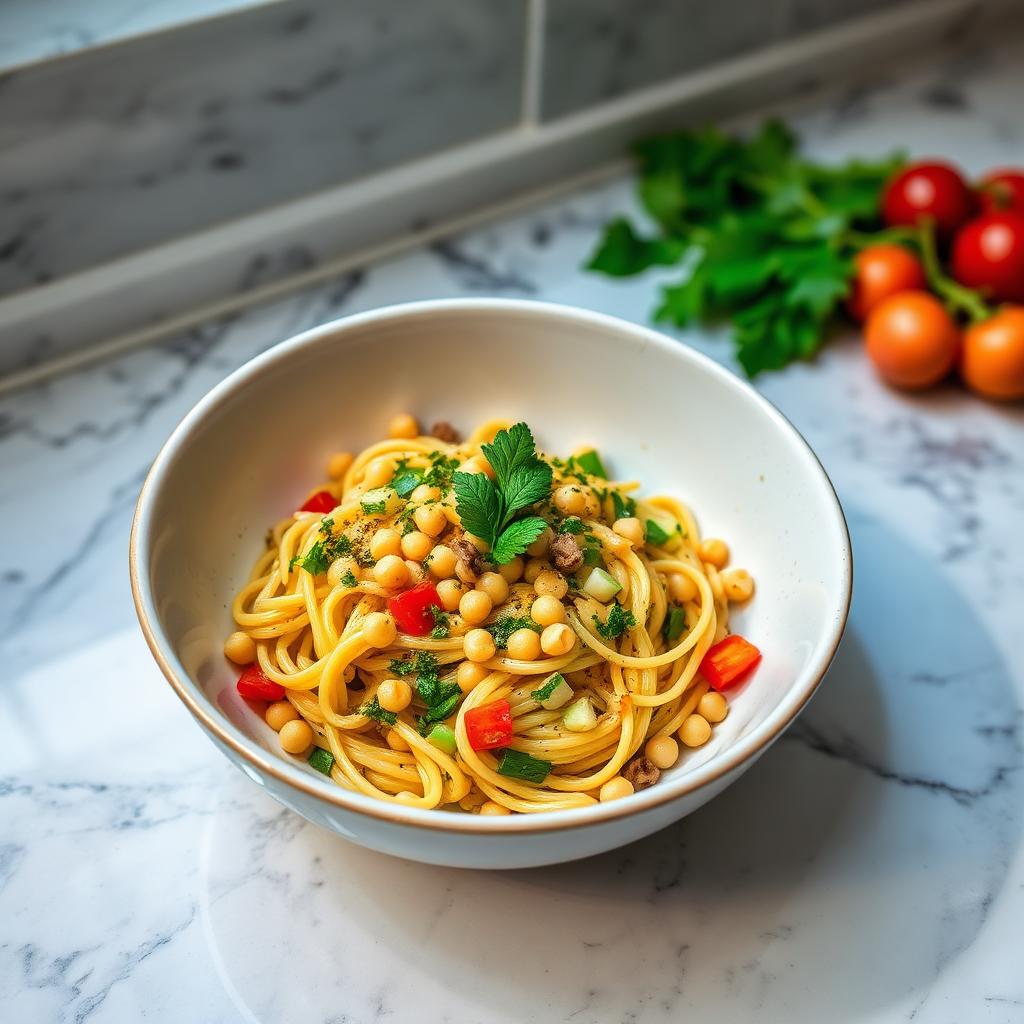
- Pulse pasta (chickpea, lentil, edamame): 10 to 14 grams of protein per serving, 6 to 8 grams of fibre, gluten free. Texture is softer and best with strong sauces.
The Mediterranean Pattern
Long term studies on populations in southern Italy show that pasta is a regular feature of the diet without driving up obesity or cardiovascular risk, as long as it is eaten in the local style. That means modest portions, olive oil instead of butter or cream, plenty of vegetables, fish or legumes for protein, and a slow eating pace alongside conversation.
When Pasta Becomes a Problem
- Very large restaurant style portions every day.
- Heavy cream, processed meat and excessive cheese on top, served with bread on the side.
- Eating pasta as a standalone meal with no protein or vegetables for blood sugar stability.
- Coeliac disease or wheat allergy. In that case, switch to certified gluten free pasta.
Bottom Line
Pasta noodles are not bad for you. They are a neutral, nutritious starch base when eaten in sensible portions with vegetables, a lean protein and a moderate sauce. The carb count itself is not the problem; how the pasta is served is what decides the health outcome.
Are Pasta Noodles Bad for You: Frequently Asked Questions
Are pasta noodles bad for you in moderation?
No. Plain pasta is a refined carbohydrate with modest protein and very little fat. The portion size and sauce matter more than the noodle itself.
Is pasta bad for weight loss?
Not in normal portions. A 56 g dry serving is around 200 calories. Pairing it with vegetables and protein keeps you full.
Is whole grain pasta healthier?
Yes. It has more fibre, more micronutrients, and a slower blood sugar response.
Does pasta cause inflammation?
For most people no. People with coeliac disease or non coeliac gluten sensitivity should choose gluten free pasta.
Is pasta bad for diabetics?
It can spike blood sugar if eaten alone in large portions. Pair with protein, fat and fibre to blunt the response.
Are instant noodles the same as pasta?
No. Instant noodles are usually fried and salted heavily. Pasta is simply dried wheat dough.
Pasta and Healthy Eating: More Reader Questions
Can I eat pasta every day?
Yes, in sensible portions paired with vegetables, protein and a sensible sauce.
Is pasta worse than rice?
Per cooked gram they are similar in calories. Pasta usually has more protein and a slower blood sugar response when al dente.
Does cold pasta have fewer calories?
Cooked then chilled pasta forms more resistant starch which lowers the available calories slightly and is gentler on blood sugar.
Best sauces for healthy eating?
Tomato based sauces, olive oil with vegetables, and lean protein ragus. Skip the cream and bacon every night.
How do I increase the protein of a pasta dish?
Add chickpeas, lentils, prawns, chicken, eggs, or a dollop of ricotta.
Practical Tips and Final Notes
Finally, trust your senses. Sight, smell, and a small careful taste will tell you more than any printed date or internet rule. Cook often, ask why something worked, and your judgement will sharpen with every meal.