Quick Answer
For weight loss, aim for roughly 1.2 to 1.6 grams of protein per kilogram of body weight per day. For a 70kg person that is about 85 to 110 grams daily. If you are training hard while dieting, push toward the top of that range or slightly above it.
The reason is simple. When you eat fewer calories, your body will take some of the shortfall from muscle unless you give it a reason not to. Protein plus resistance training is that reason.
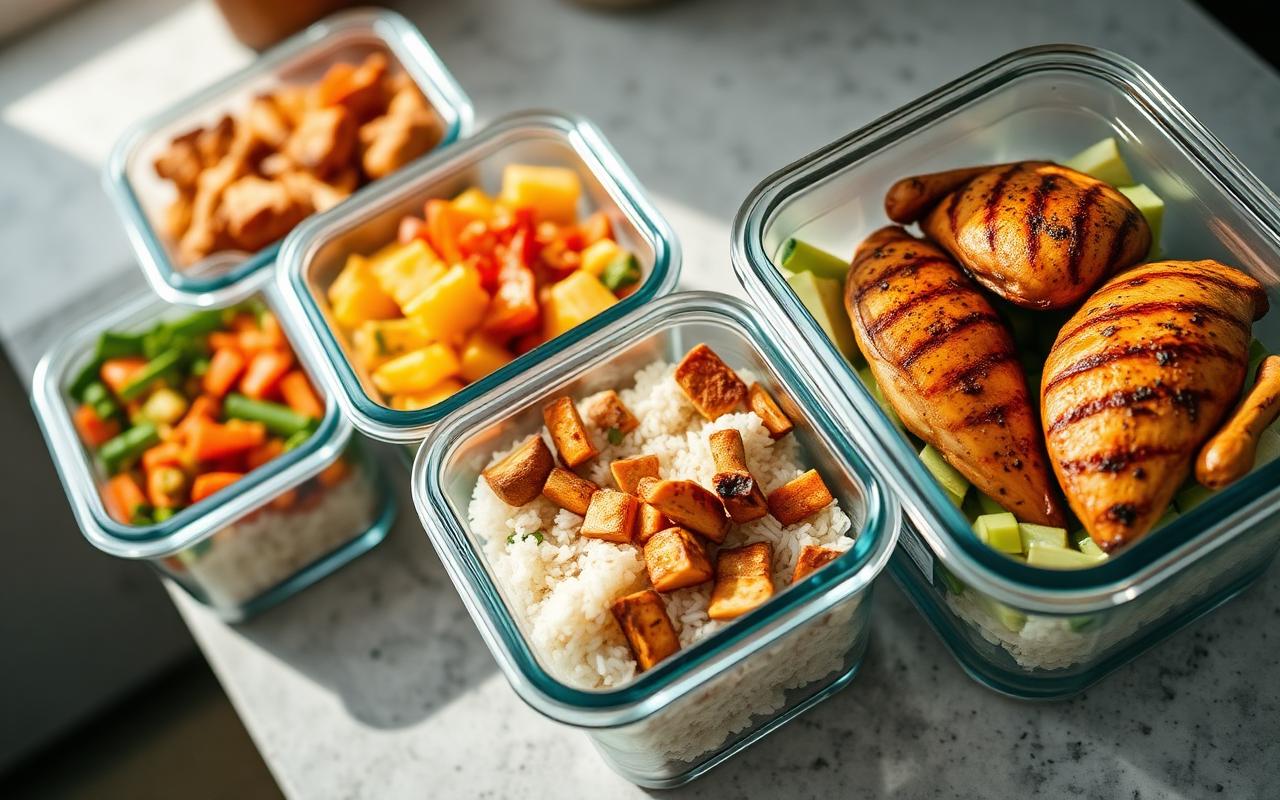
Spread the total across three or four meals rather than loading it all into dinner, and the target becomes much easier to hit.
Why protein matters more in a deficit
Two things happen when you cut calories. You lose fat, which is the goal, and you lose some lean tissue, which is not. The proportion coming from muscle is not fixed. It responds to how much protein you eat and whether you are lifting anything heavier than a phone.
Protein also has the largest thermic effect of the three macronutrients. Your body burns a meaningful slice of the calories in protein simply digesting and processing it, far more than it burns handling fat or carbohydrate. That is not a magic trick, but across a whole diet it is a small tailwind.
The bigger effect is appetite. Protein triggers satiety signals that carbohydrate and fat do not match gram for gram. Most people who raise protein eat less of everything else without consciously trying, which is exactly what a sustainable deficit needs.
How to work out your own number
- Take your body weight in kilograms. If you use pounds, divide by 2.2.
- Multiply by 1.2 for a gentle target or by 1.6 if you lift weights two or more times a week.
- If you carry a lot of excess weight, base the calculation on a realistic goal weight rather than your current weight, or the number gets impractically high.
- Divide by the number of meals you eat. That per-meal figure is the number you actually plan around.
A 70kg person who lifts lands near 110 grams a day, which is about 28 grams at each of four meals. A 90kg person aiming for 80kg would target roughly 96 to 128 grams.
What 30 grams of protein looks like
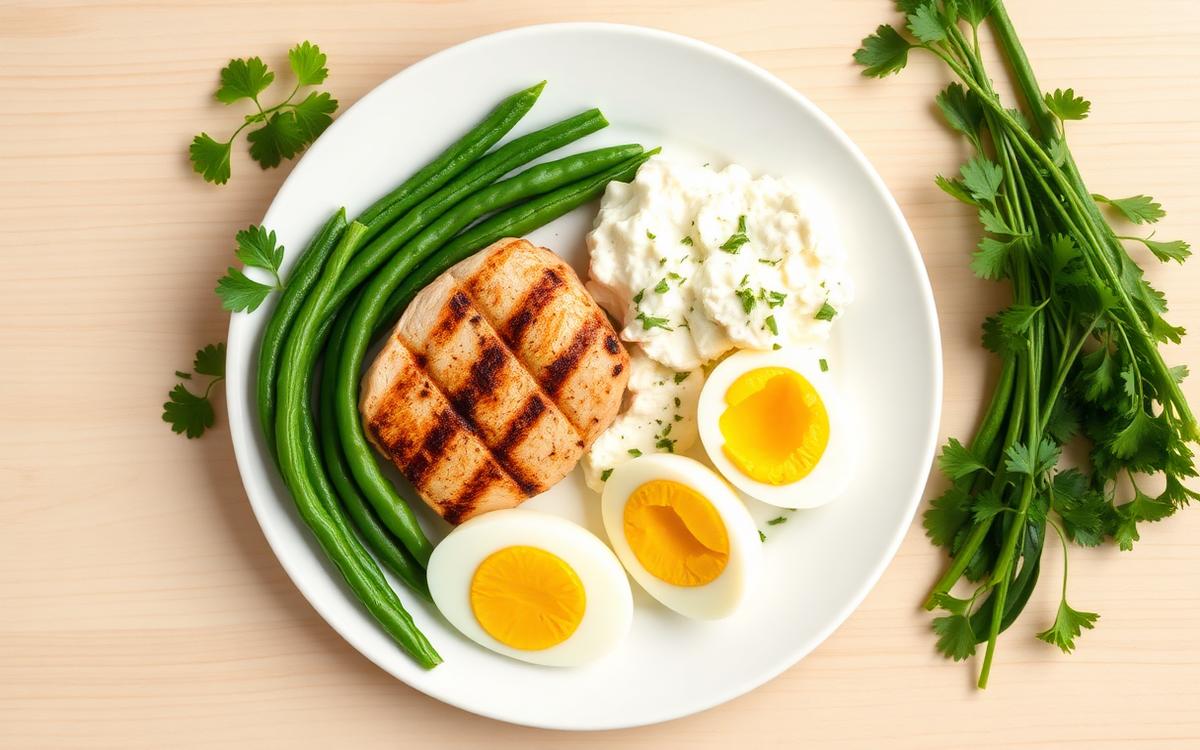
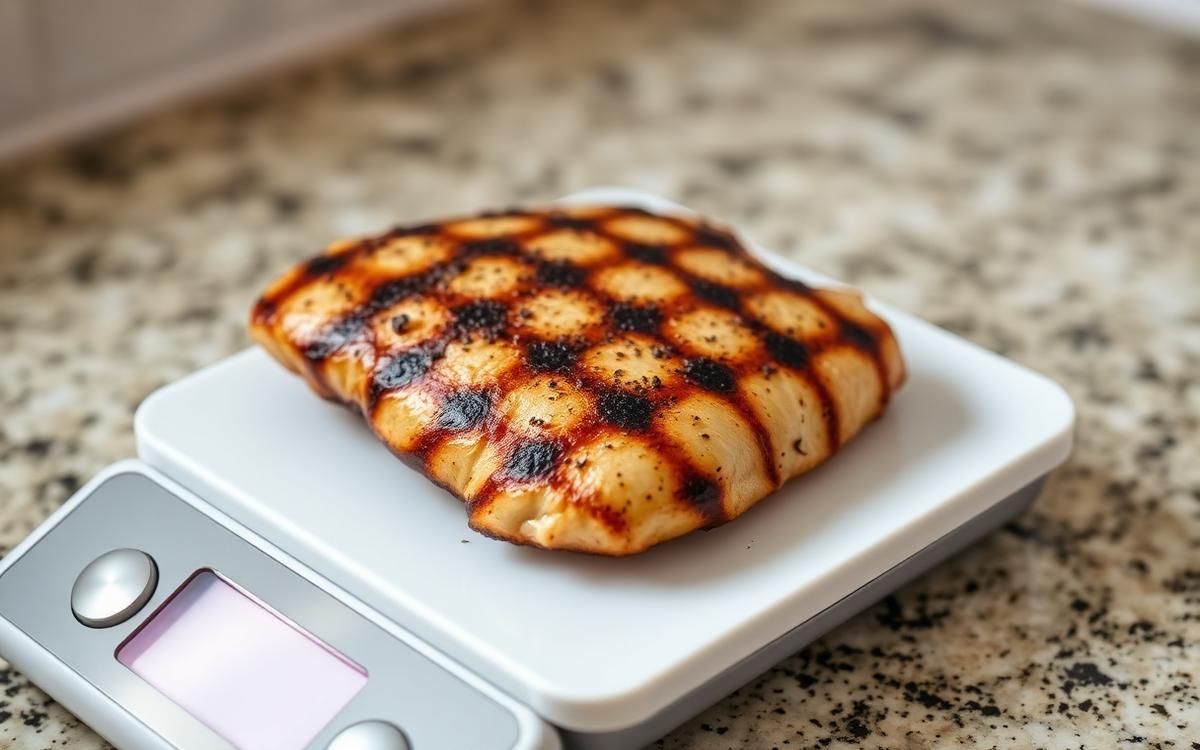
- Chicken breast: about 100g cooked.
- Lean beef mince: about 110g cooked.
- Canned tuna: roughly one and a half standard tins, drained.
- Eggs: around five large eggs, which is why eggs alone rarely carry a meal.
- Greek yogurt: a large 300g pot of the thick, strained kind.
- Cottage cheese: about 250g.
- Firm tofu: roughly 200g.
- Cooked lentils: around 330g, which shows why plant-based eaters need to combine sources.
Sit with that list for a moment. Most people discover their "high protein" lunch was 12 grams of chicken scattered over a salad.
Meal timing and distribution
Total daily protein matters most, but distribution helps. Your body can only use so much protein for muscle repair in one sitting, and the practical effect is that four meals of 30 grams beat one meal of 120 grams for preserving lean tissue.
Breakfast is where most people fail. Toast, cereal and coffee is a near zero protein start, which sets up a 3pm snack raid. Moving 25 to 30 grams into breakfast fixes more diet problems than any supplement.
An evening serving before bed, such as cottage cheese or casein-rich dairy, gives a slow amino acid release overnight. It is a small benefit, not a requirement.
Where the calories go
Protein is not calorie free. Each gram carries about four calories, so a 120 gram target costs roughly 480 calories. In a 1,800 calorie diet, that is a substantial share, and it has to displace something.
Usually it should displace refined carbohydrate and added fats rather than vegetables or fruit. Cut the oil you cook in before you cut the salad.
Choosing lean sources buys you more protein per calorie. Skinless chicken, white fish, egg whites blended with whole eggs, low fat dairy, lentils and lean mince all give you a better ratio than fatty cuts or full fat cheese.
Common mistakes
- Counting the raw weight of cooked food. Meat loses around 25 percent of its weight in cooking, so 150g raw chicken is roughly 110g on the plate.
- Trusting bars and shakes to do all the work. They are convenient, but whole foods bring fiber and micronutrients that keep you full for longer.
- Ignoring fiber. A sudden protein increase without vegetables and whole grains is the fastest route to digestive complaints.
- Skipping resistance training. Protein without a stimulus to keep muscle is half a strategy.
- Setting a target you cannot repeat. A 200 gram target you hit twice a week loses to a 120 gram target you hit daily.
Do you need to track forever?
No. Track for two weeks to calibrate your eye, then switch to a simpler rule: a palm-sized portion of a protein food at every meal, plus a dairy or legume serving somewhere in the day. Most people land close to their target without weighing anything after that.
Re-check with a few tracked days whenever your weight loss stalls, because portion creep is quiet and gradual.
Who should be careful
Higher protein intakes are well tolerated by healthy adults. If you have reduced kidney function, chronic kidney disease or liver disease, protein targets need to be set by your doctor or a registered dietitian rather than a general article. The same applies during pregnancy and for anyone managing a medical condition with a prescribed eating plan.
The bottom line
Take your body weight in kilograms, multiply by 1.2 to 1.6, and split the result across your meals. Anchor breakfast at 25 to 30 grams, keep lifting something heavy twice a week, and let protein do the work of protecting muscle while the deficit does the work of losing fat.
The target is not exotic and the foods are not special. Consistency at a reasonable number beats perfection at an extreme one every single time.