Quick Answer
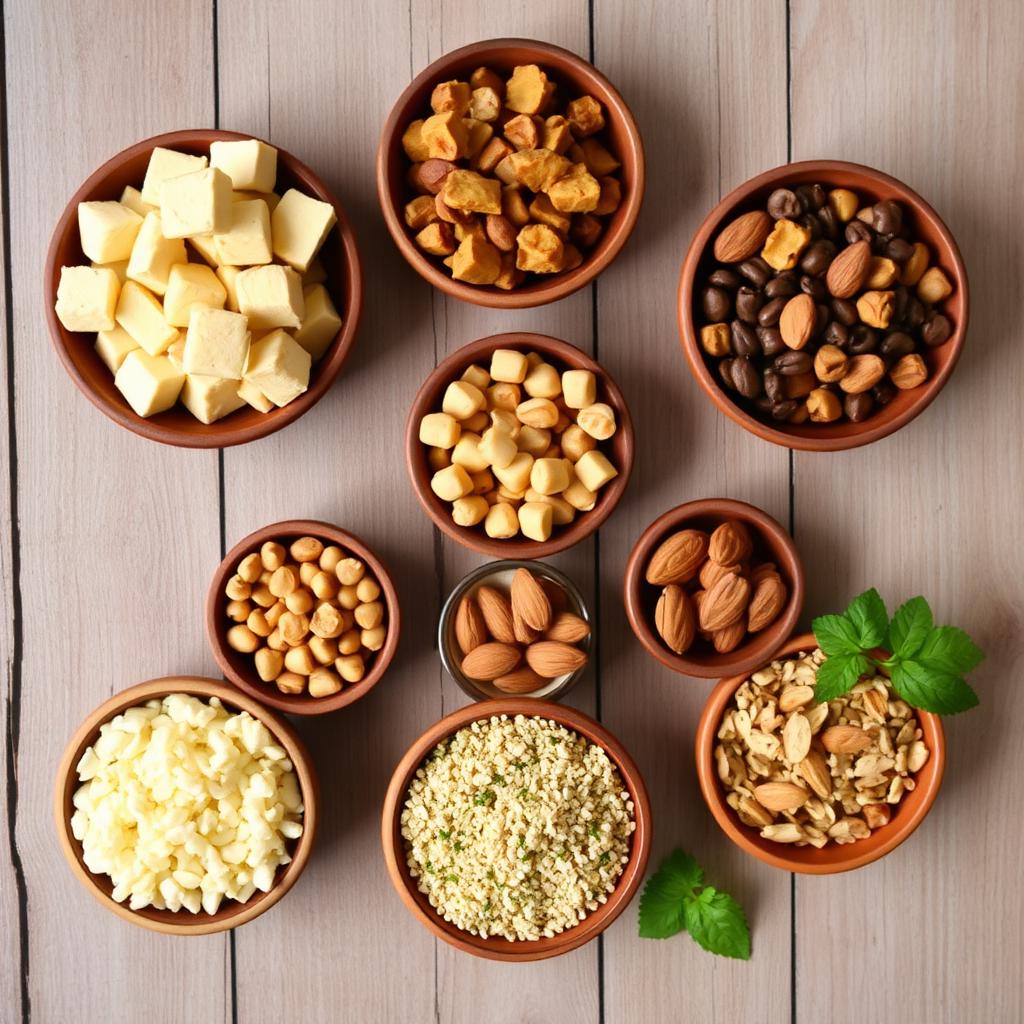
The densest plant based protein sources are seitan (about 25 g per 100 g), tempeh (about 20 g per 100 g), lentils (about 18 g per cooked cup), tofu (about 10 g per 100 g), and hemp hearts (about 10 g per 3 tablespoons).
Pair any of them with a whole grain like brown rice, quinoa, or whole wheat and the meal becomes a complete protein with all nine essential amino acids covered.
How Much Protein Do You Actually Need
The standard daily target is 0.8 grams of protein per kilogram of body weight for general health. People who lift, run, or are building muscle should aim higher: 1.4 to 2.0 g per kg, according to the International Society of Sports Nutrition.
For a 70 kg adult that is roughly 56 to 140 grams of protein per day. Plant foods can comfortably hit that range with planning. The trick is leaning on dense sources, not relying on rice and broccoli alone.
The Complete Protein Myth
For decades, vegans were told they had to combine specific foods at the same meal to make a complete protein. That advice is outdated. The body keeps a running pool of amino acids over the course of a day, so as long as you eat a varied diet of legumes, grains, nuts, seeds, and vegetables, the pool stays balanced.
Eat lentils at lunch and brown rice at dinner and you still get all nine essential amino acids. You do not have to time them perfectly.
The Heavy Hitters
Seitan
Seitan is cooked vital wheat gluten. It packs about 25 grams of protein per 100 grams, the highest density on this list. The texture mimics chicken or beef, making it the easiest swap in stir fries and sandwiches. Skip it if you are gluten sensitive.
Tempeh
Fermented whole soybeans pressed into a firm cake. About 20 grams of protein per 100 grams, plus probiotics from the fermentation. Tempeh has a nutty earthy flavour that holds up well to marinating, pan frying, or crumbling into chilli.
Tofu
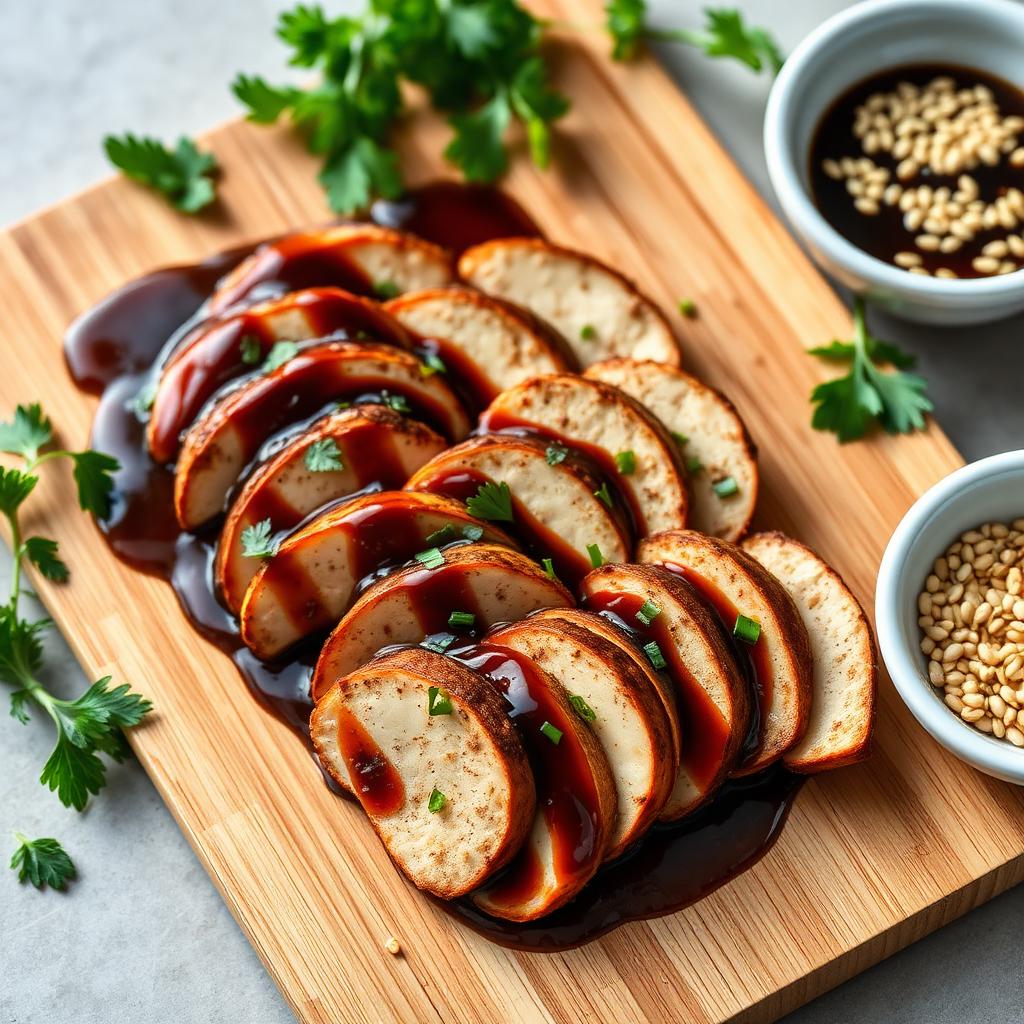
About 8 to 10 grams per 100 grams. Versatile, neutral, and cheap. Press extra firm tofu for 30 minutes before cooking to squeeze out water so it sears instead of steams.
Lentils
About 18 grams per cooked cup. Cook in 20 minutes without soaking. Loaded with iron, folate, and soluble fibre. Green and brown lentils hold their shape for salads, while red lentils break down into a creamy curry base.
Chickpeas and Beans
About 15 grams per cooked cup. Black beans, kidney beans, pinto beans, and chickpeas all sit in the same range and form the backbone of most plant based cuisines worldwide.
Seeds and Nuts Worth Stacking
- Hemp hearts: 10 g per 3 tablespoons. One of the few plant foods with a complete amino profile and a 3:1 omega 3 to omega 6 ratio.
- Pumpkin seeds: 7 g per 28 g serving, plus magnesium and zinc.
- Chia seeds: 5 g per 2 tablespoons, plus omega 3s and a fibre boost.
- Almonds: 6 g per 28 g serving and a hit of vitamin E.
- Peanut butter: 7 g per 2 tablespoons. The cheapest protein on the shelf.
Grains That Pull Their Weight
Most people think of grains as carbs only, but a few punch above their weight on protein.
- Quinoa: 8 g per cooked cup. A complete protein on its own.
- Buckwheat: 6 g per cooked cup. Naturally gluten free.
- Oats: 6 g per half cup dry. A great breakfast base.
- Whole wheat pasta: 7 g per cooked cup.
Plant Protein Powders
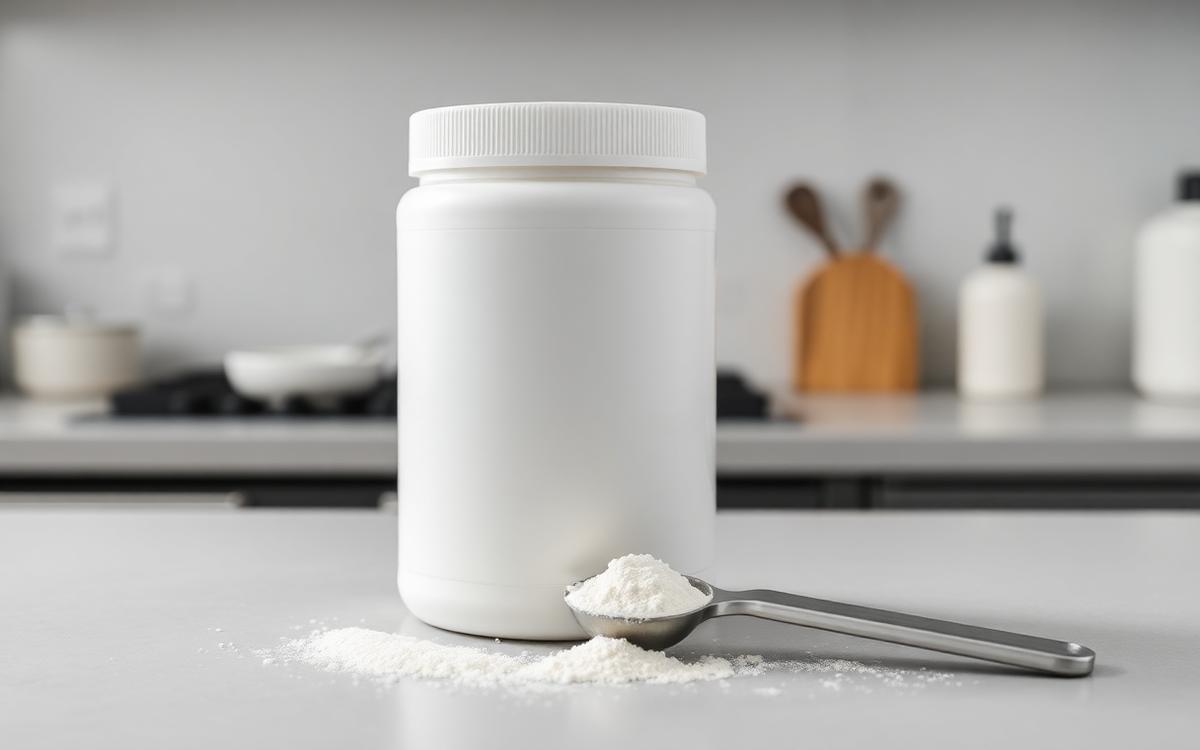
For athletes or anyone short on calories, a clean plant protein powder fills the gap. Look for blends that combine pea and rice protein, which together give a complete amino profile and a smoother mouthfeel than pea alone.
A single scoop typically delivers 20 to 25 grams of protein. Stir into oats, smoothies, or pancake batter rather than treating it as the main source.
Sample 100 Gram Plant Protein Day
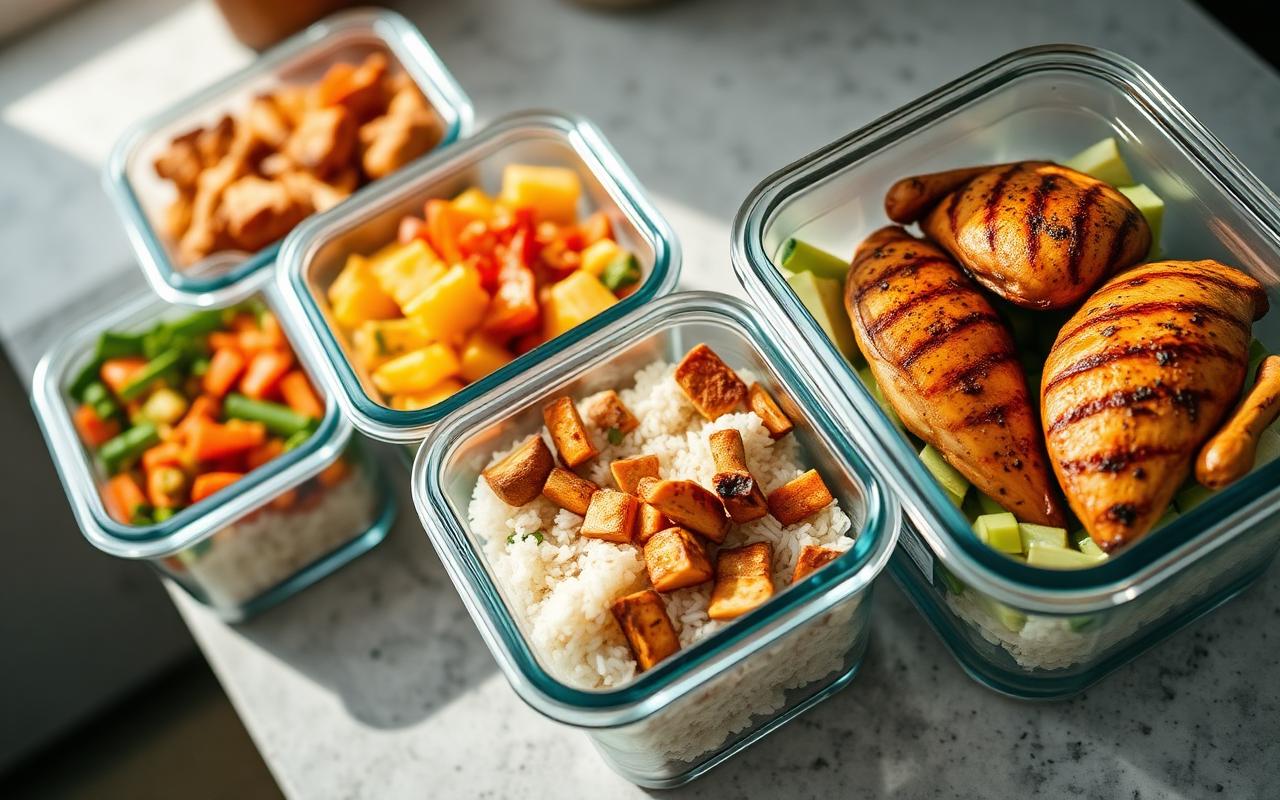
- Breakfast: oats with hemp hearts and peanut butter (about 20 g).
- Lunch: lentil and quinoa salad with chickpeas (about 30 g).
- Snack: a scoop of pea protein in a banana smoothie (about 25 g).
- Dinner: tempeh stir fry over brown rice with edamame (about 30 g).
That hits 105 grams without any meat, eggs, or dairy.
Watch Outs
Protein quality is more than grams. Plant proteins are usually lower in the amino acid leucine, which is the trigger for muscle protein synthesis. Spreading protein across four meals of 25 to 35 grams gives your body multiple leucine triggers through the day.
Also pay attention to vitamin B12, iron, zinc, and omega 3s on a fully plant based diet. Either eat fortified foods regularly or take a quality supplement.
The Takeaway
Plant based protein is not a compromise. Stack dense sources like seitan, tempeh, lentils, tofu, and hemp hearts, spread protein evenly across the day, and pair legumes with grains for complete amino coverage. Done right, a plant based plate easily fuels everything from a desk job to a heavy training week.