Quick Answer
Protein does not make you gain weight by itself. Weight gain happens when you take in more calories than you burn, and protein carries four calories per gram like carbohydrate does.
Where protein causes gain is when it is added on top of an existing diet rather than in place of something. Two shakes and a bar bolted onto normal meals is a few hundred extra calories a day, and that adds up.
Used properly, protein is the macronutrient most likely to help you lose fat, because it is the most filling and the most protective of muscle.
The only mechanism that adds weight
Body weight responds to energy balance. If you consistently eat more energy than you use, you store the surplus. That is true whether the surplus arrives as protein, fat, carbohydrate or alcohol.
Protein is actually the least efficient of the group at becoming body fat. Converting amino acids into fat is metabolically expensive, so your body prefers to burn them or use them for repair first. Excess protein still counts, it just takes a less direct route.
The practical version: the steak is not the problem, the total is.
Three reasons protein usually helps instead
- It fills you up. Gram for gram, protein produces the strongest satiety response of the three macronutrients. People who raise protein tend to eat less of everything else without trying.
- It costs more to digest. Around 20 to 30 percent of protein's calories are burned during digestion and processing, compared with roughly 5 to 10 percent for carbohydrate and 0 to 3 percent for fat.
- It protects muscle. In a calorie deficit your body will strip lean tissue unless you give it protein and a training stimulus. Keeping muscle keeps your metabolism higher.
When protein genuinely does cause gain
- Shakes as extras. Adding a 300 calorie shake to a diet that was already at maintenance adds roughly a pound of fat a month.
- Mass gainer powders. These are designed to add weight. Many contain 1,000 calories per serving, mostly carbohydrate.
- Fatty protein sources. Ribeye, full fat cheese, fried chicken and peanut butter deliver protein alongside a great deal of fat.
- Protein bars treated as snacks. Most are 200 to 300 calories, closer to a chocolate bar with a better label.
- Drinking calories. Liquid calories do not register as fullness the way solid food does.
Muscle gain is not fat gain
If you start strength training and eating more protein, the scale may go up in the first few weeks. Some of that is water held in muscle as glycogen stores fill, and some is genuine lean tissue.
That is a different outcome from fat gain, even though the scale reports one number. Muscle is denser than fat, so people frequently look leaner at the same weight or slightly heavier.
Judge progress by how clothes fit, waist measurement and photos, not by weight alone. The scale is a poor narrator of body composition.
How to raise protein without raising calories
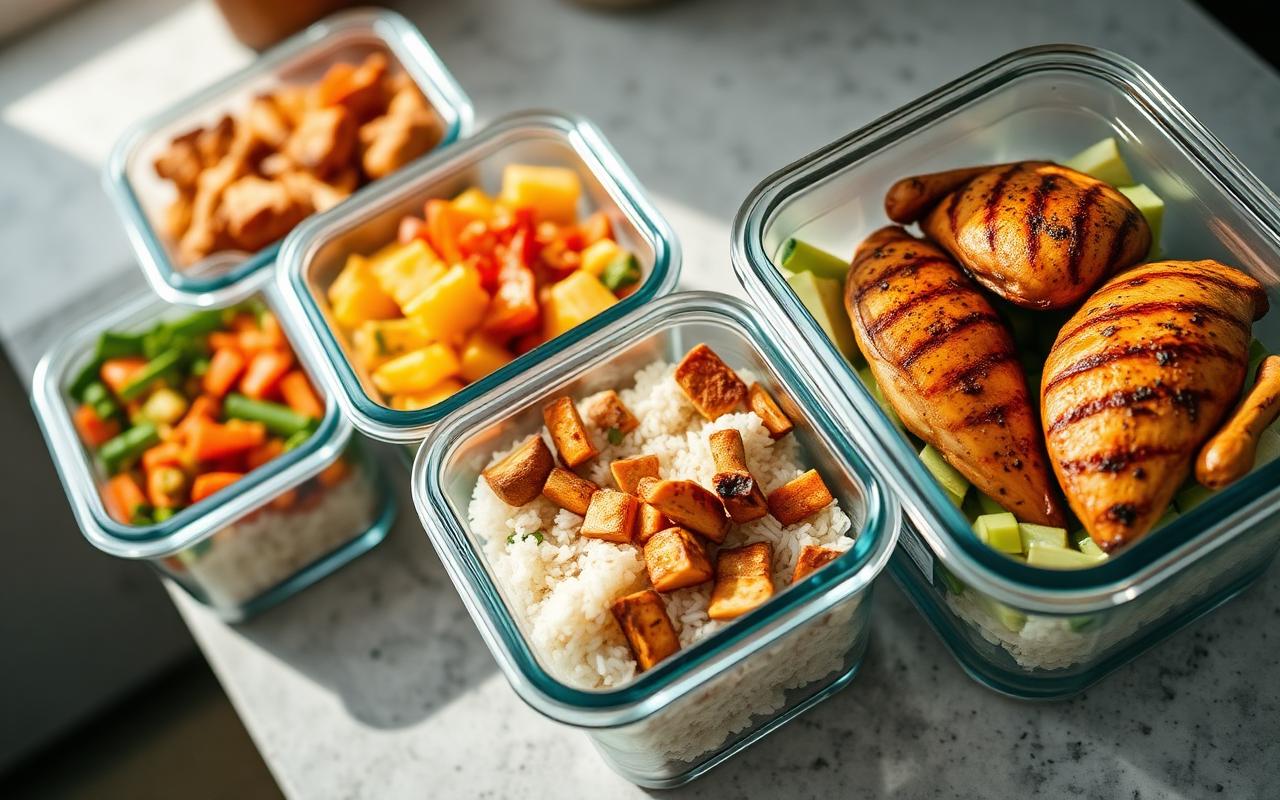
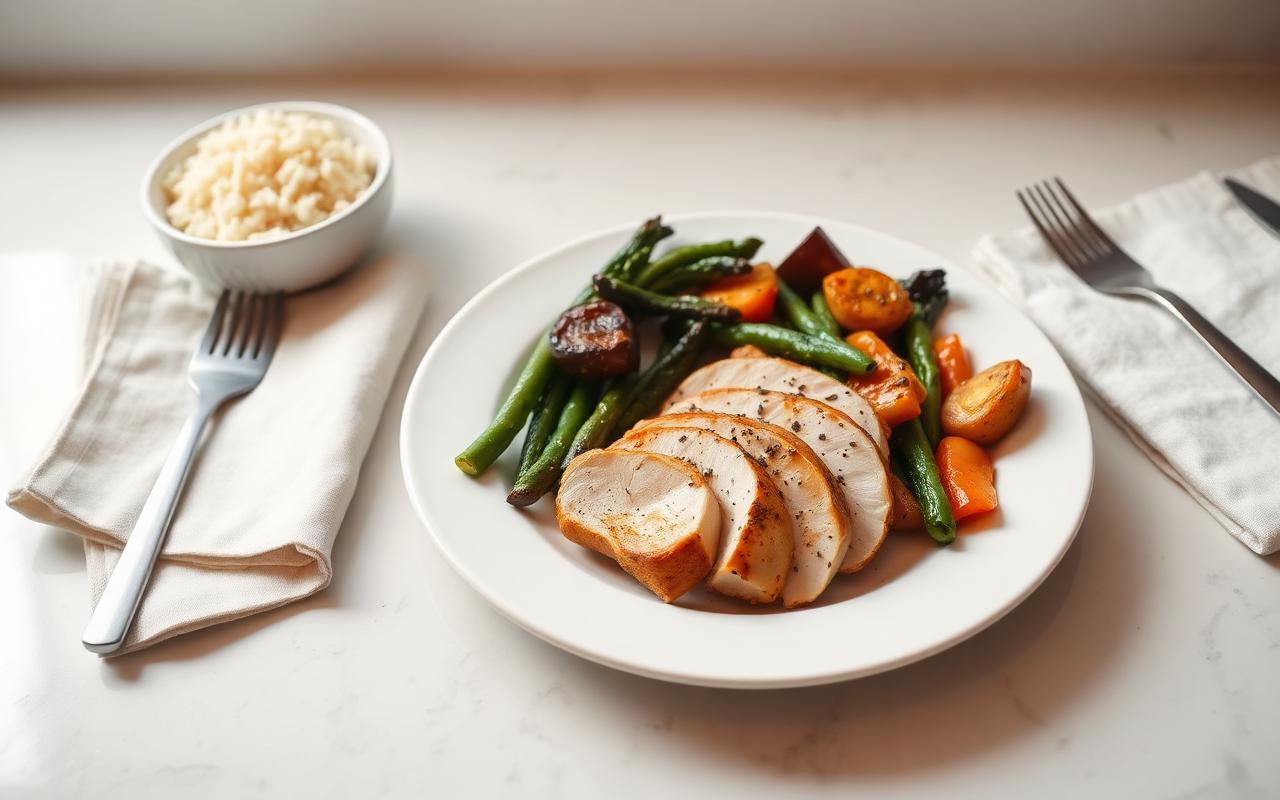
- Swap, do not add. Replace half the pasta with chicken instead of piling chicken on top of the same portion.
- Choose lean sources. Skinless poultry, white fish, egg whites blended with whole eggs, low fat dairy, lentils and lean mince.
- Cook with less fat. Grill, bake or air fry rather than frying in oil, since a generous pour is over a hundred calories.
- Prefer food to shakes. Solid protein is more filling per calorie than the same protein in liquid form.
- Watch the sauces. Creamy dressings and glazes often carry more calories than the meat they cover.
Do you need to worry about kidneys?
In people with normal kidney function, higher protein intakes have not been shown to cause damage. The concern comes from advice given to people who already have kidney disease, where protein is often deliberately restricted.
If you have diagnosed kidney or liver disease, your protein target is a medical decision, not a fitness one. For everyone else the practical ceiling is appetite and budget.
A sensible target
Most active adults do well between 1.2 and 1.6 grams of protein per kilogram of body weight. For a 70kg person that is 85 to 110 grams a day. Fit that inside your calorie budget rather than around it.
If the number pushes you over your calories, take the difference from refined carbohydrate and added fats first, not from vegetables and fruit.
The bottom line
Protein does not make you gain weight. Excess calories do, and protein can be part of that excess if you add it carelessly on top of everything else.
Use it as a replacement rather than an addition, favor lean sources, and keep an eye on the total. Done that way, more protein is one of the most reliable ways to lose fat while keeping the muscle underneath it.
Frequently asked questions
Why did the scale go up when I started eating more protein?
Usually water. Starting or increasing strength training makes muscles store more glycogen, and each gram of glycogen holds water alongside it. That shows up as one or two pounds within a week and is not fat.
Do protein shakes make you fat?
Only if they push your total calories above what you burn. A shake made with water and one scoop is around 120 calories, while the same shake with whole milk, banana and peanut butter can be over 500.
Is protein at night stored as fat?
No. Your body does not switch to a storage mode after a certain hour. What matters is the daily total, not the clock on the wall.
How much protein is too much?
For healthy adults there is no clear harmful ceiling, and intakes up to about 2 grams per kilogram have been studied without ill effects. The practical limits are appetite, cost and leaving room for other foods.
Can protein help me lose belly fat specifically?
Not specifically, because you cannot target fat loss to one area. What protein does is help you hold onto muscle while you lose fat overall, which changes how your midsection looks as the weight comes off.