Quick Answer
Yes, pasta is undeniably a high carbohydrate food. But the type of carb matters.
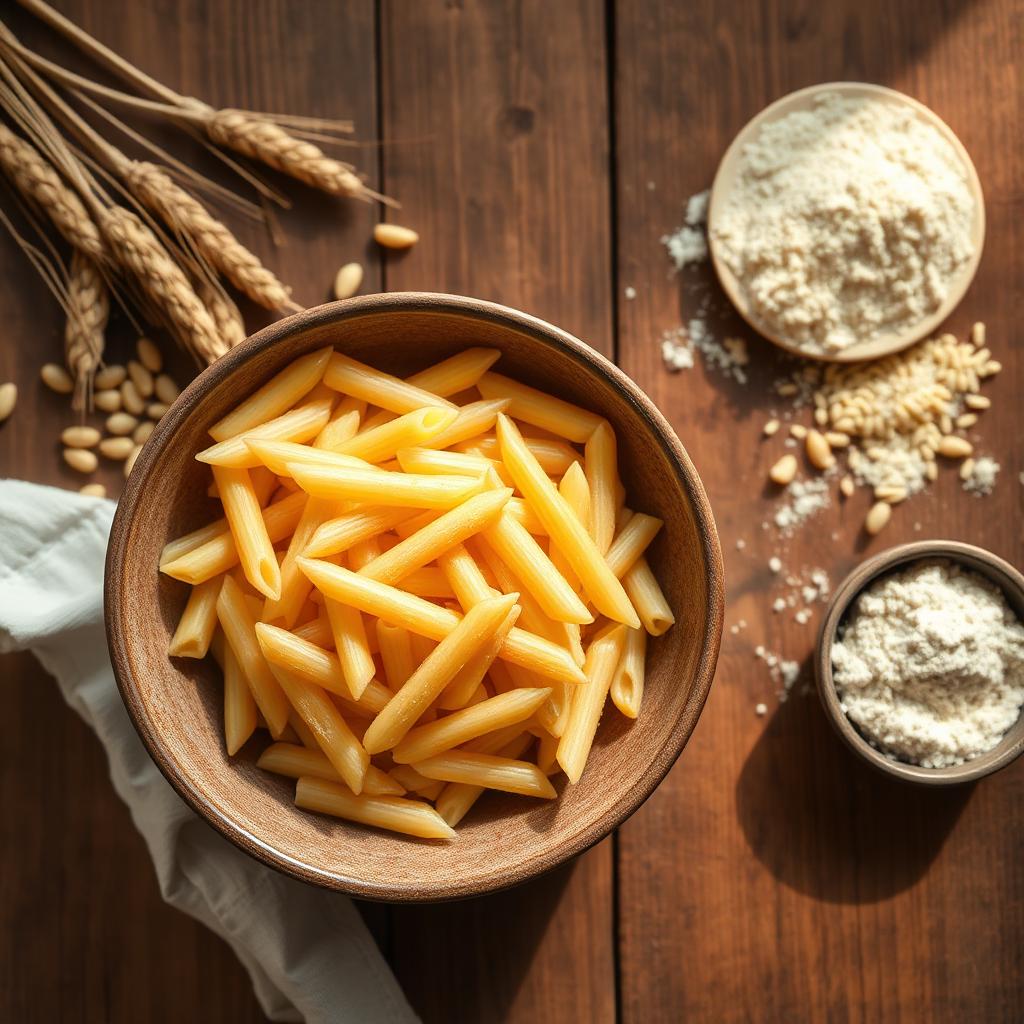
A standard 2 ounce (56 gram) dry serving of traditional semolina pasta contains roughly 42 to 45 grams of carbohydrates. The good news is that it is a complex carbohydrate with a relatively low to moderate glycemic index of around 45 to 55, especially when cooked al dente, so it digests slowly and gives steadier energy than white bread or sugary snacks.
How Many Carbs Are in a Typical Pasta Serving?
The numbers below are for a standard 2 ounce (56 gram) dry serving, which cooks to roughly 1 to 1.25 cups depending on the shape:
- Calories: about 200 to 210
- Carbohydrates: 42 to 45 grams
- Fibre: 2 to 3 grams
- Protein: 7 to 8 grams
- Fat: 1 gram or less
For comparison, the same 200 calories of white bread is closer to 38 grams of carbs but with a much higher glycemic impact, and a 200 calorie serving of cooked white rice has around 45 grams of carbs with a higher GI than al dente pasta.
What Is Pasta's Glycemic Index?
Glycemic index (GI) measures how quickly a food raises blood sugar. Pure glucose is 100. Most studies put white semolina pasta cooked al dente at a GI of around 45 to 55, which is in the low to moderate range. Two factors drive that lower than expected number:
- Pasta's tightly bonded gluten and protein matrix slows the breakdown of starches during digestion.
- Al dente cooking keeps more of the starch in a less gelatinised state, which slows absorption further.
Overcook the pasta until very soft and the GI rises noticeably.
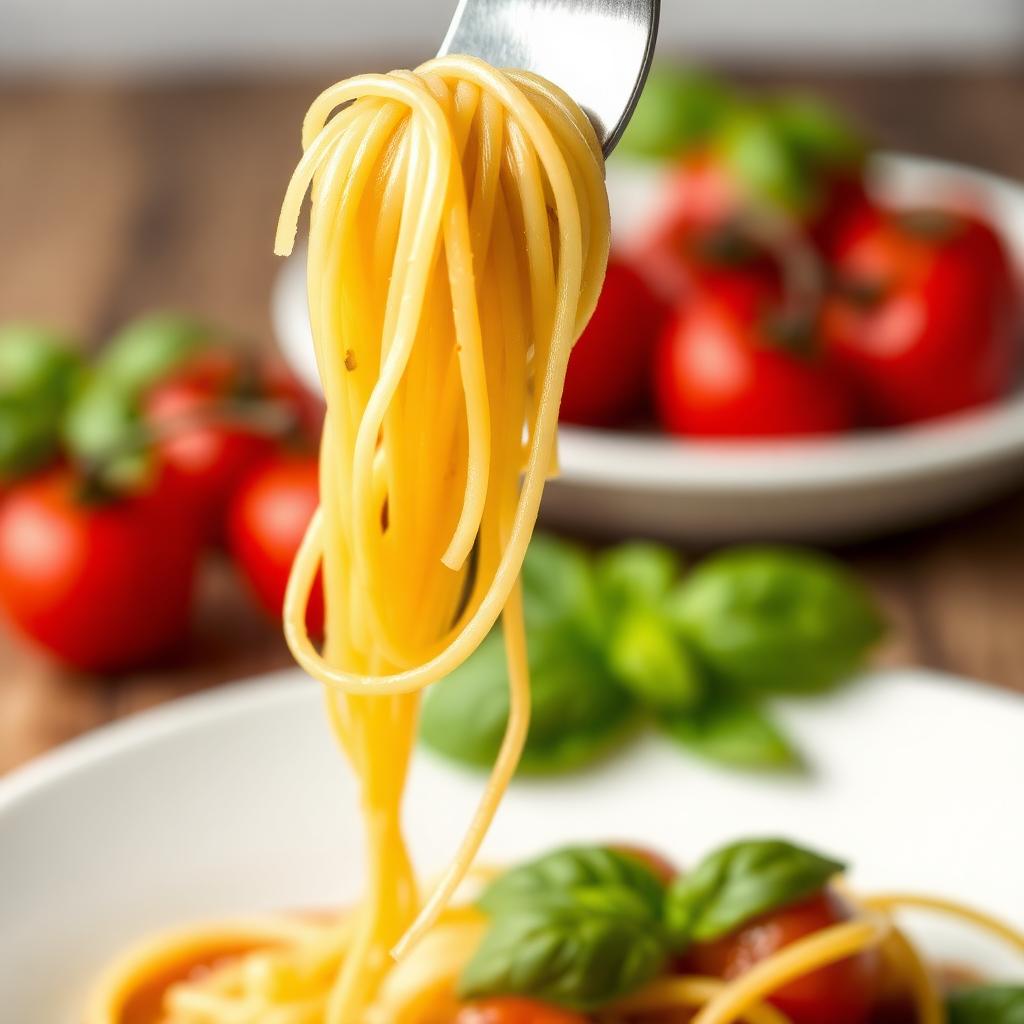
White vs Whole Wheat vs Legume Pastas
- Traditional semolina: 42 to 45 g carbs, 2 to 3 g fibre per 2 oz serving.
- Whole wheat pasta: 40 to 43 g carbs, 6 to 7 g fibre per 2 oz serving.
- Chickpea or lentil pasta: 30 to 35 g carbs, 8 to 13 g fibre, 12 to 15 g protein per 2 oz serving.
- Edamame or black bean pasta: 18 to 22 g carbs, 11 g fibre, 24 g protein per 2 oz serving.
How to Eat Pasta Without Spiking Blood Sugar
- Cook to al dente, not soft.
- Pair with protein (chicken, seafood, beans, eggs) and vegetables.
- Add olive oil or another healthy fat to slow absorption further.
- Keep portion sizes honest: 2 ounces dry is one real serving.
- Choose whole wheat or legume pasta a few times a week to push fibre intake higher.
Should You Avoid Pasta on a Low Carb Diet?
If you are following a strict keto or very low carb plan, traditional semolina pasta will not fit a daily 20 to 50 gram carb budget. In that case, legume based pastas in moderation, shirataki noodles, spiralised vegetables or hearts of palm pasta are better substitutes. For everyone else, pasta in measured portions is perfectly compatible with a balanced diet.
Bottom Line
Pasta is high in carbohydrates by design (around 42 to 45 grams per 2 ounce dry serving), but those carbs are complex and slow digesting with a low to moderate glycemic index when cooked al dente. Mind portion size, pair with protein and vegetables, and choose whole wheat or legume versions where it suits you, and pasta belongs in a healthy diet without apology.
Does Pasta Have a Lot of Carbs: Reader Questions
Does pasta have a lot of carbs compared to rice or bread?
Per equal calorie portions, pasta and white rice are roughly comparable in total carbs, with pasta often carrying slightly less. Both have more carbs than the same calorie weight of bread, but al dente pasta has a lower glycemic impact than either.
Does pasta have a lot of carbs in the protein enriched versions?
Significantly less. Chickpea, lentil and edamame pastas can cut total carbs by 20 to 50 percent while adding extra protein and fibre per serving.
Does pasta have a lot of carbs even when whole wheat?
Whole wheat pasta has similar total carbs to white pasta but doubles the fibre, which slows digestion and lowers the practical blood sugar impact of the same gram count.
Is pasta bad for diabetics?
Not inherently. Cooked al dente, paired with protein, healthy fats and vegetables in measured portions, pasta fits into a balanced diabetic eating plan for most people. Always check with your own clinician for personalised guidance.
How much pasta should I eat in one serving?
The dry weight standard is 2 ounces (56 grams). It looks small uncooked but doubles in volume once boiled.
Final Word on Whether Pasta Have a Lot of Carbs
Yes, traditional semolina pasta does have a lot of carbohydrates per serving, around 42 to 45 grams in a 2 ounce dry portion. The redeeming detail is that these are complex carbohydrates with a low to moderate glycemic index when the pasta is cooked al dente, so they digest slowly and provide steady energy. Mind your portion size, pair pasta with protein and vegetables, and keep an eye on whole wheat or legume alternatives when you want lower carb or higher fibre options.