Quick Answer
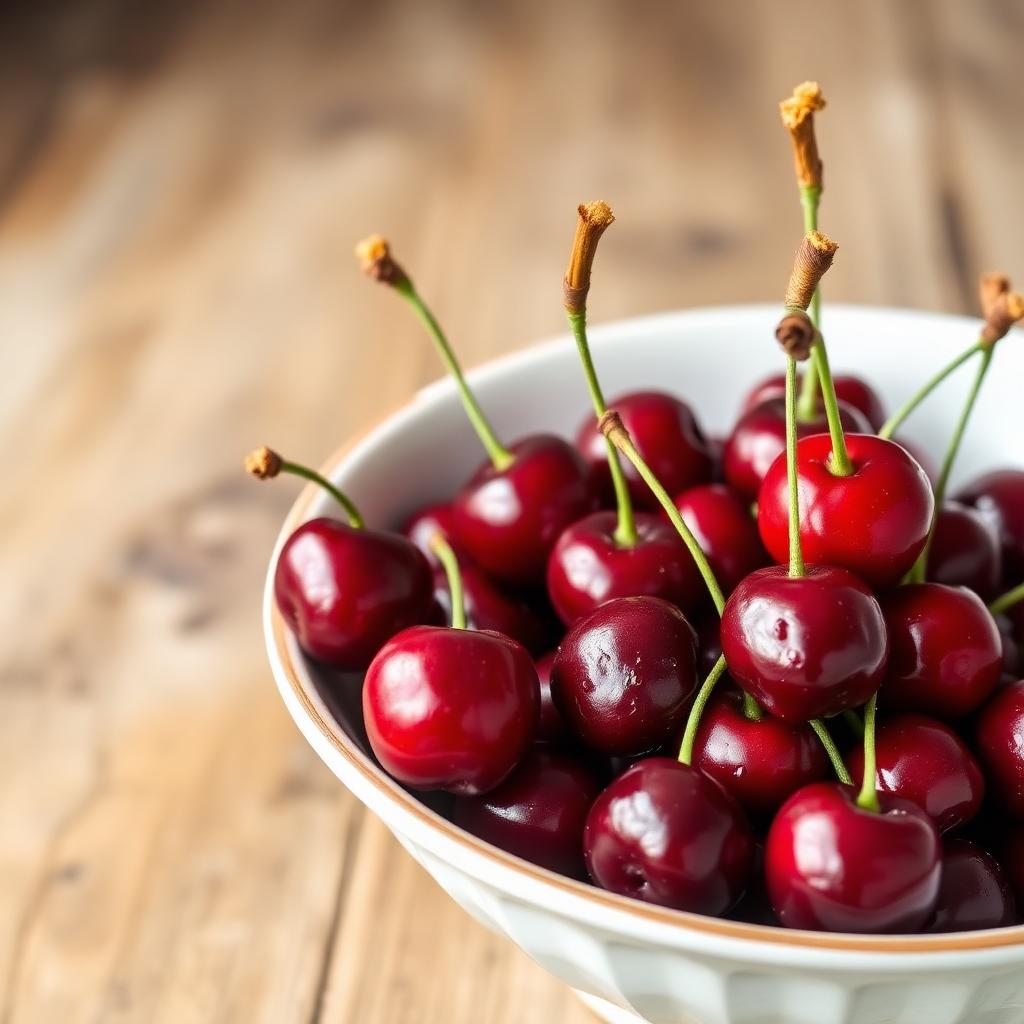
One cup of fresh, pitted sweet cherries (about 154 grams) provides roughly 97 calories, 25 grams of carbohydrate, 3 grams of fiber, 1.6 grams of protein, and almost no fat. It also covers about 12 percent of the daily value for vitamin C and 7 percent of the daily value for potassium.
The deep red color comes from anthocyanins, the same antioxidant family found in blueberries and red grapes. Tart (sour) cherries carry more anthocyanin per gram than sweet cherries.
Dried cherries are a different food: a quarter cup runs about 130 calories with 26 grams of sugar, mostly because the water is gone and the sugar is concentrated.
Full nutrition panel for one cup of sweet cherries
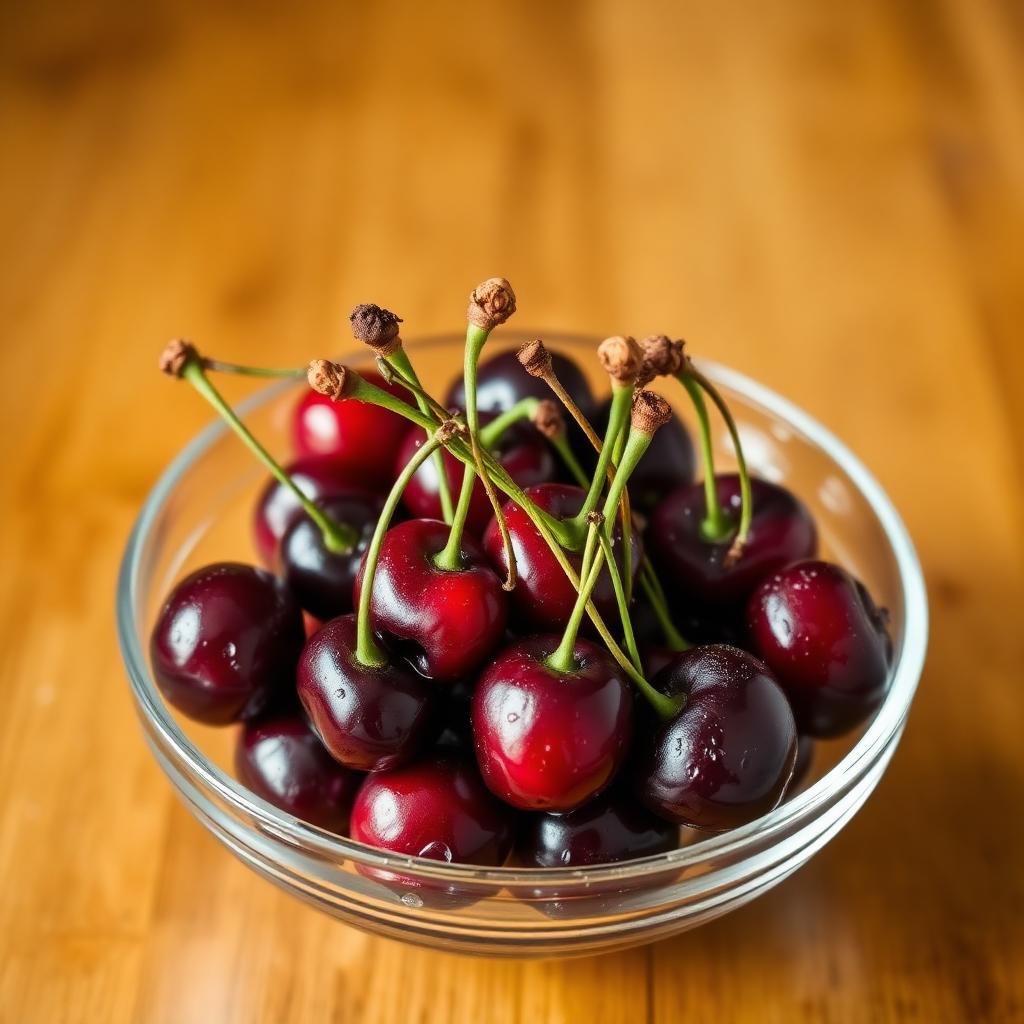
Values from USDA FoodData Central for raw, pitted sweet cherries, 154 g per cup.
| Nutrient | Amount | % Daily Value |
|---|---|---|
| Calories | 97 kcal | 5% |
| Total carbohydrate | 25 g | 9% |
| Dietary fiber | 3.2 g | 11% |
| Total sugars | 20 g | n/a |
| Protein | 1.6 g | 3% |
| Total fat | 0.3 g | 0% |
| Vitamin C | 10.8 mg | 12% |
| Potassium | 342 mg | 7% |
| Vitamin A (RAE) | 4.6 mcg | 1% |
| Copper | 0.1 mg | 11% |
Sweet cherries vs tart cherries
Sweet cherries (Bing, Rainier, Lapins, Skeena) are the firm, dark red and yellow fruit sold for fresh eating. Tart cherries (Montmorency, Balaton) are smaller, softer, brighter red, and dominate the juice, dried, and frozen aisles.
- Calories per cup: sweet 97, tart 78 (tart is leaner because the natural sugar content is lower).
- Anthocyanin load: tart cherries average 40 to 80 mg per 100 g; sweet cherries average 30 to 60 mg per 100 g.
- Melatonin: tart cherries are one of the few documented dietary sources, at roughly 13 ng per gram, which is why they show up in sleep aid research.
Frozen, dried, juiced: how the numbers shift
- Frozen unsweetened sweet cherries (1 cup). Almost identical to fresh: 90 to 100 calories, 23 g sugar, fiber intact.
- Canned tart cherries in water (1 cup). About 88 calories and 17 g sugar.
- Canned cherries in heavy syrup (1 cup). About 233 calories and 56 g sugar.
- Dried cherries, unsweetened (1/4 cup). About 130 calories, 26 g sugar.
- 100 percent tart cherry juice (8 oz). About 140 calories and 32 g sugar.
For weight management or blood glucose stability, fresh and frozen are the cleanest pick.
What the research actually shows
- Inflammation and recovery. A 2018 meta analysis in Nutrients reported that tart cherry juice supplementation reduced muscle soreness and inflammatory markers after endurance and resistance exercise.
- Sleep. A 2010 trial in the European Journal of Nutrition found a small but significant improvement in sleep duration and efficiency in adults consuming Montmorency cherry juice twice daily.
- Gout and uric acid. A 2012 case crossover study in Arthritis & Rheumatism linked cherry intake over a 2 day period with a 35 percent lower risk of gout attacks.
- Blood pressure and lipids. Limited but consistent evidence that anthocyanin rich diets, including cherries, modestly lower systolic blood pressure and LDL cholesterol.
Cherries and blood sugar
Fresh sweet cherries have a glycemic index of about 22, which is firmly low. A 1 cup serving has a glycemic load of about 6. That makes them an excellent fruit choice for anyone managing insulin sensitivity, including most people with type 2 diabetes when consumed in standard portions.
Pairing cherries with a source of protein or fat (a handful of nuts, a spoon of yogurt) flattens the post meal glucose curve further.
Pits, leaves, and stems
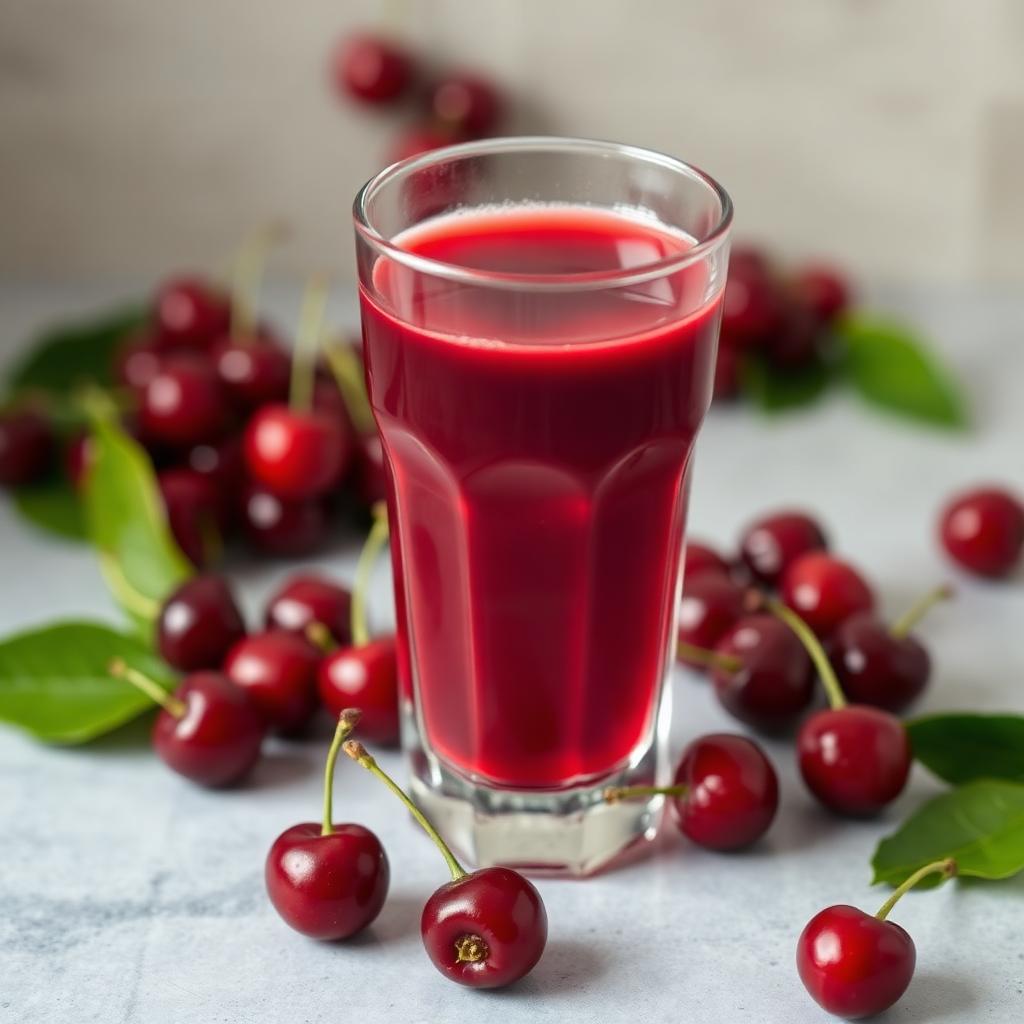
Cherry pits, leaves, and stems contain amygdalin, a cyanogenic glycoside that the body can metabolize into hydrogen cyanide. The flesh is completely safe. Do not chew or grind whole pits, and keep pitted leaves and stems out of foods prepared for young children.
FAQs
How many cherries are in a serving?
About 21 fresh sweet cherries make up one cup pitted, roughly 100 calories.
Are cherries good for weight loss?
Yes. They are mostly water by weight, deliver 3 g of fiber per cup, and have a low glycemic index.
Can I eat cherries every day?
For most healthy adults, a cup per day is a strong choice. People on certain medications metabolized by the liver should ask a pharmacist about juice quantities, since juice concentrates can interact at high volumes.
Are organic cherries worth it?
Cherries are on the Environmental Working Group's Dirty Dozen list most years, so organic is reasonable when budget allows.
The takeaway
A cup of fresh cherries is a low calorie, fiber rich, anthocyanin packed snack that earns its place in any healthy eating plan. Sweet cherries are the easy fresh pick, tart cherries dominate the recovery and sleep research, and dried versions are best treated as a concentrated dessert rather than a serving of fruit.