Quick Answer
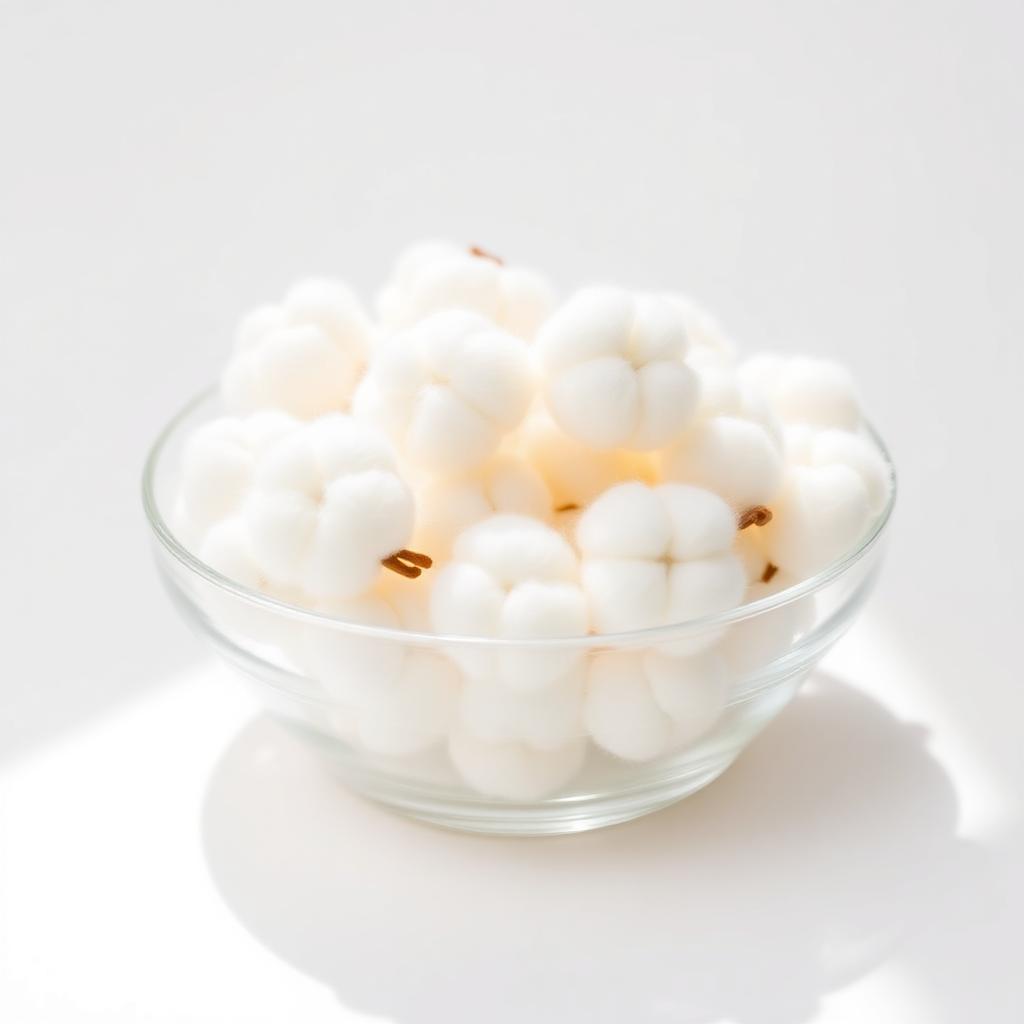
The cotton ball diet is a dangerous disordered eating practice in which people swallow cotton balls (often dipped in juice or smoothies) to suppress appetite and limit calories.
It is not a weight loss method. The human digestive tract cannot break down cotton fibers, so the swallowed material accumulates into a solid mass called a bezoar, which can cause life threatening bowel obstruction and tissue death.
Most commercial "cotton balls" are not actually cotton, they are bleached polyester or chemically processed wood pulp, adding the risk of acute chemical exposure on top of the obstruction risk.
If you or someone you know is struggling with disordered eating, please contact a qualified clinician. In the US, the National Alliance for Eating Disorders helpline is 1-866-662-1235.
Where the practice came from

The practice surfaced publicly in the late 2000s and was widely reported in the fashion and modeling press by 2013, when several models named it as a coping mechanism for the extreme weight requirements in their industry. Search trends spiked again on TikTok and YouTube as eating disorder content warnings drove media coverage.
It has been formally identified by eating disorder clinicians as a behavior associated with anorexia nervosa, bulimia nervosa, and "other specified feeding or eating disorder" (OSFED). The American Academy of Pediatrics has issued advisories warning parents and pediatricians to screen for it in adolescents.
Why it physically cannot work as advertised
The pitch behind the diet is that cotton balls take up stomach volume without adding calories. The biology breaks down quickly:
- Humans cannot digest cellulose. Cotton is almost pure cellulose. The human gut lacks cellulase, the enzyme that breaks cellulose into absorbable sugars.
- Cotton fibers tangle. Once wet, fibers compact into a dense, indigestible mass that can lodge in the stomach or small intestine.
- The mass keeps growing. Every additional swallowed cotton ball adds to the existing bezoar, with no mechanical exit until it is surgically removed.
The real medical consequences
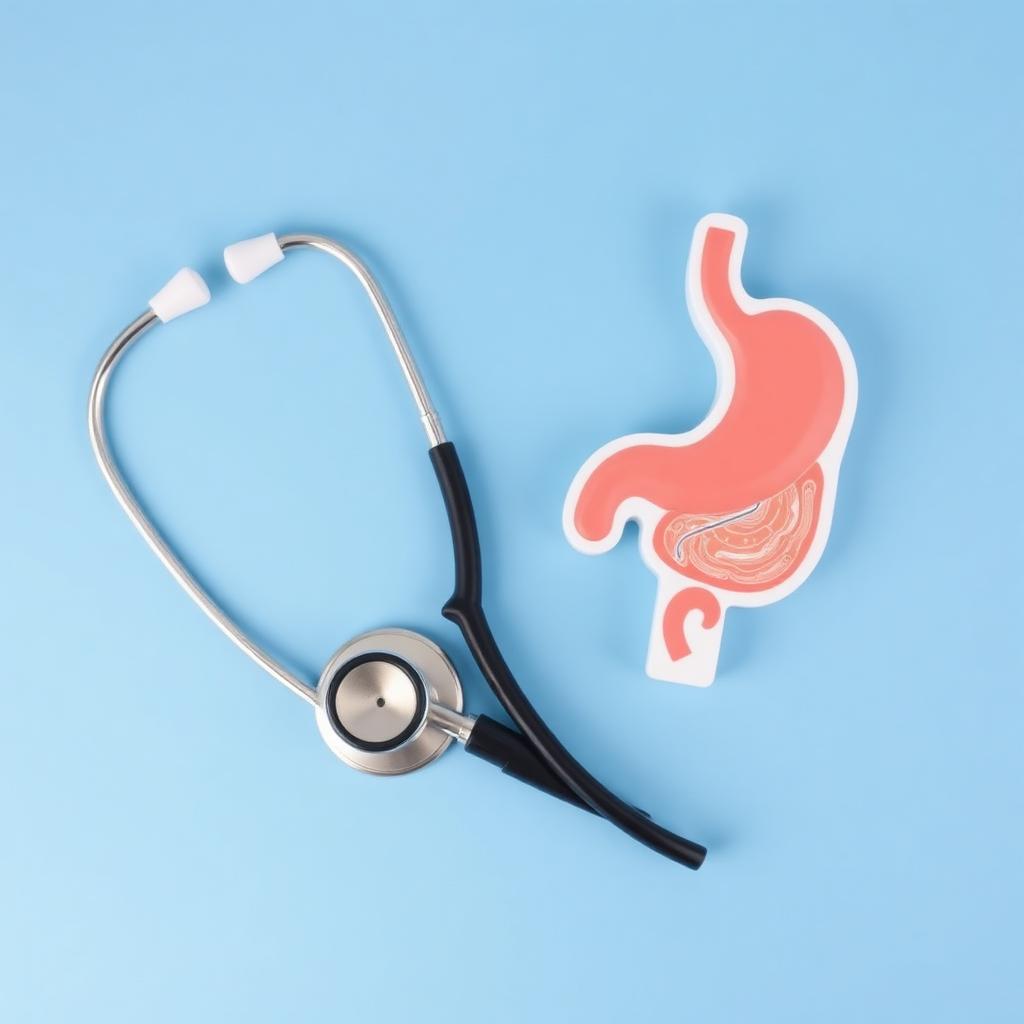
Documented case reports in The American Journal of Gastroenterology and emergency medicine literature describe the following complications:
- Gastric or intestinal bezoars. A tangled mass of fibers that often requires endoscopic or surgical removal.
- Bowel obstruction. Severe abdominal pain, vomiting, inability to pass gas or stool. Untreated cases progress to bowel necrosis.
- Ischemic bowel necrosis. Pressure from the bezoar can cut off the blood supply to a section of intestine, killing the tissue and triggering sepsis.
- Malnutrition. Even when no obstruction occurs, the practice replaces nutritionally complete meals with non food material, driving rapid nutrient deficiency.
- Esophageal damage. Repeated swallowing of dense material can cause mucosal tears, especially when combined with self induced vomiting.
The hidden chemical hazard
Most products sold as "cotton balls" in pharmacies and beauty aisles are not actually cotton. The FDA does not regulate the label, and the majority of mass market products are made of bleached polyester or chemically treated wood pulp. That means swallowing them introduces:
- Residual chlorine bleach compounds.
- Industrial dyes and brightening agents.
- Polyester microfibers that the gut cannot process at all.
The chemical exposure is small per cotton ball, but it accumulates with repeated swallowing and can compound the inflammation already caused by the mechanical obstruction.
How clinicians treat it
Treatment runs on two parallel tracks:
- Medical. Imaging (usually CT) to confirm a bezoar, endoscopic removal where possible, surgical resection in severe cases, IV fluids, and antibiotics if bowel perforation is suspected.
- Psychiatric. Screening for and treatment of an underlying eating disorder, typically anorexia nervosa or OSFED. Evidence based interventions include cognitive behavioral therapy for eating disorders (CBT-E), family based therapy in adolescents, and nutritional rehabilitation under a registered dietitian.
Safer ways to feel full on fewer calories
If the underlying goal is satiety on a calorie deficit, several evidence based foods produce strong fullness signals without harm:
- High volume vegetables. Leafy greens, cucumber, zucchini, broccoli. Large volume, very low calorie density.
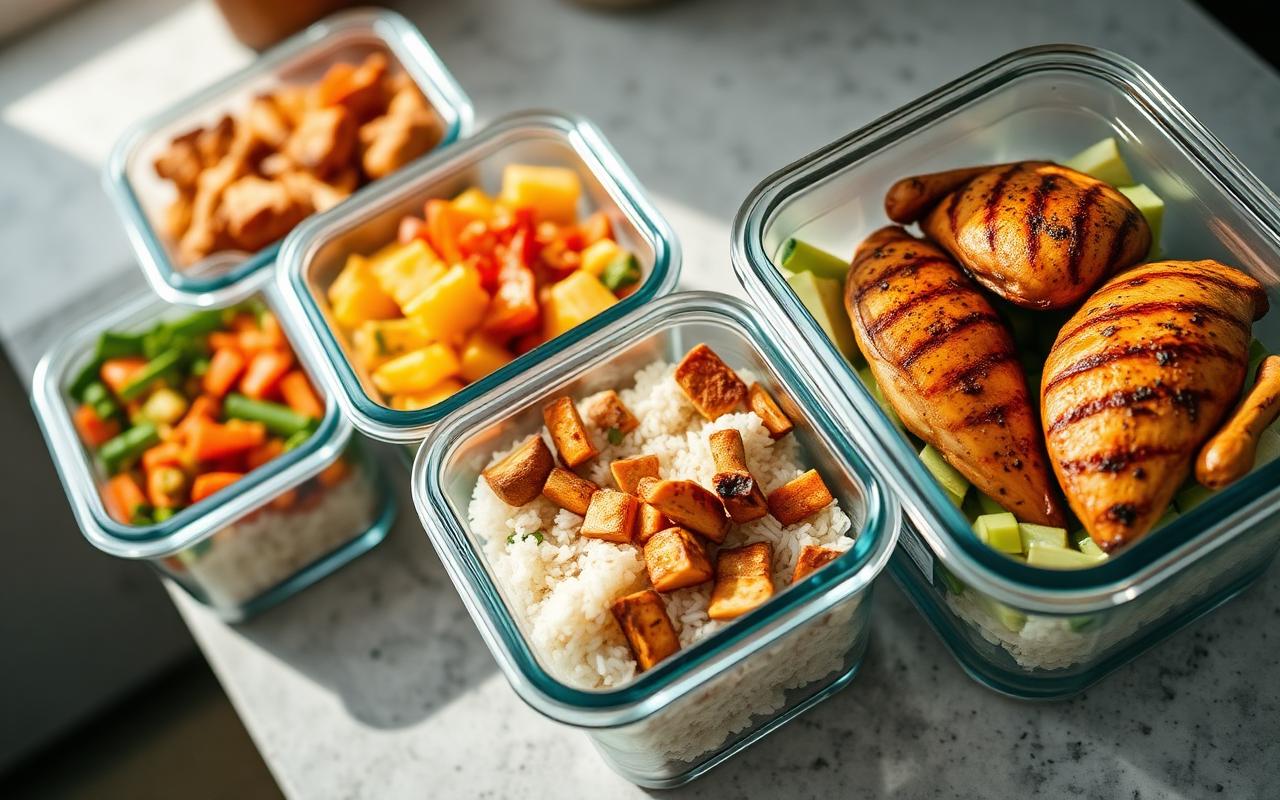
- Protein. Eggs, Greek yogurt, chicken breast, tofu, fish. Protein has the highest satiety per calorie of any macronutrient.
- Viscous fibers. Oats, chia seeds, psyllium husk. They expand in the stomach and slow gastric emptying.
- Water before meals. A 500 ml glass of water 20 minutes before eating reduces calorie intake by an average of 75 to 90 kcal in published trials.
FAQs
Can a single cotton ball kill you?
A single cotton ball is unlikely to cause death, but it can lodge in the throat or upper GI tract and cause choking or local damage. Repeated swallowing dramatically raises the risk of obstruction.
Are organic cotton balls safer to swallow?
No. Even pure cotton is indigestible. The chemical concern is reduced, but the obstruction risk is identical.
What are the warning signs to watch for?
Sudden abdominal pain, persistent vomiting, inability to pass stool or gas, bloating, and unexplained weight loss in a teen or young adult. Get medical care immediately.
Is this still a current trend?
The practice resurfaces every few years on social platforms despite content warnings and platform bans. Clinicians continue to see cases.
The takeaway
The cotton ball diet is not a weight loss strategy. It is a dangerous, sometimes deadly behavior tied to disordered eating that can cause bowel obstruction, ischemic necrosis, and chemical poisoning. If this is something you or someone you love is doing, the right next step is professional help, not more cotton balls.