Quick Answer
The bare minimum for an average adult man is around 0.8 grams of protein per kilogram of body weight, which works out at roughly 56 grams a day for someone weighing 70kg. That is a floor designed to prevent deficiency, not a target for feeling good.
Most men who train, walk a lot, or simply want to hold onto muscle as they age do better on 1.2 to 1.6 grams per kilogram. For an 80kg man that is about 96 to 128 grams a day.
Split that across three or four meals and it stops feeling like a chore. Roughly 30 grams per meal covers most men without any powder at all.
Why the official minimum is so low
The 0.8 g/kg figure comes from nitrogen balance studies. Researchers looked for the point where the average person stops losing body protein, added a safety margin, and published it. It answers one narrow question: how little can you get away with?
That is a useful number for public health policy. It is a poor number for a man who lifts twice a week, cycles to work, or is trying to stay strong through his fifties. Those goals sit well above deficiency prevention.
This is why you see two very different numbers quoted. Both are correct, they just answer different questions. Treat the low figure as the floor and the higher range as the working target.
Working out your own number
- Convert your weight to kilograms. Divide pounds by 2.2.
- Pick a multiplier. Use 1.0 if you are largely sedentary, 1.4 if you train two or three times a week, and 1.6 if you lift seriously or are dieting.
- Adjust for excess body fat. If you are well above a healthy weight, run the calculation on a realistic goal weight instead, or the number becomes unmanageable.
- Divide by your meal count. The per-meal figure is what you actually plan around.
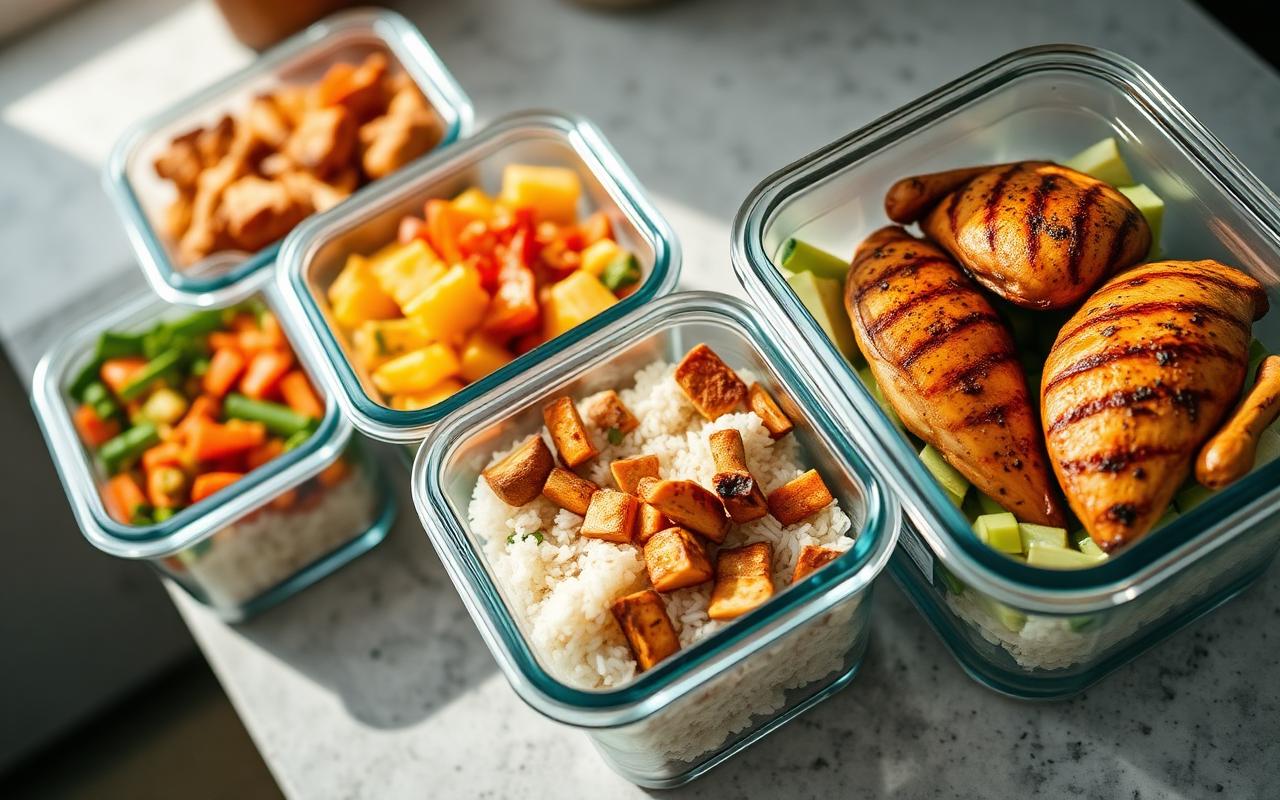
Worked example: a 90kg man who lifts three times a week multiplies 90 by 1.5 and lands on 135 grams. Across four eating occasions that is about 34 grams each, which is a chicken breast, a large yogurt, a tin of tuna and a serving of mince.
What 30 grams of protein actually looks like
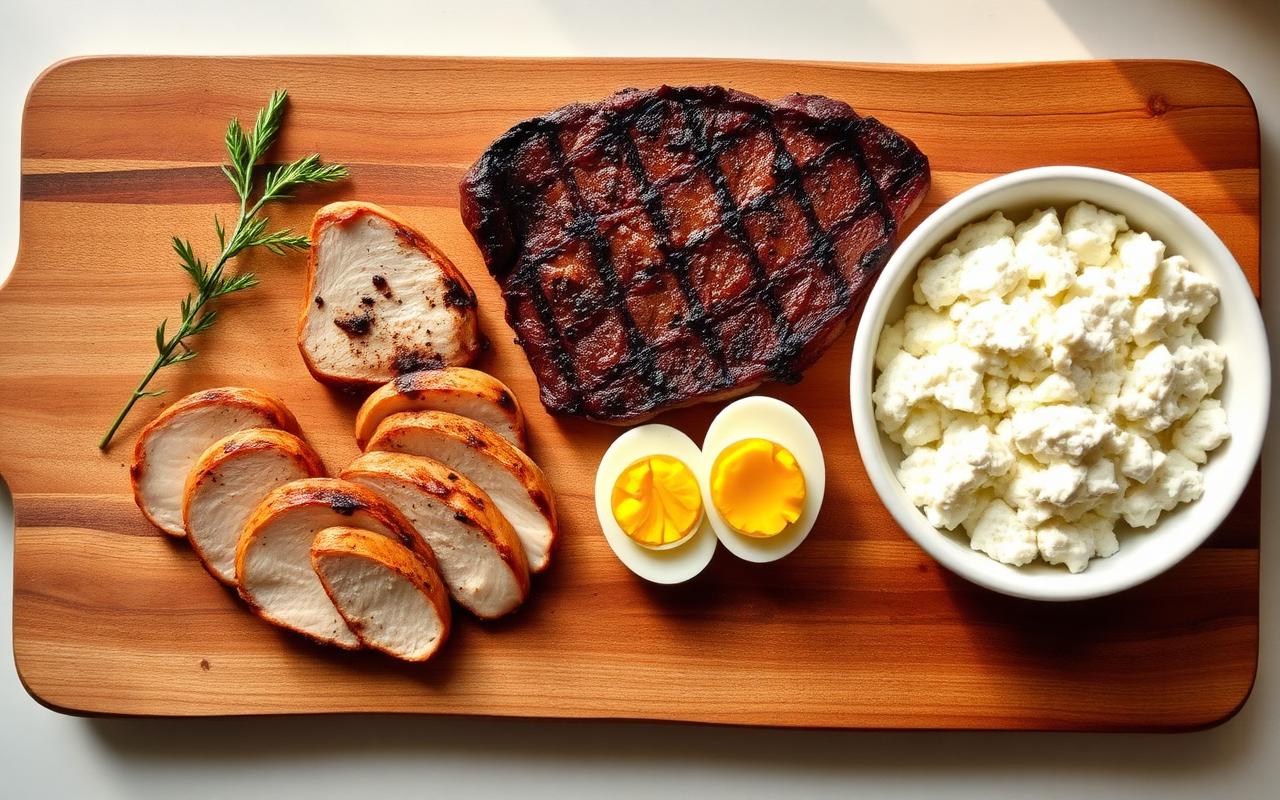
- Chicken breast: around 100g cooked, which is smaller than most people picture.
- Sirloin steak: about 110g cooked.
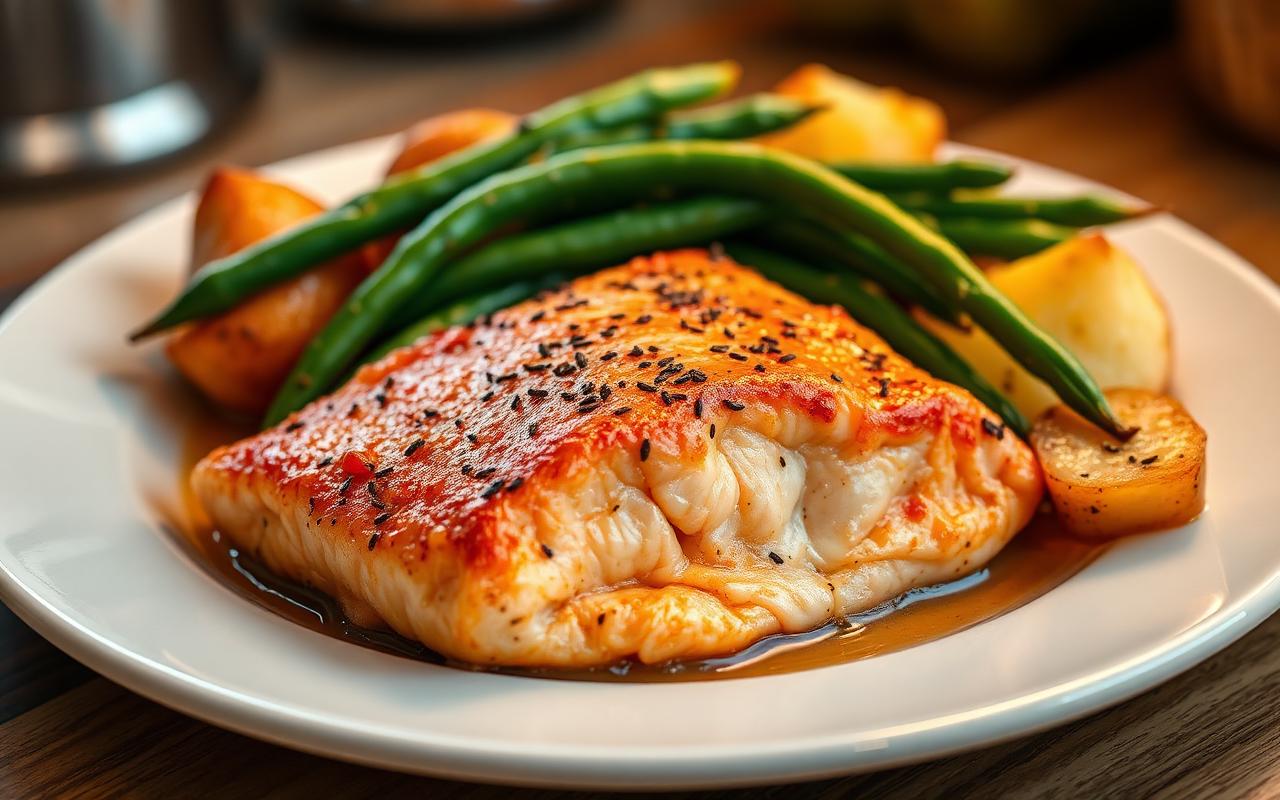
- Salmon fillet: roughly 130g cooked.
- Canned tuna: about one and a half standard tins, drained.
- Eggs: five large eggs, which is why an omelette needs a side.
- Greek yogurt: a 300g pot of the thick strained kind.
- Cottage cheese: roughly 250g.
- Cooked lentils: about 330g, so plant sources need combining.
Write that list on a note in your phone for a fortnight. Most men discover their lunch was carrying half the protein they assumed.
Do men need more protein than women?
Per kilogram of body weight, no. The gram-per-kilogram guidance is identical. In absolute grams men usually need more simply because they tend to be heavier and carry more lean mass, and lean mass is what drives the requirement.
Body composition matters more than sex. A muscular 60kg person needs more protein than a sedentary 60kg person, regardless of who they are. Use body weight as a rough proxy and adjust for training.
Protein and age
Requirements climb as you get older. From roughly the age of forty, muscle becomes less responsive to the protein you eat, a phenomenon researchers call anabolic resistance. Expert groups working on healthy ageing recommend 1.0 to 1.2 grams per kilogram for older adults, and up to 1.2 to 1.5 for those with illness or who are recovering.
The practical takeaway is that a 60 year old man should not eat like a 25 year old with a huge appetite and a tiny breakfast. Front loading protein earlier in the day is a small change with a real payoff.
A realistic day at 130 grams
- Breakfast: three eggs with a slice of wholegrain toast and a small yogurt, roughly 32g.
- Lunch: chicken and rice bowl with beans and salad, roughly 40g.
- Snack: a tin of tuna on crackers or a handful of nuts with cottage cheese, roughly 25g.
- Dinner: salmon or lean mince with potatoes and vegetables, roughly 35g.
No shakes required. Powder is a convenience, not a requirement, and it works best when it is closing a gap rather than replacing a meal.
Common mistakes
- Weighing raw and counting cooked. Meat loses about a quarter of its weight in the pan, so 150g raw chicken is nearer 110g on the plate.
- Loading everything into dinner. A 90 gram evening meal does less for you than three 30 gram meals.
- Assuming bread and pasta contribute nothing. They contribute a little, and across a day those small amounts add up to ten or fifteen grams.
- Ignoring fiber. Raising protein without raising vegetables and whole grains is the fastest way to feel uncomfortable.
- Chasing a number you cannot repeat. A target you hit six days a week beats a perfect plan you abandon.
Is more always better?
Past roughly 1.6 grams per kilogram the extra benefit for muscle is small in healthy men, though higher intakes are not harmful for people with normal kidney function. What usually limits you is appetite and cost rather than safety.
If you have existing kidney disease, or you are on a medically supervised diet, talk to your doctor before pushing protein sharply upward. For everyone else the bigger risk is eating too little rather than too much.
The bottom line
Take your body weight in kilograms, multiply by somewhere between 1.2 and 1.6 depending on how active you are, and split the result across your meals. For most men that lands between 95 and 135 grams a day, reachable with ordinary food and a bit of planning.
Hit that consistently for a month, keep lifting something heavy twice a week, and you will notice the difference in recovery and hunger long before you notice it in the mirror.