Quick Answer
Yes. The cooking method changes the chemistry of the cholesterol in your food. Raw dietary cholesterol is relatively inert, but high heat plus oxygen converts it into Cholesterol Oxidation Products (COPs), unstable molecules that damage the lining of blood vessels and speed up plaque formation.
Steaming, poaching and boiling cap temperature at 100°C and limit oxygen, so they produce almost no COPs. Deep frying, pan searing in old oil and prolonged grilling produce the most. Baking sits in the middle and can be controlled with marinades.
If you are managing LDL or triglycerides, the choice between deep frying salmon and steaming it matters as much as the food itself.
Dietary cholesterol versus Cholesterol Oxidation Products
Standard dietary cholesterol in eggs, beef, butter and shellfish is a stable steroid molecule. On its own it has a modest effect on blood lipids in most people. The Dietary Guidelines for Americans dropped the 300mg per day cap in 2015 partly for this reason.
COPs are different. They form when cholesterol is heated above roughly 100°C in the presence of oxygen, light or transition metals like iron. The reaction creates compounds such as 7-ketocholesterol, 7β-hydroxycholesterol and cholesterol-5β,6β-epoxide. These oxysterols are cytotoxic to the endothelium and pro-inflammatory inside arterial walls, and they are repeatedly linked in the literature to atherosclerosis, neurodegeneration and macular damage.
Ranking common cooking methods
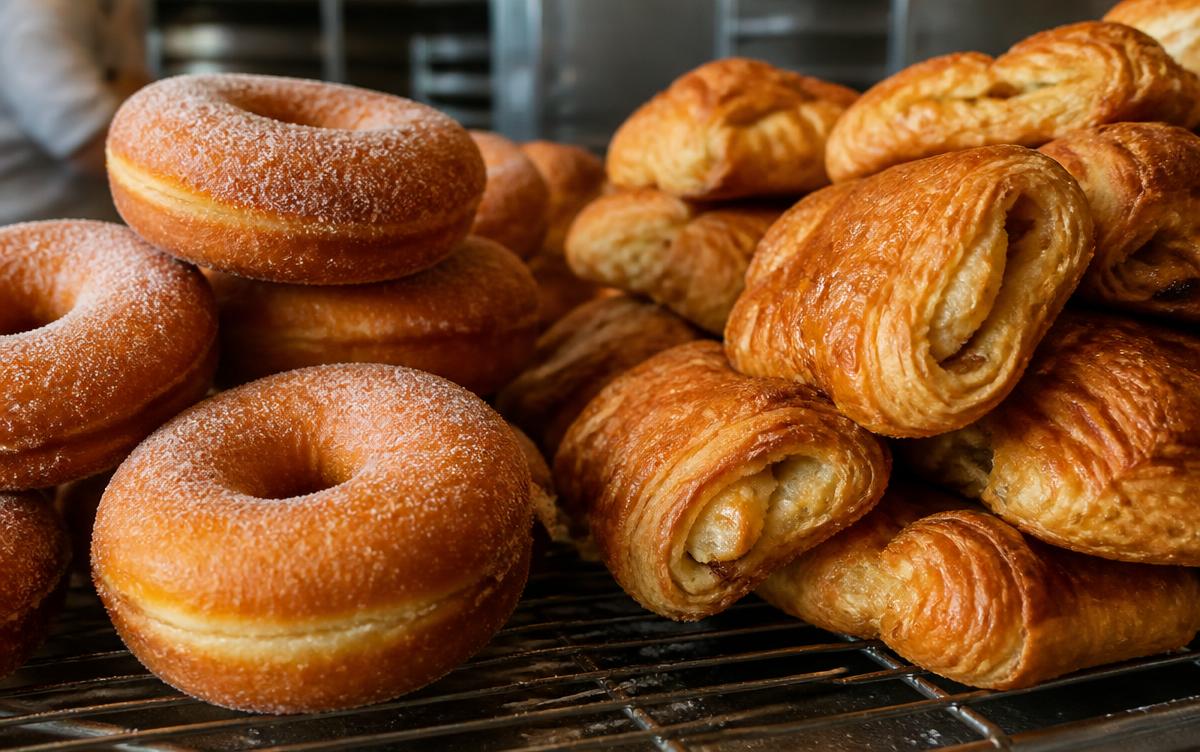
Deep frying and reused oil (highest risk)
Fryer oil sits at 175 to 190°C with constant air contact. Reusing the same oil compounds the problem because the oil itself oxidises and seeds new oxidation cascades in any food added to it. A 2018 study in Food Chemistry measured COP levels in fish deep fried in fresh oil versus oil reused five times: COP content roughly tripled.
Pan searing and stir frying (high)
A dry hot pan reaches 200°C quickly. Without water to buffer temperature, fats and surface proteins oxidise rapidly. Use a quick sear plus moisture finish (deglaze, lid on for the last minute) to limit exposure time.
Baking and oven roasting (moderate)
Dry heat at 150 to 220°C still drives oxidation, mostly on the food's surface. Antioxidant rich marinades (rosemary, oregano, garlic, lemon, olive oil) measurably suppress COP formation. A 2017 paper in Meat Science showed rosemary extract reduced 7-ketocholesterol formation in roasted beef by more than 60 percent.
Microwaving (variable)
Microwaves cook fast, which is generally protective, but localised hot spots can spike temperatures. Cover the dish and use shorter intervals with stirring.
Steaming, poaching and boiling (lowest risk)
Water caps temperature at 100°C and displaces oxygen. Cholesterol stays largely intact. The trade off is flavour and texture, which is why marinades and finishing sauces matter.
Quick reference table
| Method | Typical temperature | COP formation | Best for |
|---|---|---|---|
| Deep frying | 175 to 190°C | Very high | Avoid for cardiac patients |
| Pan searing (dry, old oil) | 180 to 220°C | High | Use fresh oil, finish with moisture |
| Oven baking / roasting | 150 to 220°C | Moderate | Use antioxidant marinades |
| Microwaving (covered) | Variable | Low to moderate | Quick reheats of lean proteins |
| Steaming | 100°C | Very low | Fish, vegetables, dumplings |
| Poaching | 70 to 90°C | Very low | Eggs, salmon, chicken breast |
| Sous vide | 55 to 70°C | Negligible | Tender cuts; no oxygen contact in the bag |
Practical cardioprotective swaps
- Swap pan fried eggs for poached. Poached eggs have measurably fewer oxysterols than fried.
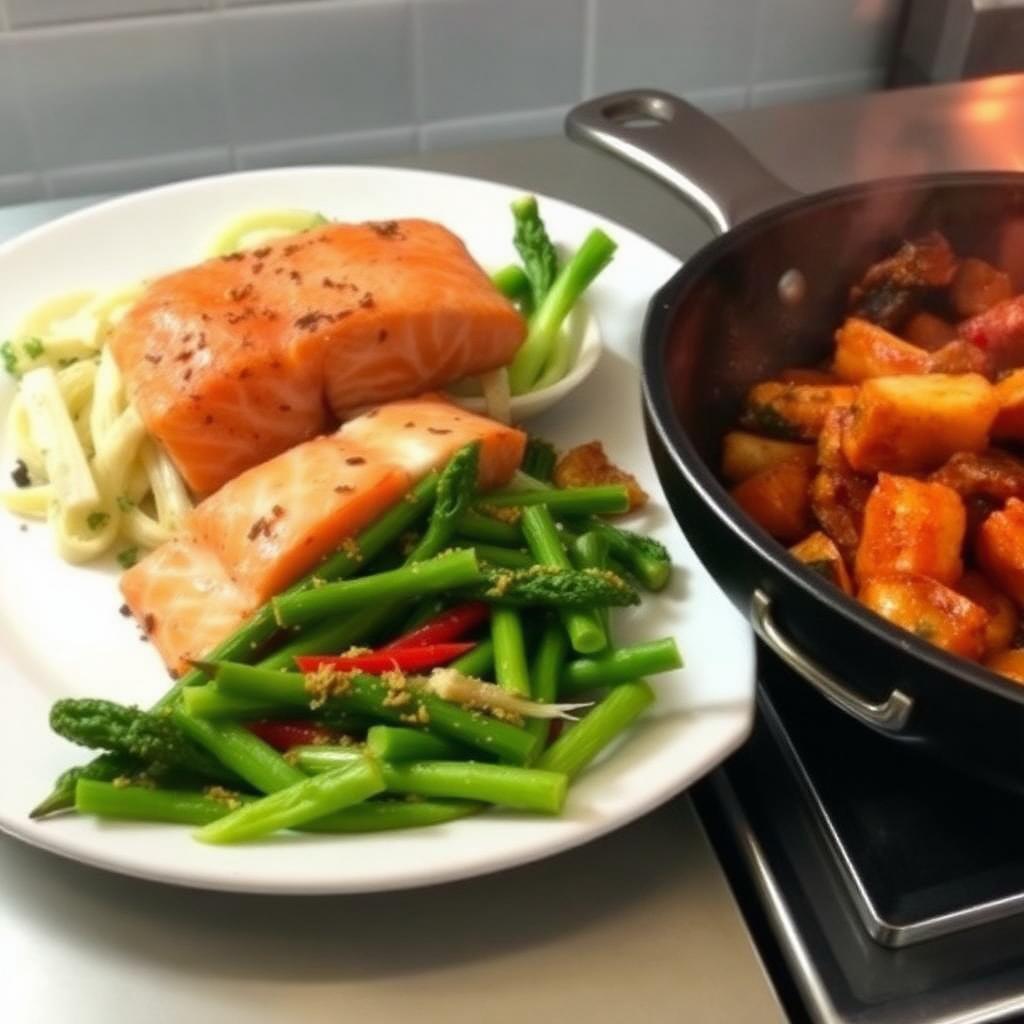
- For salmon and white fish, steam, en papillote or sous vide instead of pan frying. The omega-3 fats are also heat sensitive and oxidise on a hot grill.
- When you do roast or grill, marinate for at least 30 minutes in olive oil, garlic, rosemary, oregano and acid (lemon, vinegar). The polyphenols quench free radicals on the surface.
- Never reuse frying oil more than twice at home, and discard immediately if it smells acrid or smokes early.
- Charred edges are the most COP dense part of grilled meat. Trim them rather than eating them.
What this does not mean
You do not have to give up the occasional roast chicken or weekend grill. The aim is to bias the weekly cooking mix toward water based methods and reserve high heat dry methods for occasional use. A Mediterranean style pattern (heavy on steaming, poaching, slow braising, raw vegetables and olive oil) is the most validated cardioprotective cooking pattern in the literature.
The takeaway
Cooking method changes cholesterol from a neutral nutrient into a directly atherogenic compound when oxidation kicks in. Water keeps temperature low and oxygen out, dry heat does the opposite. If you are watching your lipids, shift roughly 70 percent of your protein cooking to steaming, poaching, sous vide or covered braising, and save deep frying for rare exceptions.