Quick Answer
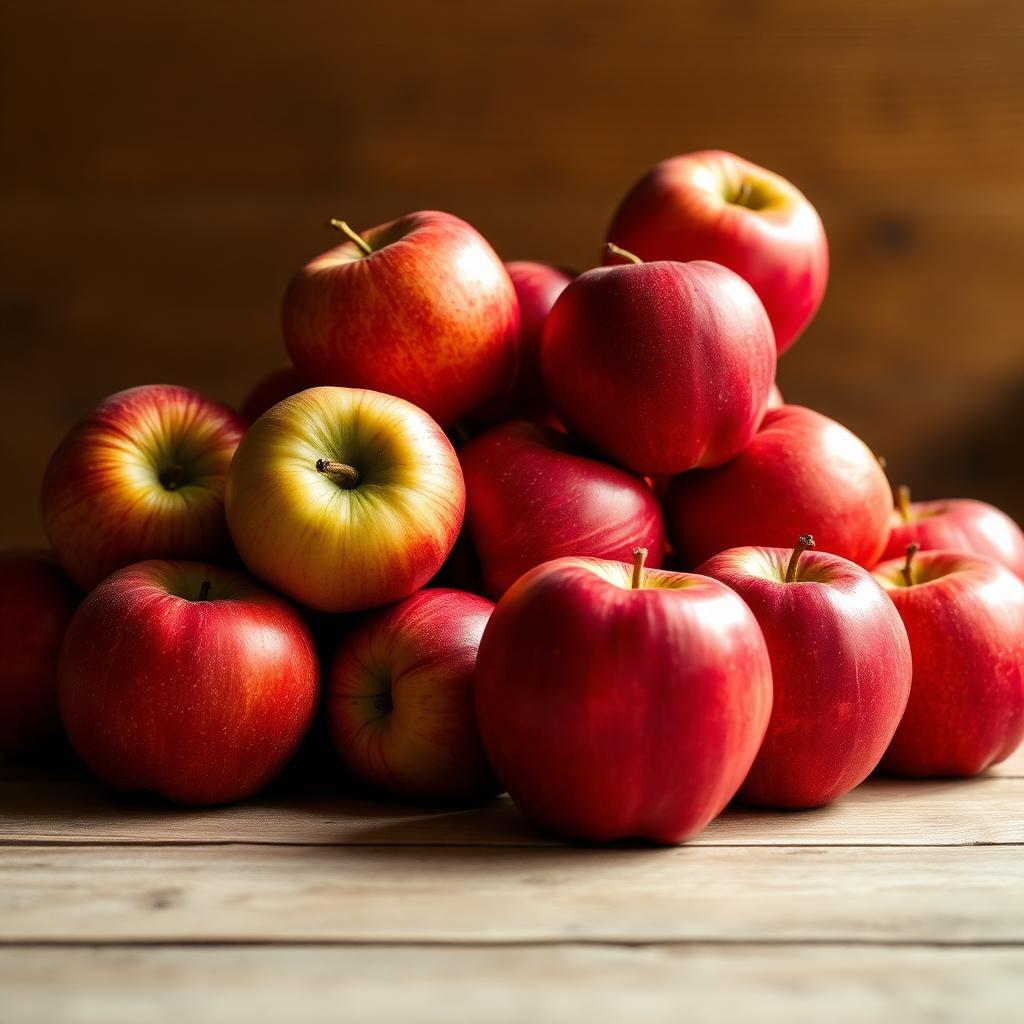
Yes. Eating whole apples regularly produces a small but measurable drop in LDL cholesterol. A 2020 randomised crossover trial in the American Journal of Clinical Nutrition found that two whole Renetta Canada apples per day for eight weeks lowered LDL by roughly 4 percent and total cholesterol by 3 percent in adults with mildly elevated lipids.
The mechanism is twofold. Soluble pectin fibre binds bile acids in the gut and forces the liver to pull cholesterol from the blood to make more. Polyphenols in the skin (epicatechin, quercetin, chlorogenic acid) prevent the oxidation of LDL particles that makes them atherogenic.
Whole apples with the skin only. Filtered apple juice strips the fibre and most of the polyphenols and concentrates fructose, which actually raises liver triglycerides.
Mechanism 1: pectin and the bile acid trap
Pectin is a soluble fibre concentrated in the apple's flesh and peel. Once swallowed, it absorbs water and forms a viscous gel in the small intestine. The gel physically binds bile acids, the cholesterol-rich digestive fluids the liver secretes to emulsify dietary fat.
Normally about 95 percent of bile acids are reabsorbed in the ileum and recycled. When pectin binds them, more pass through to excretion. To replace the lost pool, the liver must synthesise new bile acids, which requires cholesterol. To get the cholesterol it upregulates LDL receptors on its surface and pulls LDL out of the bloodstream.
Net effect: more bile excretion, more LDL clearance, lower serum LDL.
A medium apple delivers roughly 4 to 5 grams of total fibre, about 1 gram of which is pectin. Two apples a day is a meaningful contribution to the 5 to 10 gram daily soluble fibre target associated with cholesterol reduction.
Mechanism 2: polyphenols and LDL oxidation
LDL particles are not damaging in their native form. They become dangerous when they are oxidised by free radicals, after which macrophages in the arterial wall engulf them, turn into foam cells and form the early lesions of atherosclerosis.
Apple polyphenols, especially epicatechin, quercetin and chlorogenic acid, act as direct antioxidants in the bloodstream and partition into LDL particles, protecting them from oxidation. The polyphenol content is heavily concentrated in the skin. Peeling an apple removes the majority of its antioxidant capacity.
The Mediterranean diet's cardioprotective effect is partly attributed to a high daily polyphenol intake from fruit, vegetables, olive oil and red wine. Two apples deliver roughly 200 to 400 mg of polyphenols, a meaningful contribution.
Whole apple versus applesauce versus juice
| Form | Pectin (per serving) | Polyphenols | Sugar impact | Cardiovascular effect |
|---|---|---|---|---|
| Whole raw apple with skin (1 medium) | ~1g pectin, ~4g total fibre | High (peel intact) | Low glycaemic, slow absorption | Net positive: LDL down, oxidation down |
| Unsweetened applesauce (1/2 cup) | Reduced (matrix disrupted) | Moderate | Higher glycaemic than whole | Small positive |
| Filtered apple juice (8 oz) | 0g (fibre filtered out) | Very low | High fructose load, no fibre buffer | Net negative: raises liver triglycerides |
| Cloudy unfiltered apple juice (8 oz) | Trace | Higher than filtered | Still high glycaemic load | Neutral to slightly negative |
Which apples have the most polyphenols
Polyphenol content varies fivefold across varieties. The highest concentrations are found in:
- Red Delicious (highest in many US studies, especially in the peel)
- Granny Smith
- Pink Lady (Cripps Pink)
- Fuji
- Renetta Canada and other older European varieties
Newer commercial varieties bred for sweetness and shelf life (Gala, Golden Delicious) tend to have lower polyphenol content. Heirloom and older varieties are typically richer.
How much, how often
The strongest evidence comes from studies using two whole apples per day. One apple is still useful, especially as part of a broader high-fibre, plant-forward diet. The effect is incremental, not dramatic: roughly 3 to 5 percent LDL reduction over two months. For someone with LDL of 140 mg/dL, that is a drop of 4 to 7 points.
Combined with other proven measures (oats, legumes, nuts, replacing saturated fat with olive oil, exercise), the cumulative effect on LDL can reach 20 to 30 percent without medication.
Apples are not a statin replacement
For someone with established cardiovascular disease, familial hypercholesterolemia or LDL above 190 mg/dL, dietary changes alone are insufficient. Statins typically lower LDL by 30 to 55 percent and have decades of mortality data behind them. Two apples a day is a worthwhile dietary habit, not a substitute for medical treatment.
Other ways apples help the heart
- Blood pressure. Quercetin has mild blood pressure lowering effects in meta-analyses.
- Endothelial function. Polyphenols improve flow-mediated vasodilation, a marker of artery health.
- Microbiome. Pectin is a prebiotic that feeds Bifidobacterium, which produces short chain fatty acids with their own cardiometabolic benefits.
- Satiety. Whole apples increase fullness and modestly reduce calorie intake at the next meal.
The takeaway
An apple a day really does help. Two whole apples with the skin, daily, lower LDL by a few percent through pectin's bile acid binding and polyphenol protection against LDL oxidation. Choose red-skinned heirloom varieties, eat the peel, skip the juice and treat apples as one tool in a broader plant-forward, exercise-supported approach to long term heart health.