Quick Answer
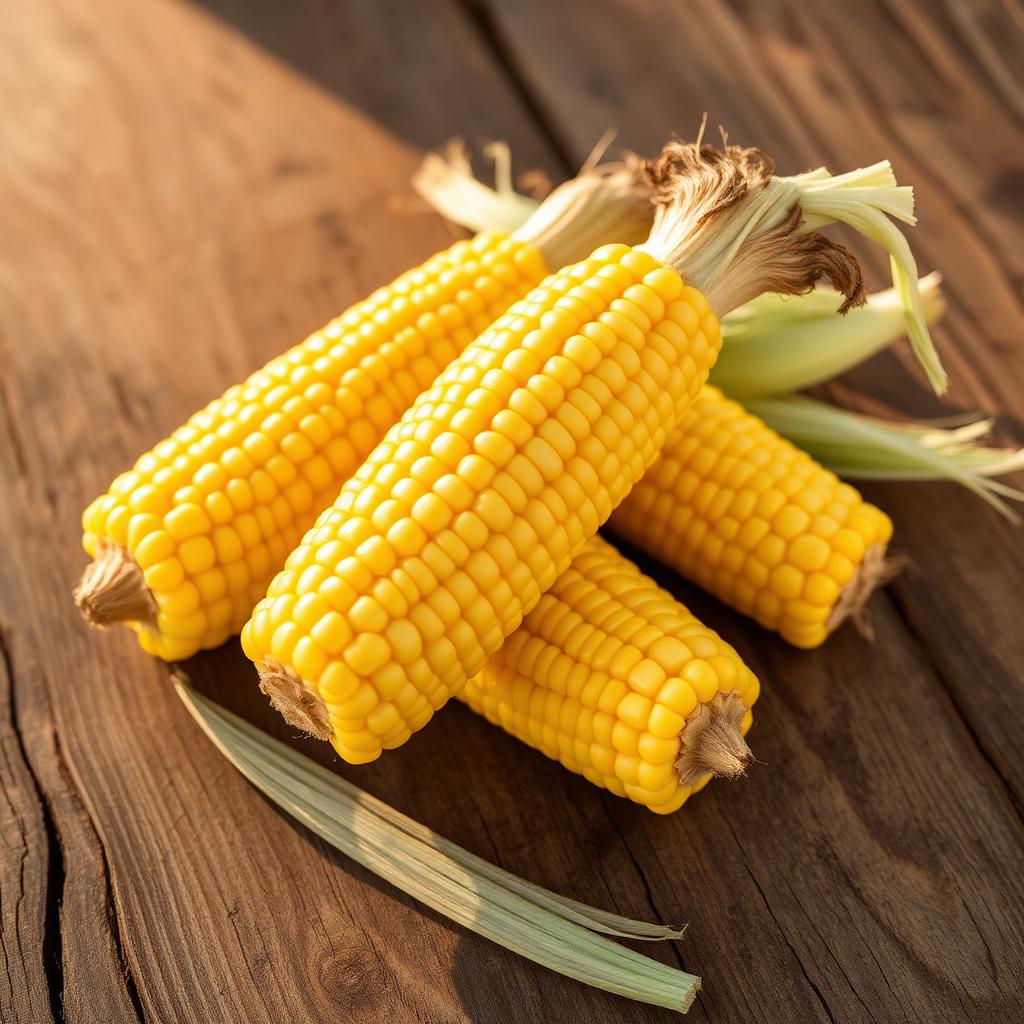
Yes, corn has real nutritional value. One cup of cooked sweet yellow corn (about 154 g) provides roughly 143 calories, 31 g of carbohydrate, 3.6 g of fiber, 5 g of protein, and 2 g of fat. It also delivers about 21 percent of the daily value for thiamin (B1), 9 percent of folate, and meaningful amounts of magnesium and phosphorus.
The persistent myth that corn "passes straight through" comes from the visible cellulose hull on each kernel. The hull is indigestible to humans, but the inner starch, protein, vitamins, and minerals are fully absorbed during digestion.
Corn is also one of the richest dietary sources of lutein and zeaxanthin, two carotenoids strongly linked to eye health.
Full nutrition panel for one cup of sweet corn
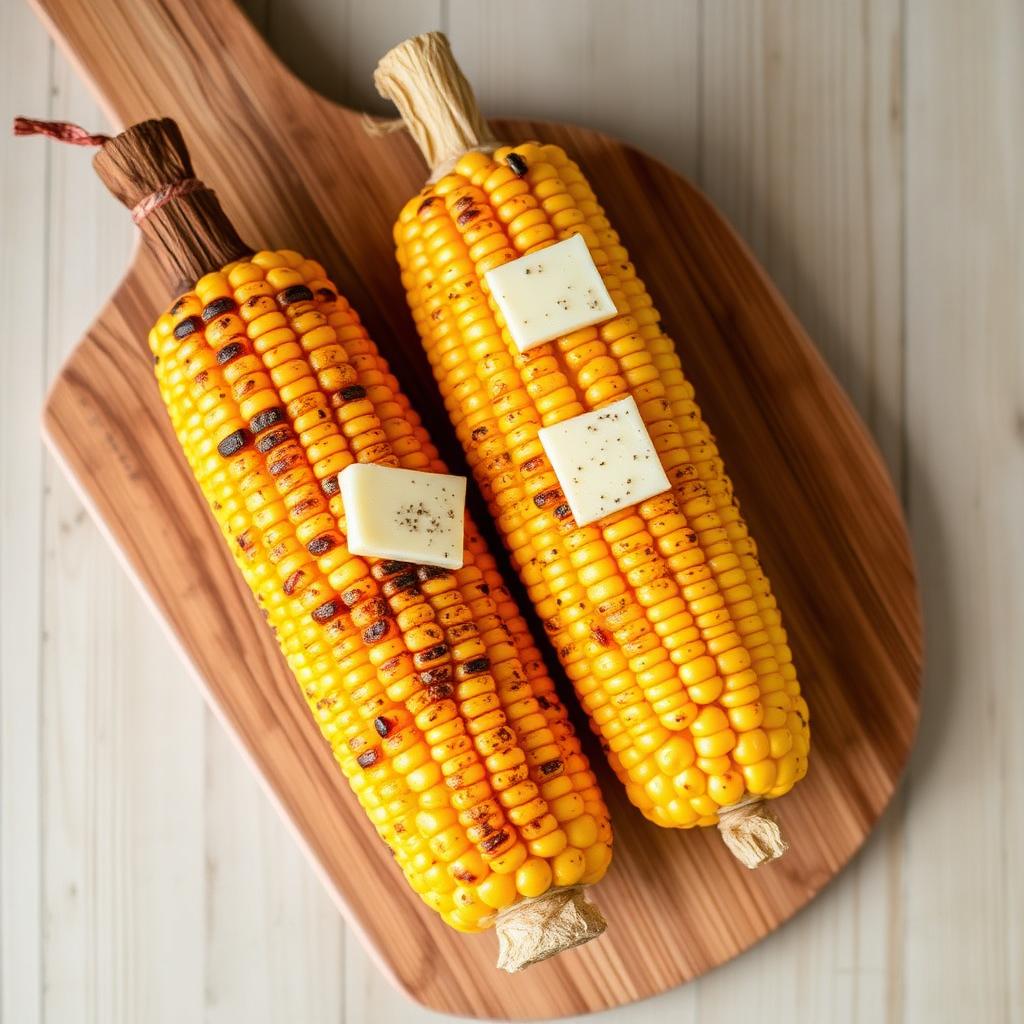
USDA FoodData Central values for cooked, drained sweet yellow corn, 154 g.
| Nutrient | Amount | % Daily Value |
|---|---|---|
| Calories | 143 kcal | 7% |
| Total carbohydrate | 31 g | 11% |
| Dietary fiber | 3.6 g | 13% |
| Total sugars | 6.8 g | n/a |
| Protein | 5 g | 10% |
| Total fat | 2.1 g | 3% |
| Thiamin (B1) | 0.25 mg | 21% |
| Folate (B9) | 35 mcg | 9% |
| Magnesium | 43 mg | 10% |
| Phosphorus | 106 mg | 8% |
| Potassium | 325 mg | 7% |
The "corn passes through" myth, explained
Each corn kernel has an outer skin made primarily of cellulose, an indigestible polysaccharide. Humans lack the enzyme cellulase needed to break it down. When you eat whole kernels, the empty cellulose hulls can pass through the digestive tract intact and be visible in stool.
This is purely cosmetic. The starch, sugars, proteins, B vitamins, minerals, and carotenoids inside the kernel are released during chewing, stomach acid exposure, and small intestine digestion. Chewing each bite thoroughly increases what your body extracts and reduces the amount of intact hull you see later.
The carotenoids in yellow corn
Yellow corn is exceptionally rich in lutein and zeaxanthin, two xanthophyll carotenoids that concentrate in the retina of the eye. A 2017 review in Nutrients linked dietary lutein and zeaxanthin intake to slower progression of age related macular degeneration and to better contrast sensitivity in older adults.
Corn provides about 1.5 mg of combined lutein and zeaxanthin per cup. The widely cited Age Related Eye Disease Study (AREDS2) used 10 to 20 mg per day, so corn is one contributor among many in a well rounded eye health diet.
How processing changes corn's nutrition
- Whole kernel sweet corn (fresh, frozen, canned in water). Closest to the natural nutrition profile. Look for "no salt added" canned versions to keep sodium low.
- Popcorn (air popped). 31 calories per cup, almost no fat, 1 g of fiber. One of the highest fiber whole grain snacks per calorie.
- Cornmeal (yellow, dry). About 110 calories per quarter cup, 2 g fiber, retains carotenoids when stone ground.
- Corn tortillas (6 inch, 2 tortillas). About 110 calories, 3 g fiber, 3 g protein, naturally gluten free.
- Corn syrup and high fructose corn syrup (HFCS). Pure sugar. None of corn's fiber, vitamins, or carotenoids remain after the industrial conversion to syrup.
Corn and blood sugar
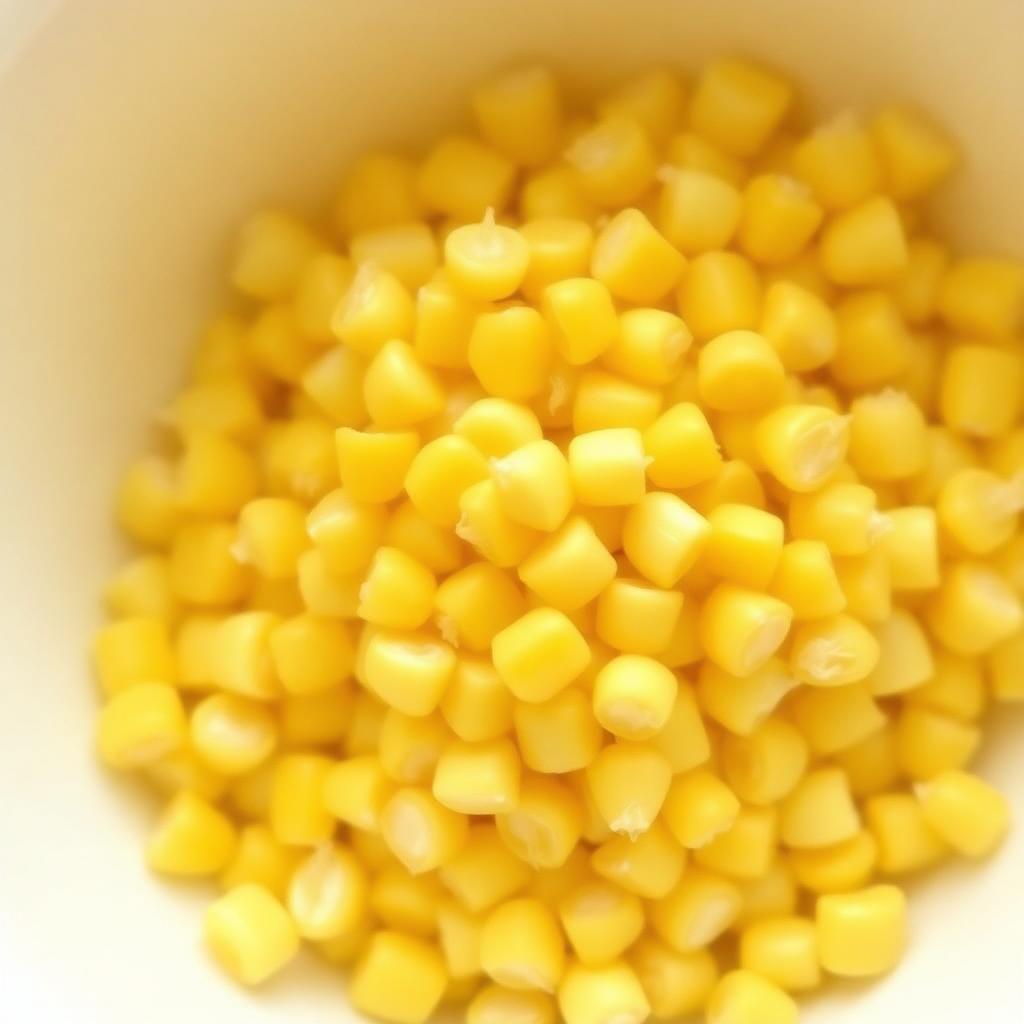
The glycemic index of sweet corn is about 52, which lands in the low to medium range. The glycemic load of one cup of cooked corn is about 14, slightly higher than a piece of fresh fruit but lower than white rice or instant oatmeal.
For most people, including most adults with type 2 diabetes, a half cup to one cup serving of corn is a reasonable carb choice. Pairing corn with a source of fat and protein (a tablespoon of butter, a portion of chicken or beans) flattens the post meal glucose curve.
Common nutritional myths about corn
- "Corn is just sugar." Wrong. A cup contains 6.8 g of total sugar, less than 2 teaspoons. The remaining carbs are starch and fiber.
- "Corn is making Americans fat." Corn the vegetable is not the problem. The high fructose corn syrup added to soft drinks and processed foods is the calorie source most strongly linked to weight gain.
- "All GMO corn is unsafe." The American Medical Association, World Health Organization, and FDA have all concluded that approved GMO corn varieties are as safe as conventional varieties. The environmental and farming questions are separate from individual nutritional safety.
- "Corn is not a vegetable." Sweet corn harvested young is classified as a starchy vegetable. Field corn allowed to mature and dry is classified as a whole grain. Both are real foods.
Sweet corn vs field corn
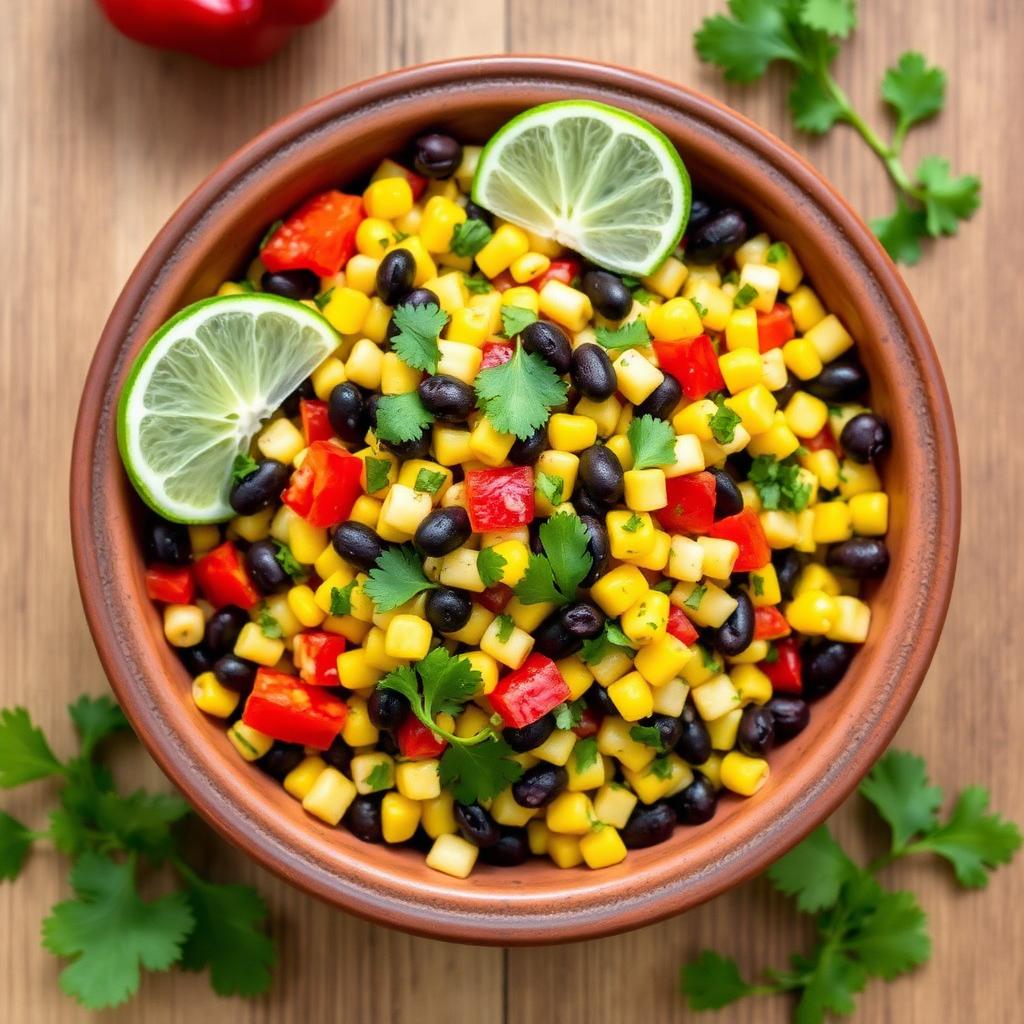
Sweet corn is the variety bred for fresh eating, with higher sugar content and softer kernels. Field corn (dent corn) is bred for animal feed, ethanol, corn syrup, and processed food ingredients. Most of the U.S. corn crop is field corn.
When you eat corn on the cob, in a salad, or in a Mexican street corn recipe, you are eating sweet corn. When you eat corn chips, tortillas, polenta, or grits, you are usually eating processed field corn. Both have real nutrition; the form matters more than the variety for everyday eating.
FAQs
Is corn a vegetable or a grain?
Both. Fresh sweet corn is classified as a starchy vegetable. Dried mature corn (popcorn, cornmeal) is classified as a whole grain.
How much fiber is in corn?
About 3.6 g per cup of cooked sweet corn and roughly 1 g per cup of popped popcorn.
Is canned corn as healthy as fresh?
Almost. Canned corn retains most of the fiber, B vitamins, and carotenoids. The main difference is sodium, which can be reduced by buying "no salt added" cans or rinsing the kernels before serving.
Is popcorn really a whole grain?
Yes. Popcorn is one of the few snack foods that is naturally a 100 percent whole grain. Air popped or lightly oil popped popcorn is one of the most fiber dense snacks per calorie available.
The takeaway
Corn is a nutrient dense whole food with meaningful fiber, B vitamins, magnesium, and the eye protective carotenoids lutein and zeaxanthin. The visible hulls are cellulose decoration; the real nutrition is fully absorbed. Eat it as fresh kernels, on the cob, as popcorn, or as cornmeal, and treat corn syrup as a separate category that no longer carries the parent food's benefits.