Quick Answer
Yes, but the risk is usually crowding out rather than toxicity. Healthy adults with normal kidney function tolerate intakes up to about 2 grams per kilogram of body weight per day without harm, and studies on trained people at higher intakes have not found damage.
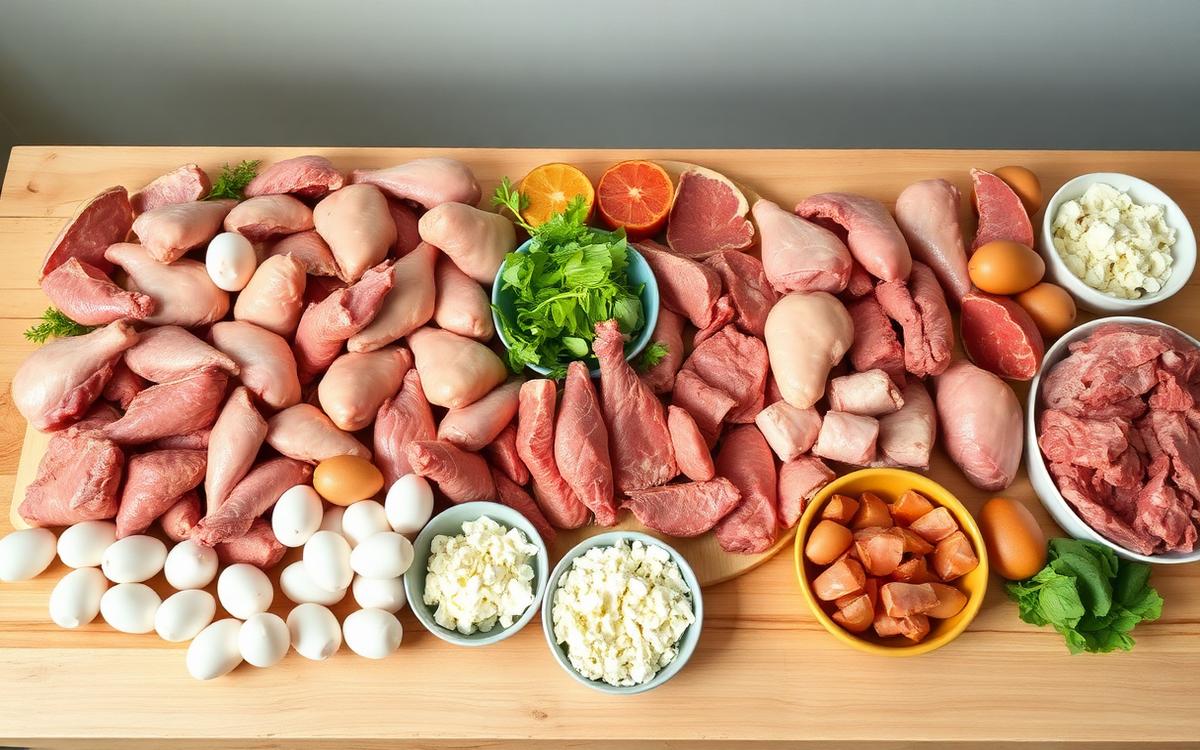
What does go wrong is everything else. When protein takes 40 percent of your plate and 40 percent of your calories, fiber, fruit, whole grains and healthy fats get squeezed out.
There is also a genuine upper physiological limit. The liver can only convert so much nitrogen to urea, which is why extreme, sustained intakes are unwise.
Where the real ceiling sits
For muscle building purposes, benefit plateaus around 1.6 g/kg with the upper edge of the evidence near 2.2 g/kg. Anything beyond that is not building more tissue.
For safety, most reviews put the well tolerated range for healthy adults at up to roughly 2 g/kg per day long term, with short periods higher being unremarkable in athletes. The theoretical hard ceiling, sometimes described in the older literature on very lean diets, sits far higher, at the point where the liver cannot keep up with urea production.
The practical takeaway is that 1.6 to 2.2 g/kg is the sensible working range and there is no reason for most people to go past it.
Symptoms of overdoing it
- Constipation. The most common complaint by far, and it is a fiber problem rather than a protein problem.
- Dehydration and dark urine. Processing nitrogen requires water, so fluid needs rise with intake.
- Bad breath. Common on very low carbohydrate, very high protein plans.
- Bloating and gas. Especially with large amounts of whey in people who are lactose sensitive.
- Feeling flat in training. Usually the sign that carbohydrate has been displaced too aggressively.
- Persistent appetite suppression. Useful for dieting, unhelpful when it means you skip vegetables.

The kidney question
This is the claim that circulates most and holds up least. In people with healthy kidneys, higher protein intakes increase the kidney's filtration workload, but that is a normal adaptive response rather than damage. Controlled trials in healthy adults have not shown a decline in kidney function from higher protein diets.
The situation is completely different in existing chronic kidney disease. There, protein restriction is a genuine part of medical management and targets must come from a nephrologist or renal dietitian.
If kidney disease runs in your family or you have diabetes or high blood pressure, get your kidney function checked before adopting a very high protein plan. That is a sensible precaution, not a scare.
Bone health, calcium and heart risk
An older theory held that high protein leached calcium from bone. Better designed research reversed that view. Adequate protein is now associated with better bone density and lower fracture risk, particularly in older adults, provided calcium intake is adequate.
Cardiovascular risk depends on the source, not the macronutrient. A high protein diet built on processed meat, bacon and fatty deli products carries different risks from one built on fish, poultry, eggs, dairy, legumes and soy. Swapping some animal protein for plant protein is one of the more consistently beneficial dietary changes in the literature.
What gets crowded out
This is the real cost of overdoing protein, and it rarely gets discussed.
- Fiber. Most adults already fall short of 30 grams a day. Replacing beans, oats and fruit with meat makes it worse.
- Carbohydrate for performance. Hard training runs on glycogen, and chronically low carbohydrate intake makes sessions feel heavy.
- Polyphenols and micronutrients from vegetables and fruit that no protein source supplies.
- Money. Protein is the most expensive macronutrient per calorie, and the marginal grams above 2 g/kg buy nothing.
How to run high protein without the downsides
- Cap the target. Set 1.6 to 2.0 g/kg and stop there.
- Pair every protein meal with a fiber source. Vegetables, beans, oats, fruit or whole grains at each sitting.
- Drink more water. Add a litre a day when you raise protein significantly and watch urine colour.
- Vary the sources. Rotate fish, poultry, eggs, dairy, legumes, tofu and lean red meat rather than eating chicken nine times a week.
- Limit processed meat. Bacon, sausages and deli meats should be the occasional item rather than the backbone.
- Keep some carbohydrate around training. It protects performance, which protects muscle.
Who genuinely should limit protein
Chronic kidney disease, certain liver conditions, and rare inherited metabolic disorders all require medically supervised protein limits. So do some post-transplant and dialysis situations, where the direction of the advice can actually reverse.
If you take medication for a chronic condition, mention any large dietary change to your prescriber. Protein is not dangerous, but it is not neutral in every clinical context either.
Signs your ratio has drifted too far
You do not need blood tests to spot an unbalanced plan. The plate tells you. If your dinner is a large piece of meat with a token handful of vegetables and no starch, the ratio has drifted.
Other clues are just as obvious. You are buying protein bars to top up a total you already exceeded. You have not eaten a bean or a lentil in a month. Your training feels heavy but your sleep and stress are fine. Your grocery bill has doubled without any change in body composition.
The fix is not dramatic. Add a fist of vegetables and a portion of whole grains or legumes to two meals a day and the balance restores itself without lowering protein much at all.
How much is too much in practical grams
- 60kg person: 96 to 120 grams is a sensible working range, with little reason to exceed 132.
- 75kg person: 120 to 150 grams, with an upper edge near 165.
- 90kg person: 144 to 180 grams, with an upper edge near 198.
- 110kg person: base the figure on a realistic goal weight rather than current weight, which usually lands near 160 to 200 grams.
Anyone eating well past those upper figures every day is spending money on a number rather than a result. Redirect the difference into vegetables, fruit, whole grains and sleep, and the same body composition goal gets easier rather than harder.
The bottom line
Healthy adults are unlikely to harm themselves with a high protein diet, but there is no prize above roughly 2.2 g/kg. Set a target inside 1.6 to 2.0 g/kg, defend fiber and water aggressively, vary your sources, and treat the extra scoops as money better spent on vegetables.
Too much protein is rarely a poisoning story. It is a balance story.