Quick Answer
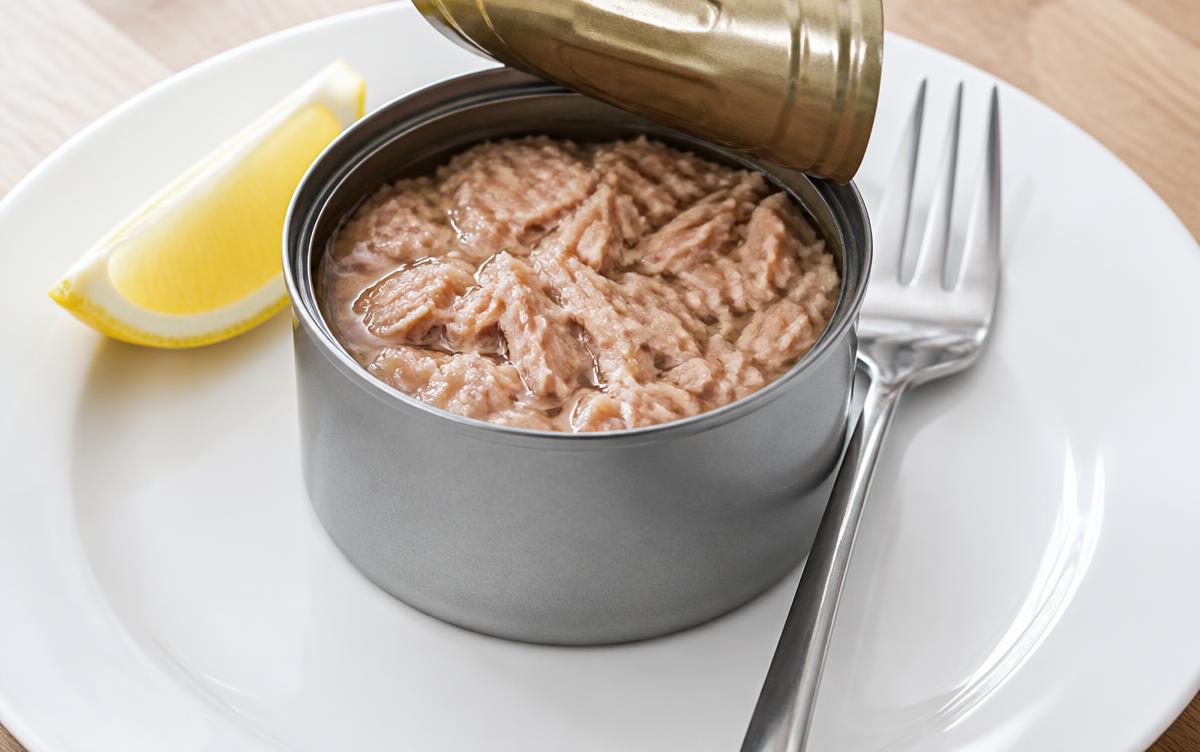
A standard five ounce can of light tuna in water yields roughly 100 to 110 grams drained, supplying about 110 to 130 calories, 24 to 26 grams of protein, around 1 gram of fat and typically 250 to 350 milligrams of sodium.
Albacore, sold as white tuna, is slightly higher in calories and fat, a little higher in protein per gram, notably higher in omega 3 fats, and roughly three times higher in mercury.
Oil packed tuna adds around 50 to 60 calories per can even after draining, because some oil stays with the fish. Water packed is the leaner default and the better carrier for whatever you dress it with.
Read the nutrition facts tuna panels carry on the back of the can rather than trusting the front, because brands differ on drained weight and on how much salt they add.
The numbers, side by side
Cans vary in size and drained weight, so the cleanest comparison is per 100 grams drained.
- Light tuna in water: approximately 110 calories, 25 grams protein, 1 gram fat, 0 grams carbohydrate.
- Light tuna in oil, drained: approximately 190 calories, 26 grams protein, 8 grams fat.
- White albacore in water: approximately 130 calories, 27 grams protein, 3 grams fat.
- White albacore in oil, drained: approximately 190 calories, 27 grams protein, 8 grams fat.
Every version is essentially zero carbohydrate and zero sugar. The differences that matter are fat, sodium and mercury, and the first two are largely under your control at the point of purchase.
Why the protein is unusually good
Tuna is a complete protein containing all nine essential amino acids in a pattern well matched to human requirements, and it digests efficiently. On protein per calorie it beats chicken breast, eggs and most protein bars.
A single can pushes 24 to 26 grams of protein, which is comfortably in the range associated with a meaningful muscle protein synthesis response in adults. For anyone tracking protein intake on a budget, canned tuna is one of the best value options in any supermarket.
It also arrives shelf stable and needs no cooking, which makes it one of the few high protein foods that survives a chaotic week without spoiling.
Micronutrients worth knowing about
Canned tuna is a strong source of selenium, often supplying more than the full daily value in one can. Selenium supports thyroid function and antioxidant enzymes, and it also binds mercury, which is part of why the risk picture for tuna is less alarming than headlines suggest.
It also delivers vitamin B12 well above the daily value, along with niacin, vitamin B6, phosphorus and vitamin D. Those are exactly the nutrients that tend to be thin in a diet built around bread, pasta and snacks.
Calcium is minimal in tuna, unlike canned sardines or salmon where the softened bones are eaten. If you are after calcium from tinned fish, sardines are the better buy.
The omega 3 reality check
Tuna has a reputation as an omega 3 food, and that is only partly deserved for the canned light version.
Canned light skipjack contains modest amounts of EPA and DHA, typically a few hundred milligrams per can. Albacore contains substantially more, often two to three times as much. Both sit well below oily fish such as salmon, mackerel and sardines, which deliver a gram or more per serving.
Some of that is the species, and some is processing. Cooking and draining removes fat soluble compounds along with the liquid, which is one argument for buying tuna packed in olive oil and using the oil rather than pouring it away.
Sodium, and how to cut it
Sodium is the number that varies most between brands, from around 180 to over 400 milligrams per can. Salt is added during processing for flavour and preservation, not out of necessity.
Two easy fixes. Buy the no salt added version where available, which typically drops sodium below 50 milligrams per can. Or drain thoroughly and rinse the tuna briefly under cold water, which removes a useful share of the surface salt at a small cost in flavour.
Given that a large share of dietary sodium comes from packaged food, this is a low effort saving on something many people eat several times a week.
Mercury, in proportion
Tuna accumulates methylmercury from the food chain, and larger, longer lived species accumulate more. This is the one genuine reason to pay attention to which tin you buy.
Canned light tuna, usually skipjack, is classed by United States health agencies as a best choice fish, with advice supporting two to three servings a week for most people including during pregnancy. Albacore, being a larger fish, is classed as a good choice with a suggested limit of about one serving a week. Bigeye tuna, which appears in restaurants rather than in tins, is on the avoid list for pregnancy.
For a healthy non pregnant adult, a can of light tuna several times a week is well within accepted guidance. Children need smaller portions scaled to body weight, and anyone pregnant or breastfeeding should follow the published serving advice rather than improvising.
What the mix-ins do to the numbers
The fish is rarely the problem. Two tablespoons of full fat mayonnaise add roughly 180 calories and 20 grams of fat, which more than doubles the calories of the meal and changes its character entirely.
Swaps that keep the texture without the load: Greek yogurt for half the mayonnaise, mashed avocado, olive oil with lemon juice, or a spoon of wholegrain mustard with a splash of vinegar. Celery, red onion, capers, cucumber and herbs add crunch and flavour for almost no calories.
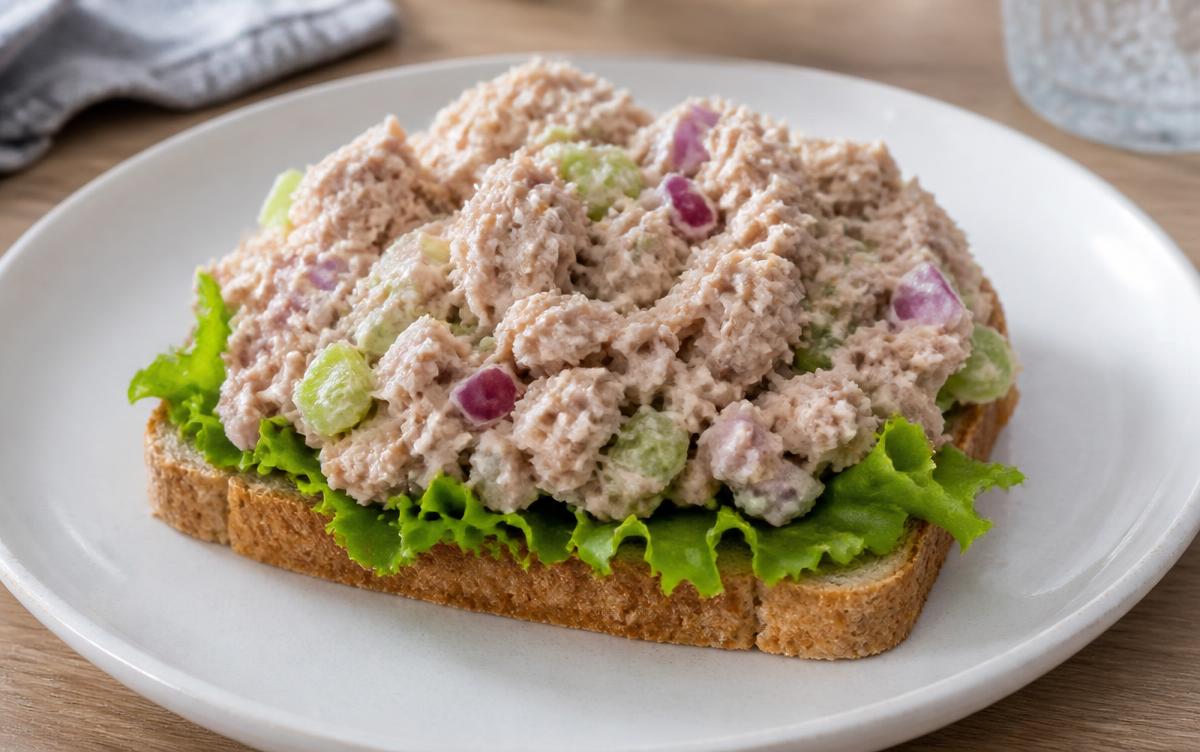
Served on wholemeal toast with tomato, that plate lands somewhere near 350 calories with over 30 grams of protein and several grams of fiber. Served as a mayonnaise heavy scoop on white bread it can pass 600 calories with the same tuna inside.
Buying and storing sensibly
Check the drained weight rather than the total weight, since the packing liquid inflates the figure on the front. Compare price per 100 grams drained across brands and the value ranking often changes.
Pouches contain less liquid and need no draining, though they usually cost more per gram of fish. Olive oil packed tuna is worth the premium when the oil goes into the dish rather than the sink.
Once opened, move leftovers into a covered container in the fridge and use within two days. Never store opened tuna in the tin, since the exposed metal affects flavour.
Frequently asked questions
How much protein is in one can of tuna?
Typically 24 to 26 grams for a standard five ounce can of light tuna in water, based on around 100 to 110 grams of drained fish.
Is tuna in oil unhealthy?
No, but it is more energy dense. Drained oil packed tuna carries roughly 60 to 80 more calories per can, and if the oil is olive oil that fat is a perfectly good fat.
How often can I safely eat canned tuna?
Current advice supports two to three servings a week of canned light tuna for most adults, and about one serving a week for albacore because of higher mercury content.
Should I rinse canned tuna?
Rinsing removes some added sodium and is worth doing if you buy the salted version. With no salt added tuna it is unnecessary.
Is canned tuna as good as fresh?
For protein and selenium, yes. Fresh tuna and oily fish generally provide more omega 3 fats, and canned wins decisively on cost and convenience.