Quick Answer
Transparent Labs Creatine HMB is the best creatine monohydrate powder overall. It uses 5 g of Creapure (the German-manufactured, 99.99 percent pure form of creatine monohydrate), pairs it with 1.5 g of HMB for muscle-retention support, and carries Informed Choice third-party testing for banned substances.
For unflavored purity with the strictest sport testing, Thorne Creatine Monohydrate is NSF Certified for Sport. For rock-bottom cost per serving, Optimum Nutrition Micronized Creatine has been the value benchmark for two decades.
Why creatine, and why monohydrate specifically
Creatine is the most studied dietary supplement in sports science. The International Society of Sports Nutrition's position stand summarizes decades of research: 3 to 5 g of creatine monohydrate per day increases lean muscle mass, strength output, and short-burst power (sprints, lifts, high-intensity intervals) with an excellent long-term safety profile in healthy adults.
Every fancier form (creatine HCL, ethyl ester, buffered, nitrate, magnesium chelate) has failed to beat monohydrate in head-to-head trials while costing two to five times more. Buy monohydrate.
How creatine actually works
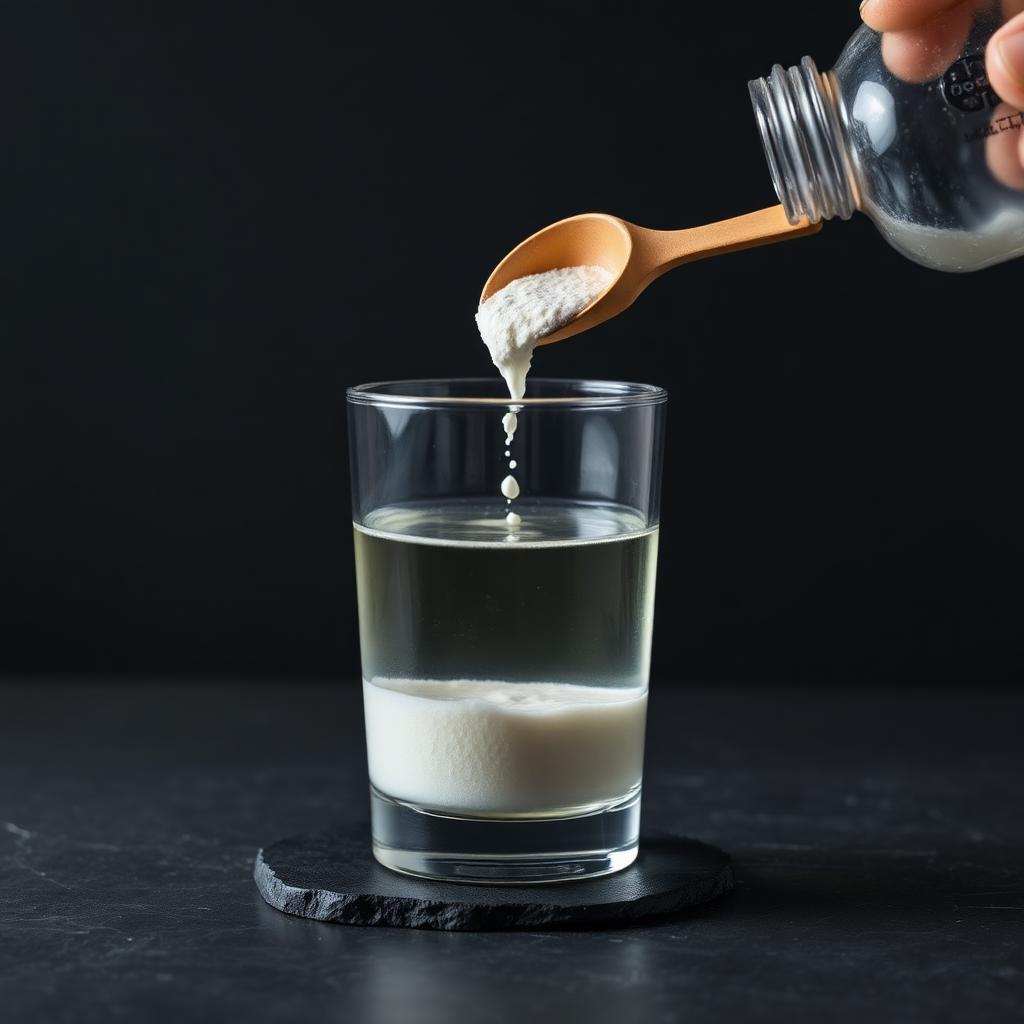
Your muscles fire by burning ATP (adenosine triphosphate). ATP donates a phosphate, becomes ADP, and you have roughly 2 to 3 seconds of maximum output before stores run out. Phosphocreatine, stored in muscle tissue, donates a phosphate back to ADP and regenerates ATP almost instantly. Supplementing with creatine monohydrate saturates muscle phosphocreatine stores by 20 to 40 percent above baseline, which extends peak output and improves recovery between sets.
Cognitive benefits are the newer story: multiple 2023 to 2025 trials show creatine reduces mental fatigue under sleep deprivation and improves working memory, particularly in vegetarians and older adults whose baseline creatine intake from meat is lower.
What matters when choosing a brand
Creapure vs generic monohydrate
Creapure is a trademarked creatine monohydrate manufactured by AlzChem in Trostberg, Germany, produced without animal-sourced intermediates and audited by HPLC to 99.99 percent purity. Non-Creapure monohydrate is almost always fine, but a subset of Chinese-sourced monohydrate has been found to contain trace dicyandiamide and creatinine, which are what cause the "creatine bloat" and gastrointestinal cramping some users report. If your gut is sensitive, Creapure is worth the small premium.
Micronized processing (200 mesh)
Micronization grinds creatine crystals down to roughly 20 times smaller than standard powder. Micronized creatine dissolves in water fast and stays suspended, instead of settling as grit at the bottom of your shaker.
Third-party testing
If you are drug-tested for competitive sport, look for NSF Certified for Sport or Informed Choice / Informed Sport on the label. Both programs test every production lot for over 200 banned substances.
Best overall: Transparent Labs Creatine HMB
Transparent Labs uses 5 g of pure Creapure per scoop, plus 1.5 g of HMB (beta-hydroxy beta-methylbutyrate), a leucine metabolite that reduces muscle protein breakdown during cutting phases and calorie deficits. No artificial sweeteners, colors, or synthetic flavorings; the flavored versions use stevia and real fruit extracts. Informed Choice tested per lot. The trade-off is cost: about $1.60 per serving, which is roughly triple ON's price.
Best unflavored: Thorne Creatine Monohydrate
Thorne is the supplement brand medical professionals recommend most in surveys, and their creatine is single-ingredient, unflavored, micronized to 200 mesh, and NSF Certified for Sport. It dissolves cleanly into coffee, protein shakes, or plain water without changing taste. 90 servings for about $40 works out to a very reasonable per-day cost given the certification.
Best value: Optimum Nutrition Micronized Creatine
ON's tub is what every commercial gym has stocked for 20 years. 5 g micronized creatine per scoop, Informed Choice certified, and roughly $0.28 per serving. No flavoring, no fillers, no sugar. If you are new to creatine and want to see if it works for you before spending more, start here.
How to actually take creatine
Skip the loading phase
Older protocols called for a 5 to 7 day loading phase of 20 g/day (four 5 g doses). It works, but it also gives half the people who try it stomach cramps and diarrhea, because the intestines cannot absorb that much creatine at once. A flat 5 g per day reaches full muscle saturation in about 21 days with zero side effects. Same endpoint, no bathroom drama.
Timing does not matter much
Take 5 g at the same time every day so you do not forget. Post-workout with your protein shake is fine, morning coffee is fine, right before bed is fine. What matters is consistency, not the clock.
Drink water
Creatine pulls a small amount of water into muscle cells. That is the mechanism, not a side effect. Aim for 2.5 to 3 liters of total fluid per day, and if you notice mild cramping in the first week, drink more water rather than skipping doses.
What about kidneys?
Long-term studies out to 5 years in healthy adults show no adverse effect on kidney function markers. Creatine slightly raises serum creatinine because the body converts a small percentage of creatine into creatinine, but that is a lab artifact, not kidney damage. If you have pre-existing kidney disease, talk to your doctor before starting.
Bottom line
Transparent Labs Creatine HMB is the best pick if you want Creapure sourcing plus muscle-retention support in one scoop. Thorne Creatine is the pick if you want the strictest sport testing and an unflavored powder that mixes into anything. Optimum Nutrition is the pick if you want a proven, cheap tub to see if creatine works for you. Whichever you buy, 5 g every day for 21 days is what actually delivers the result.