Quick Answer
To care for mums in the fall, give them at least six hours of direct sun, water deeply whenever the top inch of soil feels dry, and buy plants that are still mostly in tight bud so the show lasts longer.
Potted mums dry out fast, often daily in warm weather. Wilting is the most common reason they fail, not cold.
If you want them to come back next year, plant hardy garden mums in the ground at least six weeks before your first hard freeze, leave the stems standing over winter, and mulch the crown.
Garden Mums vs Florist Mums
Not every mum is built to survive outdoors. Garden mums, sometimes labeled hardy mums, are bred to handle cold and can return for years in roughly USDA zones 5 through 9.
Florist mums are the ones sold wrapped in foil at grocery stores. They are grown for indoor display, produce huge blooms, and rarely survive a winter outside.
Both kinds look similar on the shelf. If the tag says "garden" or "hardy," you have a candidate for planting. If it has no tag and came in foil, treat it as a seasonal decoration.
How to Pick a Mum That Lasts
I always look for plants with only a few open flowers and plenty of tight buds. A mum in full bloom at the store has already spent part of its show, and you might only get two weeks from it.
Check the leaves too. They should be deep green all the way down. Yellow or crispy lower leaves usually mean the plant has already wilted hard at least once.
Finally, lift the pot. A plant that feels very light is bone dry, and many store mums are so root bound that water runs straight through. Those need extra attention at home.
Sunlight Needs
Mums set their flower buds in response to shortening days, but they still need plenty of light to open those buds and keep the color rich. Aim for six or more hours of direct sun.
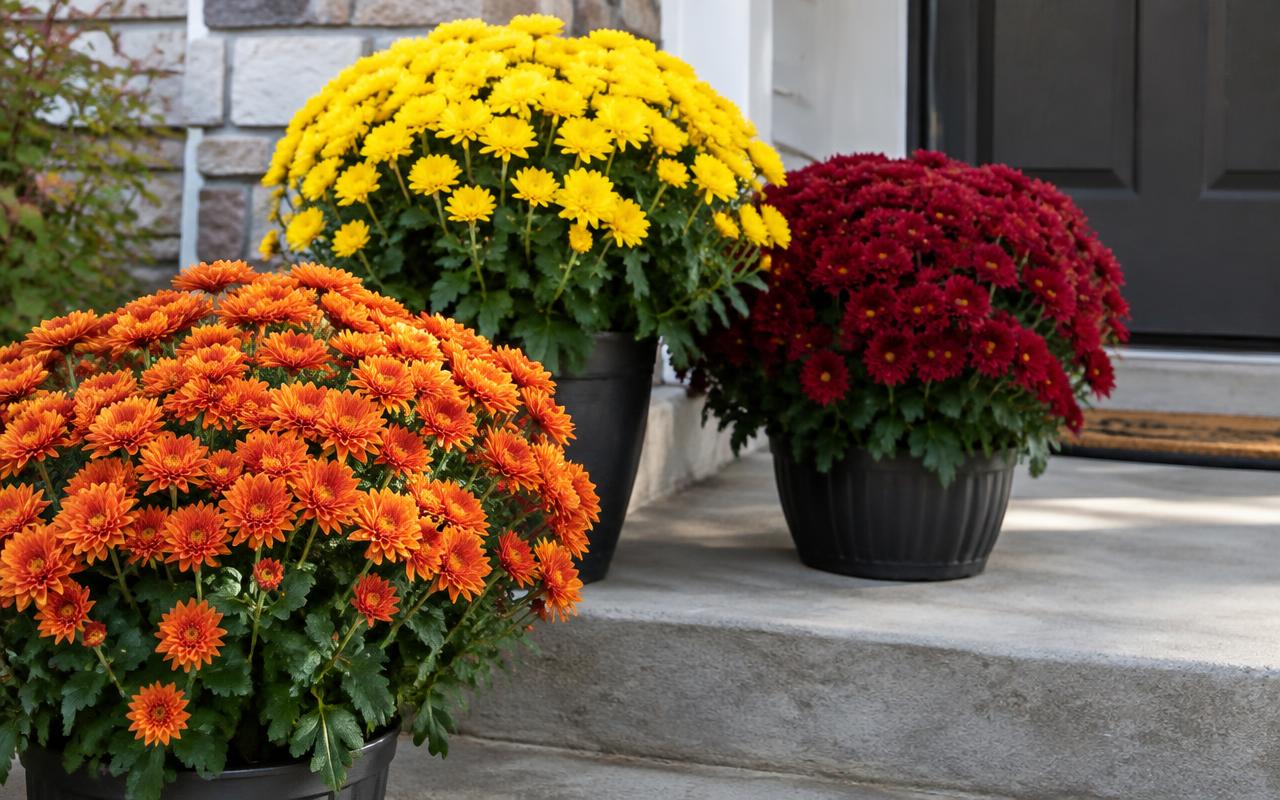
A shady porch will hold existing flowers for a while, yet buds often stall and the plant gets leggy. If your front steps are shaded, rotate pots to a sunny spot for part of the week.

How Often to Water Mums
This is the part that matters most. Water whenever the top inch of soil is dry, and water until it drains from the bottom of the pot. In sunny, windy, or warm fall weather that can mean every day for potted mums.
Root bound store mums often shed water. If the soil has pulled away from the pot edges, set the whole pot in a bucket or tray of water for 20 to 30 minutes so the root ball rehydrates from below.
Water at the base, not over the flowers. Wet blooms in cool weather invite gray mold and browning petals.
Do not overcorrect, though. A pot sitting in a saucer of water for days will rot the roots. Empty saucers after watering.
Should You Repot or Plant Your Mums?
For porch display, slipping the nursery pot into a slightly larger decorative container works well and lets you keep watering easily. If the plant dries out by afternoon, moving it to a pot one or two sizes bigger with fresh potting mix buys you more time between waterings.
For a perennial plant, set hardy mums into well drained garden soil in a sunny bed. Loosen circling roots gently, plant at the same depth as the pot, and water well. Heavy clay that stays soggy in winter is a common reason garden mums do not return.
Deadheading and Fertilizing
Pinch off faded flowers every few days. It keeps the plant looking fresh and stops it from wasting energy on spent blooms.
Skip fertilizer on mums that are already blooming in fall. Feeding at this stage pushes soft growth rather than more flowers. Fertilizing belongs in spring and early summer, when the plant is building stems.
How to Overwinter Garden Mums
Getting mums through winter is mostly about protecting the crown, the spot where the stems meet the roots.
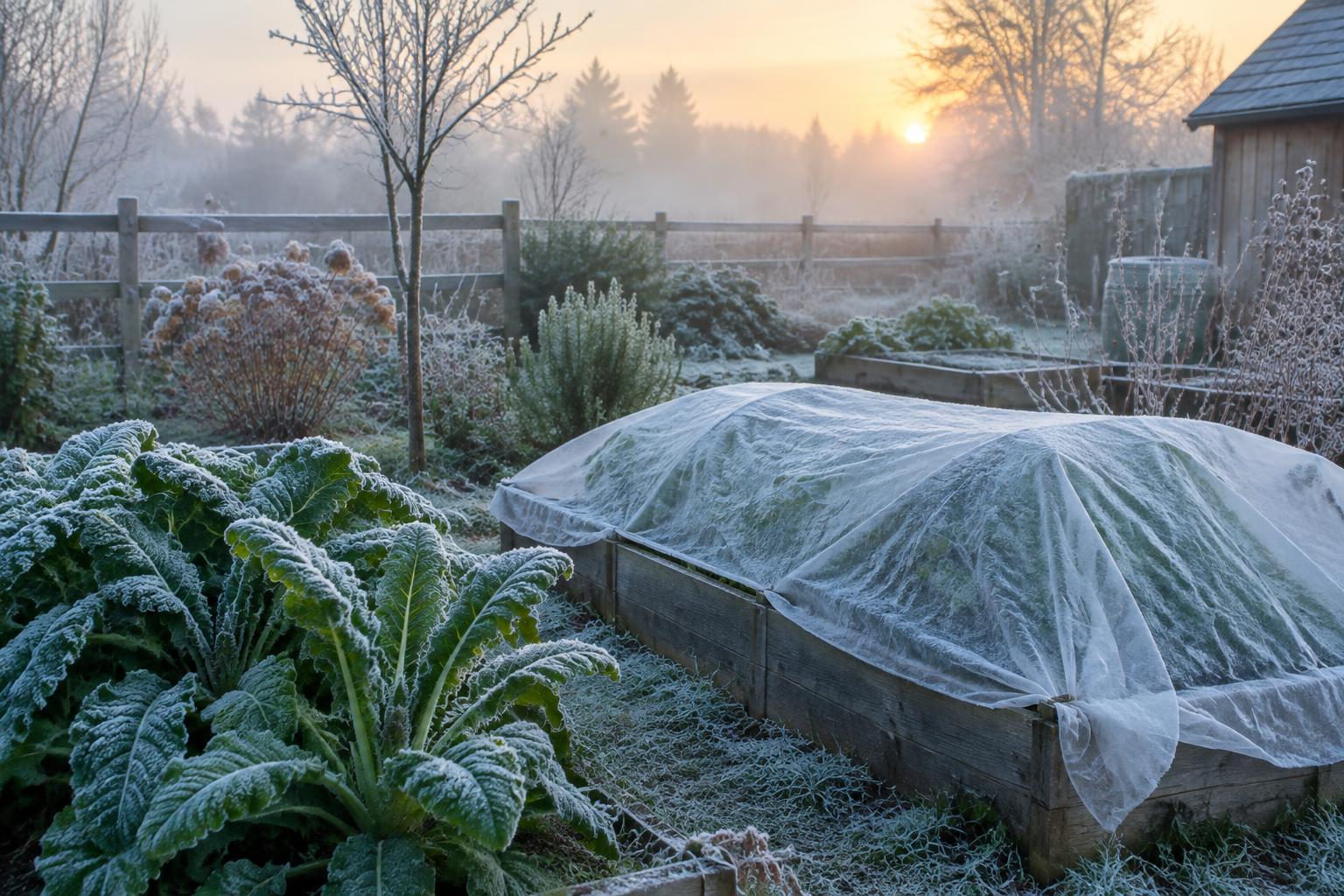
- Leave the stems standing after frost kills the top growth. They trap snow and leaves that insulate the crown.
- Mulch with 3 to 4 inches of straw or shredded leaves once the ground starts to freeze.
- Keep drainage good. Wet, cold soil kills more mums than cold air does.
- Cut back in spring once new shoots appear at the base, then remove the old stems.
Potted mums can overwinter in an unheated garage or shed. Water them lightly about once a month so the roots do not fully dry out, then move them outside in spring.
Pinching for Next Year
If your mum returns in spring, pinch back the tips by about an inch every few weeks once stems reach around six inches tall. Stop pinching around early July in most regions.
Pinching makes the plant branch, which gives you that dense mounded shape with many more flowers. Unpinched mums tend to grow tall, flop over, and bloom sparsely.
Common Mum Problems
Wilting: Almost always thirst. Soak the root ball and the plant usually perks up within hours if caught early.
Brown lower leaves: Usually from an earlier dry spell. Trim them off; they will not turn green again.
Buds that never open: Too little sun or too much shade. Move the pot somewhere brighter.
Aphids: Small clusters on new tips. A strong spray of water or insecticidal soap clears most infestations.
Are Mums Safe for Pets?
Chrysanthemums contain compounds that can cause drooling, vomiting, and diarrhea in cats and dogs if chewed. Serious poisoning is uncommon, but if your pets like to nibble plants, keep pots out of reach.
Frequently Asked Questions
How long do potted mums bloom?
Usually four to eight weeks if you buy them in bud and keep them watered.
Can mums stay outside during frost?
Light frost is fine for most mums, though open flowers may brown. Cover them overnight or bring pots into a garage when temperatures drop well below freezing.
Can I keep mums indoors?
For a short time, yes. They need a bright window and do best in a cool room. Most decline within a few weeks indoors.
Why are my mums dying from the bottom up?
That pattern points to drought stress or a root ball that is not absorbing water. Try bottom soaking.
Bottom Line
Buy mums in bud, place them in full sun, and never let them dry out. That alone will give you weeks of color. If you want them back next year, choose hardy garden mums, plant them early in a well drained spot, and leave the stems up over winter.