
Quick Answer
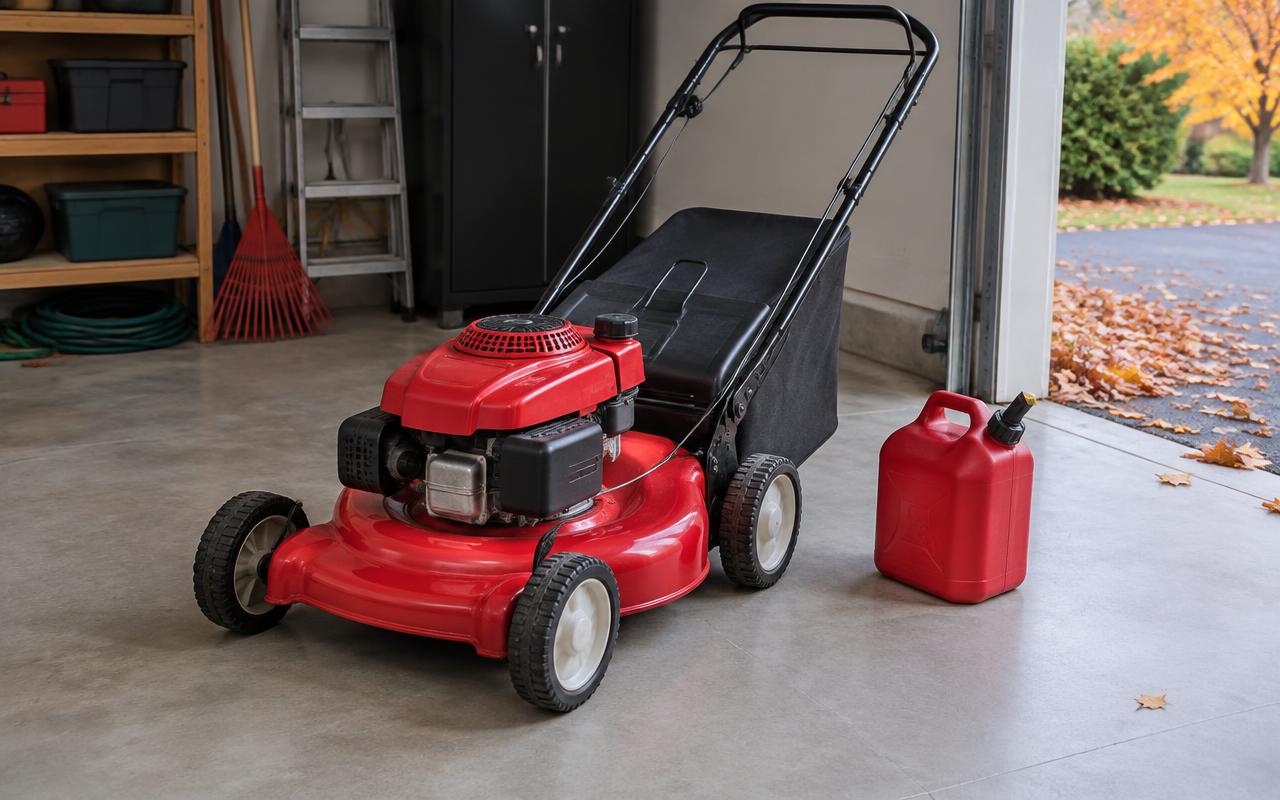
To winterize a lawn mower, disconnect the spark plug wire, then either add fuel stabilizer and run the engine for a few minutes or run the tank completely dry.
Change the oil, clean grass off the deck, sharpen or replace the blade, check the air filter and spark plug, and store the mower in a dry, covered spot.
An hour of work in the fall is the difference between a mower that starts on the first pull in spring and one that needs a carburetor repair.
Why Do You Need to Winterize a Mower?
Gasoline breaks down when it sits. Briggs and Stratton notes that fuel can begin to degrade in as little as 30 days, leaving gummy deposits that clog the tiny passages in the carburetor.
Old oil holds acids and dirt that can corrode engine parts over the winter. Wet grass stuck under the deck traps moisture and rusts the metal.
Winterizing deals with all three problems at once, and it is a good moment to do the routine maintenance you skipped during the busy mowing season.
What Supplies Do You Need?
- Fuel stabilizer
- Fresh engine oil of the type in your owner manual
- An oil drain pan and a funnel
- A new spark plug and air filter if the old ones are worn
- A plastic deck scraper and a stiff brush
- A file or blade sharpener, plus a blade balancer
- Work gloves and safety glasses
Check your owner manual first. Engines vary, and the manual lists the right oil, plug and filter for your model.
How Do You Winterize a Gas Mower, Step by Step?
1. Disconnect the spark plug. Pull the wire off the plug before you touch the blade or tip the mower. This prevents the engine from starting by accident.
2. Deal with the fuel. You have two choices. Add stabilizer to a full tank and run the engine for a few minutes so treated fuel reaches the carburetor. Or run the engine until it stops from lack of fuel. Briggs and Stratton recommends storing with a full tank of stabilized fuel to limit condensation inside the tank.
3. Change the oil. Run the engine briefly so the oil warms and drains faster. Drain it into a pan, then refill with fresh oil to the fill line.
4. Clean the deck. With the plug disconnected, tip the mower with the air filter and carburetor side facing up so oil and fuel do not leak into them. Scrape off caked grass and brush the deck clean.
5. Service the blade. Remove the blade, sharpen it and check the balance. Replace it if it is bent or badly nicked.
6. Check the air filter and spark plug. Replace a dirty paper filter and a worn or fouled plug.
7. Wipe it down. Clean the outside, lubricate any moving parts the manual lists and store it.
Should You Drain the Gas or Use Stabilizer?
Both work. Stabilizer is easier and leaves fuel ready for spring. Running the tank dry removes the fuel problem entirely and is often preferred for mowers stored for many months or in a shed with big temperature swings.
Kansas State University horticulture specialists give the same advice: drain the tank, run the engine out of gas or use a gasoline stabilizer, since untreated gas becomes thick and gummy.
Whichever you choose, never store a mower with untreated fuel sitting in the carburetor.
How Do You Sharpen and Balance the Blade?
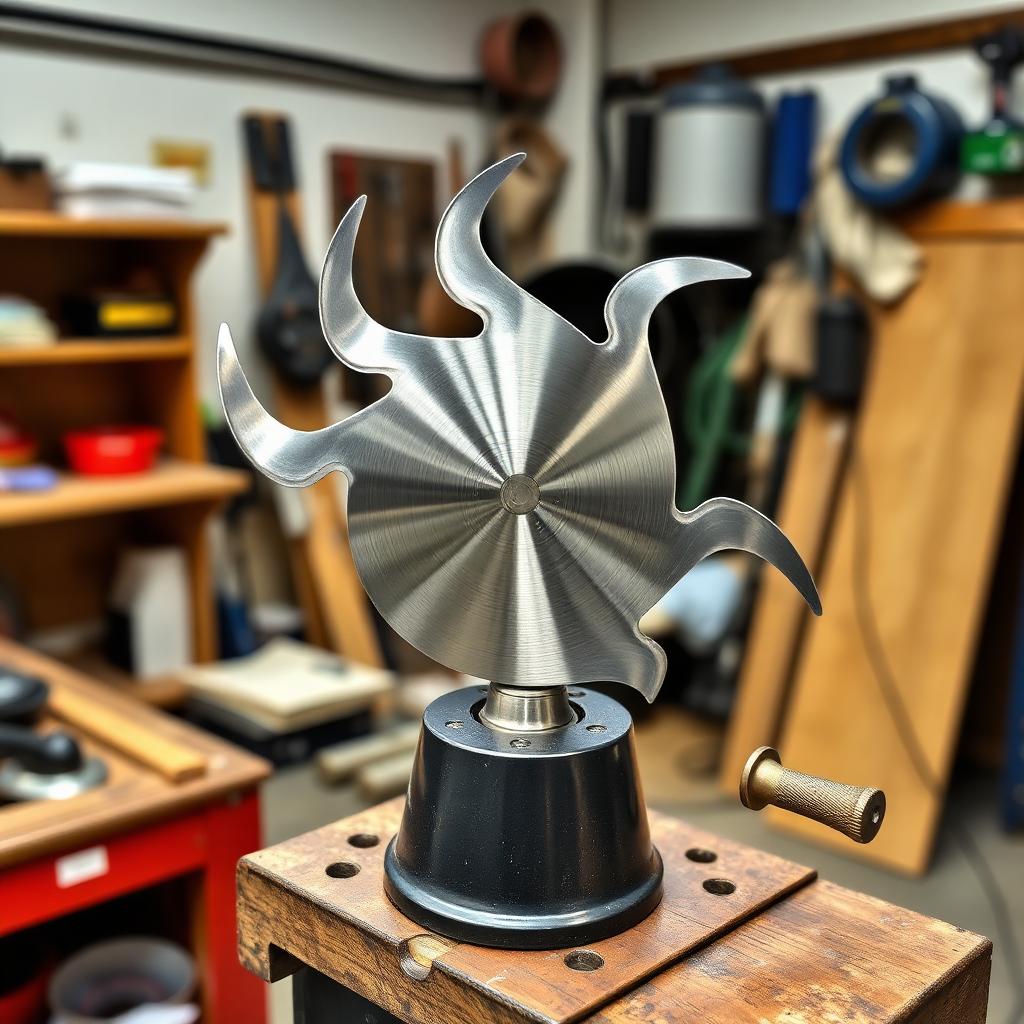
Clamp the blade in a vise and file along the original angle of the cutting edge, using smooth strokes in one direction. Remove nicks but do not try to make it razor sharp, since a very thin edge dulls quickly.
Hang the blade on a balancer or a nail through the center hole. If one side drops, file a little more metal from the heavy side. An unbalanced blade shakes the mower and wears out the engine bearings.
Reinstall it with the cutting edges facing the right direction and tighten the bolt to the torque listed in the manual.
How Do You Winterize a Battery or Electric Mower?
For cordless mowers, remove the battery and store it indoors where it will not freeze. Many manufacturers recommend storing lithium batteries partly charged rather than full or empty.
For riding mowers with a lead acid battery, disconnect the negative cable first, then the positive. Clean the terminals with a wire brush and store the battery in a cool, dry place, ideally on a maintainer.
Clean the deck of an electric mower the same way you would a gas mower. There is no fuel or oil to deal with.
Where Should You Store a Mower for Winter?
A dry garage or shed is ideal. Keep it off bare dirt, which holds moisture, and away from furnaces, water heaters or any pilot light, since fuel vapor can ignite.
A breathable mower cover keeps off dust without trapping humidity. Avoid sealing it in a plastic tarp.
If space is tight, many walk behind mowers have handles that fold down so the mower can stand upright. Check the manual before storing one on its end, since some engines leak oil that way.
What Mistakes Should You Avoid?
- Tipping the mower with the carburetor side down, which floods the air filter with oil.
- Working on the blade with the spark plug still connected.
- Leaving wet grass clumps under the deck.
- Storing a mower with old, untreated fuel.
- Pouring old oil down a drain. Take it to a recycling center or auto parts store.
Frequently Asked Questions
When should I winterize my mower?
After the last mow of the season, usually in late fall once the grass stops growing.
Can I use last year's gas in spring?
Only if it was stabilized. Otherwise dispose of it and use fresh fuel.
How often should I change the oil?
At least once a season, or as often as the manual specifies.
Do I need a pro tune up?
Not usually. These steps cover most homeowner maintenance.
The Bottom Line
Winterizing a lawn mower is simple: disconnect the plug, stabilize or run out the fuel, change the oil, clean the deck and service the blade, filter and plug.
Store it dry and away from flames, and it should start easily when the grass wakes up in spring.