
Quick Answer
To rake leaves faster, use a wide lightweight rake, work with the wind, and pull the leaves onto a tarp instead of building piles you have to lift.
Protect your back by standing tall, switching hands often, stepping with your legs instead of twisting, and taking short breaks.
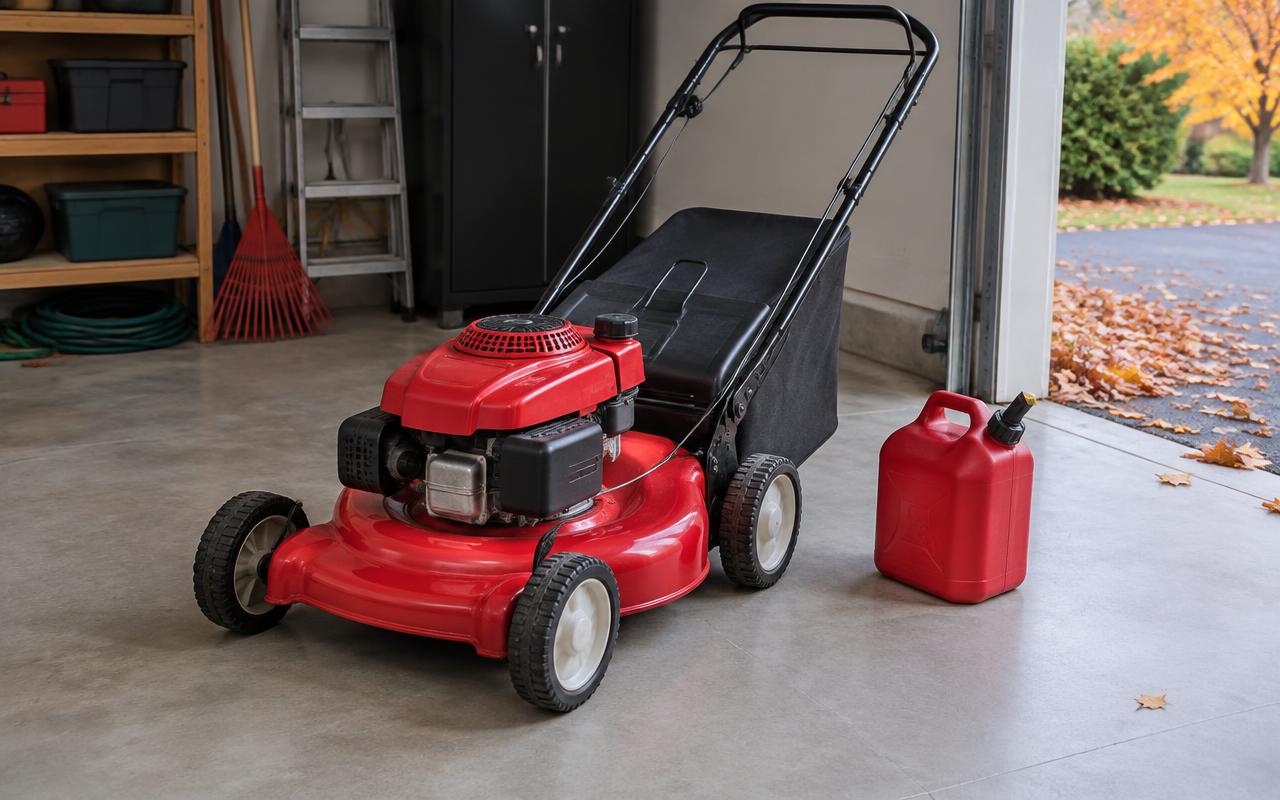
For a light layer, skip raking entirely and mulch the leaves into the lawn with your mower.
Why Clear Leaves at All?
A light scatter of leaves does no harm. A thick, matted layer does.
Virginia Tech turfgrass specialist Mike Goatley explains that a heavy layer of leaves blocks sunlight, shades the grass and reduces growth. Leaves also trap moisture, which increases the risk of turf disease.
That is why the goal is not a perfectly bare lawn. It is keeping the grass able to see the sun before winter.
What Is the Best Rake for Leaves?
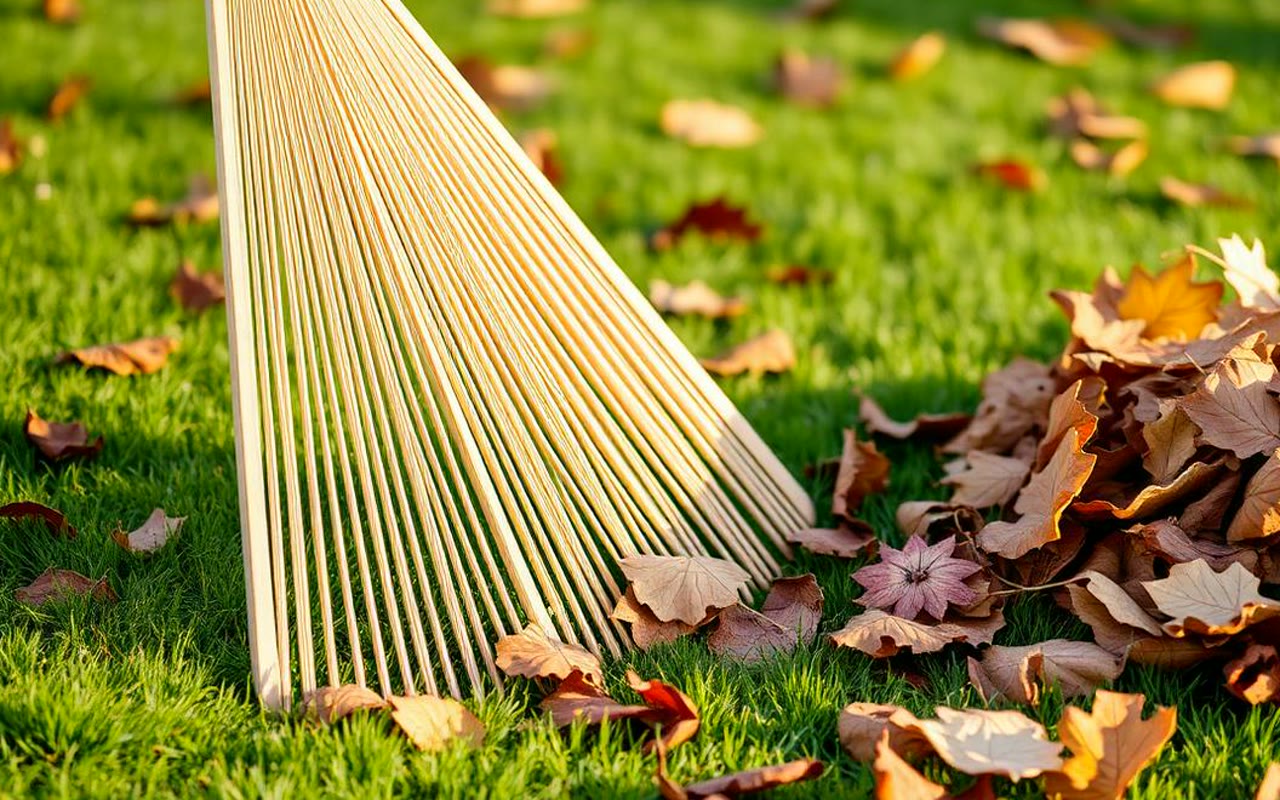
- Wide leaf rake: a 24 to 30 inch head moves more leaves per stroke.
- Lightweight handle: fiberglass or aluminum is easier on your arms than heavy wood.
- Cushioned grip: reduces blisters on long sessions.
- Ergonomic bent handle: lets you stand straighter.
Plastic tines glide over grass without tearing it. Metal spring tines are better for lifting wet, packed leaves.
How Do You Rake Leaves Faster?
1. Wait for a dry day. Dry leaves weigh far less and slide easily. Wet ones clump and stick.
2. Work with the wind. Rake in the direction the wind is blowing so it helps instead of scattering your work.
3. Use a tarp. Lay a large tarp down and rake leaves onto it, then drag the tarp to the curb or compost pile. No bending to scoop.
4. Divide the yard. Rake in sections toward the tarp rather than making one giant pile.
5. Rake downhill. If your yard slopes, let gravity do some of the work.
6. Use two boards. Leaf scoops or two pieces of cardboard pick up leaves much faster than hands.
How Do You Rake Without Hurting Your Back?
- Warm up: walk for five minutes and stretch your shoulders and hips.
- Stand tall: keep your back straight and hold the rake close to your body.
- Use your legs: step forward with each stroke instead of reaching and twisting.
- Switch sides: alternate your lead hand every few minutes.
- Lift light: fill bags only halfway so they are easy to carry.
- Take breaks: rest every 15 to 20 minutes and drink water.
Raking is real exercise. Treat it like a workout and pace yourself, especially if you are not used to it.
Should You Mulch Leaves Instead of Raking?
Often, yes. Mulch mowing chops leaves into small pieces that fall between the grass blades and break down into the soil.
K-State Research and Extension notes that years of university research show mulch mowing works well and benefits the lawn when done properly. The main tradeoff is mowing more often during peak leaf drop.
Virginia Tech suggests using a rotary mower, clearing sticks first, and wearing eye protection. Very wet leaves strain the mower and do not chop finely, so pick a dry afternoon.
When Is the Best Time to Rake?
Do not wait until every tree is bare. Clearing two or three times through the season keeps the layer thin and the job short.
Make a final pass after the last big drop and before snow. Leaves left under snow all winter can smother grass and encourage snow mold.
What Should You Do With Raked Leaves?
- Compost them with green material like grass clippings.
- Shred them and spread them as mulch around shrubs and garden beds.
- Bag them for your town's yard waste collection.
- Leave a few in a back corner for overwintering insects and pollinators.
Virginia Tech notes that some areas ban bagged leaves from landfills, so check local rules before setting bags at the curb.
Is a Leaf Blower Faster Than a Rake?
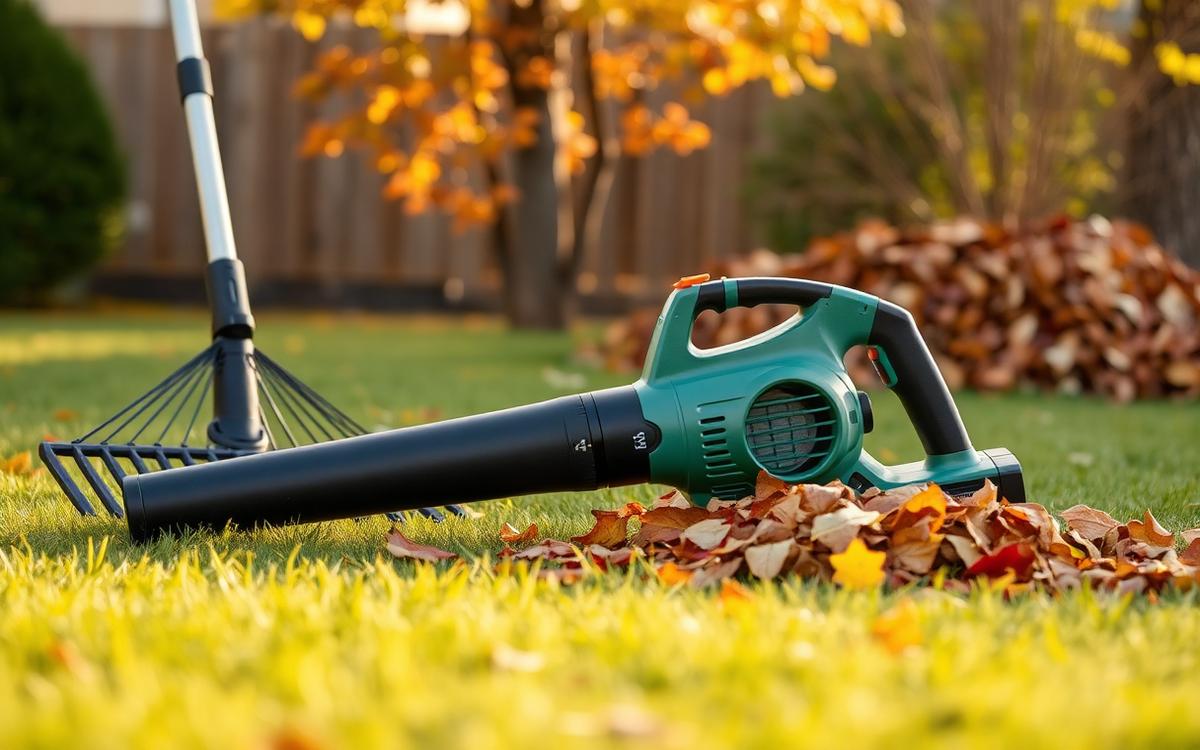
For large, open lawns, a blower is usually faster for moving dry leaves into a pile. For small yards and garden beds, a rake is quieter and often just as quick.
Many people use both: a blower to push leaves out of beds and a rake and tarp to finish.
How Long Does It Take to Rake a Yard?
It depends on tree cover, but a quarter acre lawn with a few large trees often takes two to four hours with a rake and tarp during peak drop.
Splitting that into several shorter sessions over the season is easier on your body and keeps the leaf layer thin enough to manage quickly.
Recruit help if you can. One person raking and another dragging the tarp roughly doubles your speed.
What Gear Makes Raking Easier?
- A large reusable leaf tarp with handles
- Leaf scoops or grabber paddles
- Padded gloves
- Pop up yard waste bags that stay open on their own
- A rake with an adjustable head width
The tarp is the single biggest upgrade. It turns lifting into dragging, which is far kinder to your lower back.
How Do You Stretch After Raking?
Finish with a few gentle stretches. Stand tall and reach both arms overhead, then lean slowly to each side.
Stretch your hamstrings by placing one heel on a low step and leaning forward from the hips with a straight back. Roll your shoulders backward ten times to release the upper back.
If you feel sharp pain, numbness or pain that lasts more than a few days, stop raking and check in with a doctor.
Frequently Asked Questions
Is it bad to leave leaves on the lawn?
A thin layer is fine. A thick mat should be mulched or removed.
Should I rake wet leaves?
Only if you must. They are heavy and hard on your back.
Does raking help grass?
Yes, it lets light reach the grass and reduces disease risk.
What gloves are best?
Padded garden gloves prevent blisters during long sessions.
The Bottom Line
Rake on dry days, with the wind, onto a tarp. Use a wide, light rake and move with your legs, not your lower back.
Better yet, mulch thin layers into the lawn with your mower and save raking for the heavy drops. Your yard and your back will both thank you.