
Quick Answer
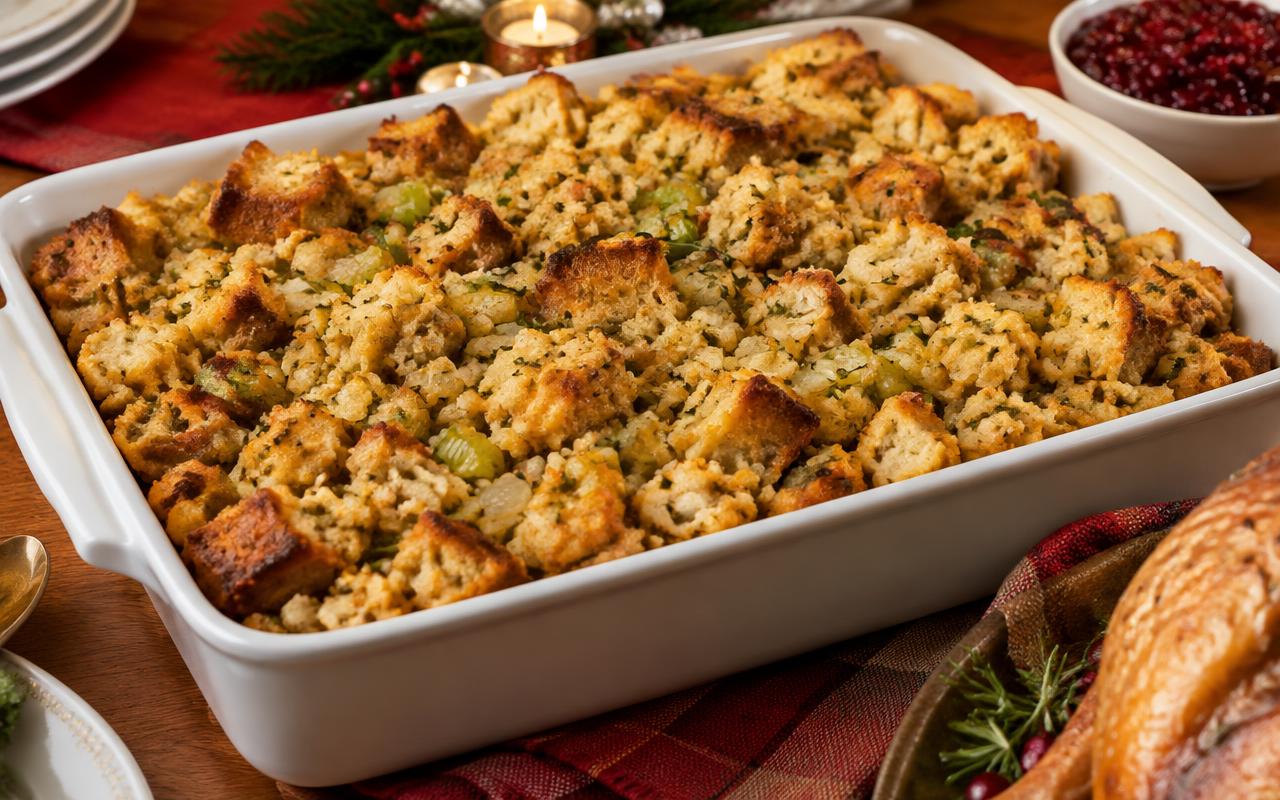
To make homemade stuffing, cut a loaf of sturdy bread into cubes and dry them in a 275 F oven for about 30 to 40 minutes.
Cook onion and celery in butter with sage and thyme, toss with the bread, warm broth and an egg, then bake in a buttered dish at 350 F for 40 to 50 minutes until golden on top.
USDA FSIS says stuffing should reach 165 F in the center, whether you bake it in a dish or inside a bird.
What Ingredients Do You Need?
For a 9 by 13 inch dish, about 10 to 12 servings:
- 1 pound loaf of sturdy white, French or sourdough bread (about 12 to 14 cups of cubes)
- 1/2 cup (1 stick) butter
- 2 cups diced onion
- 1 1/2 cups diced celery
- 3 cloves garlic, minced
- 2 tablespoons chopped fresh sage, or 2 teaspoons dried
- 1 tablespoon fresh thyme, or 1 teaspoon dried
- 1/4 cup chopped parsley
- 2 1/2 to 3 cups chicken or turkey broth, warmed
- 2 large eggs
- Salt and pepper
What Bread Is Best for Stuffing?
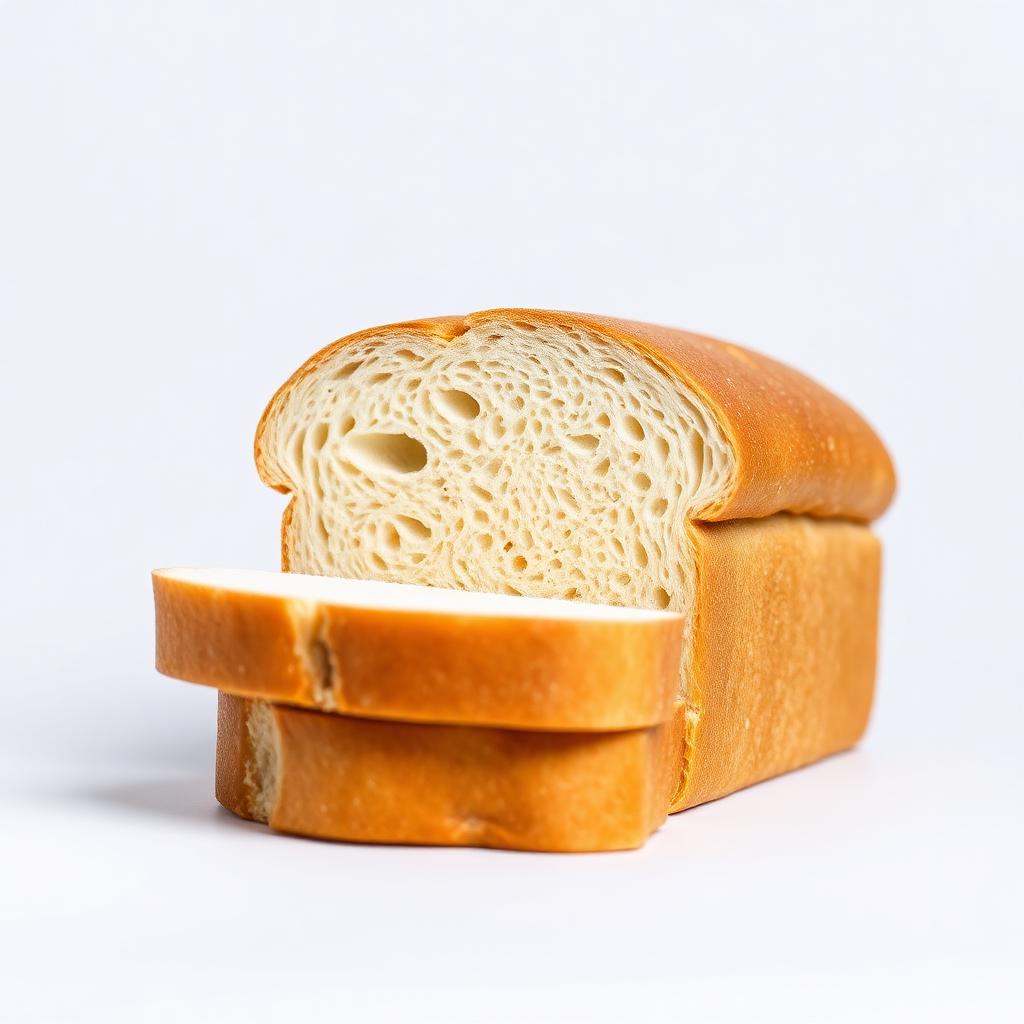
Choose a sturdy loaf with a tight crumb, like a bakery white loaf, French bread, challah or sourdough. Soft sandwich bread can work, but it turns mushy faster.
Dry bread is the most important part. Dry cubes soak up broth and flavor without falling apart. Fresh bread turns into paste.
How Do You Dry Bread for Stuffing?
Cut the bread into 3/4 inch cubes and spread them on two sheet pans. Bake at 275 F for 30 to 40 minutes, stirring halfway, until dry and crisp but not browned.
You can also leave the cubes out on the counter, uncovered, for 1 to 2 days. Stir them a few times so they dry evenly.
How Do You Make Stuffing, Step by Step?
1. Prep the pan. Heat the oven to 350 F and butter a 9 by 13 inch baking dish.
2. Cook the vegetables. Melt the butter in a large skillet over medium heat. Add the onion and celery and cook for 8 to 10 minutes until soft. Stir in the garlic, sage and thyme for 1 minute.
3. Combine. Put the bread cubes in a very large bowl. Add the vegetable mixture and parsley and toss well.
4. Moisten. Whisk the eggs with 2 1/2 cups of the warm broth. Pour over the bread and toss gently. The bread should be moist but not soggy. Add more broth if dry spots remain.
5. Bake. Spread the mixture in the dish. Cover with foil and bake for 25 minutes, then uncover and bake for 15 to 25 minutes more until golden and crisp on top.
6. Check. The center should read 165 F on a food thermometer, per the USDA safe temperature chart.
Is It Safe to Cook Stuffing Inside a Turkey?
It can be, but it takes care. USDA FSIS advises stuffing the bird loosely, about 3/4 cup of stuffing per pound, and roasting it right away in an oven set no lower than 325 F.
The center of the stuffing must reach 165 F. FSIS also says to let the bird stand for 20 minutes before removing the stuffing.
Because the meat can be done before the stuffing is, many cooks, including me, bake it in a separate dish. It is simpler and gives you more crispy edges.
Can You Make Stuffing Ahead of Time?
You can prep parts of it. FSIS says the dry and wet ingredients can be made ahead and chilled separately, but should not be mixed until just before baking.
Dry the bread up to 3 days ahead and store it in a bag. Cook the vegetables a day ahead and refrigerate them. On the day, combine everything with warm broth and egg and bake.
Why Is My Stuffing Soggy or Dry?
- Soggy: the bread was not dry enough or there was too much broth. Bake uncovered longer.
- Dry: not enough broth or baked uncovered too long. Drizzle warm broth over it and cover.
- Bland: underseasoned. Taste the broth mixture before adding egg and season boldly.
FSIS notes that stuffing should be moist, not dry, since heat kills bacteria faster in a moist mixture.
What Variations Can You Try?
- Sausage: brown 1 pound of breakfast sausage and fold it in.
- Cornbread: swap half or all of the bread for dried cornbread.
- Apple and cranberry: add a diced apple and 1/2 cup dried cranberries.
- Mushroom: cook 8 ounces of sliced mushrooms with the onion.
- Vegetarian: use vegetable broth and add toasted pecans.
How Do You Store and Reheat Stuffing?
Refrigerate leftover stuffing within 2 hours, as FSIS advises. If it was cooked in a bird, remove all of it from the cavity first. Eat it within 3 to 4 days.
Reheat to 165 F in a covered dish at 350 F with a splash of broth, then uncover for the last 10 minutes to recrisp the top.
How Much Stuffing Do You Need?
Plan on about 3/4 to 1 cup of baked stuffing per person, a bit more if you love leftovers. One pound of bread makes enough for about 10 to 12 people as a side.
For a crowd, double the recipe and bake it in two dishes so the center cooks through evenly and every pan gets crisp edges.
Frequently Asked Questions
What is the difference between stuffing and dressing?
Mostly regional. Some people call it dressing when baked outside the bird.
Can I skip the egg?
Yes. The stuffing will be looser and less custardy.
Can I use store bought bread cubes?
Yes. Use about 12 cups and adjust the broth.
Can I freeze stuffing?
Yes. Freeze baked stuffing for up to 1 month and reheat covered.
The Bottom Line
Great stuffing starts with properly dried bread, plenty of butter, onion, celery and herbs, and just enough warm broth.
Bake it in a dish until golden and 165 F in the center. It is safer and easier than stuffing the bird, and everyone gets crispy edges.