
Quick Answer
To keep a carved pumpkin from rotting, scrape the inside very clean, then soak or spray it with a mild bleach solution of about 1 tablespoon of bleach per gallon of water.
Let it dry, then rub petroleum jelly or vegetable oil on every cut edge to seal in moisture. Keep it cool, shaded and out of rain, and use an LED light instead of a candle.
With care, a carved pumpkin can last 1 to 2 weeks instead of 3 to 5 days.
Why Do Carved Pumpkins Rot So Fast?
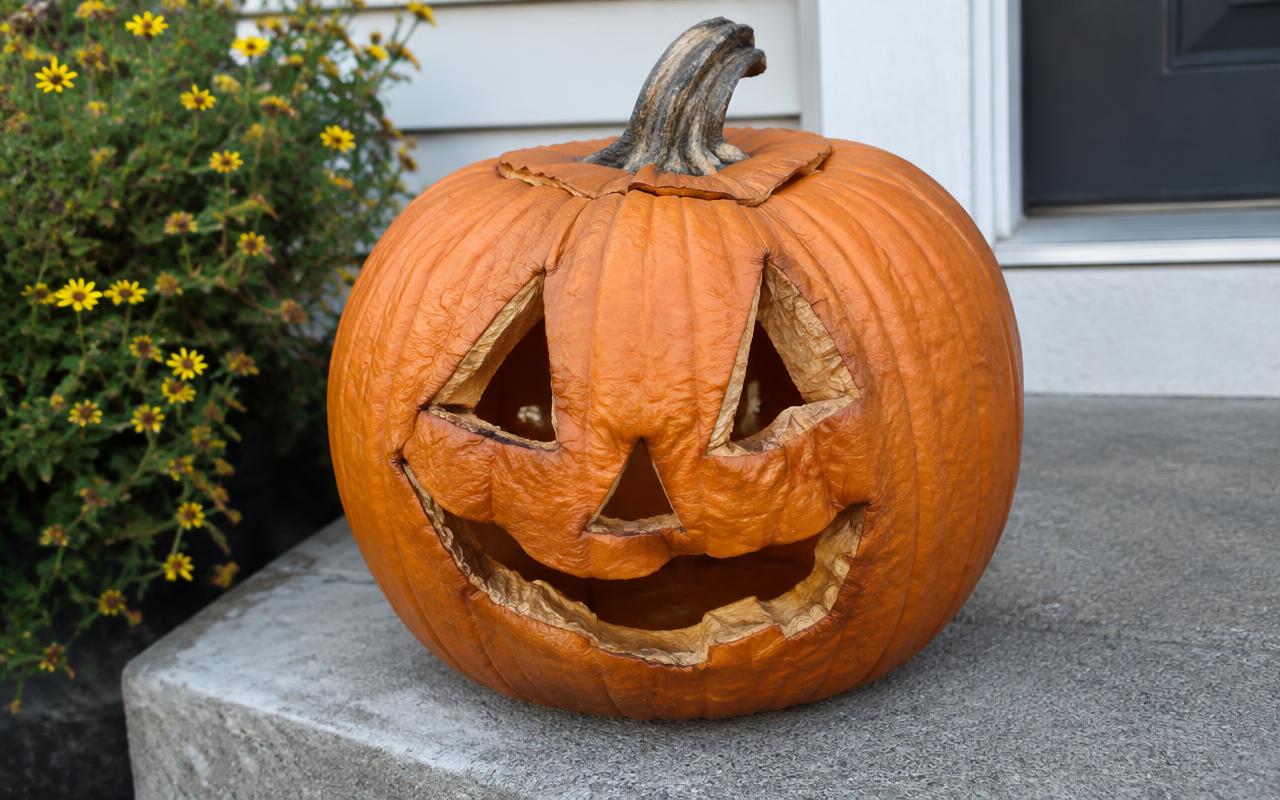
Once you cut a pumpkin, you expose wet flesh to air, mold spores and bacteria. Warm temperatures speed up mold growth, while sun and wind dry out the cut edges and make them shrivel.
Uncarved pumpkins can last for months, which is why many people carve only a few days before Halloween.
How Do You Choose a Pumpkin That Lasts?
- Pick a firm pumpkin with no soft spots, bruises or cuts.
- Look for a sturdy green or brown stem. A missing stem lets rot in.
- Press the bottom. It should feel hard, not spongy.
- Carry it by the base, not the stem, so the stem does not snap.
How Do You Preserve a Carved Pumpkin, Step by Step?
1. Carve close to Halloween. Two to three days ahead is ideal.
2. Clean thoroughly. Scrape out every string and seed, and thin the inner walls. Leftover pulp molds first.
3. Disinfect. Soak the pumpkin in a tub of cool water with about 1 tablespoon of bleach per gallon for 20 minutes to an hour. Or spray inside and out with the same solution.
4. Dry it. Turn it upside down on paper towels for 20 to 30 minutes.
5. Seal the edges. Rub petroleum jelly, coconut oil or vegetable oil on all cut surfaces, inside and out.
6. Mist daily. Spray with the bleach water each day to slow mold.
7. Keep it cool. Display it in shade. Bring it inside or into a cool garage on warm days.
Is It Safe to Use Bleach on a Pumpkin?
A dilute solution is safe for decorating when handled carefully. Wear gloves, work in a ventilated area and never mix bleach with vinegar or ammonia, which creates toxic fumes.
Do not eat a pumpkin, or roast its seeds, after treating it with bleach or petroleum jelly. Keep treated pumpkins away from pets and wildlife that might nibble them.
What Are Non Bleach Options?
- Vinegar spray: 1 part white vinegar to 10 parts water. Milder, but it can still slow mold.
- Peppermint soap: a few drops of liquid castile soap in water can discourage mold and some pests.
- Commercial pumpkin preservative sprays: sold seasonally at craft and garden stores.
How Do You Bring a Shriveled Pumpkin Back?
If your pumpkin is drying out and caving in, soak it face down in cold water for 1 to 8 hours. It will absorb water and plump up.
Dry it completely afterward and treat it again, because a damp pumpkin molds quickly.
Should You Use Candles or LED Lights?
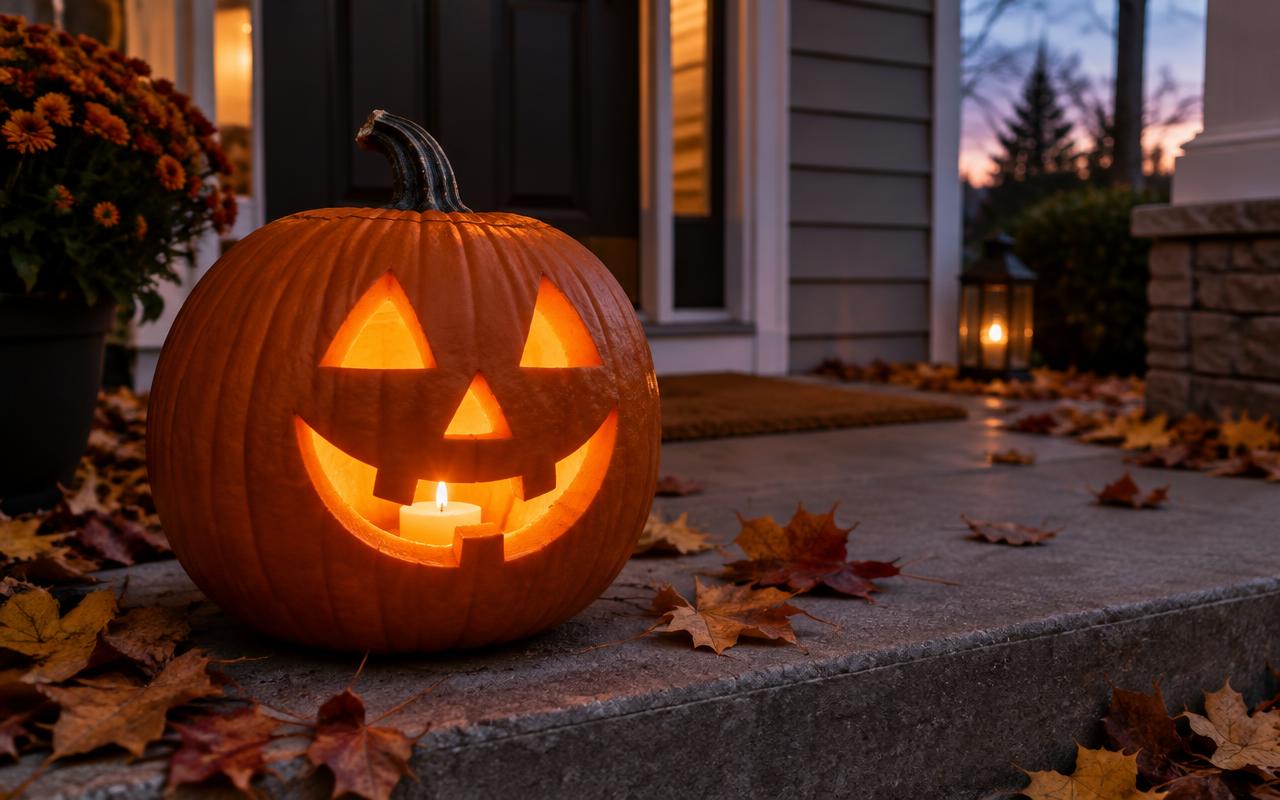
Real candles heat the inside and essentially cook the pumpkin, which speeds up rotting. They are also a fire risk near costumes and dry leaves.
Battery LED lights or flameless candles keep the pumpkin cooler and last longer. They are the safer choice on a busy trick or treat night.
Where Should You Display Carved Pumpkins?
- A shaded porch that stays cool
- Off the ground on a step, stool or board, so it does not sit in moisture
- Away from heavy rain
- Out of reach of squirrels, which love pumpkin
Some people refrigerate carved pumpkins overnight, wrapped loosely in plastic, to stretch their life by a few days.
How Long Do Carved Pumpkins Last?
- Warm, sunny climate: 2 to 4 days
- Cool fall weather: 5 to 7 days
- Treated and kept cool: 1 to 2 weeks
- Uncarved: 2 to 3 months in a cool, dry spot
What Are Alternatives to Carving?
For decorations that last all season, try painting, decoupage or using markers on whole pumpkins. Drilling small holes with a power drill also creates a pattern with less exposed flesh.
Foam craft pumpkins can be carved and reused year after year with no rot at all.
How Do You Dispose of a Rotting Pumpkin?
Untreated pumpkins can go in the compost or yard waste bin. Remove candles and any wax first.
Pumpkins treated with bleach or petroleum jelly should go in the regular trash rather than compost.
What Carving Tips Help a Pumpkin Last Longer?
- Cut the lid from the bottom or back: a bottom opening lets the pumpkin sit flat over an LED light and keeps the stem intact.
- Use simple designs: fewer, larger openings expose less flesh than lots of tiny cuts.
- Try surface etching: scraping away only the skin layer creates a glowing design without cutting all the way through.
- Use clean tools: wash knives and scoops before carving to avoid adding bacteria.
What Are Signs a Pumpkin Is Past Saving?
Throw it out if you see fuzzy white, green or black mold spreading inside, smell a sour odor or find the walls collapsing and leaking.
A little shriveling at the edges can be fixed with a soak. Deep mushy rot cannot. Handle moldy pumpkins with gloves, especially if you have allergies.
Frequently Asked Questions
Does hairspray preserve a pumpkin?
It can add a light seal, but it is flammable, so never use it with candles.
When should I carve for Halloween?
About two to three days before October 31.
Can I freeze a carved pumpkin?
No. Freezing ruptures the cells and it turns to mush when thawed.
Why is my pumpkin moldy inside?
Leftover pulp, warmth and moisture. Clean thoroughly and keep it cool.
The Bottom Line
Carve a firm pumpkin a few days before Halloween, scrape it clean, disinfect it with dilute bleach and seal the cut edges.
Keep it cool, shaded and lit with an LED, and it can last a week or two instead of a few days.