Quick Answer
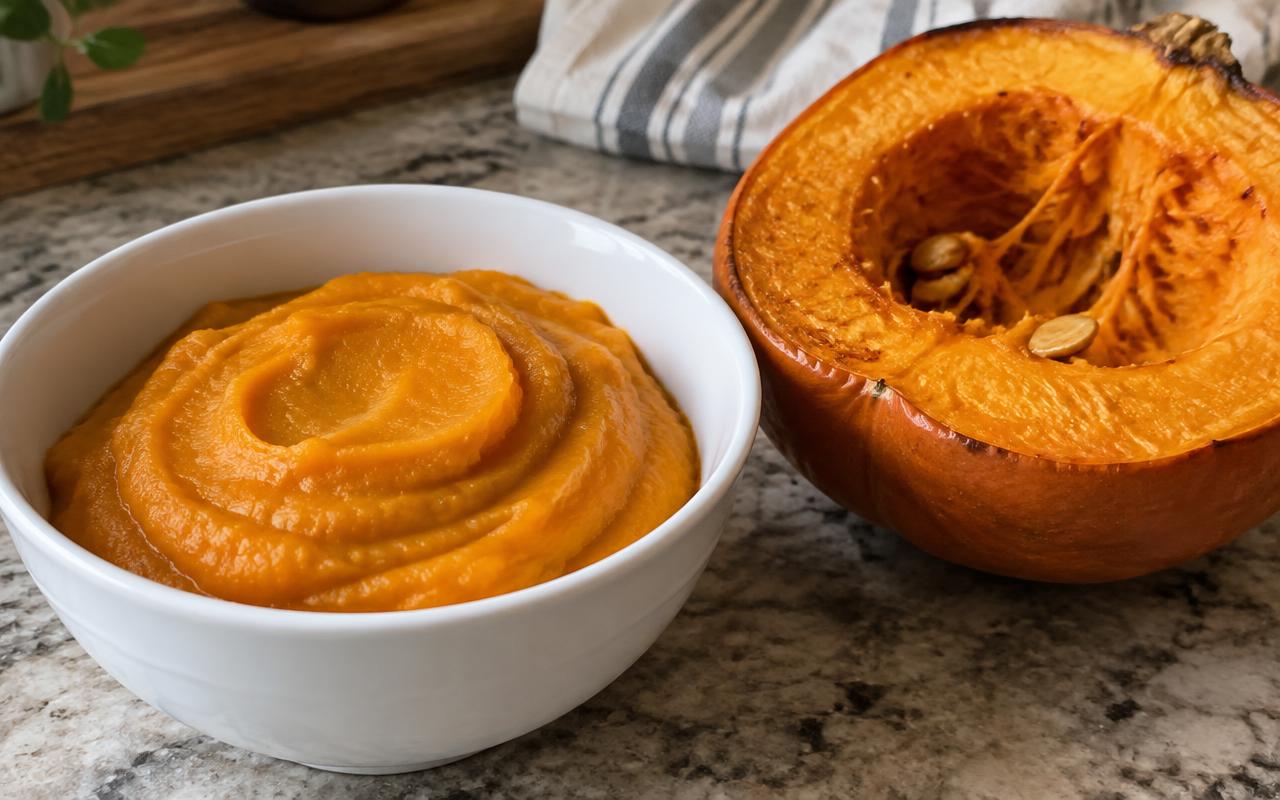
To make pumpkin puree, cut a small pie pumpkin in half, scoop out the seeds, and roast it cut side down at 400 F for about 40 to 50 minutes, until a fork slides in easily.
Scoop the soft flesh into a blender or food processor and blend until smooth. If it looks watery, drain it in a fine strainer for an hour or two.
Keep it in the fridge for up to about five days, or freeze it for months. Do not can mashed pumpkin at home, because there is no tested safe method for it.
Which Pumpkins Work Best for Puree?
The best pumpkins for puree are small, dense varieties sold as pie pumpkins or sugar pumpkins. They usually weigh 2 to 6 pounds and have smooth, sweet, less stringy flesh.
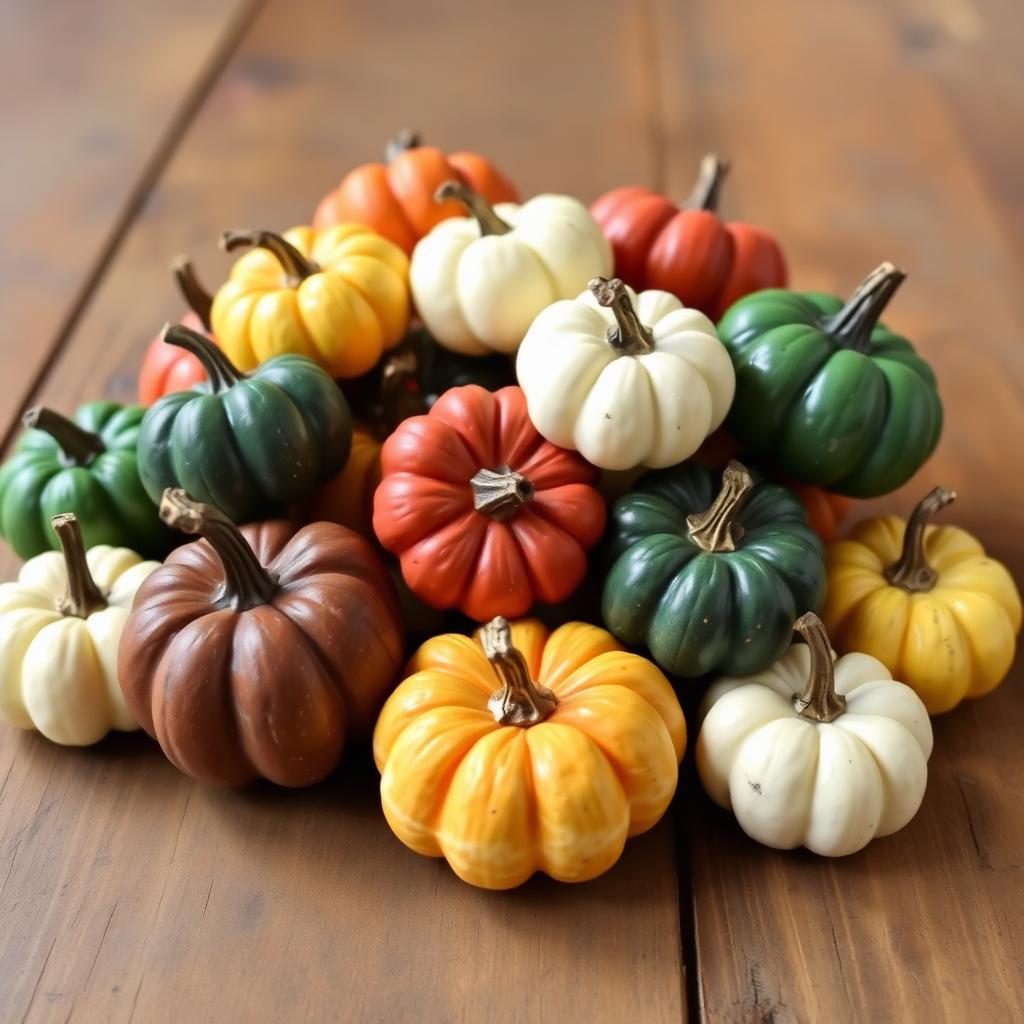
Big carving pumpkins are edible, but they are grown for size, not flavor. Their flesh is thin, watery and fibrous, so the puree tastes bland and needs much longer draining.
I also like Long Island Cheese and Cinderella pumpkins for puree. Butternut squash works too and many cooks quietly blend it in, since a lot of canned pumpkin is made from squash like varieties anyway.
Pick a pumpkin that feels heavy for its size, has a firm dry stem, and shows no soft spots or mold.
What You Need
- One 3 to 4 pound pie pumpkin (yields roughly 1.5 to 2 cups of puree)
- A large sharp chef's knife
- A sturdy metal spoon or scoop
- A rimmed baking sheet and parchment
- A blender or food processor
- A fine mesh strainer or cheesecloth for draining
How to Roast Pumpkin for Puree, Step by Step
1. Wash and cut. Rinse the outside and dry it. Set the pumpkin on a towel so it does not roll, then cut it in half from stem to base. If the stem is in the way, cut beside it.
2. Scoop the seeds. Scrape out the seeds and stringy pulp with a metal spoon. Save the seeds for roasting if you like.
3. Roast. Place the halves cut side down on a parchment lined sheet. Roast at 400 F for 40 to 50 minutes. Smaller pumpkins can finish in 30 minutes, larger ones may need an hour.
4. Cool and scoop. Let the halves cool for 15 to 20 minutes until you can handle them. The skin should peel away and the flesh should scoop out easily.
5. Blend. Blend the flesh until completely smooth. Add a tablespoon of water only if the blender stalls.
6. Drain if needed. Fresh puree is usually wetter than canned. Set it in a strainer lined with cheesecloth or a coffee filter over a bowl, and let it drain in the fridge for one to two hours or overnight.
Other Ways to Cook the Pumpkin
Steaming: Peel and cube the pumpkin, then steam the cubes for 15 to 20 minutes until tender. Steaming is fast but makes a wetter puree.
Microwave: Place halves cut side down in a dish with a little water, cover, and cook for 10 to 15 minutes, checking every few minutes.
Pressure cooker: Set a halved pumpkin on the trivet with a cup of water and cook at high pressure for about 12 to 15 minutes, then release.
Boiling: It works, but I avoid it. Boiled pumpkin absorbs water and loses flavor, so the puree tastes thin.
Roasting gives the deepest, sweetest flavor because some of the water evaporates and the natural sugars caramelize a little.
How Do You Store Homemade Pumpkin Puree?
In the refrigerator, keep the puree in a covered container and use it within about five days.
For longer storage, freezing is the safest choice. Penn State Extension says homemade pumpkin puree should be preserved by freezing, not canning.
I portion it into 1 cup or 15 ounce amounts, which matches a standard can and makes recipes easy. Freezer bags laid flat save space. Leave a little headspace in rigid containers because the puree expands.
Frozen puree keeps good quality for about a year. Thaw it overnight in the refrigerator and stir before using, since some liquid may separate.
Can You Can Pumpkin Puree at Home?
No. The National Center for Home Food Preservation says pumpkin and winter squash should only be home canned as cubes in a pressure canner, never as mashed or pureed pumpkin.
Puree is so thick that heat penetration varies from batch to batch, and testing could not establish a safe processing time. Underprocessed low acid food can allow botulism.
If you want shelf stable pumpkin, pressure can 1 inch cubes following the tested recipe, then mash them when you open the jar.
Fresh vs Canned Pumpkin Puree
Canned pumpkin is thick, consistent and very convenient. Fresh puree tastes lighter and a bit more vegetable like, and its texture varies with the pumpkin.
For pies, the key is moisture. If your fresh puree is looser than canned, drain it longer, or your custard may weep and crack.
For soups, smoothies, oatmeal, muffins and pancakes, fresh puree works perfectly with no adjustment.
Is Pumpkin Puree Healthy?
Plain pumpkin puree is low in calories and fat and is a rich source of beta carotene, which the body converts to vitamin A. It also provides fiber and potassium.
Just do not confuse it with pumpkin pie filling, which already has sugar and spices added. Homemade puree is simply pumpkin.
Ways I Use Pumpkin Puree
- Pumpkin pie and pumpkin bread
- Stirred into oatmeal or yogurt with cinnamon
- Blended into a creamy soup with onion and stock
- Mixed into pancake or waffle batter
- Added to pasta sauce or mac and cheese for a silky texture
- Homemade dog treats (plain puree only, no spices or sweetener)
Common Mistakes
Using a jack o lantern pumpkin: The puree will be watery and bland.
Skipping the drain: Wet puree can ruin pies and make baked goods gummy.
Undercooking: If the flesh is not fork tender everywhere, the puree will be grainy.
Canning the puree: It is not safe. Freeze it instead.
Frequently Asked Questions
How much puree does one pumpkin make?
A 3 to 4 pound pie pumpkin usually yields about 1.5 to 2 cups after draining.
Do I need to peel the pumpkin first?
No. Roasting in the skin is easier, and the flesh scoops right out afterward.
Can I use a carved pumpkin?
No. Once carved and displayed, it has been sitting at room temperature and can harbor mold and bacteria.
Why is my puree stringy?
Either the pumpkin was a carving type or it was not blended long enough. A food processor fixes most texture problems.
Bottom Line
Roast a small pie pumpkin cut side down at 400 F until tender, blend the flesh, and drain it until it is as thick as canned. Refrigerate it for a few days or freeze it for up to a year, and skip home canning the puree entirely. It is an easy weekend project that gives you better tasting pumpkin all season.