Quick Answer
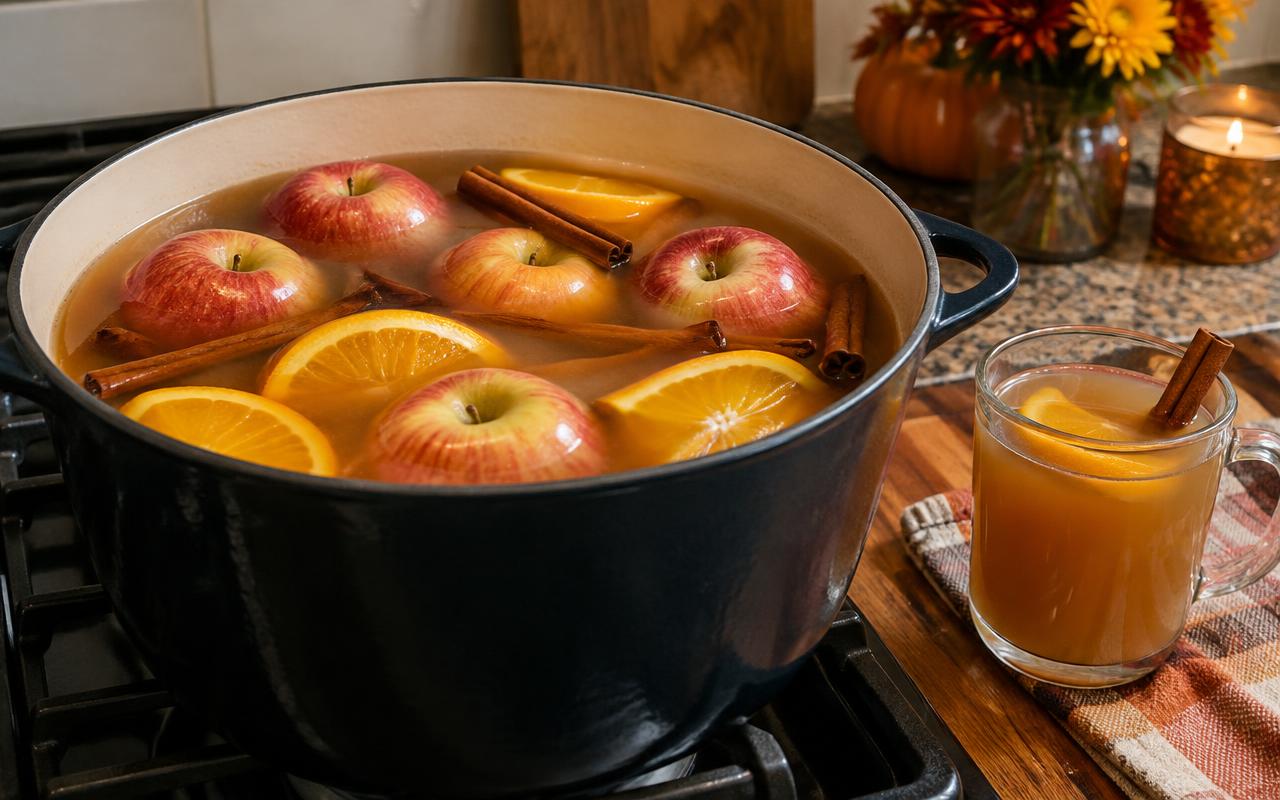
The easiest way to make apple cider at home is the stovetop method: quarter about 10 to 12 apples, cover them with water in a large pot, add cinnamon sticks, whole cloves, and an orange, then simmer for about two hours. Mash the soft fruit, simmer another hour, and strain.
If you have a juicer or a cider press, you can make raw pressed cider instead. That version tastes fresher but should be heated before serving to young kids, older adults, pregnant people, or anyone with a weakened immune system.
Use a mix of sweet and tart apples. A blend always tastes better than a single variety.
What Is Apple Cider, Exactly?
In the United States, apple cider usually means unfiltered, unsweetened apple juice that still contains fine pulp, which gives it a cloudy look and fuller flavor. Clear apple juice has been filtered and is nearly always pasteurized.
In the UK and much of Europe, "cider" means an alcoholic drink. This guide covers the American, non alcoholic kind.
Choosing the Best Apples for Cider
Great cider balances sweetness, acidity, and a little depth. I aim for roughly half sweet apples and half tart ones.
- Sweet: Gala, Fuji, Honeycrisp, Golden Delicious.
- Tart: Granny Smith, McIntosh, Braeburn, Jonathan.
- Aromatic: A couple of Cortland or Pink Lady add a floral note.
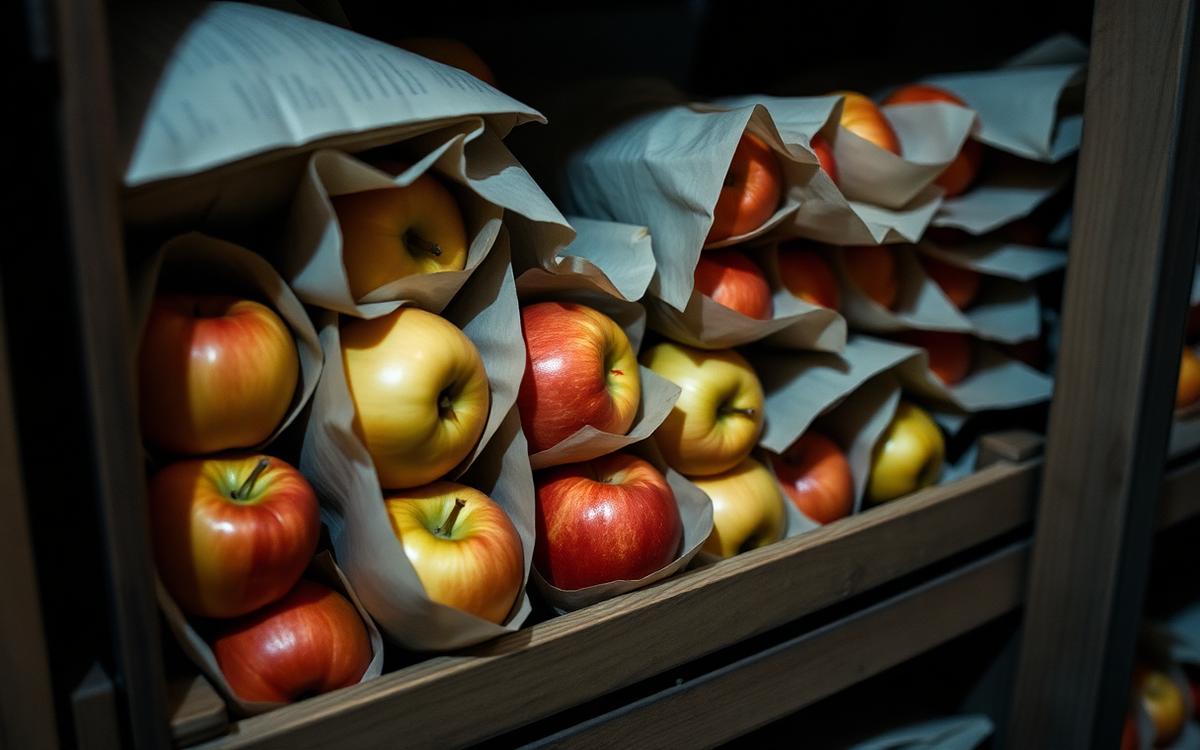
Bruised or slightly soft apples are fine for the stovetop method as long as you cut away any rotten or moldy spots. Never use fruit that is moldy throughout.
Stovetop Apple Cider Recipe
Ingredients:
- 10 to 12 medium apples, mixed varieties
- 1 orange, quartered
- 3 to 4 cinnamon sticks
- 1 tablespoon whole cloves
- 1 teaspoon whole allspice (optional)
- Brown sugar or maple syrup to taste (optional)
- Water to cover, about 4 to 5 quarts
Steps:
- Wash the apples and cut them into quarters. You do not need to peel or core them; skins add color and flavor.
- Put the apples and orange in a large stockpot and add water until the fruit is covered by about two inches.
- Add the spices. Bring the pot to a boil, then lower to a gentle simmer.
- Simmer uncovered for about two hours, stirring occasionally.
- Mash the softened fruit with a potato masher, then simmer one more hour.
- Strain through a fine mesh sieve, then again through cheesecloth for a smoother drink. Press the pulp to get every drop.
- Taste and sweeten if you like. Many apple blends need no sugar at all.
This yields roughly two to three quarts, depending on how long you simmer.
Slow Cooker and Instant Pot Versions
For a slow cooker, fill it with the same ingredients scaled down to fit, cover with water, and cook on low for about 8 hours or high for 4 to 5 hours. Mash during the last hour, then strain. It fills the house with that cider smell all day.
In an electric pressure cooker, cook on high pressure for about 15 minutes with a natural release, then mash and strain. Keep the water below the max fill line.
Pressed Apple Cider
Real orchard style cider is made by grinding apples into a pulp called pomace and pressing out the juice. A small home cider press or a sturdy juicer does the job.
Roughly speaking, it takes about a third of a bushel of apples to get a gallon of cider, though yield varies a lot with variety and equipment.
Pressed cider tastes bright and fresh, but it is raw. That brings us to safety.
Is Homemade Cider Safe?
Unpasteurized juice and cider can carry harmful bacteria such as E. coli O157:H7, which has caused outbreaks linked to raw cider. The FDA requires a warning label on untreated juice sold in stores for this reason.
The stovetop method is safe because the cider simmers for hours. For pressed cider, bring it to a simmer briefly, or heat it to at least 160 F, before serving to anyone at higher risk.
Always wash apples well, discard any that are rotten, and avoid fruit picked up off the ground, which is more likely to be contaminated.
How to Store Homemade Apple Cider
Keep cider in clean, covered jars or bottles in the refrigerator. It stays good for about 7 to 10 days. After that, natural yeasts start to ferment it, and you will notice fizz and a sour, slightly boozy taste.
For longer storage, freeze it. Leave at least an inch of headspace in containers because cider expands as it freezes. Frozen cider keeps for several months.
Ways to Serve It
- Hot mulled cider: Warm with a fresh cinnamon stick and an orange slice.
- Cold over ice on a warm September afternoon.
- Cider slushies: Freeze in ice cube trays and blend.
- In cooking: Use it to braise pork, glaze carrots, or make apple cider donuts.
What to Do With Leftover Pulp
Do not throw away the cooked pulp. Remove the orange peel and whole spices, run the rest through a food mill, and you have a rough applesauce. You can also cook it down further into apple butter, or add it to the compost pile.
How Much Does Homemade Cider Cost?
At peak season, orchard seconds or a half bushel of mixed apples often cost far less per pound than grocery store fruit. Since a stovetop batch uses about a dozen apples plus pantry spices, a couple of quarts of homemade cider usually costs about the same as a single jug from the store, and it tastes noticeably fresher.
Ask local orchards for "cider apples" or "seconds." These are cosmetically imperfect fruit sold at a discount, and they are perfect for cooking down.
Frequently Asked Questions
Is apple cider the same as apple juice?
Not quite. Cider is unfiltered and cloudy with a fuller flavor; juice is filtered and clear.
Do I need to add sugar?
Usually not. A good mix of sweet apples makes cider sweet enough on its own.
Can I make cider without spices?
Yes. Plain apple cider is delicious. Spices simply make it taste like fall.
Why did my cider turn fizzy?
It began to ferment. Discard it if it smells off, and keep future batches cold and drink them within a week.
Bottom Line
Homemade apple cider is mostly patience. Mix sweet and tart apples, simmer them with spices for a few hours, mash, strain, and chill. If you press raw cider instead, heat it before serving to vulnerable guests, and drink it within about a week.