Quick Answer
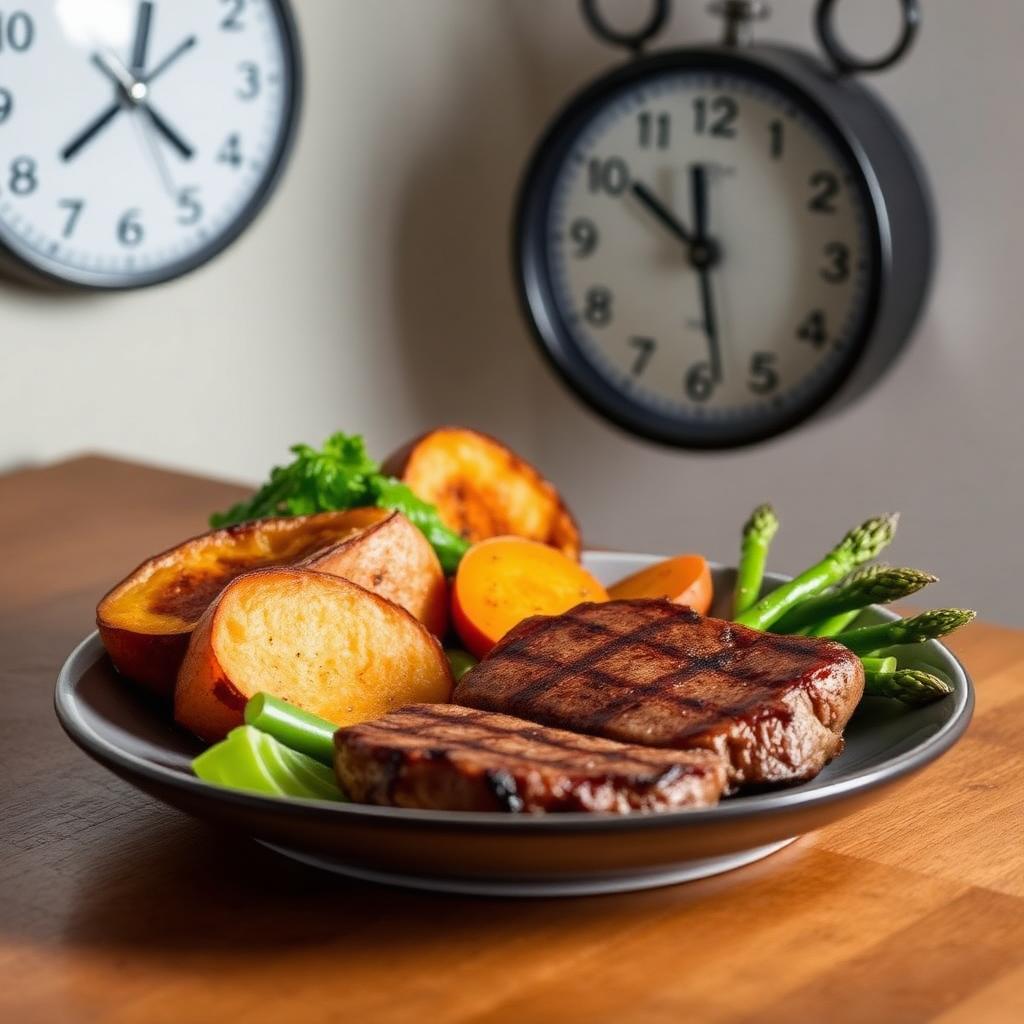
OMAD (One Meal a Day) is an extreme version of intermittent fasting that compresses all daily calories into a single 60 minute eating window, followed by a 23 hour fast.
It typically produces fast initial weight loss through caloric restriction and prolonged low insulin states, but it carries real risks around muscle loss, micronutrient gaps, gastrointestinal distress, and disordered eating, especially for women and athletes.
Current evidence does not show OMAD is superior to a moderate calorie deficit spread across 2 to 3 meals, and most clinical guidelines recommend a less extreme 16:8 or 18:6 protocol instead.
How the 23:1 protocol works

- 23 hour fast. Only water, black coffee, plain tea, and electrolytes are allowed.
- 1 hour eating window. Most adults pick the same window each day (5 to 6 pm is popular). The entire daily calorie target lands inside this hour.
- No skipping. The protocol assumes you actually eat the meal. Skipping turns OMAD into a 47 hour fast, which is a different intervention.
What changes inside the body during a 23 hour fast
- Insulin drops. Within 12 hours fasting insulin falls 40 to 60 percent. The hormonal environment shifts toward fat oxidation through hormone sensitive lipase activation.
- Glycogen depletes. Liver glycogen runs out around hour 16 to 24 in most adults. After that, the body relies on gluconeogenesis from amino acids and glycerol.
- Ketone bodies rise. Beta hydroxybutyrate climbs from 0.1 to about 0.5 to 1.0 mmol/L by hour 20, fueling the brain when glucose runs low.
- Autophagy activates. Cellular self cleaning ramps up around the 18 to 24 hour mark in animal studies, though human evidence is still mostly indirect.
- Growth hormone surges. GH rises 2 to 5x baseline, which helps protect lean mass during the fast.
The hard part: meeting daily nutrient targets in one hour
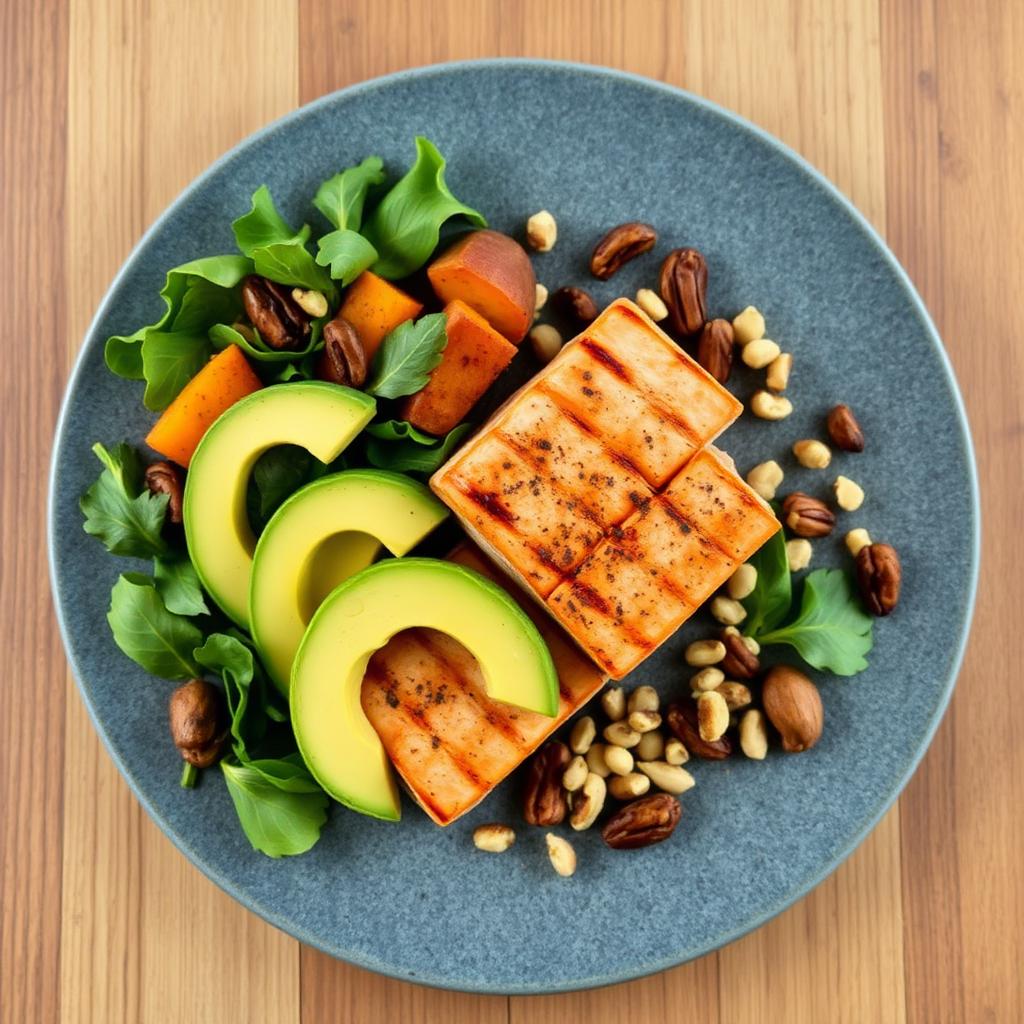
An adult woman maintaining at 2,000 kcal needs to land all of the following inside a single sitting:
- Protein: 100 to 140 g (1.6 to 2.2 g/kg of body weight to protect lean mass).
- Carbohydrates: 200 to 250 g (more if active).
- Fat: 60 to 80 g.
- Fiber: 25 to 35 g.
- Calcium: 1,000 to 1,200 mg.
- Iron: 18 mg (premenopausal women), 8 mg (men, postmenopausal women).
- Sodium: 1,500 to 2,300 mg to replace what was lost during the fast.
That is a massive volume of food. Most adults find it physically uncomfortable, and protein absorption begins to plateau above 50 to 60 g per meal because of the rate at which intestinal amino acid transporters saturate.
What the research actually shows
- A 2017 randomized trial in JAMA Internal Medicine compared 1 meal per day to 3 meals per day at identical calories. The OMAD group lost more body weight (1.4 kg vs 0.5 kg over 8 weeks) but also showed a transient rise in LDL cholesterol and morning blood pressure.
- A 2020 review in the New England Journal of Medicine on intermittent fasting found benefits across most fasting protocols, but specifically flagged OMAD as offering no clear advantage over 16:8 or 18:6 while carrying higher behavioral and metabolic risk.
- Athletes and resistance trained adults consistently lose more lean mass on OMAD vs the same calorie intake split across 3 to 4 meals.
Real risks to know about
- Gallstones. Long gaps between meals reduce gallbladder contraction, allowing bile to thicken. Sustained OMAD doubles to triples the risk of symptomatic gallstones.
- Acid reflux. Eating 2,000 calories in 60 minutes overwhelms gastric capacity for many adults, triggering reflux and abdominal distension.
- Binge eating triggers. Adults with any history of disordered eating frequently report OMAD as a gateway back into restrictive or binge patterns.
- Menstrual disruption in women. Sustained energy availability under 30 kcal/kg of lean mass can trigger hypothalamic amenorrhea. OMAD makes this easier to fall into.
- Hypoglycemia risk. Anyone on insulin or sulfonylureas can drop into dangerous low blood sugar during the 23 hour fast.
- Social cost. Skipping breakfast and lunch with family and coworkers strains relationships in a way most adults underestimate.
Who should not try OMAD
- Pregnant or breastfeeding women.
- Adolescents under 18.
- Anyone with a history of anorexia, bulimia, or binge eating disorder.
- People with type 1 diabetes or type 2 diabetes on insulin or sulfonylureas.
- Adults with low body weight (BMI under 20).
- Athletes in heavy training phases or competition prep.
- People with gastroparesis, severe GERD, or active gallbladder disease.
A safer alternative: 16:8 or 18:6
If you want the metabolic benefits of intermittent fasting without the OMAD risk profile, the same insulin and autophagy improvements show up at less extreme schedules:
- 16:8. 16 hour fast, 8 hour eating window (typically noon to 8 pm). Two meals plus an optional snack.
- 18:6. 18 hour fast, 6 hour window (1 pm to 7 pm). Most evidence based protocol for adults wanting fasting benefits with adequate protein distribution.
- 5:2. 5 normal eating days, 2 days at 500 to 600 kcal. Easier to sustain socially.
FAQs
How long does it take to adapt?
Most adults feel hungry, irritable, and low energy for the first 10 to 14 days, then either adapt or quit. Adaptation does not happen for everyone.
Can I drink coffee during the fast?
Yes. Plain black coffee, plain tea, water, and unflavored electrolytes do not break a fast.
Will OMAD boost autophagy more than 16:8?
Animal data suggests yes, slightly. Human evidence is limited. The extra autophagy gain is small compared to the behavioral risk of OMAD.
What is the ideal eating window time?
Late afternoon (around 4 to 6 pm) appears optimal for circadian alignment in most studies. Eating very late at night blunts overnight glucose control.
The takeaway
OMAD will produce weight loss for most adults because it creates a deep caloric deficit by default. It is not magic, it is not superior to a moderate deficit spread across multiple meals, and it carries real risks around muscle loss, gallstones, menstrual disruption, and disordered eating. If fasting appeals to you, start with 16:8, layer in resistance training, and only consider OMAD with medical guidance.