Quick Answer
Increase fiber by about 5 grams a week rather than all at once, increase water at the same time, and start with gentler soluble sources such as oats, carrots and psyllium before adding beans and bran.
Bloating on a higher fiber diet is usually a sign that gut bacteria are adapting, not a sign that fiber does not suit you. It typically settles within two to four weeks.
Cooking vegetables, rinsing tinned legumes and chewing properly all reduce the gas noticeably.
Why fiber causes gas in the first place
Fiber is not digested by you. It is digested by the bacteria in your colon, and fermentation produces hydrogen, carbon dioxide and sometimes methane as by products.
When intake jumps suddenly, the bacterial population that handles that fiber has not yet expanded to match. The result is faster, messier fermentation and more gas. Give it a few weeks and the community shifts, the fermentation becomes more efficient, and the symptoms fade.
This is why the people who tell you fiber makes them ill are almost always describing the first ten days of a change.
The sequence that works
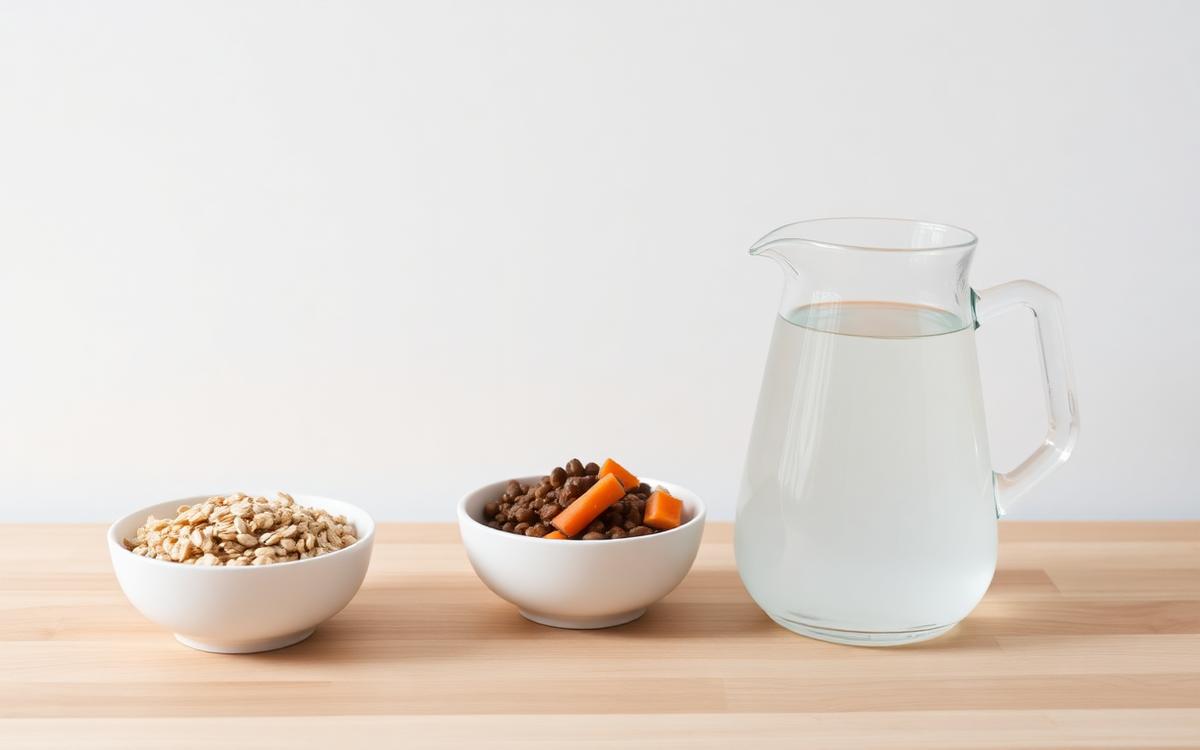
- Week one: add one gentle source. Half a cup of oats at breakfast, or a piece of fruit with skin. Aim for about 5 grams above your usual.
- Week two: upgrade one starch. White rice to barley, or white bread to wholemeal.
- Week three: introduce legumes in small amounts. Start at a quarter cup, well cooked and rinsed, not a full bowl of chilli.
- Week four: add vegetables at a second meal, cooked rather than raw at first.
- Week five onward: hold steady and only increase further if you are still short of target.
Five weeks sounds slow. It is still faster than quitting after three uncomfortable days and starting again next year.
Practical tricks that reduce gas
- Rinse tinned beans thoroughly. Much of the fermentable sugar sits in the liquid.
- Soak and cook dried legumes properly. Discard the soaking water and cook until genuinely soft.
- Cook your vegetables. Heat breaks down cell walls so less arrives in the colon intact.
- Chew more. Mechanical breakdown in the mouth genuinely reduces the workload further down.
- Spread it out. Ten grams at three meals is far easier than 30 grams at dinner.
- Choose psyllium over inulin if you are using a supplement and prone to gas. Inulin and chicory root are fermented fast.
- Walk after meals. Movement helps gas move through rather than accumulate.
Water is not optional
Fiber works by holding water. Increase the fiber without increasing the fluid and you get harder stools, slower transit and more discomfort, which is the exact opposite of what you wanted.
There is no magic number, but adding an extra glass or two a day alongside a higher fiber intake is a sensible rule. Your urine colour is a better guide than any target.
When bloating is not about fiber
If bloating comes with pain, a change in bowel habit lasting weeks, unexplained weight loss or blood, that needs medical assessment rather than dietary tinkering.
If it persists for months despite a slow increase, irritable bowel syndrome or a specific carbohydrate intolerance is worth considering. In that case a low FODMAP approach guided by a dietitian usually identifies the trigger, which is often a specific fiber type such as fructans rather than fiber in general.
Frequently asked questions
How long does fiber bloating last?
Usually one to three weeks after each increase. If you step up gradually, each step produces less disruption than the last.
Which fiber causes the least gas?
Psyllium, because it is viscous but poorly fermented. Oats and carrots are also gentle. Inulin, chicory root and large amounts of beans produce the most.
Do beans get easier over time?
Yes. Regular bean eaters report far less gas than occasional ones, which is a direct result of the bacterial population adapting.
Should I take an enzyme supplement?
Alpha galactosidase taken with the first bite of a legume meal genuinely reduces gas for many people. It is a reasonable bridge while you adapt.
Is fizzy water making it worse?
It can add to the sensation of bloating for some people, though it does not affect fermentation. Swapping to still water for a couple of weeks is an easy thing to test.
What a gentle first week looks like
Breakfast becomes porridge made with 40 grams of oats and a sliced banana. Lunch stays exactly as it is. Dinner gains a small side of cooked carrots. Nothing else changes, and the daily total climbs by roughly 6 grams.
That is deliberately unambitious. The point of week one is to prove to yourself that more fiber does not automatically mean discomfort, which makes week two much easier to commit to.
Timing and spacing
Gas production peaks a few hours after a fermentable meal reaches the colon, so a large bean dinner often shows up as overnight bloating. Moving legumes to lunch is a simple fix that many people never think to try.
Spacing matters too. Three moderate fiber meals produce noticeably less discomfort than one enormous one, because the bacterial workload arrives in manageable instalments rather than all at once.