Quick Answer
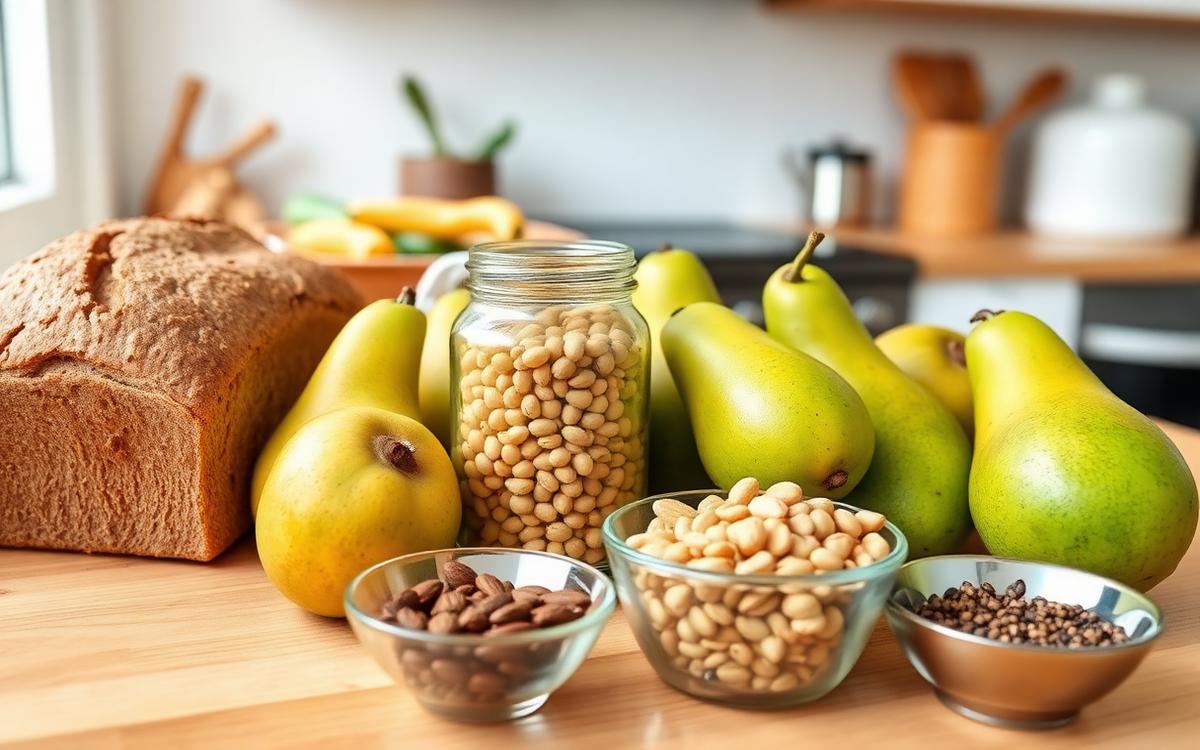
The highest fiber foods per realistic portion are legumes, chia and flax seeds, wheat bran cereals, avocados, pears, raspberries, artichokes, oats, barley and almonds.
A cup of cooked lentils gives about 15 grams, a cup of black beans about 15 grams, an ounce of chia about 10 grams, and a medium pear with skin about 6 grams.
If you only change one thing, add a legume to one meal a day. Nothing else in an ordinary kitchen moves the number as fast.
Legumes: the heavyweight category
- Split peas, cooked, 1 cup: about 16 grams.
- Lentils, cooked, 1 cup: about 15 grams.
- Black beans, cooked, 1 cup: about 15 grams.
- Chickpeas, cooked, 1 cup: about 12 grams.
- Baked beans, 1 cup: about 10 grams.
- Edamame, shelled, 1 cup: about 8 grams.
Legumes also bring protein, potassium and folate, which is why they show up in almost every dietary pattern associated with longer life. Tinned versions count exactly the same as dried, and rinsing them cuts most of the added sodium.
Seeds and nuts
- Chia seeds, 1 ounce: about 10 grams.
- Ground flaxseed, 2 tablespoons: about 4 grams.
- Almonds, 1 ounce: about 3.5 grams.
- Pistachios, 1 ounce: about 3 grams.
- Sunflower seeds, 1 ounce: about 3 grams.
These are calorie dense, so they work best as an addition rather than a base. A tablespoon of chia in yogurt is a sensible habit, a bowl of it is not.
Whole grains
- Wheat bran cereal, 1/2 cup: 10 to 14 grams depending on the brand.
- Pearl barley, cooked, 1 cup: about 6 grams.
- Bulgur, cooked, 1 cup: about 8 grams.
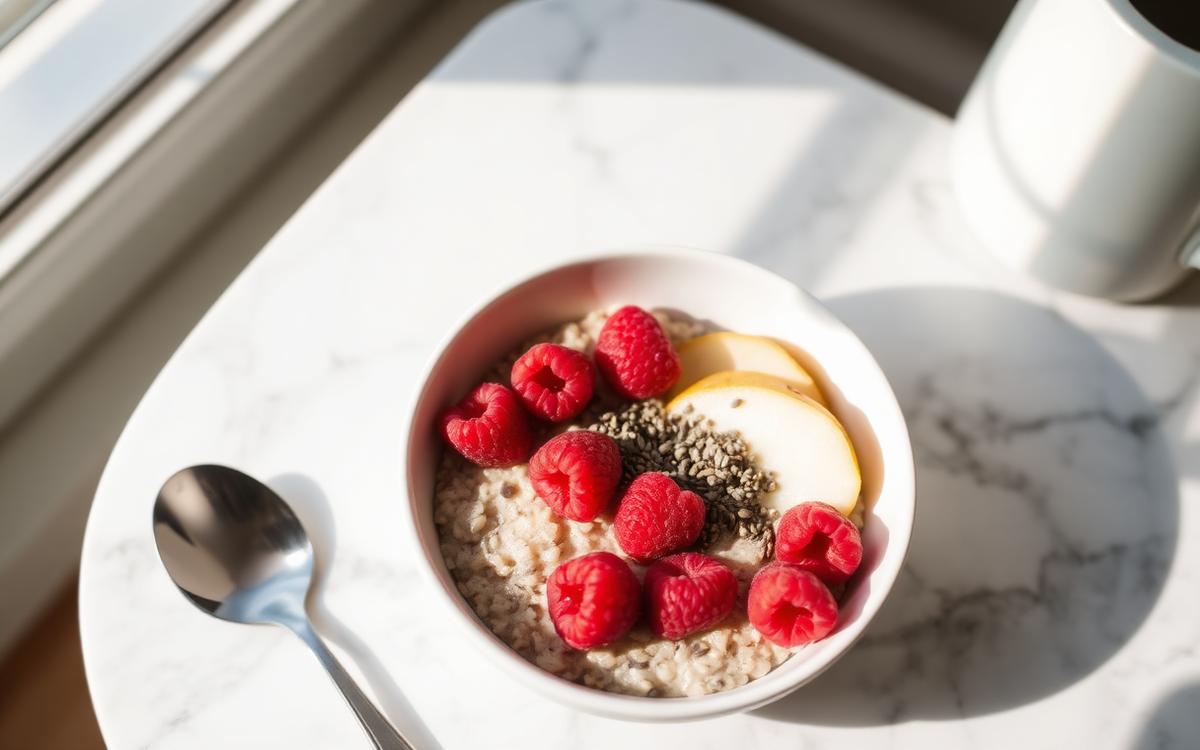
- Oats, 1/2 cup dry: about 4 grams, and roughly half of that is soluble beta glucan.
- Wholemeal bread, 2 slices: about 4 to 6 grams.
- Brown rice, cooked, 1 cup: about 3.5 grams.
Brown rice surprises people by being fairly low. It beats white rice, but barley, bulgur and freekeh all beat brown rice comfortably.
Fruit worth prioritising
- Raspberries, 1 cup: about 8 grams, the best fruit on the list.
- Blackberries, 1 cup: about 7.5 grams.
- Pear with skin, 1 medium: about 6 grams.
- Avocado, half: about 5 grams.
- Apple with skin, 1 medium: about 4 grams.
- Prunes, 5: about 3 grams, plus sorbitol which has its own laxative effect.
Vegetables
- Artichoke, 1 medium cooked: about 7 grams.
- Green peas, cooked, 1 cup: about 9 grams.
- Brussels sprouts, cooked, 1 cup: about 6 grams.
- Sweet potato with skin, 1 medium: about 4 grams.
- Broccoli, cooked, 1 cup: about 5 grams.
- Carrots, raw, 1 cup: about 3.5 grams.
Salad leaves are the exception. A large bowl of lettuce looks virtuous but delivers barely a gram, because it is mostly water.
Building a day rather than chasing a food
Ranked lists are useful for shopping, but the fiber target is met by structure. A workable template is one legume, two whole grains, two fruits and three vegetable portions across the day. That lands most people between 28 and 35 grams without any counting.
If you want to know exactly where you are, spend two days weighing portions and reading labels. Almost everyone finds the same thing: breakfast and snacks are where the fiber is missing, not dinner.
Frequently asked questions
Is popcorn a good source of fiber?
Better than most snacks. Three cups of air popped popcorn gives around 3.5 grams, and it is a whole grain, though the fiber count drops in proportion once it is drenched in butter.
Do potatoes count?
With the skin on, yes. A medium baked potato with skin carries around 4 grams, and most of it disappears when you peel it or turn it into mash.
Which fruit has the most fiber?
Raspberries, by a clear margin among common fruits. Passion fruit is technically higher still because you eat the seeds, but few people eat enough of it to matter.
Are high fiber bars a shortcut?
Sometimes, but many rely on isolated added fibers such as chicory root inulin, which is fermented quickly and causes more gas than whole food fiber. Read the ingredients rather than the front of the box.
Does bread labelled multigrain have more fiber?
Not necessarily. Multigrain only means several grains were used, and they can all be refined. Look for wholemeal or whole grain as the first ingredient and check the grams per slice.
What to actually buy on one shop
A single trolley can set up a fortnight of high fiber eating. Two tins of chickpeas, a bag of dried lentils, a large tub of oats, a bag of frozen mixed berries, wholemeal bread, pears, carrots, broccoli, a bag of almonds and a pack of chia seeds covers every category on this page.
Total cost is modest, because the densest fiber sources are also among the cheapest foods in any supermarket. Legumes and oats deliver more fiber per unit of money than anything else on the shelves.
Where the fiber quietly disappears
Processing removes fiber at almost every stage. Wheat loses the bran and germ to become white flour, fruit loses its structure to become juice, and potatoes lose about half their fiber to a peeler.
You do not have to eat everything unrefined. Just be aware that the same ingredient can arrive on your plate with six grams of fiber or with one, depending entirely on what happened to it beforehand.