Quick Answer
The Hufu Diet is not a real diet. Hufu (short for "human tofu") was a satirical soy product launched in 2005 by a US business school student and marketed online as a plant based meat substitute that tasted like human flesh.
The website and product were shut down by mid 2006, but the joke became one of the earliest viral food marketing stunts on the internet.
The underlying nutrition was just standard firm tofu: about 76 calories, 8 g of protein, 4.8 g of fat, and 350 mg of calcium per 100 g serving.
The 2005 origin story
Hufu was created by Mark Nuckols, then a graduate student at the Tuck School of Business at Dartmouth College. The story he told the press at the time was that he conceived the idea while eating a tofurkey sandwich and reading an anthropology paper on historical cannibalism.
The product was a soy based food sold in 8 oz packages, marketed with copy that described the taste as "beef, except a little sweeter in taste and a little softer in texture". The early site jokingly listed target customers as "anthropologists, adventurous eaters, and former cannibals trying to quit".
National and international press, including the BBC, the New York Times, and ABC News, picked it up as a curiosity. The hufu.com site was shuttered in June 2006, but the product remains a recurring case study in viral and shock marketing.
What was Hufu actually made of
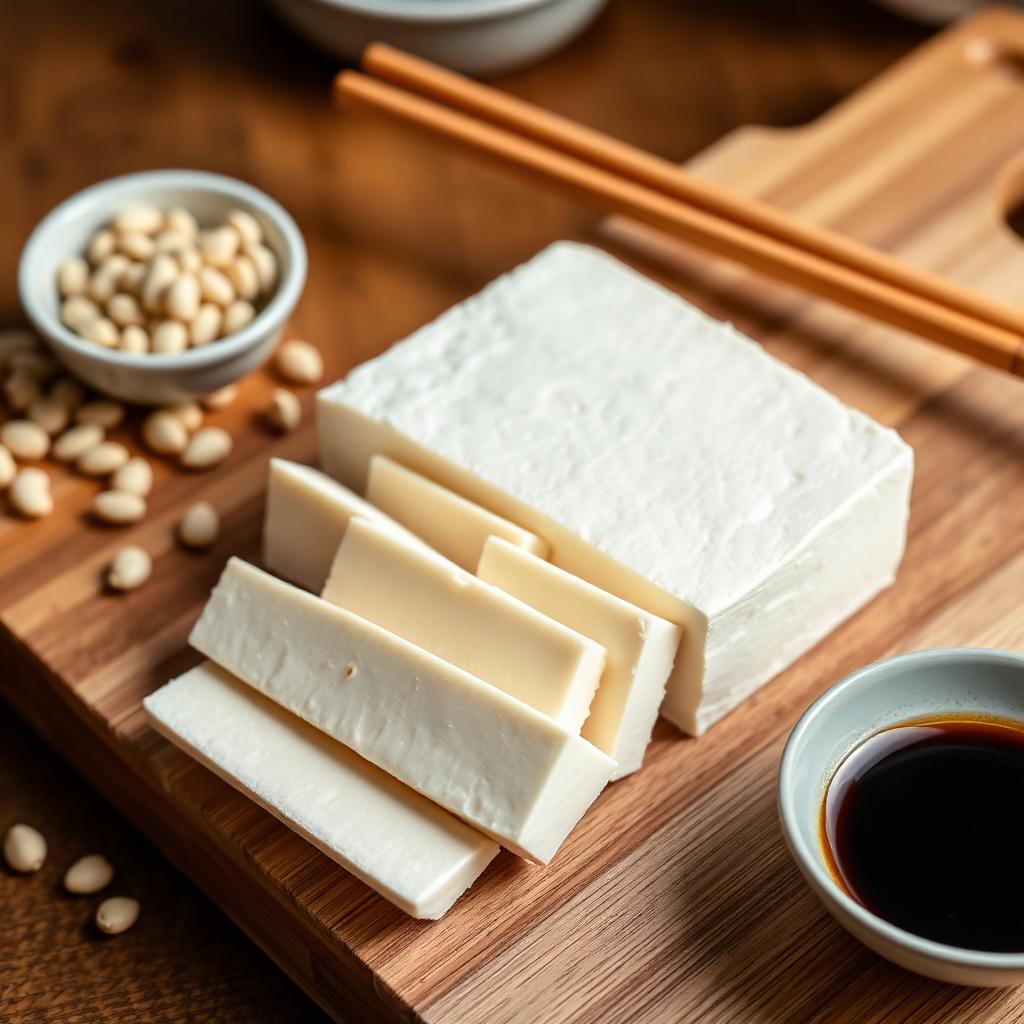
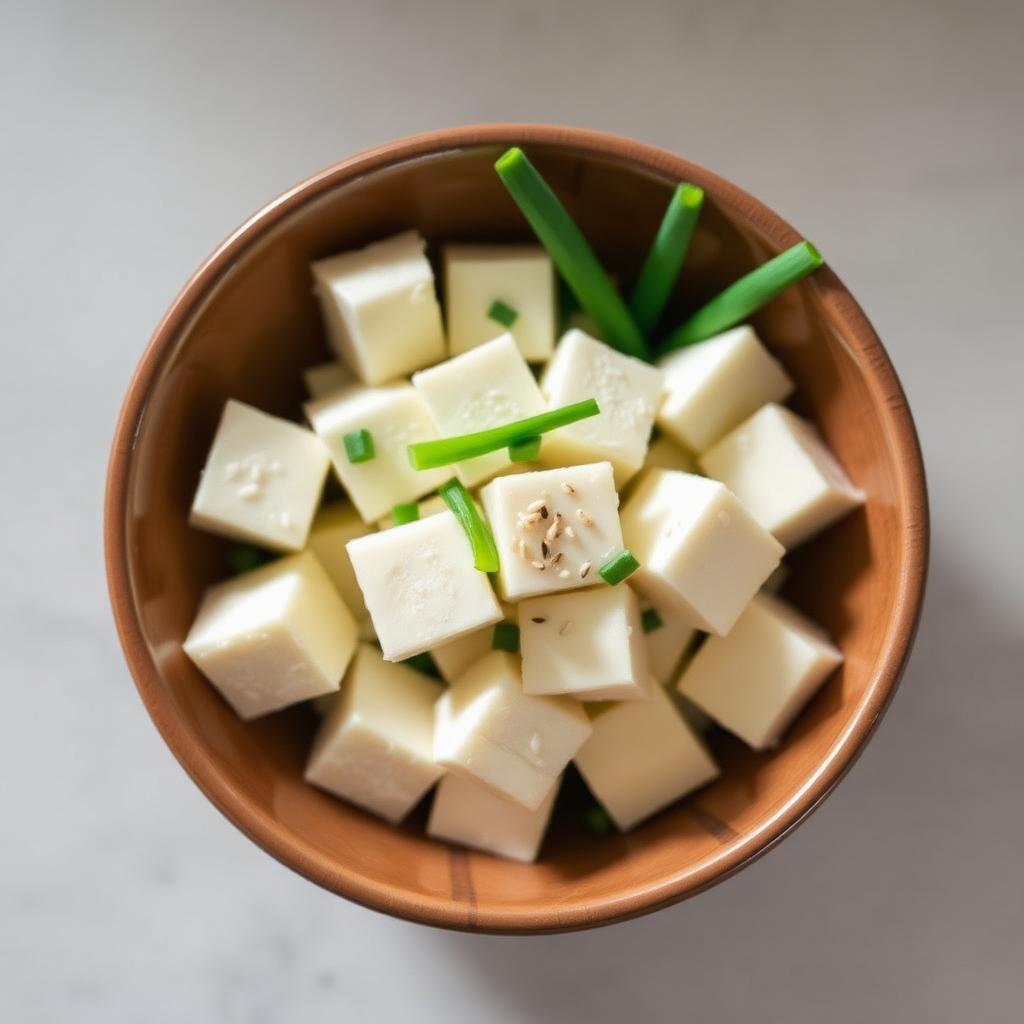
Despite the marketing copy, Hufu was a standard processed soy protein product. The ingredient list, when archived, named soy protein, water, soy oil, vegetable seasoning, and salt. Functionally it was firm tofu cut and seasoned to a different texture profile.
Real nutrition: firm tofu baseline (per 100 g)
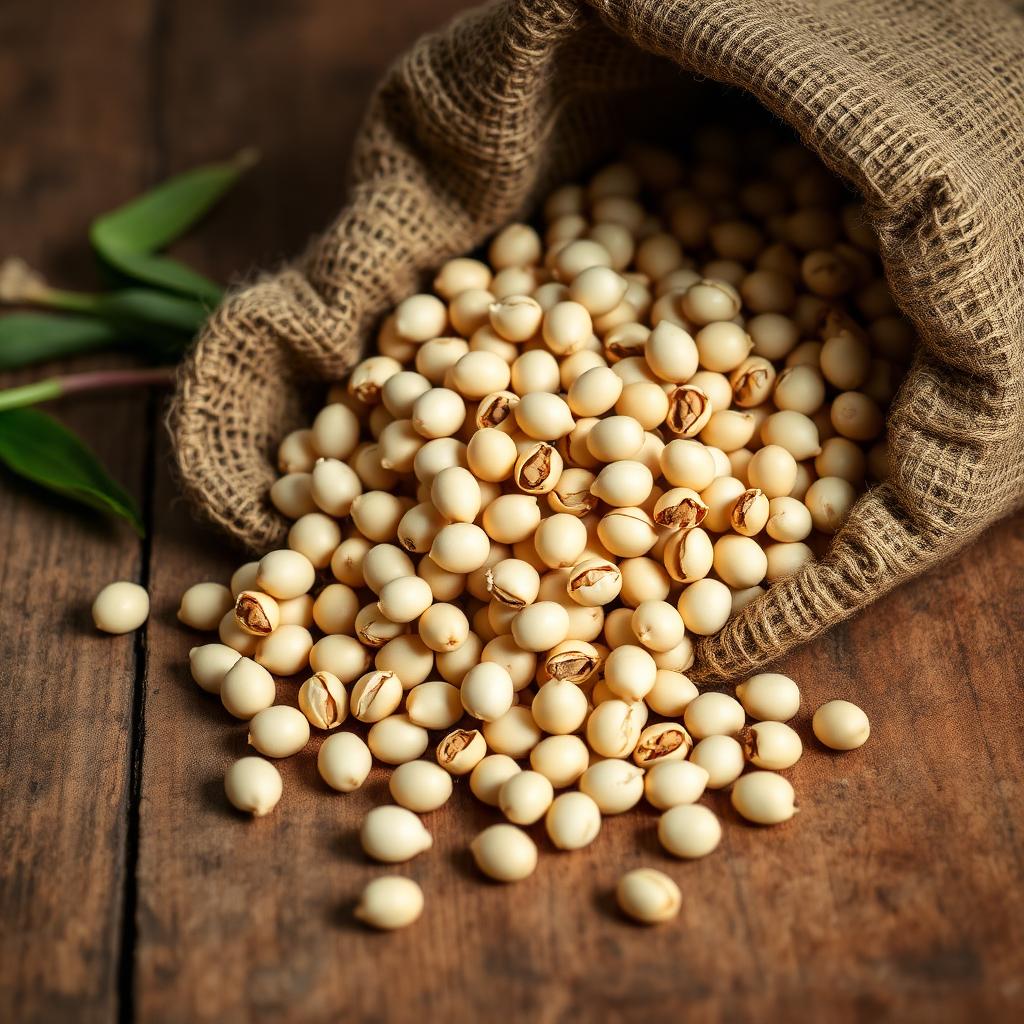
Because Hufu was just a soy based food, its nutrition followed standard firm tofu. Values are from USDA FoodData Central for calcium set firm tofu.
| Nutrient | Amount | % Daily Value |
|---|---|---|
| Calories | 76 kcal | 4% |
| Protein | 8.1 g | 16% |
| Total fat | 4.8 g | 7% |
| Saturated fat | 0.7 g | 3% |
| Total carbohydrate | 1.9 g | 1% |
| Dietary fiber | 0.3 g | 1% |
| Calcium | 350 mg | 35% |
| Iron | 5.4 mg | 30% |
| Magnesium | 30 mg | 7% |
Why the soy base is genuinely good nutrition
- Complete protein. Soy is one of the few plant proteins that supplies all nine essential amino acids in adequate ratios. Its PDCAAS score is 1.0, equal to whey and egg white.
- Isoflavones. Soy contains genistein and daidzein, weak phytoestrogens linked in meta analyses to a modest reduction in LDL cholesterol and a possible small reduction in postmenopausal hot flashes.
- Calcium and iron. Calcium set firm tofu delivers about a third of the daily calcium requirement per 100 g, alongside meaningful iron, which is unusual in a plant protein.
- Low saturated fat. Less than 1 g per 100 g, well below most animal protein equivalents.
Why Hufu went viral
Hufu landed at the same time YouTube and early viral blog culture was learning how to push absurd consumer products. The combination of taboo subject matter (cannibalism), a polished website, and a serious sounding founder gave the press a story they could not resist. It became a recurring example in marketing classes of how shock framing can manufacture organic press coverage on a near zero advertising budget.
FAQs
Was Hufu real food?
Yes, the product existed and was shipped to customers in 2005 and early 2006. The shock marketing was the joke; the food was real soy.
Could you still buy Hufu today?
No. The brand was discontinued in 2006. Functionally identical foods are available wherever firm tofu and seasoned soy protein products are sold.
Is the Hufu Diet a real weight loss program?
No. It is internet shorthand referencing a discontinued novelty product. The underlying soy nutrition is solid, but there was never a structured Hufu Diet protocol.
Is soy safe to eat daily?
Yes. Major reviews from the American Cancer Society and the Academy of Nutrition and Dietetics support 1 to 2 servings of whole soy foods per day for most adults, including breast cancer survivors.
The takeaway
The Hufu Diet is a footnote in internet history, not a nutrition program. The product was a clever marketing stunt built on standard soy protein. Strip the shock framing away and you are left with firm tofu, which is one of the best documented plant proteins on the planet. Whatever you call it, the real nutrition story is soy.