Quick Answer
The official minimum for an average adult woman is about 0.8 grams of protein per kilogram of body weight, roughly 46 grams a day for someone weighing 58kg. That figure exists to prevent deficiency, not to support training, ageing well or weight loss.
Most women who exercise, are dieting, or want to protect muscle and bone as they age do better on 1.2 to 1.6 grams per kilogram. For a 65kg woman that is about 78 to 104 grams a day.
Aim for 25 to 30 grams at each main meal. That single habit gets most women where they need to be without counting anything.
Why the standard number is misleading
The 0.8 g/kg recommendation comes from studies designed to find the smallest intake that prevents the body from breaking down its own tissue. It is a safety floor for the population, and it says nothing about optimal.
Once you add resistance training, a calorie deficit, pregnancy, or the muscle changes that come with menopause, the useful intake climbs. Research on women in energy deficit consistently shows better lean mass retention at intakes well above the minimum.
So both numbers are honest. One answers "how little is safe" and the other answers "what actually works".
Setting your own target
- Convert your weight to kilograms. Pounds divided by 2.2.
- Choose a multiplier. 1.0 for mostly sedentary, 1.3 for regular exercise, 1.6 if you lift or are actively losing weight.
- Use a realistic goal weight if you carry a lot of extra body fat, so the number stays achievable.
- Divide by your meals. Three meals plus a snack usually works out at 25 to 30 grams each.
A 65kg woman who strength trains twice a week multiplies by 1.5 and gets about 98 grams. That is a yogurt breakfast, a chicken salad lunch, a snack and a fish dinner. Nothing exotic.
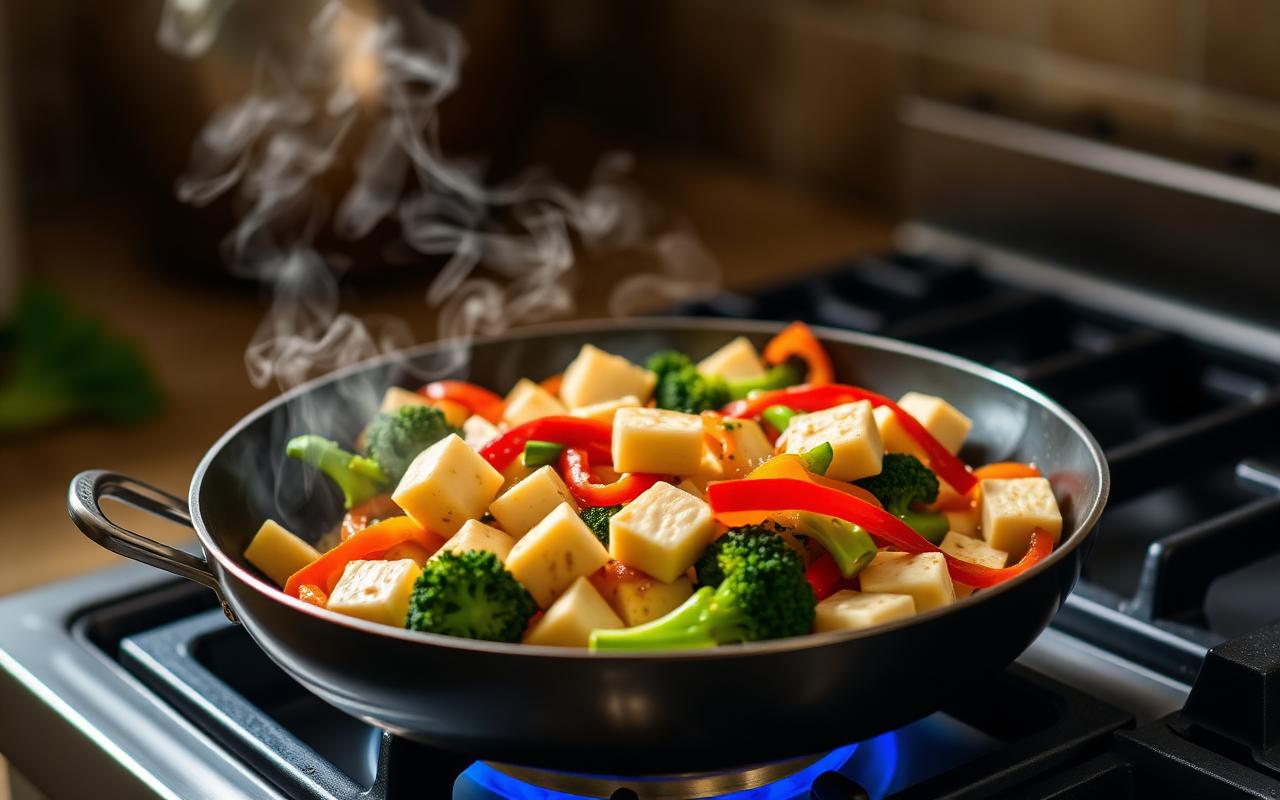
What 25 to 30 grams looks like on a plate
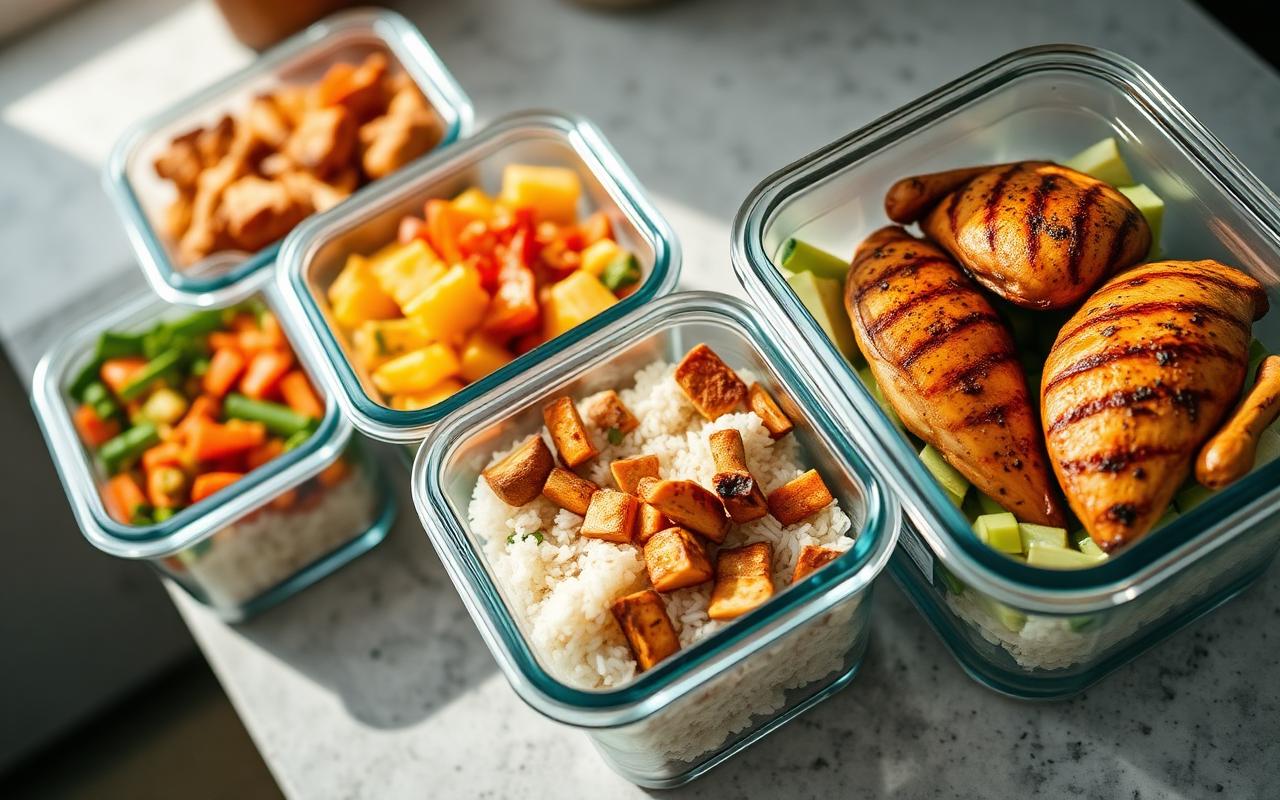
- Chicken breast: around 100g cooked.
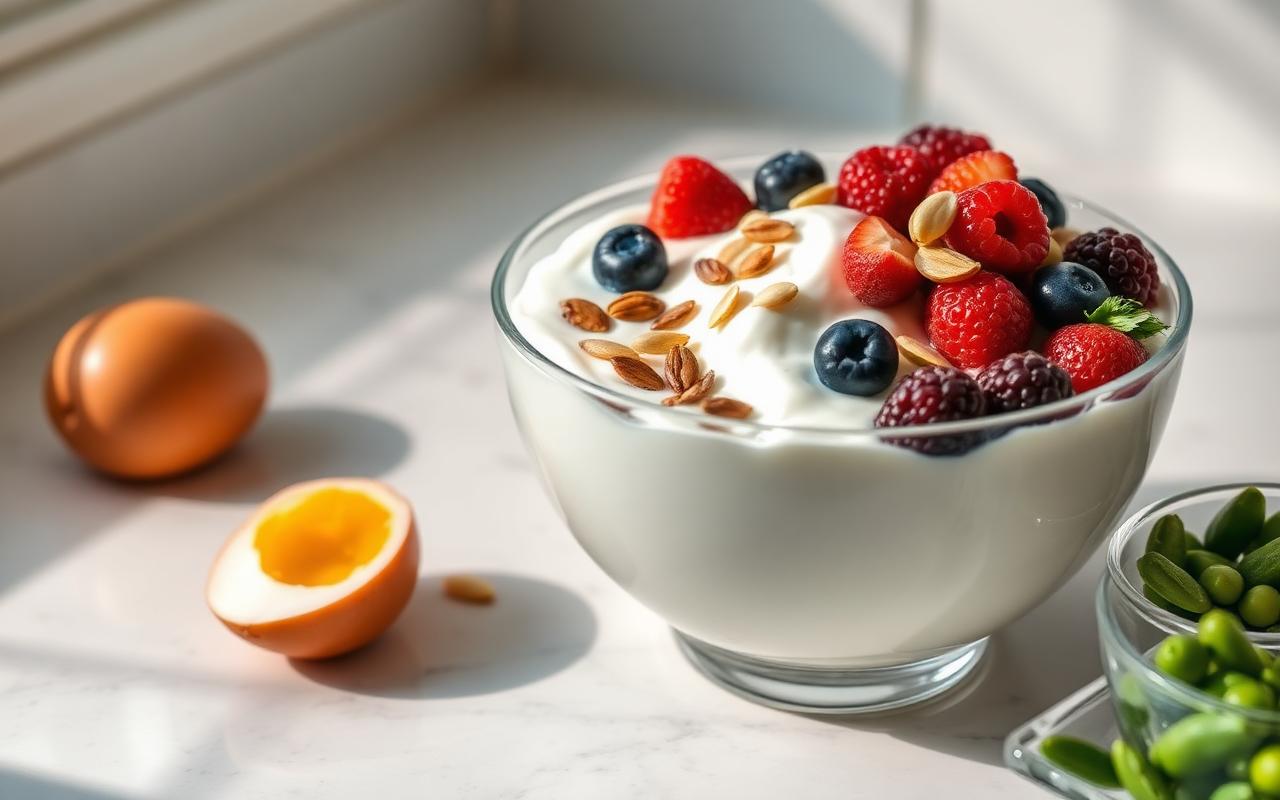
- Greek yogurt: a 300g pot of thick strained yogurt.
- Cottage cheese: about 250g.
- Salmon: roughly 120g cooked.
- Firm tofu: about 200g.
- Eggs: four to five large eggs.
- Lentils or chickpeas: around 300g cooked, usually paired with grains.
- Canned tuna: one and a half small tins.
The two meals that usually fall short are breakfast and lunch. Cereal and a sandwich can easily total under 20 grams before dinner, which pushes hunger into the evening.
Life stages that change the number
Pregnancy and breastfeeding. Requirements rise, typically by around 20 to 25 grams a day during later pregnancy and while breastfeeding. Your midwife or doctor is the right person to set a specific figure for you.
Perimenopause and after. Falling oestrogen speeds up muscle and bone loss, and protein plus resistance training is the strongest lever you have against that. Intakes toward 1.2 to 1.5 g/kg become more important, not less.
Older age. Expert groups working on healthy ageing recommend at least 1.0 to 1.2 g/kg for adults over 65, higher when recovering from illness or surgery.
Protein for weight loss
Protein is the most filling of the three macronutrients gram for gram, and it also costs your body more energy to digest. In a calorie deficit it does two useful jobs: it takes the edge off hunger, and it signals your body to keep muscle while it loses fat.
Women often set very low calorie targets and then find themselves ravenous by evening. Raising protein to about 30 grams per meal usually fixes that pattern faster than any other single change.
A day that lands near 100 grams
- Breakfast: Greek yogurt with berries, seeds and a spoon of nut butter, roughly 25g.
- Lunch: chicken or chickpea salad with quinoa, roughly 30g.
- Snack: cottage cheese with fruit or two boiled eggs, roughly 15 to 18g.
- Dinner: salmon or tofu stir fry with rice and vegetables, roughly 30g.
That is four ordinary eating occasions. No powder, no bars, no special products.
Plant based eaters
Hitting the target on plants is entirely possible, it just needs more deliberate planning because portion sizes are larger and amino acid profiles vary. Build meals around tofu, tempeh, edamame, lentils, beans, seitan and soy yogurt, and combine legumes with grains across the day.
Many plant eaters find they need to nudge total intake slightly higher, toward the upper end of the range, because plant protein is digested a little less efficiently than animal protein.
Common mistakes
- A near zero protein breakfast. Toast and coffee sets up an afternoon crash.
- Counting the salad, not the chicken. A sprinkle of grilled chicken over leaves is often only 10 grams.
- Relying on bars. Convenient, but usually less filling than the same protein from food.
- Dropping fiber. Protein and fiber work together for fullness and digestion.
- Forgetting strength training. Protein gives the raw material, lifting gives the reason to use it.
The bottom line
Take your weight in kilograms, multiply by 1.2 to 1.6, and aim for 25 to 30 grams at each meal. For most women that means somewhere between 75 and 110 grams a day, which is achievable with yogurt, eggs, fish, poultry, tofu and legumes.
Fix breakfast first. It is the meal where the biggest gap usually hides, and closing it makes the rest of the day fall into place.
Frequently asked questions
Is 100 grams of protein a day too much for a woman?
For most women it is a sensible target rather than an excessive one. A 65kg woman at 1.5 grams per kilogram lands at about 98 grams, so 100 sits comfortably inside the normal range for anyone who exercises.
Does high protein affect hormones?
Eating adequate protein does not disrupt hormones in healthy women. What does cause problems is chronic under-eating, where very low calorie and low protein diets can disturb menstrual cycles and thyroid function.
Can I get enough protein without meat?
Yes. Tofu, tempeh, edamame, lentils, beans, soy yogurt and seitan can carry a full target on their own. Aim slightly higher on total grams because plant protein digests a little less efficiently.
Do I need protein straight after exercise?
No. The old thirty minute rule has largely been abandoned. Your total for the day and getting a decent amount at each meal matter far more than the clock.
Will more protein make me bulky?
No. Building visible muscle takes sustained heavy training and usually a calorie surplus. Protein alongside strength work makes most women look leaner at the same weight, not larger.