Quick Answer
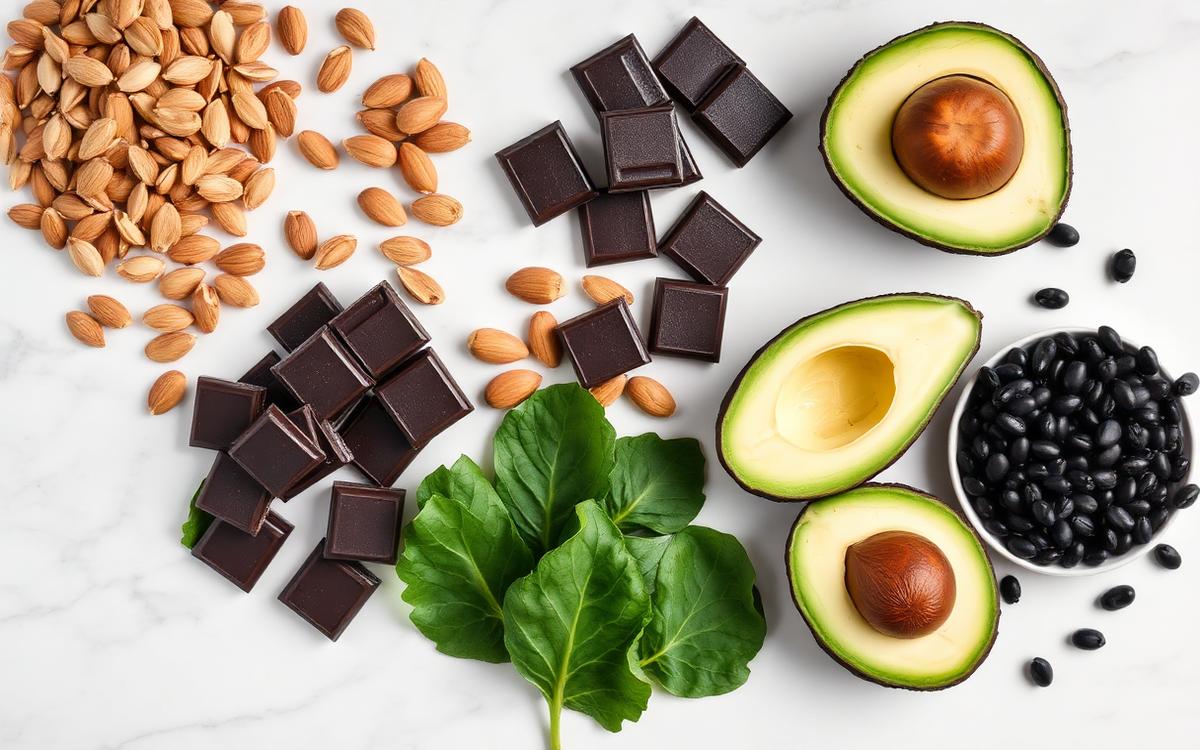
The highest magnesium foods are pumpkin seeds, chia seeds, almonds, cashews, spinach, Swiss chard, black beans, edamame, dark chocolate, quinoa, brown rice and oats.
Adults need roughly 400 to 420mg a day if male and 310 to 320mg if female, rising slightly in pregnancy.
An ounce of pumpkin seeds, a handful of almonds, a cup of cooked spinach and a serving of black beans together clear the daily target comfortably, no supplement required.
The top sources per portion
- Pumpkin seeds, 28g: around 156mg.
- Chia seeds, 28g: around 111mg.
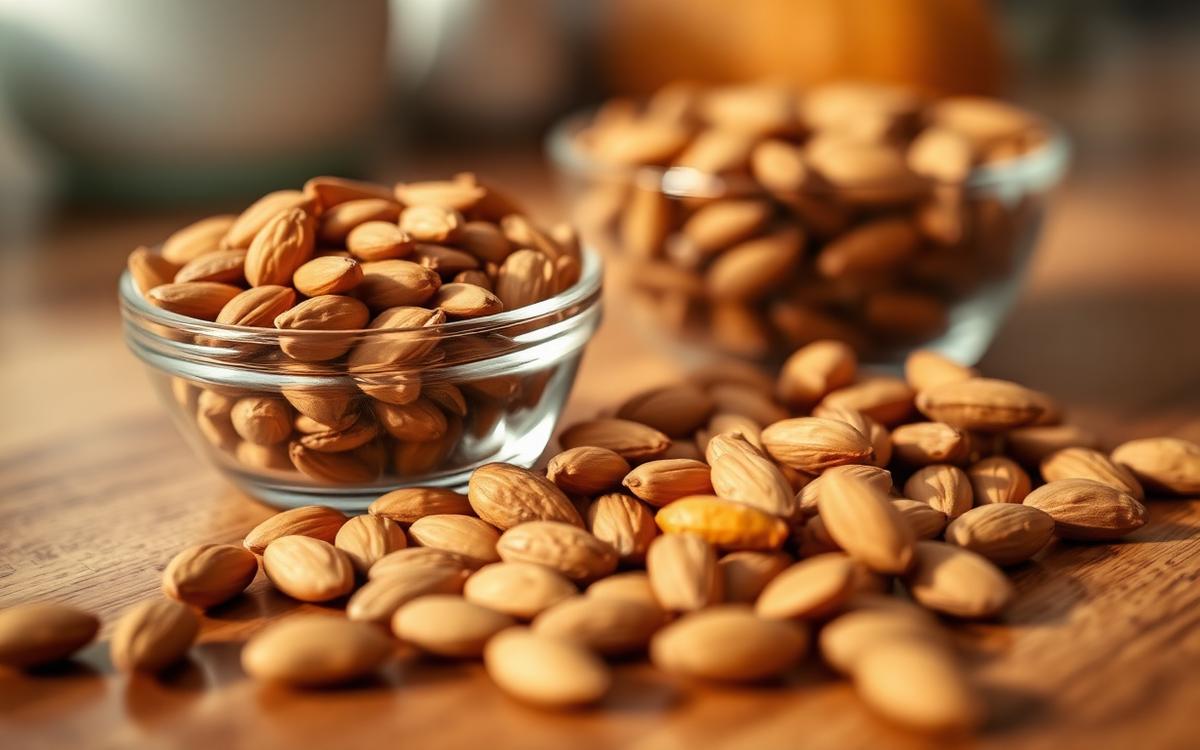
- Almonds, 28g: around 80mg.
- Cooked spinach, 1 cup: around 157mg.
- Cashews, 28g: around 74mg.
- Cooked black beans, 1 cup: around 120mg.
- Edamame, 1 cup: around 100mg.
- Dark chocolate 70 to 85 percent, 28g: around 64mg.
- Cooked quinoa, 1 cup: around 118mg.
- Peanut butter, 2 tablespoons: around 49mg.
- Avocado, one medium: around 58mg.
- Cooked brown rice, 1 cup: around 84mg.
- Salmon, 100g: around 30mg.
- Banana, one medium: around 32mg.
Seeds and leafy greens are the standouts. Magnesium sits at the centre of the chlorophyll molecule, which is why green vegetables are reliably good sources.
Why so many people fall short
Surveys in the United States and Europe repeatedly find average intakes below the recommended amount, particularly among teenagers and older adults. The reason is structural rather than mysterious.
Refining grains strips most of the magnesium out. White flour retains only a fraction of what wholemeal contains, and the same applies to white rice against brown. A diet built on refined carbohydrates and low in nuts, seeds and greens will drift low almost by default.
What magnesium actually does
It is a cofactor in more than 300 enzyme reactions. The headline jobs are energy production, muscle contraction and relaxation, nerve signalling, blood glucose control, blood pressure regulation and building bone, where around 60 percent of the body's magnesium is stored.
That breadth explains why symptoms of a shortfall are so scattered: muscle cramps and twitches, fatigue, poor sleep, irritability, headaches and, in more serious cases, abnormal heart rhythms.
It also explains why magnesium supplements get marketed for almost everything. The mineral is genuinely involved in a lot, which is not the same as a pill fixing a lot.
A day that hits the target
- Breakfast: oats with chia seeds and a banana, around 120mg.
- Snack: a small handful of almonds, around 80mg.
- Lunch: quinoa bowl with spinach and black beans, around 200mg.
- Dinner: salmon with brown rice and greens, around 130mg.
- Evening: two squares of dark chocolate, around 45mg.
That lands well above 500mg without any effort to chase the number, which shows how quickly whole foods add up once seeds and greens are in the rotation.
Absorption and what interferes
Roughly 30 to 40 percent of dietary magnesium is absorbed, and the body adjusts that rate upward when intake is low. Phytates in whole grains and legumes reduce absorption somewhat, though soaking and cooking help, and those foods still contribute more magnesium than refined alternatives.
Very high calcium or zinc supplement doses can compete with magnesium for absorption. Heavy alcohol use increases urinary losses, as do certain diuretics and proton pump inhibitors used long term.
Poorly controlled diabetes also raises losses through the kidneys, which is one reason magnesium status is often lower in that group.
Should you supplement?
Food first is the right default, because magnesium rich foods bring fiber, potassium and healthy fats with them. If you do supplement, form matters more than dose.
- Magnesium glycinate: well absorbed and gentle on the stomach.
- Magnesium citrate: well absorbed but has a laxative effect at higher doses.
- Magnesium oxide: cheap and common, poorly absorbed, mostly useful as a laxative.
- Magnesium malate and threonate: newer options with smaller evidence bases.
The upper limit for supplemental magnesium is 350mg a day for adults. That ceiling applies only to supplements, not to food, because the kidneys handle dietary magnesium easily in healthy people.
Signs you may be low
Blood tests are unhelpful here, since only about one percent of body magnesium circulates in serum and levels stay stable even as tissue stores fall. Clinicians therefore go on diet history and symptoms.
Persistent muscle cramps, eyelid twitching, poor sleep, low energy and headaches in someone eating a refined diet with few nuts, seeds or greens is a reasonable prompt to add those foods before reaching for a bottle.
The bottom line
Pumpkin seeds, spinach, almonds, beans, quinoa and dark chocolate will move your magnesium intake more in a week than most supplement routines. Keep seeds and nuts within arm's reach and swap at least some refined grains for whole ones.
If you still want a supplement, glycinate at a modest dose is the sensible pick, and it works best on top of a decent diet rather than instead of one.
Frequently asked questions
Does drinking water provide magnesium?
Hard tap water and some mineral waters contain useful amounts, occasionally 20 to 50mg per litre. It is a small contribution but a genuine one in hard water areas.
Is magnesium better taken at night?
There is no strong absorption reason, but many people find an evening dose fits the relaxation effect they are after. Consistency matters more than the hour.
Do magnesium sprays and bath flakes work?
Evidence for absorption through skin is weak. An Epsom salt bath may feel good, but food and oral supplements are what reliably change your magnesium status.
Can magnesium help with cramps?
If you are genuinely low, correcting it often helps. In people with adequate intake, trials of magnesium for cramps have been largely disappointing.
Should you take magnesium with calcium?
They compete for absorption at high supplement doses, so splitting them across the day is sensible. From food there is no meaningful conflict.
Does cooking reduce magnesium in vegetables?
Boiling leaches a meaningful amount into the water because magnesium is water soluble. Steaming, roasting or using the cooking liquid in a soup keeps far more of it on the plate.
Is dark chocolate a sensible way to get magnesium?
As a bonus, yes. A couple of squares of 85 percent chocolate carries a genuine amount alongside fiber and polyphenols, but the calories mean it should sit on top of seeds and greens, not replace them.