Quick Answer
The DASH diet (Dietary Approaches to Stop Hypertension) is an eating pattern built by the National Heart, Lung, and Blood Institute (NHLBI) at the NIH to lower blood pressure without medication.
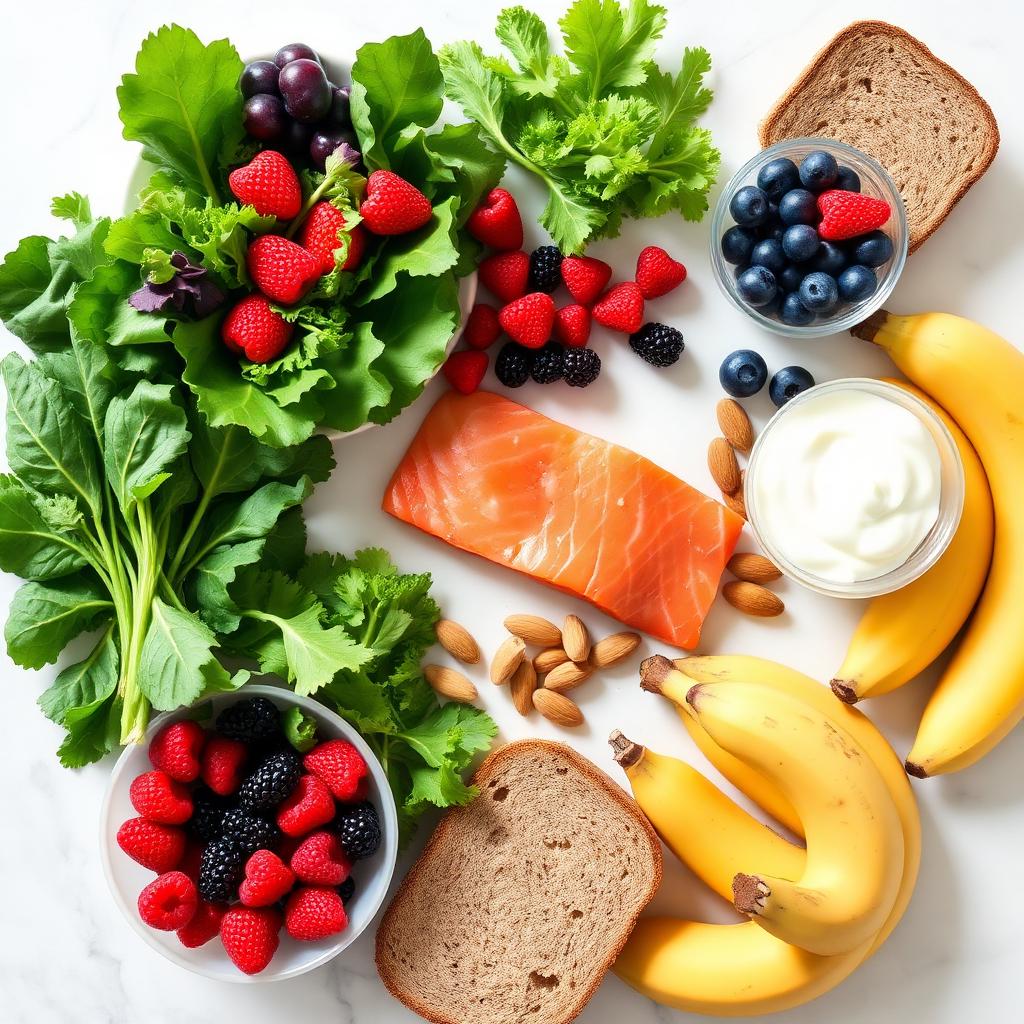
It works by loading the plate with potassium, calcium, magnesium, and fiber from vegetables, fruits, low fat dairy, whole grains, and lean protein, while keeping sodium under 2,300 mg per day (standard DASH) or 1,500 mg per day (lower sodium DASH).
The original DASH-Sodium trial published in the New England Journal of Medicine showed average systolic blood pressure drops of 8 to 14 mmHg in adults with stage 1 hypertension within 8 weeks.
The two sodium tiers
The framework is identical in food choices; only the sodium ceiling shifts based on clinical need.
- Standard DASH. Up to 2,300 mg of sodium per day, roughly one level teaspoon of table salt. Suitable for healthy adults focused on prevention.
- Lower sodium DASH. Capped at 1,500 mg of sodium per day. Recommended by the American Heart Association for anyone with diagnosed hypertension, adults over 51, African Americans, and people with diabetes or chronic kidney disease.
Sodium drops accelerate blood pressure improvements. In the DASH-Sodium trial, moving from 3,300 mg to 1,500 mg per day pulled systolic numbers down by an additional 3 to 6 mmHg on top of the food pattern alone.
Daily serving targets on a 2,000 calorie baseline
| Food group | Servings per day | One serving looks like | Why it matters |
|---|---|---|---|
| Whole grains | 6 to 8 | 1 slice whole wheat bread, 1/2 cup cooked brown rice, 1 oz dry oats | Magnesium, fiber, sustained energy |
| Vegetables | 4 to 5 | 1 cup raw leafy greens, 1/2 cup cooked broccoli | Potassium, fiber, antioxidants |
| Fruits | 4 to 5 | 1 medium apple, 1/2 cup berries, 1/4 cup dried fruit | Potassium, vitamin C, polyphenols |
| Low fat dairy | 2 to 3 | 1 cup skim milk, 1 cup plain low fat yogurt | Calcium, vitamin D, protein |
| Lean meat, poultry, fish | 6 oz or less | 1 oz cooked skinless poultry or fish | Protein without saturated fat load |
| Nuts, seeds, legumes | 4 to 5 per week | 1/3 cup nuts, 2 tbsp seeds, 1/2 cup cooked beans | Magnesium, plant protein, unsaturated fats |
| Fats and oils | 2 to 3 | 1 tsp olive oil, 1 tbsp salad dressing | Fat soluble vitamin absorption |
| Sweets and added sugar | 5 or fewer per week | 1 tbsp jam, 1/2 cup sorbet | Cap discretionary calories |
How DASH actually lowers blood pressure

- Potassium counterbalance. Dietary potassium pulls sodium out through the kidneys and relaxes vascular smooth muscle. DASH typically delivers 4,500 to 4,700 mg per day, more than double the average US intake.
- Calcium and magnesium. Both minerals support the calcium/magnesium ATPase pumps that regulate arterial tone. DASH provides about 1,250 mg of calcium and 500 mg of magnesium daily.
- Fiber load. 30 g of soluble and insoluble fiber per day improves endothelial function and reduces LDL cholesterol, which compounds the cardiovascular benefit.
- Sodium reduction. Lower sodium decreases extracellular fluid volume, easing pressure on artery walls.
A 7 day DASH meal plan
Each day targets roughly 1,800 to 2,000 calories with sodium kept under 1,500 mg.
Monday
- Breakfast: 1 cup steel cut oats cooked in skim milk, 1/2 cup blueberries, 1 tbsp chopped walnuts.
- Lunch: Mediterranean wrap with 3 oz grilled chicken breast, cucumber, tomato, 2 tbsp hummus, low sodium whole wheat tortilla.
- Snack: 1 medium apple, 1 oz unsalted almonds.
- Dinner: 4 oz baked salmon, 1 cup wild rice, 1 cup roasted asparagus with olive oil and lemon.
Tuesday
- Breakfast: 1 cup plain low fat Greek yogurt layered with 1/2 cup sliced strawberries and 2 tbsp ground flaxseed.
- Lunch: Southwestern quinoa salad (1 cup cooked quinoa, 1/2 cup low sodium black beans, bell pepper, corn, lime).
- Snack: 1 cup baby carrots with 2 tbsp hummus.
- Dinner: 4 oz roasted turkey breast, 1 medium baked sweet potato, 1 cup sauteed green beans.
Wednesday
- Breakfast: 2 egg whites scrambled with spinach and tomato in 1 tsp olive oil, 1 slice whole grain toast.
- Lunch: Whole wheat pita with tuna salad mixed with Greek yogurt instead of mayo, grated carrots, lettuce.
- Snack: 1 pear, 1 oz pumpkin seeds.
- Dinner: Homemade lentil stew (1.5 cups, no added salt) with onions, garlic, celery, crushed tomato.
Thursday
- Breakfast: Overnight oats (1/2 cup rolled oats, 1/2 cup unsweetened almond milk, half mashed banana, 1 tbsp chia).
- Lunch: Spinach salad with 3 oz grilled chicken, mandarin orange, 1/4 cup pumpkin seeds, balsamic vinaigrette.
- Snack: 1 cup plain low fat yogurt with 1/2 cup raspberries.
- Dinner: 4 oz sirloin (trimmed), 1 cup steamed broccoli, 1/2 cup roasted fingerling potatoes.
Friday
- Breakfast: Smoothie with 1 cup skim milk, 1 cup spinach, 1/2 frozen banana, 1 scoop unflavored whey isolate.
- Lunch: Leftover lentil stew with a side green salad and lemon olive oil dressing.
- Snack: 1 orange, 1 oz unsalted cashews.
- Dinner: 5 oz baked cod, 1 cup whole wheat couscous, 1.5 cups roasted zucchini and yellow squash.
Saturday
- Breakfast: 2 whole wheat pancakes (no syrup) topped with fresh raspberries, 1 cup unsweetened almond milk.
- Lunch: Turkey and Swiss sandwich on sprouted grain bread with tomato, romaine, mustard.
- Snack: 1/4 cup unsalted mixed nuts.
- Dinner: Chicken stir fry (4 oz breast, ginger, garlic, snap peas, bell pepper) over 1 cup brown rice.
Sunday
- Breakfast: 1 cup low sodium cottage cheese with diced pineapple, 1 tbsp sunflower seeds.
- Lunch: Cold brown rice salad with shredded carrots, edamame, red cabbage, ginger sesame dressing.
- Snack: 1 medium peach, 1 oz almonds.
- Dinner: 4 oz lean pot roast slow cooked with parsnips, carrots, celery, side of steamed spinach.
How to start without overwhelming your kitchen
- Add one extra vegetable serving per day for the first week, then one extra fruit serving in week two.
- Swap one refined grain for a whole grain at each meal until the kitchen is fully transitioned.
- Replace the salt shaker on the table with a no salt herb blend (garlic powder, oregano, smoked paprika, lemon zest).
- Read sodium on labels. Anything under 140 mg per serving is low sodium; over 400 mg per serving is high.
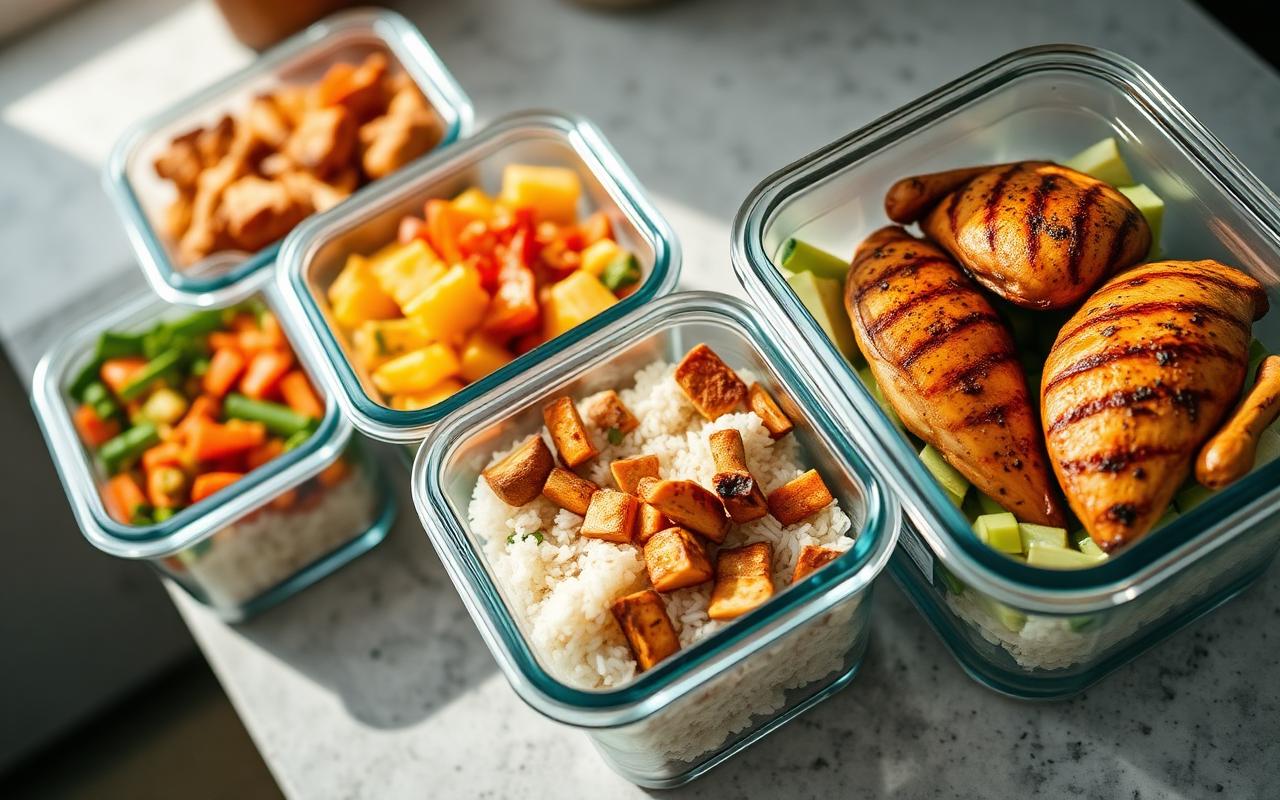
- Batch cook 2 to 3 protein sources on Sunday so weekday assembly is fast.
FAQs
How long until DASH lowers blood pressure?
Most adults see measurable systolic drops within 2 weeks, with the full 8 to 14 mmHg benefit landing by week 8.
Can I eat red meat on DASH?
Yes, in moderation. Cap total animal protein at 6 oz per day and choose lean cuts like sirloin, eye of round, or 93/7 ground beef.
Is DASH safe for kidney disease?
Standard DASH is high in potassium and phosphorus, so anyone with stage 3 to 5 chronic kidney disease should work with a renal dietitian to modify the plan.
Will DASH help me lose weight?
Yes, indirectly. The pattern is naturally lower in calorie density, so most adults lose 1 to 2 lb per week without explicitly tracking calories.
The takeaway
DASH is the most clinically validated heart healthy eating pattern in the world. Hit your daily serving targets across vegetables, fruits, whole grains, low fat dairy, and lean protein, keep sodium under 1,500 to 2,300 mg, and the blood pressure benefits show up fast.