Quick Answer
No, the major scientific bodies do not consider seed oils harmful in normal amounts. The American Heart Association, Harvard T.H. Chan School of Public Health and the 2025 Dietary Guidelines Advisory Committee all still endorse replacing saturated fat with polyunsaturated and monounsaturated oils, including soybean, canola, sunflower and corn oil.
What is genuinely harmful is the broader pattern: huge daily servings of ultra-processed snack foods that happen to be fried in seed oils. The oil is not the lone villain that some social media accounts make it out to be.
What "Seed Oils" Actually Means
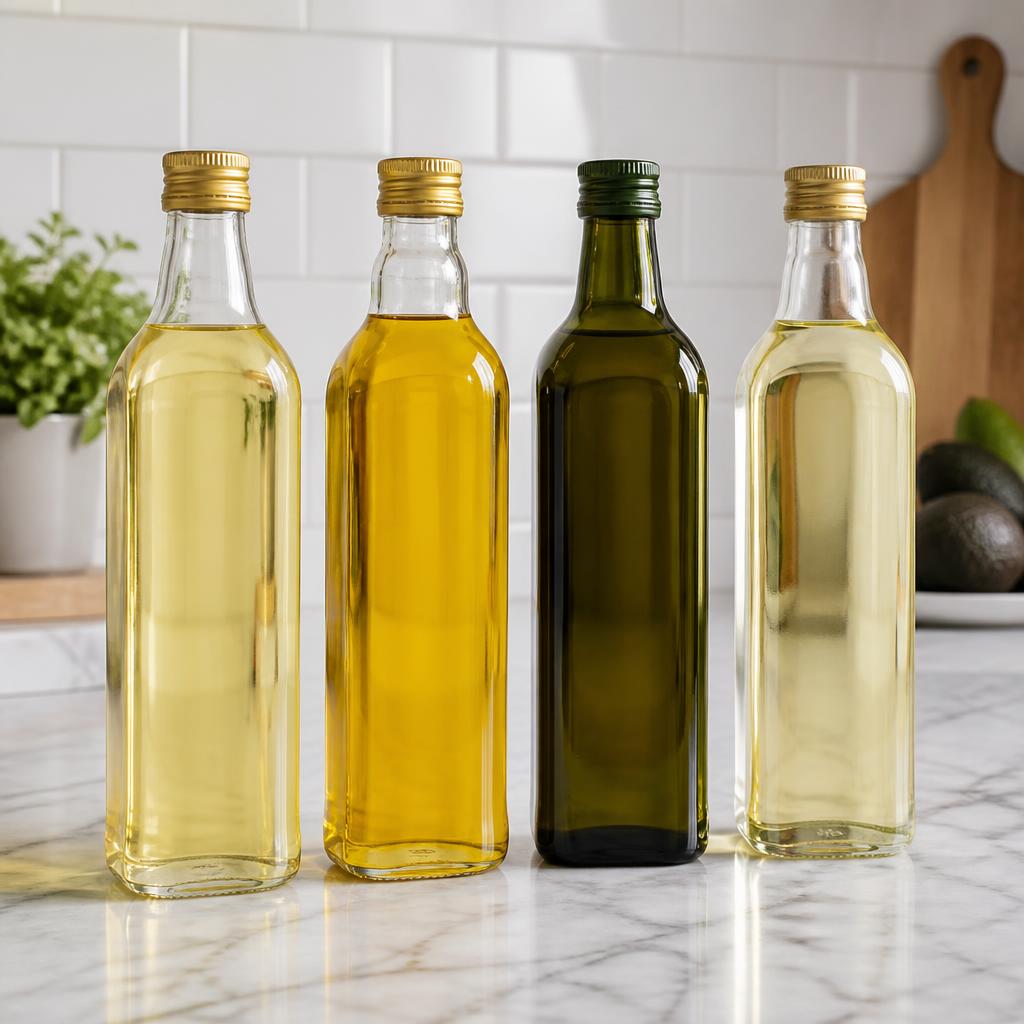
The phrase usually refers to the so-called Hateful Eight: canola, corn, cottonseed, soybean, sunflower, safflower, grapeseed and rice bran. They are extracted by mechanical pressing and then refined with solvents like hexane to improve shelf life. Hexane is removed from the final product to trace levels well below FDA limits.
These oils are high in linoleic acid, an omega-6 polyunsaturated fat that is essential to human health. The body cannot make it.
The Heart Disease Question
The strongest evidence comes from a 2020 Circulation review of randomized controlled trials. Replacing saturated fat with polyunsaturated fat lowered cardiovascular events by about 29 percent. A 2018 Cochrane meta-analysis reached the same conclusion. The American Heart Association currently advises 5 to 10 percent of daily calories from polyunsaturated fats, most of which would come from seed oils.
The Inflammation Claim
The viral concern is that linoleic acid converts to arachidonic acid, which fuels inflammation. In practice the conversion rate in humans is under 0.2 percent, per a 2008 review in Prostaglandins, Leukotrienes and Essential Fatty Acids. Multiple controlled feeding studies have tried and failed to show that higher linoleic acid intake raises inflammatory markers like CRP or IL-6 in healthy adults.
Oxidation and High Heat Cooking
Oxidation is the real point worth thinking about. When any oil is heated past its smoke point, lipid peroxides form. Smoke points are not all equal:
- Refined avocado oil: about 520 F
- Refined canola: about 460 F
- Refined sunflower: about 450 F
- Refined peanut: about 450 F
- Extra virgin olive oil: about 410 F
- Butter: about 350 F
Stay below the smoke point and oxidation is minimal. The bigger oxidation problem is restaurant fryer oil that has been reused at high temperatures for hours, which is why fast-food fries are a worse choice than a home stir fry in the same oil.
Where the Real Problem Is
Roughly 60 percent of calories in the US food supply come from ultra-processed products. Those products are calorie dense, low in fiber, heavy in sodium and added sugar, and yes, they are fried or coated in seed oils. The 2025 BMJ umbrella review linked ultra-processed food intake to higher rates of heart disease, type 2 diabetes and all-cause mortality, but the analysis pinned the harm on the food matrix, not the cooking oil in isolation.
Practical Advice
- Cook at home more often. The oil you use matters less than the food you put it on.
- Use extra virgin olive oil for low and medium heat, and a higher smoke point oil like avocado for searing.
- Do not panic about a salad dressing that contains canola oil.
- Cut back on chips, packaged baked goods and fast-food fries because of total caloric density, not the oil's PUFA percentage.
- Keep total fat to a sensible share of calories and lean on whole foods.
Who Should Be More Careful
People with rare genetic disorders of fatty acid metabolism follow specialist guidance. Everyone else can use seed oils in moderation. If you prefer olive oil, ghee or butter for taste, that is fine. The case against seed oils as universally toxic does not hold up against the trial data.
Bottom Line
Seed oils are not the cause of modern chronic disease. Total diet pattern is. Use them sensibly, do not reheat them past smoke point, and spend the energy you would have spent worrying about canola on cutting ultra-processed food intake instead.
Common Questions About Seed Oils
Are organic seed oils healthier?
Organic labeling refers to farming practices, not nutritional content. The fatty acid profile is the same.
Is expeller-pressed safer than refined?
Expeller-pressed avoids chemical solvents. The trade-off is a lower smoke point and shorter shelf life. For cold uses (dressings, drizzles) expeller-pressed is a reasonable choice. For high heat cooking, refined holds up better.
What about omega-6 to omega-3 ratios?
Modern Western diets do run high on omega-6 from seed oils and low on omega-3 from fish. The fix is to eat more fatty fish, walnuts and flax, not to demonize seed oils. The absolute amount of omega-3 matters more than the ratio.
Should I cook with olive oil instead?
Extra virgin olive oil has the strongest evidence base for daily cooking. Refined seed oils are a reasonable second choice and are far cheaper.
The Restaurant Frying Question
The single biggest seed oil exposure for most Americans comes from restaurant fryers reused for hours at very high heat. Lipid oxidation products genuinely accumulate in those conditions. Home cooking at moderate heat for short times does not replicate that exposure. The practical takeaway is to eat fast food fries less often, not to throw out the canola oil in your pantry. Cutting one weekly fast food meal does more for total dietary fat quality than any home oil swap.