Quick Answer
Ingredients are listed in descending order by weight, measured at the moment the product is made. The first ingredient is the heaviest, the last is the lightest.
That single rule lets you judge most packaged foods in seconds. If sugar or a refined flour appears in the first three positions of something sold as healthy, the front of the pack is overselling.
Two caveats matter. Ingredients making up 2 percent or less of the product can be listed in any order at the end, and manufacturers can split a single ingredient into several forms so none rises to the top.
Why the order tells you so much
The nutrition panel tells you how much of each nutrient is present. The ingredient list tells you what those nutrients came from, and that distinction is where most useful judgement sits.
Two cereals can show identical fiber figures. One gets it from whole oats listed first, the other from added chicory root fiber listed sixth behind three sweeteners. The panel cannot separate them and the list can.
Weight is measured before cooking, which produces some counterintuitive results. Water often appears first in soups and sauces even though the finished product tastes of tomato, because water is genuinely the heaviest component going in.
The first three ingredients rule
For nearly every packaged food, the first three ingredients account for the bulk of what you are eating. Read those, then decide whether to keep reading.
Green flags in the first three positions include a whole grain, a named vegetable or fruit, a named meat or fish, pulses, nuts, milk or plain yogurt.
Amber flags include refined flour, a named oil in a food that should not need much, and salt appearing unusually early. Red flags include any sugar, syrup or sweetener in position one or two of a savoury food, and a list where you recognise nothing at all.
Ingredient splitting, the trick that breaks the order
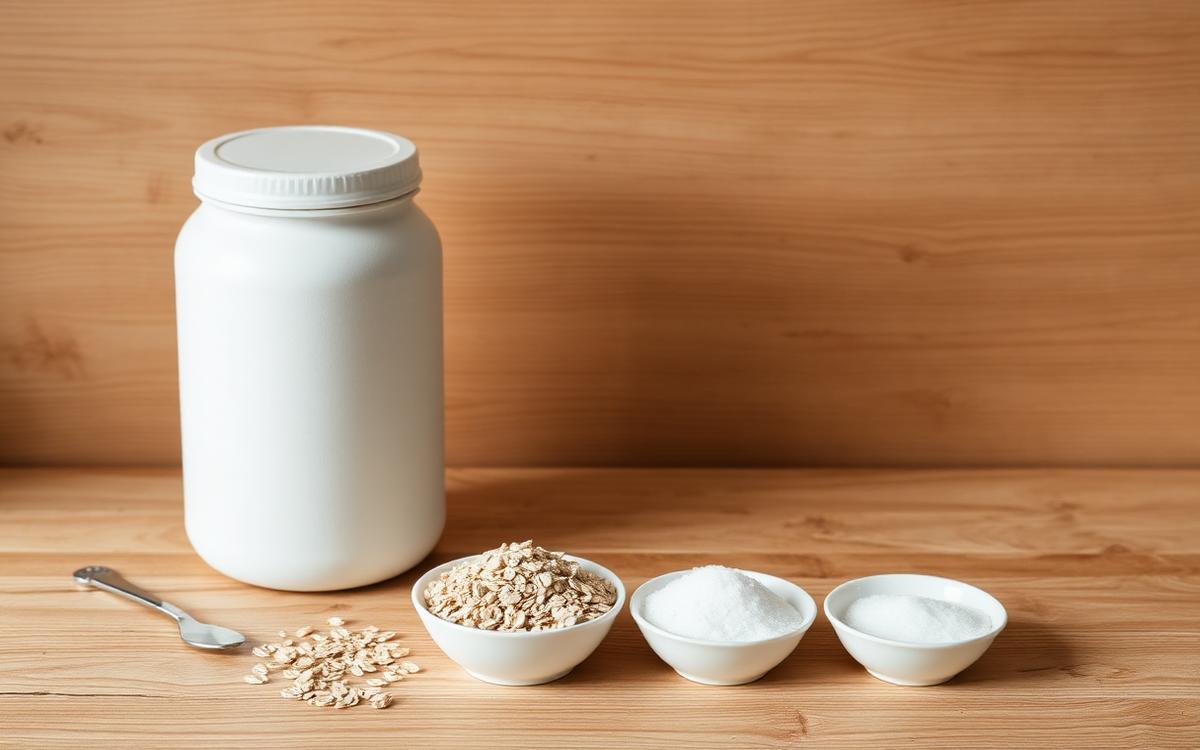
Sugar has many legal names, and each is a separate ingredient for labelling purposes. A manufacturer can use glucose syrup, invert sugar, dextrose, fruit juice concentrate and cane sugar in one product, and list all five separately below the flour.
Added together they might outweigh everything else, but no single entry reaches the top. The list is accurate and the impression is misleading.
The names to recognise include sucrose, glucose, dextrose, fructose, maltose, lactose, glucose fructose syrup, high fructose corn syrup, invert sugar, molasses, treacle, malt extract, honey, agave nectar, rice syrup, date syrup and fruit juice concentrate. Anything ending in ose is worth a second look.
The same tactic appears with fats and with starches, though sugar is where it is most common. Cross checking the added sugars line on the panel catches it immediately.
The 2 percent rule and other legal quirks
United States rules allow ingredients present at 2 percent or less by weight to be grouped at the end, usually introduced by a phrase such as contains 2 percent or less of. Within that group the order carries no information.
Compound ingredients, meaning ingredients that are themselves made of several things, appear with their own sub list in brackets. Chocolate chips, for example, expand into sugar, cocoa mass, cocoa butter and an emulsifier.
In the European Union and United Kingdom, quantitative ingredient declaration requires a percentage next to an ingredient that is emphasised on the pack. If the front says strawberry yogurt with a picture of fruit, the list must say how much strawberry is actually in there. That percentage is the single most useful number on many European packs.
Allergens are formatted differently on purpose
Major allergens must be identifiable at a glance. In the United States, the nine major allergens are milk, eggs, fish, crustacean shellfish, tree nuts, peanuts, wheat, soybeans and sesame, and they must be declared either in the ingredient list or in a separate contains statement immediately after it.
In the European Union and United Kingdom, the 14 listed allergens must be emphasised within the ingredient list itself, usually in bold or capitals, so scanning for typographic contrast is faster than reading the whole line.
May contain statements are voluntary and relate to cross contamination risk during manufacture. They are not regulated in the same way, so their absence is not proof of absence.
A routine that takes ten seconds
Read the first three ingredients. Scan the rest for the sugar family and count how many appear. Check the allergen emphasis if it applies to you. Check for a percentage declaration if the pack makes a claim about a specific ingredient. Then glance at the panel to confirm what you concluded.
Done consistently, this catches the products that quietly undermine an otherwise sensible diet, and it takes less time than reading the marketing copy on the front.
Frequently asked questions
Does the first ingredient always dominate?
It is always the heaviest single ingredient, but where splitting is used, a group of smaller entries can outweigh it collectively.
Why does water appear first in so many products?
Because weight is measured before cooking and evaporation. It is normal in soups, sauces and drinks and is not a sign of dilution on its own.
Do very short ingredient lists mean healthier food?
Usually a better sign, but not a rule. Butter, cream and sugar all have one ingredient lists.
What does contains 2 percent or less mean?
Everything after that phrase makes up a tiny share of the product, and those items need not be in weight order.
Are flavourings required to be itemised?
No. Flavourings can be declared collectively, which is why a single entry can represent a complex blend of compounds.
Three worked examples
Breakfast cereal: whole grain oats, sugar, glucose syrup, honey, vegetable oil, salt. The first ingredient is genuinely good, but three separate sweeteners follow in positions two, three and four, which together almost certainly outweigh the oats.
Tomato pasta sauce: tomatoes 78 percent, onion, olive oil, salt, basil, garlic. Short, ordered sensibly, and the percentage declaration confirms the headline ingredient. Nothing to worry about.
Chicken nuggets: chicken 45 percent, wheat flour, water, rapeseed oil, starch, salt, raising agents, dextrose, stabiliser. Just under half the product is chicken, and the batter accounts for most of the rest, which the panel alone would never tell you.
Doing this three or four times in a real supermarket builds the habit faster than any amount of reading about it.