Quick Answer
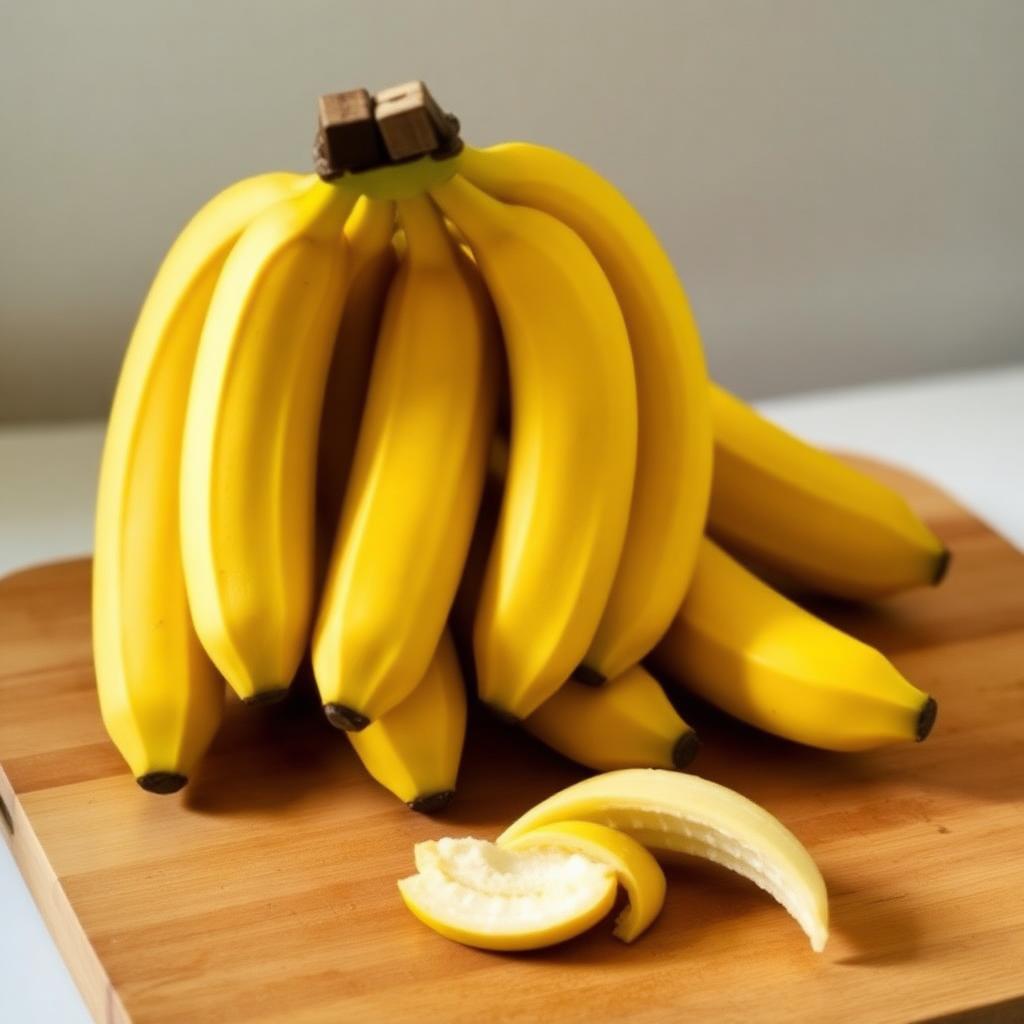
One medium banana (about 118 grams, the size that fits in your palm) provides 105 calories, 27 g of carbs, 3 g of fiber, 14 g of sugar, 1.3 g of protein, and almost no fat. It also delivers 422 mg of potassium (9 percent of the daily value), 32 mg of magnesium, and 25 percent of your daily vitamin B6.
The standout property is not any single nutrient. It is the ripeness gradient: a green banana behaves more like a starch, and a fully spotted banana behaves more like a simple sugar. Both versions are still useful food, just for different purposes.
Bananas are one of the most affordable and portable foods on the planet. The 105 calorie price tag for a complete potassium and B6 hit is genuinely hard to beat.
The full panel for one medium banana
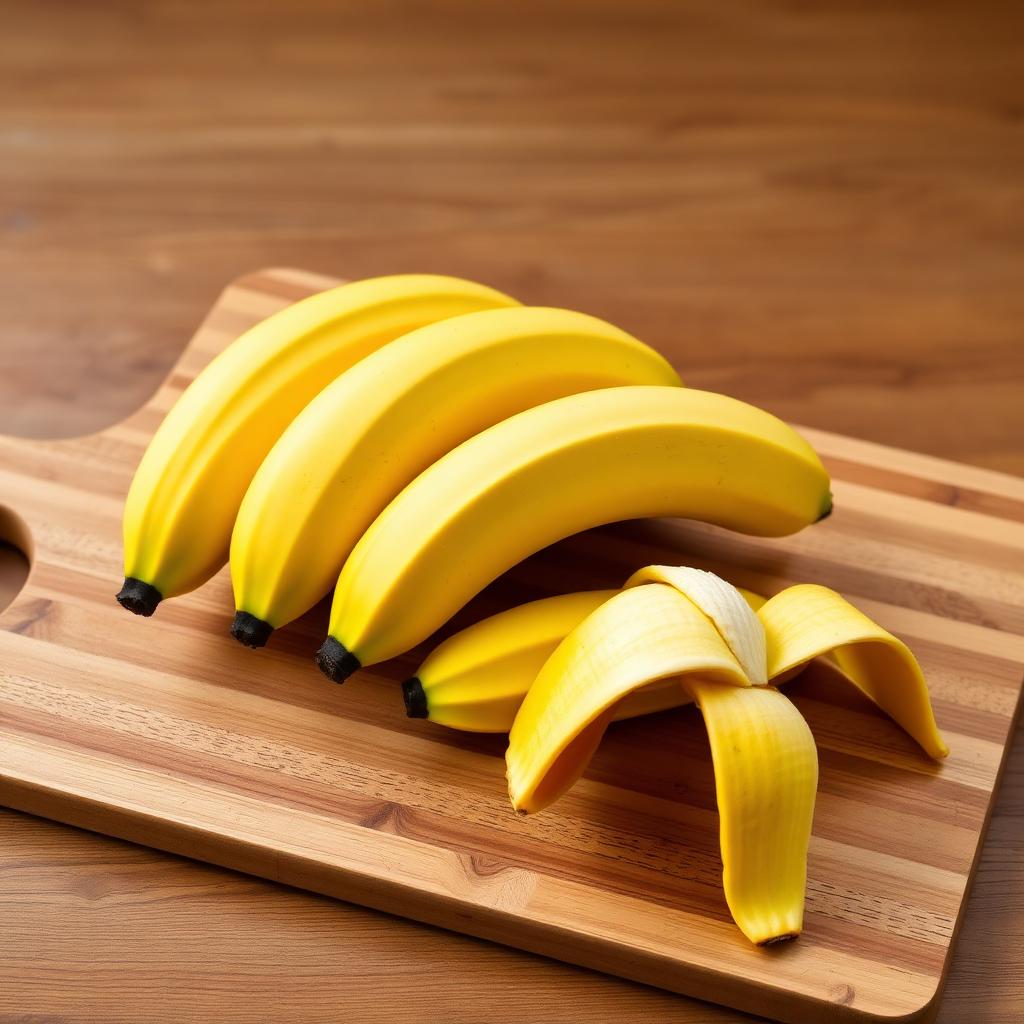
Values from USDA FoodData Central, scaled to a 118 g medium banana.
| Nutrient | Amount | % Daily Value |
|---|---|---|
| Calories | 105 kcal | 5% |
| Total carbohydrate | 27 g | 10% |
| Dietary fiber | 3 g | 11% |
| Total sugars | 14 g | n/a |
| Protein | 1.3 g | 3% |
| Total fat | 0.3 g | 0% |
| Vitamin B6 | 0.43 mg | 25% |
| Vitamin C | 10.3 mg | 11% |
| Potassium | 422 mg | 9% |
| Magnesium | 32 mg | 8% |
| Manganese | 0.3 mg | 14% |
Green vs yellow vs spotted: the ripening transformation
As a banana ripens, the enzyme alpha amylase steadily breaks resistant starch down into simple sugars (mostly sucrose, glucose, and fructose). The total carbohydrate count barely moves, but the form changes a lot.
- Green banana. Roughly 70 to 80 percent of the carbohydrate is resistant starch. Glycemic index near 30. Tastes starchy, almost potato like.
- Mostly yellow banana. Resistant starch falls to about 25 percent. Glycemic index near 50. The classic "ready to eat" flavor.
- Spotted banana. Resistant starch under 5 percent. Glycemic index near 60. Sweeter, softer, ideal for smoothies and baking.
Resistant starch passes undigested into the colon where it ferments into short chain fatty acids like butyrate, the preferred fuel of colonocytes. That is why slightly underripe bananas are often recommended for gut health and steadier blood sugar.
Potassium and blood pressure
The DASH diet, validated by the National Heart, Lung, and Blood Institute, calls for roughly 4,700 mg of potassium per day to support healthy blood pressure. A medium banana covers about 9 percent of that target. Two bananas, a serving of yogurt, and a baked potato can already cover half a day's potassium without effort.
People taking ACE inhibitors, ARBs, or potassium sparing diuretics should ask their physician about potassium intake. Bananas are not dangerous, but cumulative dietary potassium matters in this context.
Bananas for athletes
The combination of fast acting carbs, potassium, and B6 makes ripe bananas a near perfect peri workout food. A 2018 study in PLoS ONE compared cyclists fueling with a banana vs a 6 percent sports drink during a 75 km time trial. Performance was equivalent, and the banana group showed a more favorable inflammatory metabolite profile post exercise.
The practical takeaway: a ripe banana 30 to 60 minutes before training, or mid effort during longer endurance work, performs as well as commercial sports nutrition for most recreational athletes.
Bananas and digestion
- Constipation. Ripe bananas provide soluble fiber (pectin) that adds bulk and softens stool.
- Diarrhea recovery. Bananas are part of the BRAT diet (bananas, rice, applesauce, toast) because they are gentle, replace lost potassium, and supply easy energy.
- FODMAP sensitivity. Ripe bananas are high FODMAP (oligo fructans). Unripe bananas are low FODMAP and tolerated better by people with IBS who are in elimination phases.
Bananas vs other common fruits
| Fruit (medium) | Calories | Carbs | Fiber | Potassium |
|---|---|---|---|---|
| Banana | 105 | 27 g | 3 g | 422 mg |
| Apple | 95 | 25 g | 4.4 g | 195 mg |
| Orange | 62 | 15 g | 3.1 g | 237 mg |
| Pear | 101 | 27 g | 5.5 g | 206 mg |
| Peach | 58 | 14 g | 2.3 g | 285 mg |
Bananas lead the pack on potassium per piece while staying competitive on calories. Pears edge them out on fiber if that is the priority.
FAQs
Do bananas make you gain weight?
Not by themselves. At 105 calories per banana, fitting one or two into a daily calorie target is straightforward.
Are bananas high in sugar?
The 14 g of sugar is comparable to other fruits and comes packaged with fiber, water, and micronutrients. The glycemic load is modest.
Can diabetics eat bananas?
Yes, in measured portions. A slightly underripe banana paired with protein or fat (Greek yogurt, nut butter) blunts the glucose rise effectively.
Are plantains the same as bananas?
They are close relatives. Plantains are starchier, lower in sugar, and almost always cooked before eating.
The takeaway
A medium banana is one of the most efficient packages of carbs, potassium, magnesium, and B6 you can buy. Pick green when you want resistant starch and a steadier glycemic response, pick spotted when you need fast fuel or natural sweetness for baking, and ignore the persistent myth that bananas are too sugary to fit a healthy diet.