Quick Answer
A serving size on a nutrition label is a regulated reference amount based on how much people typically eat in one sitting, not on how much you should eat.
In the United States these amounts are set by the FDA as reference amounts customarily consumed, so all products in the same category share a comparable serving. Manufacturers cannot invent them.
The number that actually matters is servings per container. Multiply everything on the panel by it if you plan to finish the pack, which is what most people do with small packages.
Where the numbers come from
The FDA derives reference amounts from national food consumption surveys. If the survey data says people typically eat about 55 grams of crisps at a time, that becomes the reference for the whole category.
Because the reference is category wide, two brands of crisps must use the same serving, which is the entire reason label comparison works. Without it, a manufacturer could halve the serving to halve every unflattering number.
Reference amounts get updated when eating patterns change. The 2016 label overhaul raised the ice cream serving from half a cup to two thirds and increased the soft drink serving from 8 ounces to 12, on the grounds that the old figures were fiction.
Typical serving is not recommended serving
This is the single most misread part of a nutrition panel. The label is describing behaviour, not prescribing it. A 55 gram serving of crisps is not dietary advice.
The reverse mistake also happens. People assume a serving is the most they should eat, then feel they have overdone it after two portions of vegetables or a second bowl of lentil soup, where the ceiling is not really the issue.
Read servings as a unit of measurement, roughly like reading a price per kilogram. It is a way of standardising the numbers, nothing more.
The dual column rule
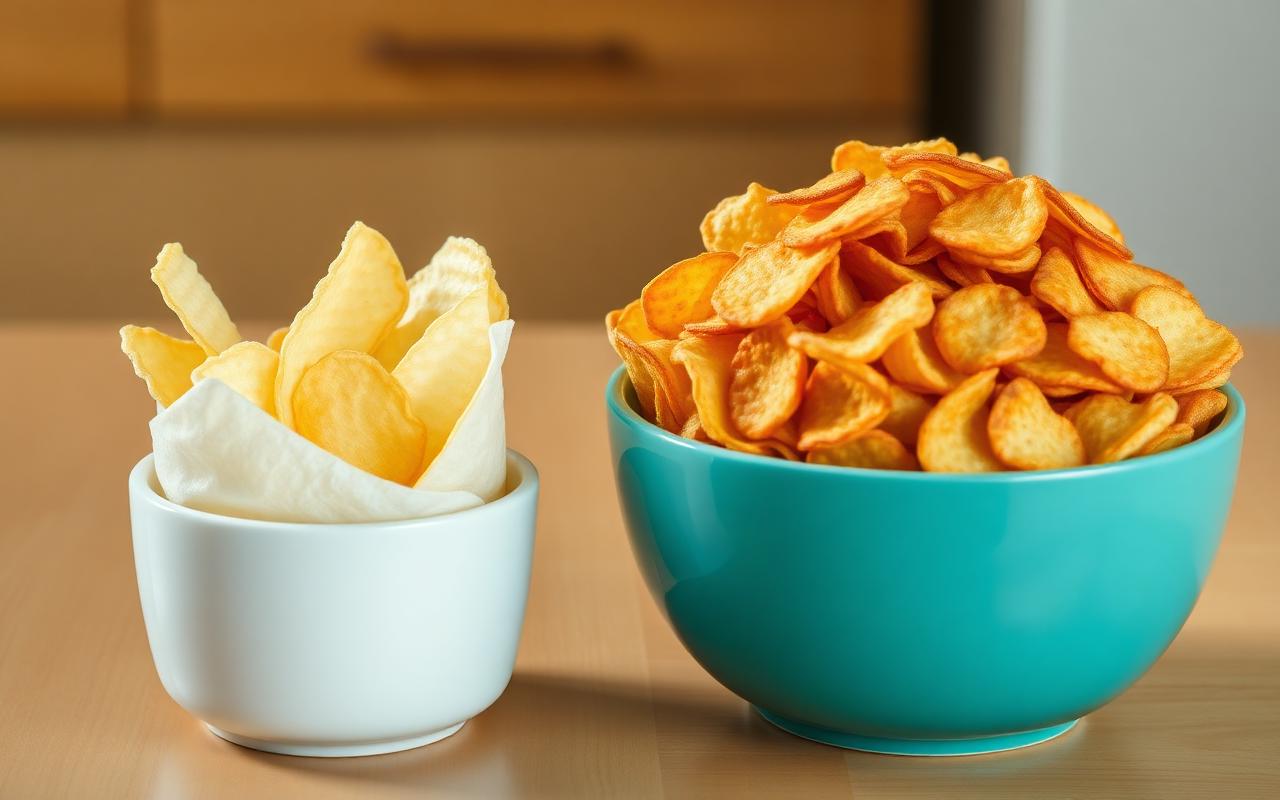
Packages between one and two servings, such as a 20 ounce drink or a large muffin, must now show two columns: per serving and per package. It was introduced precisely because nobody drinks two thirds of a bottle and stops.
Larger packages that could reasonably be eaten in one sitting, such as a pint of ice cream, also carry dual columns. When you see two columns, the right hand one is almost always the honest number.
Packages containing a single serving must present the whole package as one serving. That change alone removed a lot of quiet arithmetic from the shelf.
Why UK labels dodge the problem
British and European labels must list values per 100 grams or 100 millilitres, with an optional additional per portion column. The per 100 figure is a fixed denominator that makes comparison trivial.
Two yogurts at 9 grams and 14 grams of sugar per 100 grams can be ranked instantly, regardless of pot size. The American system gets to the same place through standardised servings, but the European approach removes one step of judgment.
If you shop in both systems, the mental conversion is straightforward: divide the per 100 figure by the actual weight you are eating.
The categories where servings mislead most
- Cooking oils and sprays: one tablespoon or a fraction of a second of spray, when most people pour freely.
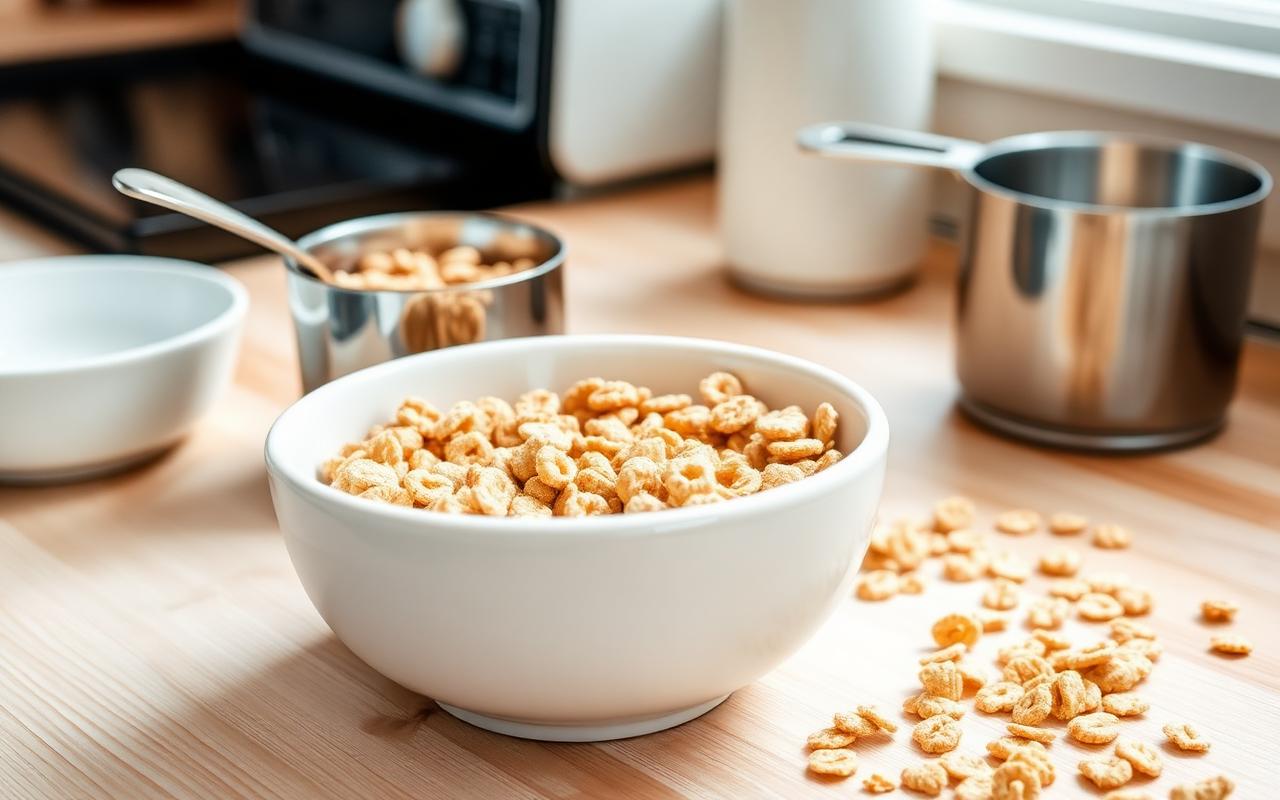
- Breakfast cereal: defined by weight while everyone measures by bowl, and dense granola weighs far more per cup than flakes.
- Sauces and dressings: two tablespoons, which is roughly a third of what ends up on a salad.
- Nut butters: two tablespoons, easily doubled by a generous knife.
- Drinks in multi serve bottles: where servings per container quietly does the heavy lifting.
Granola is the clearest example. Two brands can look almost identical per serving while one serving is 40 grams and the other 60, so the per 100 gram or per weighed portion comparison is the only fair one.
How to use servings without weighing everything
Weigh once, learn the shape, then stop. Put 40 grams of granola in your usual bowl and look at it. Measure a tablespoon of peanut butter and see what it looks like on a knife. That calibration lasts for years.
For snacks, decant. A bulk bag portioned into small containers is a structural solution, and structure beats intention when you are tired.
Hand measures work when nothing is labelled: a cupped palm for carbohydrate, a palm for protein, a thumb for fats, a fist for vegetables. Not precise, but directionally right and always with you.
Frequently asked questions
Can manufacturers choose their own serving size?
Not freely. They must use the FDA reference amount for the food category, though pack format and rounding create small differences.
Why did serving sizes get bigger in 2016?
Because the reference amounts are meant to reflect how much people actually eat, and consumption surveys showed the old figures were far too small for several categories.
Is a serving the amount I should eat?
No. It is a measurement unit, not advice. Your appropriate portion depends on your calorie needs, activity and the rest of the day.
How do I compare two products with different servings?
Convert both to per 100 grams. Divide each figure by the serving weight, multiply by 100, and the comparison becomes fair.
Do restaurant portions have serving sizes?
Large chains in the US and UK must post calories for menu items, but there is no equivalent standardised serving system, so a restaurant portion often equals two or three retail servings.
Reading a label backwards
Start at the bottom of the panel rather than the top. Find servings per container, decide what you will really eat, then multiply before you read anything else.
Doing it in that order stops the anchoring effect of a small, friendly looking calorie number at the top of the panel.
Where servings genuinely help
For all the criticism, standardised servings are the reason two products can be compared at all. Before reference amounts existed, manufacturers routinely shrank servings to flatter the numbers.
Used correctly, the serving is a fair unit and the container count is the honesty check. Neither is a judgment about how much you should eat, and reading them that way removes most of the frustration people have with nutrition panels.