Quick Answer
Beef tallow is a stable cooking fat with a high smoke point, but about 50 percent of its fat is saturated. The American Heart Association still recommends keeping saturated fat below 6 percent of calories for heart health, which means tallow belongs in your kitchen as a sometimes-fat, not a default.
It is not poison. It is also not a superfood. The internet swung hard from one to the other in 2024 and 2025.
What Tallow Actually Is
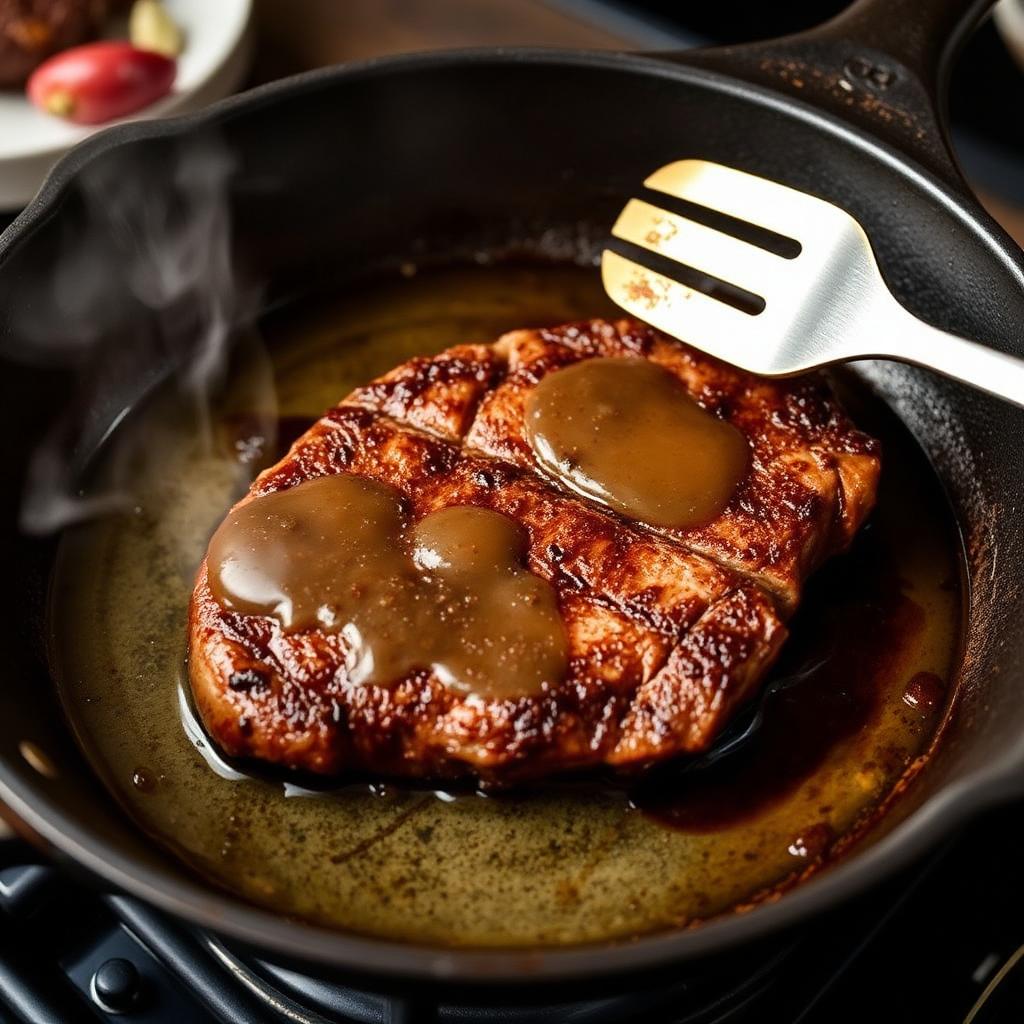
Tallow is rendered beef fat, traditionally from the suet around the kidneys. Per USDA FoodData Central, a tablespoon supplies 115 calories, 13 grams of fat, 6.4 grams of saturated fat and zero trans fat. Grass-fed tallow contains slightly more conjugated linoleic acid and a touch more omega-3, but the differences are small.
What the Research Says About Saturated Fat
The headline finding from the 2025 Dietary Guidelines Advisory Committee is unchanged from prior cycles: replacing saturated fat with polyunsaturated fat lowers LDL cholesterol and cuts cardiovascular risk. A 2020 Circulation review put the risk reduction at roughly 29 percent. Tallow's saturated fat profile is closer to butter and palm oil than to olive or canola oil.
That said, the relationship between saturated fat and heart disease in real diets is messier than headline numbers suggest. Replacement matters. Swapping butter for refined sugar does nothing useful. Swapping it for olive oil does.
Where Tallow Beats Other Fats
- High heat cooking: smoke point near 400 F, well above butter and unrefined oils.
- Flavor: deep, beefy, savory note that elevates roast potatoes, fries and seared steaks.
- Shelf stability: stays fresh on the counter for weeks because the saturation resists oxidation.
- Whole food sourcing: rendered from a single animal ingredient with no solvents.
Where Seed and Olive Oils Win
For daily salad dressings, low heat sautéing, and most home cooking, extra virgin olive oil is still the most evidence-backed choice. Major reviews including PREDIMED have linked Mediterranean-style olive oil intake to lower cardiovascular events. Liquid oils with mostly monounsaturated and polyunsaturated fat also lower LDL when they replace saturated fat sources like tallow or butter.
What About Tallow Skincare?
That is a separate conversation. Topical tallow has cosmetic uses, but dermatologists at the American Academy of Dermatology point out there is no clinical evidence that beef fat outperforms ceramide-based moisturizers. It is rich and occlusive, which can help dry skin and irritate acne-prone skin.
How to Use Tallow Sensibly
- Sear steaks, smash burgers and roast potatoes in tallow for flavor.
- Keep dressings, low heat sautés and finishing oils in olive oil.
- Track your weekly saturated fat. If you ate three steaks this week, save tallow for next week.
- Store rendered tallow in a sealed jar in the fridge for up to a year, or on the counter for six weeks.
Who Should Avoid It
Anyone with elevated LDL cholesterol, established cardiovascular disease, or following a doctor-prescribed low saturated fat diet should treat tallow the way they treat butter and lard. Plant-based eaters obviously skip it.
Bottom Line
Beef tallow is a legitimate cooking fat. It is also still saturated fat. The evidence base says use it for the things it does best (high heat searing and roasting) and let olive oil handle the everyday work. That balance is the part the trend cycle keeps missing.
Common Questions About Cooking With Tallow
Is grass-fed tallow nutritionally different?
Slightly higher in CLA and omega-3, but the absolute amounts are too small to make a clinical difference. Buy whichever fits your budget and ethics.
Can I reuse tallow after frying?
Yes. Strain through fine mesh into a clean jar and refrigerate. Reuse for 3 to 4 fries before the flavor goes off. Discard if it darkens significantly or smells acrid.
Is tallow keto friendly?
Yes. It is 100 percent fat, zero carbs, and the saturation makes it shelf stable.
What about heart disease risk?
The AHA still recommends limiting saturated fat to under 6 percent of calories for cardiovascular health. Use tallow occasionally rather than as your default cooking fat.
How It Compares to Other High Smoke Point Fats
Refined avocado oil hits a smoke point around 520 F, ghee around 485 F and tallow around 400 F. All three handle high heat. Avocado oil and ghee are lower in saturated fat per tablespoon and easier to drizzle. Tallow wins on flavor for searing red meat and roasting potatoes. The right kitchen has several fats in rotation: olive for daily, tallow or ghee for high heat flavor, and a neutral oil for baking. Treating any one as the only correct fat is the position most likely to be wrong.
How Often Is Too Often?
The American Heart Association ceiling of 6 percent of calories from saturated fat works out to about 13 grams per day on a 2000 calorie diet. A single tablespoon of tallow uses up nearly half of that quota. If your day already includes butter, cheese or fatty meat, save the tallow for the weekend roast and use olive oil mid-week. That cadence keeps the flavor wins without pushing daily saturated fat past the recommended threshold.
So is beef tallow healthy enough for daily use? In moderation, yes. As a default cooking fat for every meal, no.