Quick Answer
Fiber helps with weight loss, but indirectly. It does not increase how many calories you burn. It reduces how many you eat, by making meals more filling and by slowing digestion.
In controlled trials, simply telling people to eat 30 grams of fiber a day produced meaningful weight loss over a year, in one well known study nearly as much as a far more complicated heart association diet.
Expect a modest effect, in the region of a couple of kilograms over months, rather than anything dramatic. It works best as one lever among several.
The three mechanisms that matter
Volume. High fiber foods take up more space for the same calories. A cup of beans and a cup of white rice are not remotely the same eating experience, even though the calories are similar.
Slower stomach emptying. Soluble fiber forms a gel that keeps food in the stomach longer, which extends the period between meals where you feel no urge to eat.
Hormonal signals. Fermentation of fiber in the colon produces short chain fatty acids that influence appetite regulating hormones such as GLP-1 and PYY. The effect is real but smaller than the mechanical ones.
What the research actually found
The clearest evidence comes from a trial where one group followed detailed multi component dietary advice and the other was given a single instruction: eat 30 grams of fiber a day. Both groups lost weight, and the fiber only group did nearly as well while following a far simpler rule.
Observational data points the same direction. People in the highest fiber intake groups tend to have lower body weight over time, though those people usually differ in other ways too, so the size of the effect is uncertain.
What no study shows is fiber overriding a calorie surplus. If the extra fiber arrives alongside more total food, the scale does not move.
Where fiber supplements fit
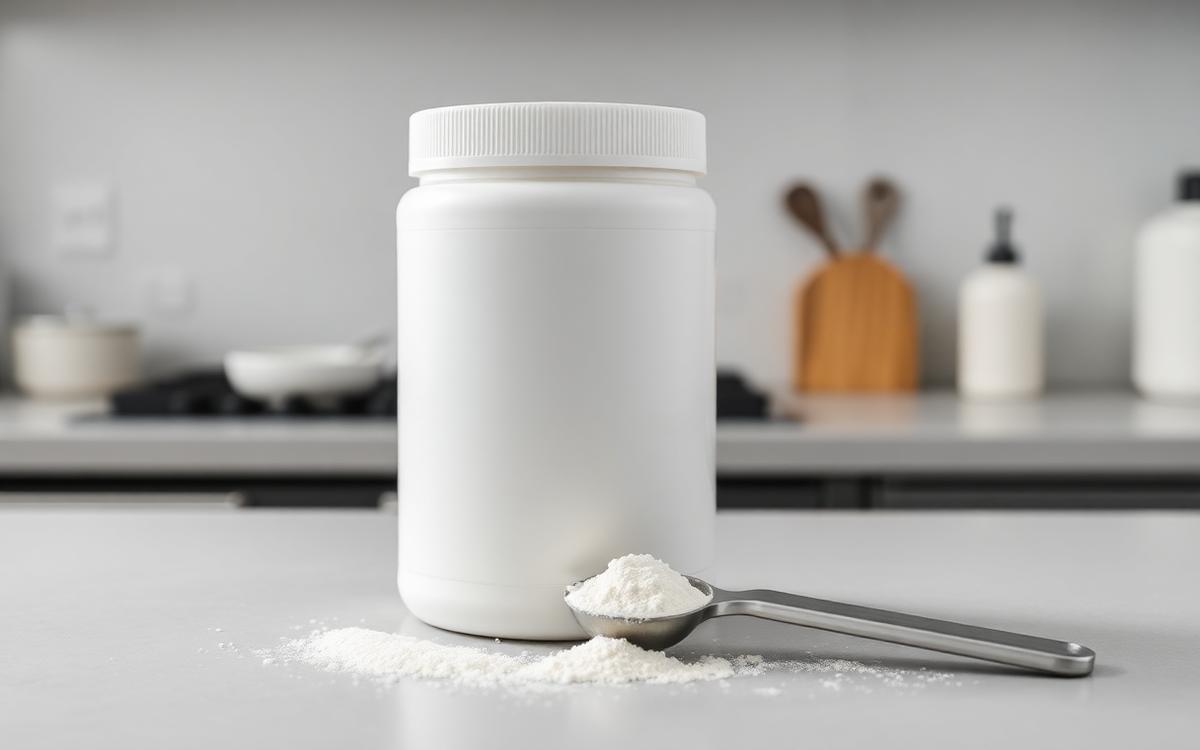
Psyllium taken before meals produces a small reduction in intake in several trials. Glucomannan, from konjac root, has similar evidence and is genuinely viscous, though it needs plenty of water and has caused choking when taken as a tablet without enough fluid.
The honest summary is that supplements give you a fraction of the benefit of the food. A capsule does not replace the chewing time, the volume on the plate or the nutrients that come with beans and vegetables.
How to use fiber deliberately for appetite
- Front load it. A high fiber breakfast tends to reduce intake later in the day more than a high fiber dinner does.
- Start meals with the vegetables. Eating the salad or soup first adds volume before the calorie dense part arrives.
- Swap the base, not the topping. Bean pasta, barley or a lentil base changes the calorie density of the whole meal.
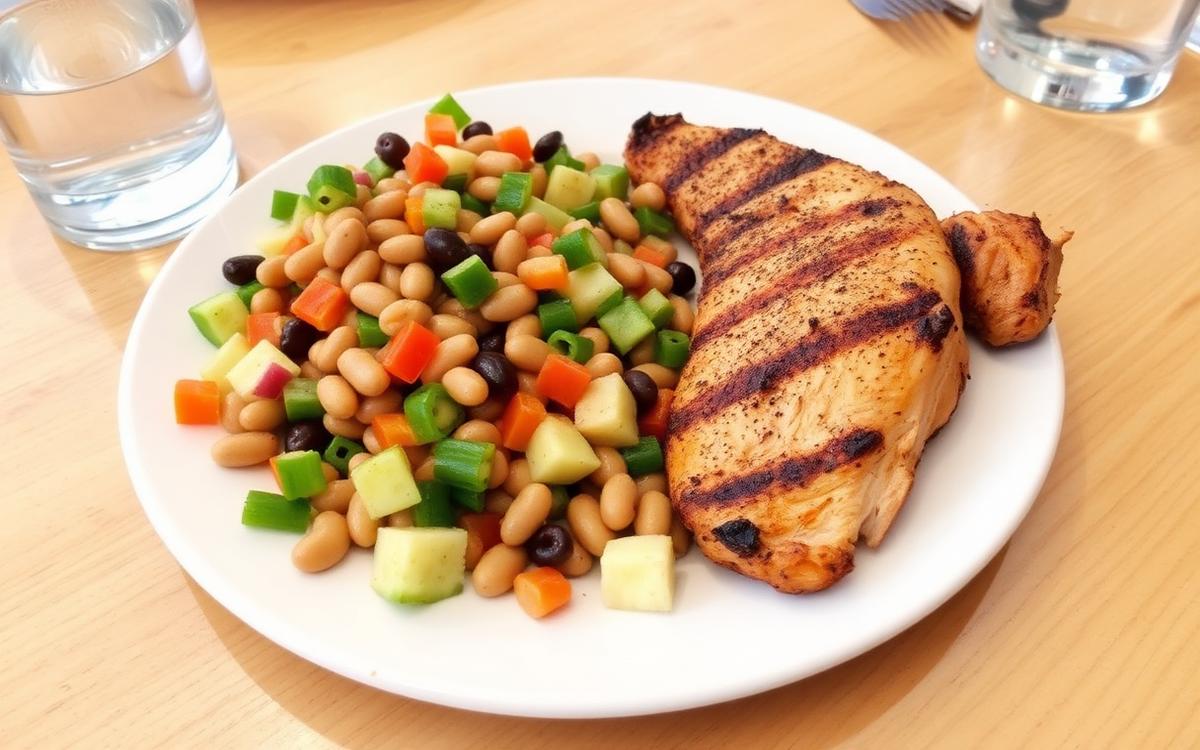
- Keep protein alongside. Fiber and protein together are far more satiating than either alone.
- Drink water with it. Fiber only expands and forms gel with fluid available.
The realistic expectation
Someone moving from 15 grams to 30 grams of fiber a day, without deliberately restricting anything else, usually eats a few hundred calories less per day almost automatically. Over a few months that adds up to a genuine change in weight.
It also tends to be more sustainable than portion control, because the effort goes into what you buy rather than into resisting food at the table.
Frequently asked questions
Does fiber block calorie absorption?
Slightly. Very high fiber diets reduce the calories absorbed from a meal by a small margin, in the region of a few percent, which is not the main mechanism.
Will fiber reduce belly fat specifically?
You cannot target fat loss to one area, though higher intakes of soluble fiber have been associated with less visceral fat gain over time in some cohort studies.
Is a fiber supplement worth it if I already eat well?
Usually not. If you are already near 30 grams from food, an extra scoop adds cost and gas rather than benefit.
Can too much fiber stall weight loss?
Not directly, but very high fiber diets can cause enough discomfort that people abandon the plan, and high fiber foods such as nuts and dried fruit are calorie dense.
How fast will I notice the appetite effect?
Most people notice longer gaps between hunger within the first week, well before the scale reflects anything.
How it compares to other levers
Protein has a slightly stronger effect on appetite per gram, and sleep and alcohol both move total intake more than most people expect. Fiber sits comfortably in the same tier, with the advantage of being easy to change through shopping rather than discipline.
Combined, they compound. A breakfast with 30 grams of protein and 10 grams of fiber does more for the rest of the day than either component alone, which is why the classic advice about oats, yogurt and berries has survived decades of diet fashion.
A week that works without counting calories
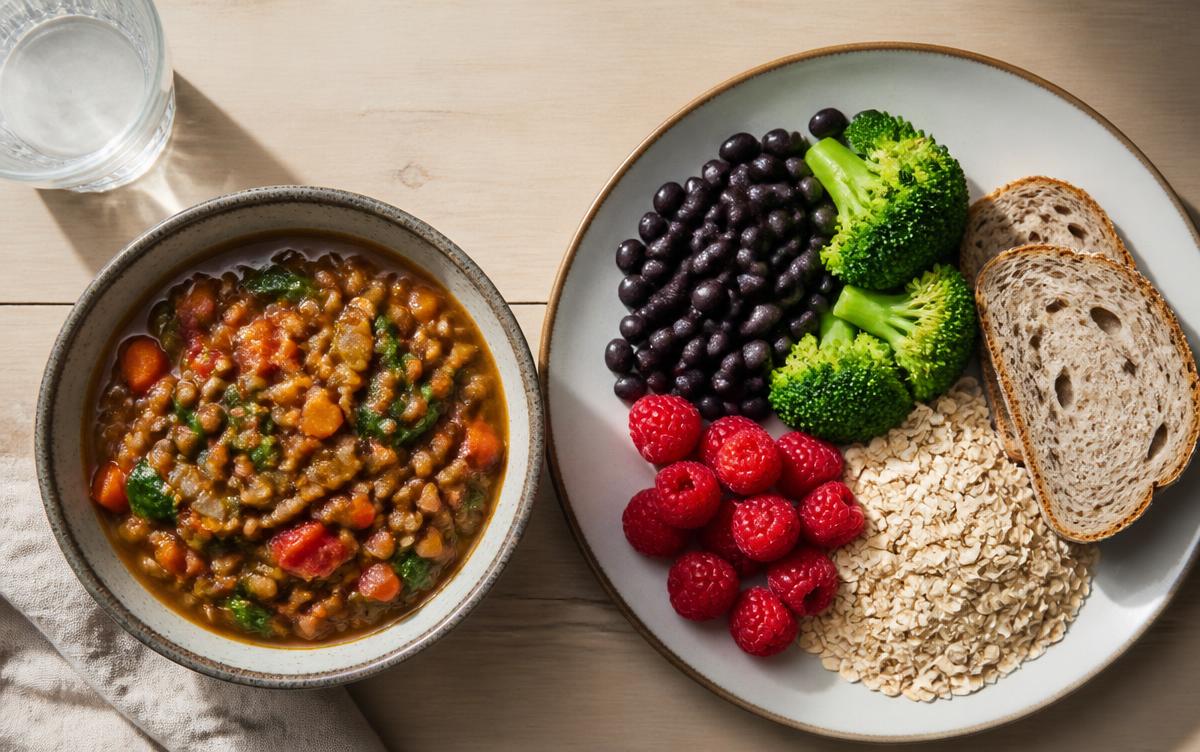
Swap the lunchtime sandwich for a bean and grain bowl, keep a bag of frozen berries for a fiber heavy breakfast, cook one batch of lentil soup for two dinners, and keep fruit visible on the counter.
None of that requires weighing anything. It changes the calorie density of the three largest meals of the day, and that is the entire mechanism by which fiber helps with weight.
So does fiber help you lose weight? It helps, in the sense that it makes eating less feel easier, and that is worth more over a year than any single food ever is.