Quick Answer
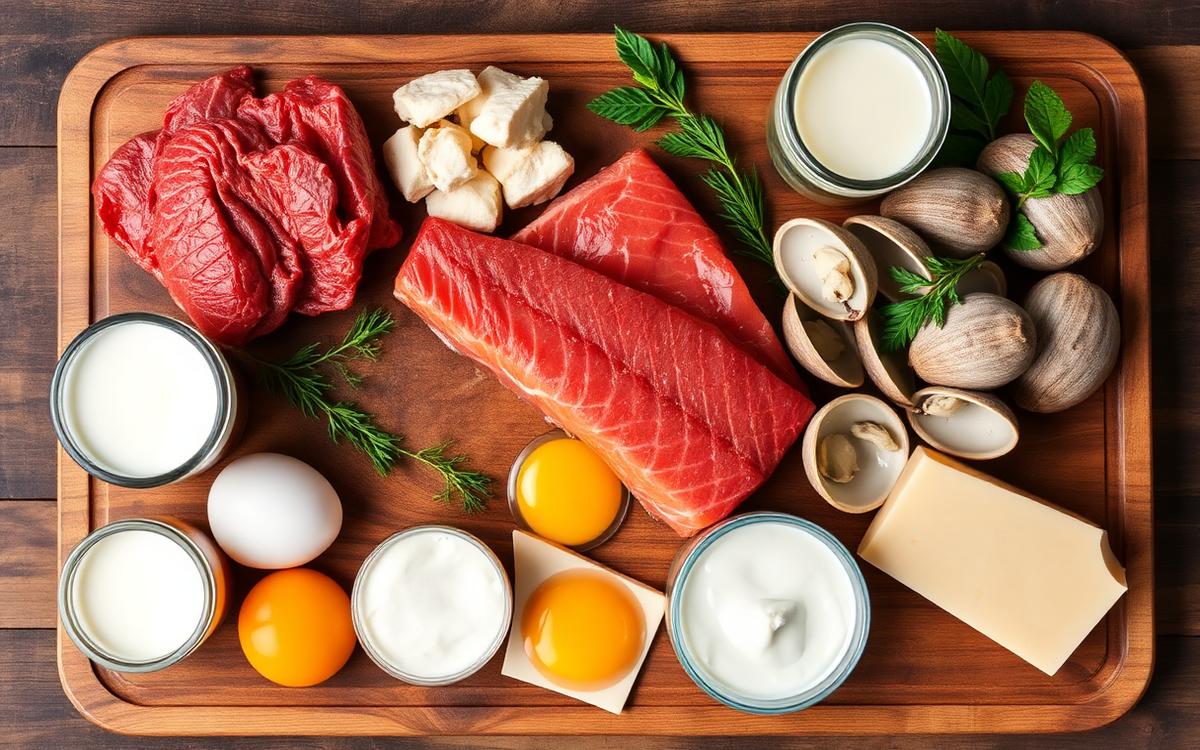
The richest sources of vitamin B12 are clams, beef liver, mackerel, sardines, salmon, tuna, beef, eggs, milk, yogurt and cheese. A single portion of clams or liver supplies many times the daily requirement.
Adults need 2.4 micrograms a day, which is a small amount met easily by anyone eating animal products a few times a week.
Plants contain no reliable B12. If you eat no animal foods, fortified cereals, fortified plant milks, fortified nutritional yeast or a supplement are essential rather than optional.
The top sources by portion
- Cooked clams, 100g: around 84 micrograms, roughly 3500 percent of the daily requirement.
- Beef liver, 100g: around 70 micrograms.
- Mackerel, 100g: around 19 micrograms.
- Sardines, 100g: around 9 micrograms.
- Wild salmon, 100g: around 3 to 5 micrograms.
- Canned tuna, 100g: around 2.5 micrograms.
- Lean beef, 100g: around 2.5 micrograms.
- Milk, one cup: around 1.2 micrograms.
- Greek yogurt, 170g pot: around 1 microgram.
- Two large eggs: around 1.1 micrograms.
- Swiss cheese, 30g: around 0.9 micrograms.
Values shift with cut, species and cooking method, so treat these as reliable ballpark figures rather than laboratory precision.
Why the numbers look so extreme
Seeing 3500 percent of a daily value on a plate of clams makes the requirement look trivial, and in a sense it is. The body absorbs only a limited amount from any single meal, roughly 1.5 to 2 micrograms at a time through the intrinsic factor pathway.
The surplus is not wasted entirely. A small fraction crosses by passive diffusion, and the liver builds a reserve that can last years. But eating liver once and assuming you are covered for a decade is not how it works in practice.
Regular modest intake beats occasional enormous doses, which is the same principle that applies to most nutrients.
Plant based options that actually work
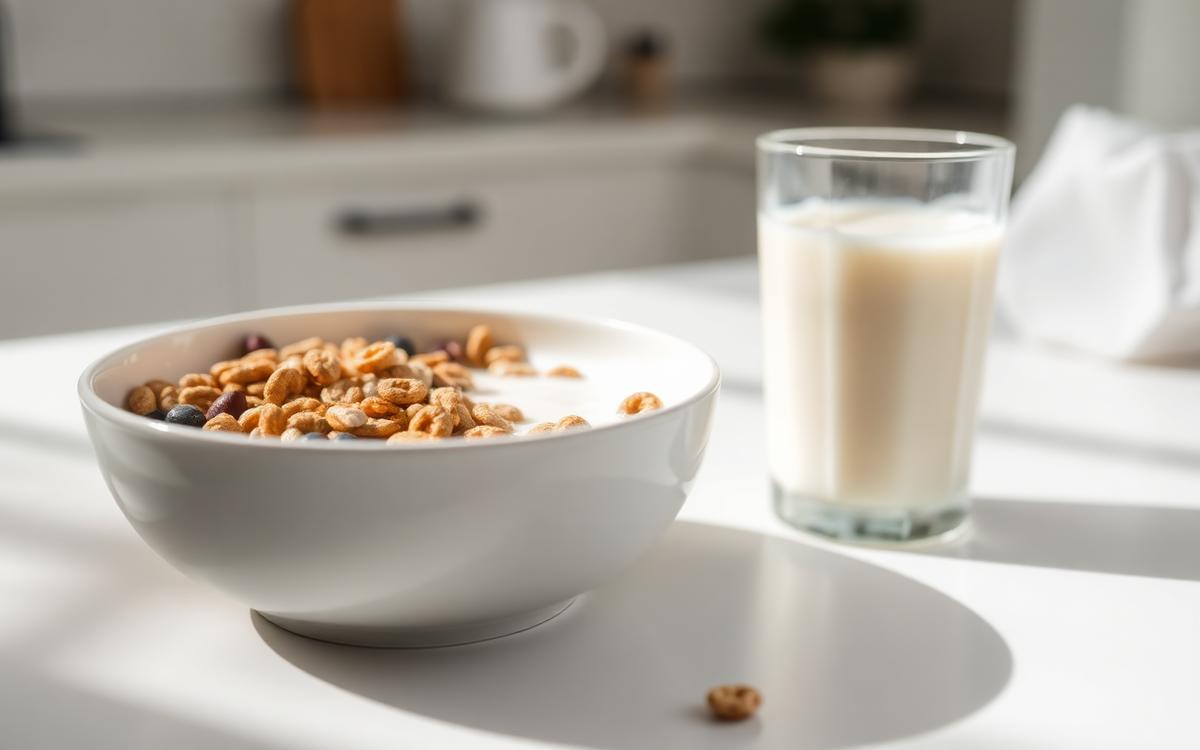
- Fortified breakfast cereal: commonly 1.5 to 6 micrograms per serving, and one of the most reliable sources for vegans.
- Fortified plant milks: soy, oat and almond versions usually carry around 1 microgram per cup, but only if fortified. Check the panel.
- Fortified nutritional yeast: a couple of tablespoons can supply several micrograms. Unfortified yeast has none.
- Fortified meat substitutes: some soy and mycoprotein products add B12, though it varies wildly between brands.
Foods sometimes promoted as natural vegan B12 sources, including spirulina, nori, tempeh and unwashed organic produce, are not dependable. Much of what they contain is an inactive analogue that does not perform the vitamin's function and can even interfere with tests.
How much you need at different life stages
- Adults: 2.4 micrograms a day.
- Pregnancy: 2.6 micrograms.
- Breastfeeding: 2.8 micrograms.
- Children 4 to 8: around 1.2 micrograms.
- Teenagers: 2.4 micrograms, the same as adults.
Older adults do not need more on paper, but because absorption declines with age, guidance often suggests getting some intake from fortified foods or supplements, where the B12 is not bound to food protein and therefore does not need stomach acid to release it.
Cooking and storage
B12 is reasonably heat stable but not indestructible. Prolonged boiling of meat leaches some into the cooking liquid, and microwaving milk for extended periods reduces content slightly.
Practical adjustments are small: use the pan juices, do not boil meat for hours, and keep milk out of direct light because B12 is light sensitive. None of this matters much if your overall intake is comfortable.
A day that easily covers it
- Breakfast: two scrambled eggs and a glass of milk, around 2.3 micrograms.
- Lunch: a tuna sandwich with cheese, around 3 micrograms.
- Dinner: salmon fillet with vegetables, around 4 micrograms.
A vegan version: fortified cereal with fortified soy milk at breakfast (around 3 micrograms), nutritional yeast stirred through a pasta sauce at dinner (around 3 micrograms), plus a supplement a few times a week for insurance.
Who needs a supplement regardless of diet
People on long term proton pump inhibitors or metformin, anyone who has had gastric or ileal surgery, those with pernicious anaemia, and people with Crohn's or coeliac disease will not solve the problem with food alone. Their issue is absorption, and it needs a clinical plan.
For everyone else, the food-first approach works, and it brings protein, iron, zinc, iodine and selenium along with it.
The bottom line
Shellfish, liver and oily fish are the heavyweight sources, while meat, eggs and dairy quietly cover most people without any thought. The requirement is small and the food supply is generous.
If you eat no animal products, treat fortified foods and a supplement as a permanent part of the plan. It is the one nutrient where a well planned plant based diet genuinely cannot rely on whole foods alone.
Frequently asked questions
Can you get enough B12 from eggs and dairy alone?
It is possible but tight. Two eggs, a glass of milk and a pot of yogurt lands near the daily target, so a vegetarian diet needs those foods most days rather than occasionally.
Does mushroom or seaweed B12 count?
Largely no. Most of what is measured in seaweed and algae is an inactive analogue that the body cannot use, and it may even interfere with the active form.
Is B12 destroyed by cooking?
Only partly. Long boiling leaches some into the liquid and very high heat degrades a fraction, but normal cooking leaves most of it intact.
How often should vegans supplement?
Either a small daily dose of around 10 micrograms or a single weekly dose of around 2000 micrograms. Weekly dosing works because absorption by passive diffusion rises with dose size.
Do you need B12 with breakfast specifically?
No, timing does not matter. What matters is that it is a habit you repeat, and a fortified cereal at breakfast simply happens to be an easy anchor.
Does coffee or alcohol affect B12?
Coffee has little direct effect, but heavy long term alcohol use damages the stomach lining and the liver, which reduces both absorption and storage. Cutting back helps more than any single food swap.
Are B12 energy shots worth it?
Only if you are actually deficient. If your levels are normal, a large dose does nothing for energy, and most of it leaves in your urine within hours.