Quick Answer
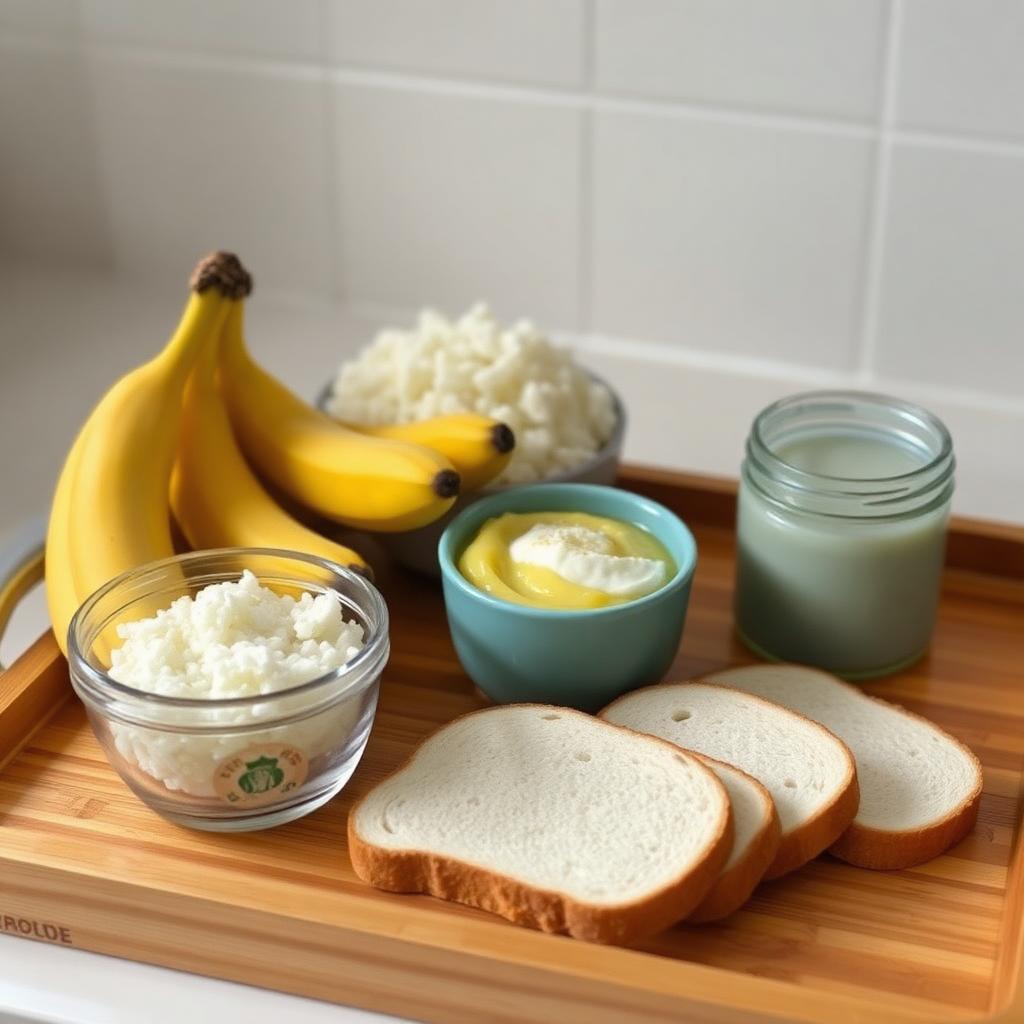
The BRAT diet is a short term eating plan of Bananas, Rice, Applesauce, and Toast traditionally used to manage acute diarrhea, nausea, and vomiting in children and adults.
The four foods are bland, low fiber, low fat, and low residue, which means they pass through an irritated gut without triggering more cramping or loose stool.
Modern pediatric guidance (American Academy of Pediatrics, 2022) no longer recommends restricting kids to BRAT for more than 24 to 48 hours because it is too low in protein, fat, and several micronutrients to support intestinal healing or normal growth.
What each food does
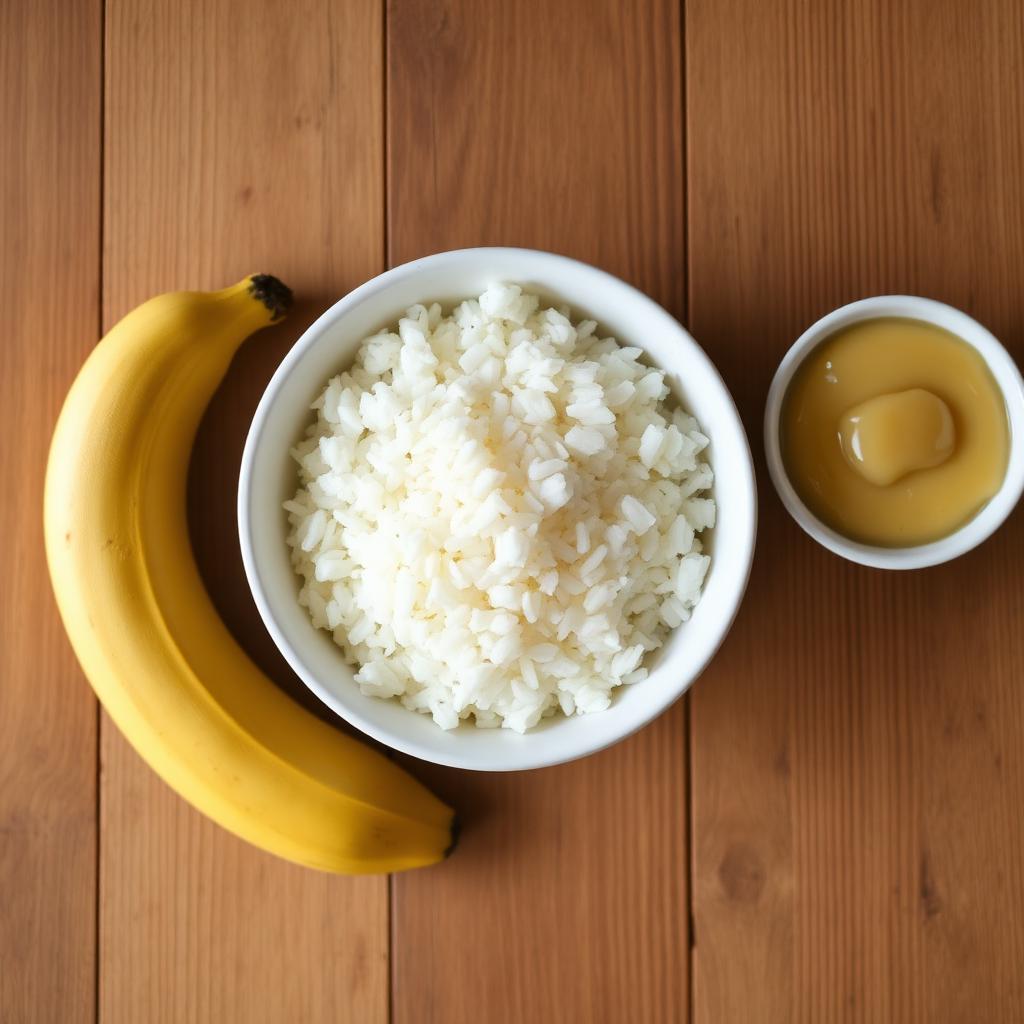
- Bananas. 358 mg of potassium per medium fruit replaces electrolytes lost to vomiting and diarrhea. The soluble pectin fiber binds water in the colon.
- Rice (white, plain). Easy to digest starch, almost no fiber, no fat. Provides quick energy without giving the gut extra work.
- Applesauce. Unsweetened applesauce delivers about 1.1 g of pectin per 100 g, which forms a gel in the colon and firms up loose stool. Whole apples contain more insoluble fiber that can worsen diarrhea, which is why cooked and strained is preferred.
- Toast (plain white, dry). Refined starches absorb stomach acid and settle nausea. Skip butter, jam, and peanut butter until symptoms resolve.
Nutrition per typical serving
| Food (100 g cooked) | Calories | Carbs | Fiber | Potassium |
|---|---|---|---|---|
| Banana, raw | 89 kcal | 23 g | 2.6 g | 358 mg |
| White rice, cooked | 130 kcal | 28 g | 0.4 g | 35 mg |
| Unsweetened applesauce | 42 kcal | 11 g | 1.1 g | 63 mg |
| White toast | 265 kcal | 49 g | 2.4 g | 115 mg |
When BRAT actually helps
- Acute viral gastroenteritis (stomach flu, norovirus, rotavirus) in the first 24 to 48 hours.
- Mild food poisoning with diarrhea and cramping.
- Post chemotherapy or antibiotic associated diarrhea (short term only, with physician guidance).
- Settling nausea in early pregnancy.
- Recovering from a colonoscopy prep day.
Why pediatricians moved on

The American Academy of Pediatrics updated its acute gastroenteritis guidance in the 2010s and reaffirmed it in 2022. The recommendation now is to return to the child's normal age appropriate diet as soon as they will accept food and tolerate fluids.
- BRAT is missing protein, which is required for repair of intestinal mucosa.
- It is low in fat, which delays the return of normal bile flow and gallbladder rhythm.
- Sustained BRAT eating in children under 5 has been associated with slower recovery times in randomized comparisons against early refeeding.
- Breastfeeding should never be paused during gastroenteritis. Breast milk shortens the duration of diarrhea.
Better modern approach for diarrhea and vomiting
Current evidence based recommendations from the CDC, NIH, and major pediatric societies look like this:
- Rehydrate first. Oral rehydration solution (Pedialyte, Hydralyte) for kids, sports drinks diluted 50/50 with water for adults. Sip 5 to 10 ml every 5 minutes if vomiting.
- Add bland complex carbs early. Rice, oatmeal, plain pasta, toast, crackers.
- Introduce lean protein within 24 hours. Plain chicken, scrambled eggs, baked fish.
- Add probiotic dairy. Plain yogurt with live cultures or kefir helps recolonize the gut microbiome.
- Avoid for 48 hours. Fried foods, dairy in lactose intolerant individuals, high fiber raw vegetables, caffeine, alcohol, and very sugary drinks (including straight fruit juice, which can worsen diarrhea through osmotic pull).
When to call a doctor
- Diarrhea lasting more than 48 hours in a child or 72 hours in an adult.
- Visible blood or black tarry stool.
- Signs of dehydration: no urine for 8 hours, dry mouth, sunken eyes, lethargy.
- Fever over 102 F (39 C) or any fever in an infant under 3 months.
- Severe abdominal pain that is not relieved by passing stool.
- Symptoms in pregnancy, immunocompromised adults, or anyone over 70.
FAQs
Can adults follow BRAT?
Yes, for 24 to 48 hours. Add lean protein and clear broth as soon as nausea allows.
Does the BRAT diet stop diarrhea?
It does not stop the underlying cause (typically viral), but the low residue foods reduce stool volume and frequency while the gut recovers.
Are bananas always safe?
Yes, ripe bananas are well tolerated. Avoid unripe green bananas, which contain more resistant starch that can worsen cramping.
Can I drink milk on BRAT?
Skip milk for the first 24 to 48 hours. Acute gastroenteritis can temporarily damage the lactase enzyme on the small intestinal lining, causing transient lactose intolerance.
The takeaway
BRAT is still useful for the first day or two of an acute stomach bug because the four foods are gentle, binding, and unlikely to trigger more cramping. Get back to a normal balanced diet as soon as the gut will tolerate it, prioritize rehydration over solid food, and call a clinician if symptoms drag past 48 to 72 hours.