Quick Answer
Getting 100 grams of protein a day from whole food is straightforward once you anchor each meal. Aim for about 30 grams at breakfast, 30 at lunch, 30 at dinner and 10 to 15 from one snack. That is 100 to 105 grams with no powder involved.
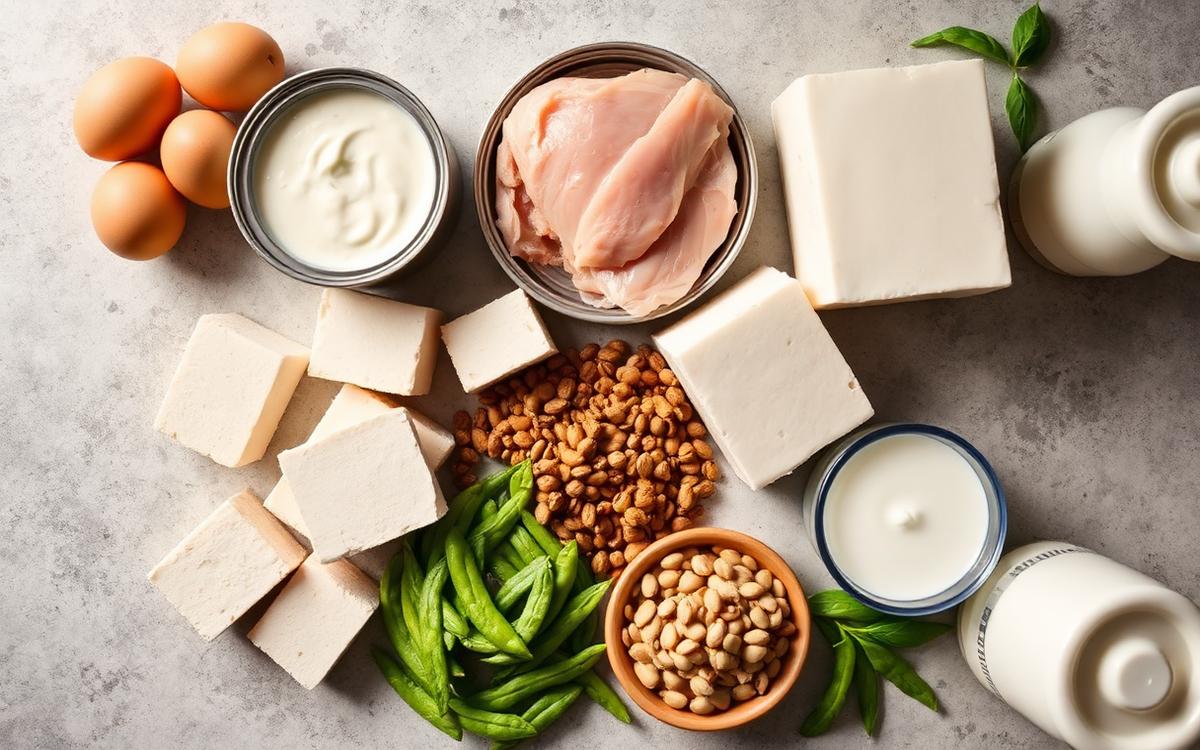
The building blocks are unglamorous: eggs, Greek yogurt, cottage cheese, milk, tinned fish, chicken, lean mince, tofu, lentils and beans.
The only real skill is knowing roughly how many grams a portion carries, which takes about a week to learn.
Know your numbers first
These are the approximate protein values that make planning possible. Learn ten of them and you never need an app again.
- Large egg: 6g
- Greek yogurt, 200g pot: 20g
- Cottage cheese, 100g: 12g
- Milk, 250ml: 8g
- Cheddar, 30g: 7g
- Chicken breast, 100g cooked: 30g
- Tinned tuna, one 100g tin drained: 25g
- Salmon fillet, 100g cooked: 25g
- Lean beef mince, 100g cooked: 26g
- Firm tofu, 100g: 15g
- Cooked lentils, 100g: 9g
- Baked beans, half a tin: 10g
- Peanut butter, two tablespoons: 7g
- Edamame, 100g: 11g
A sample 100 gram day
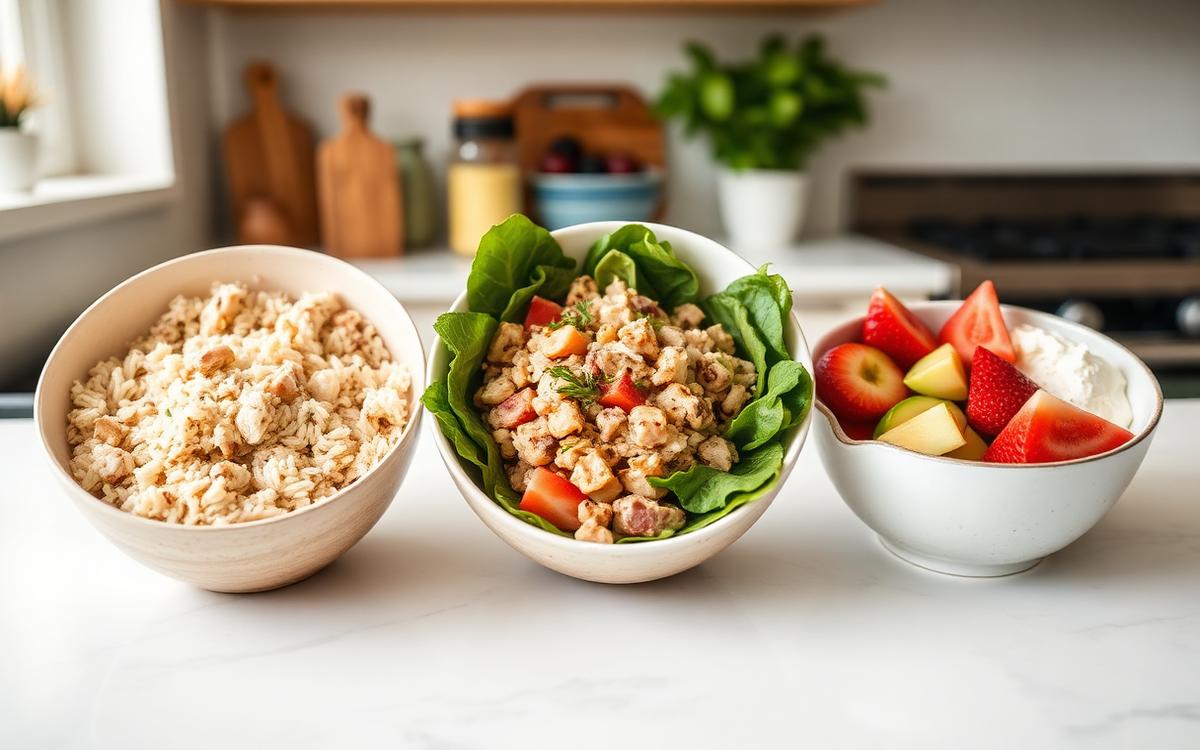
Here is one ordinary day that lands slightly over target without anything unusual on the shopping list.
- Breakfast: three scrambled eggs (18g) with a 200g pot of Greek yogurt and berries (20g). Running total 38g.
- Lunch: tuna salad using one tin (25g) with a slice of wholegrain bread (4g). Running total 67g.
- Snack: 100g cottage cheese with fruit (12g). Running total 79g.
- Dinner: 120g cooked chicken thigh (30g) with lentils and vegetables (6g). Total 115g.
That day includes fiber, vegetables and fruit, which a shake-heavy plan often skips.
A vegetarian and vegan version
It takes more deliberate stacking, but 100 grams from plants is very achievable.
- Breakfast: porridge made with 300ml fortified soy milk (10g) plus a spoon of peanut butter (7g) and soy yogurt (8g). Total 25g.
- Lunch: a large bowl of lentil dhal (18g) with wholemeal flatbread (6g). Running total 49g.
- Snack: roasted edamame (11g) and a handful of almonds (6g). Running total 66g.
- Dinner: 200g firm tofu stir fry (30g) with quinoa (6g). Total 102g.
Soy foods do most of the heavy lifting because they are the most protein dense plant options and carry a complete amino acid profile.
Six habits that make it repeatable
- Anchor every meal. Decide the protein first, then build the rest of the plate around it.
- Keep three no-cook options in the house. Boiled eggs, Greek yogurt and tinned fish rescue any day that goes sideways.
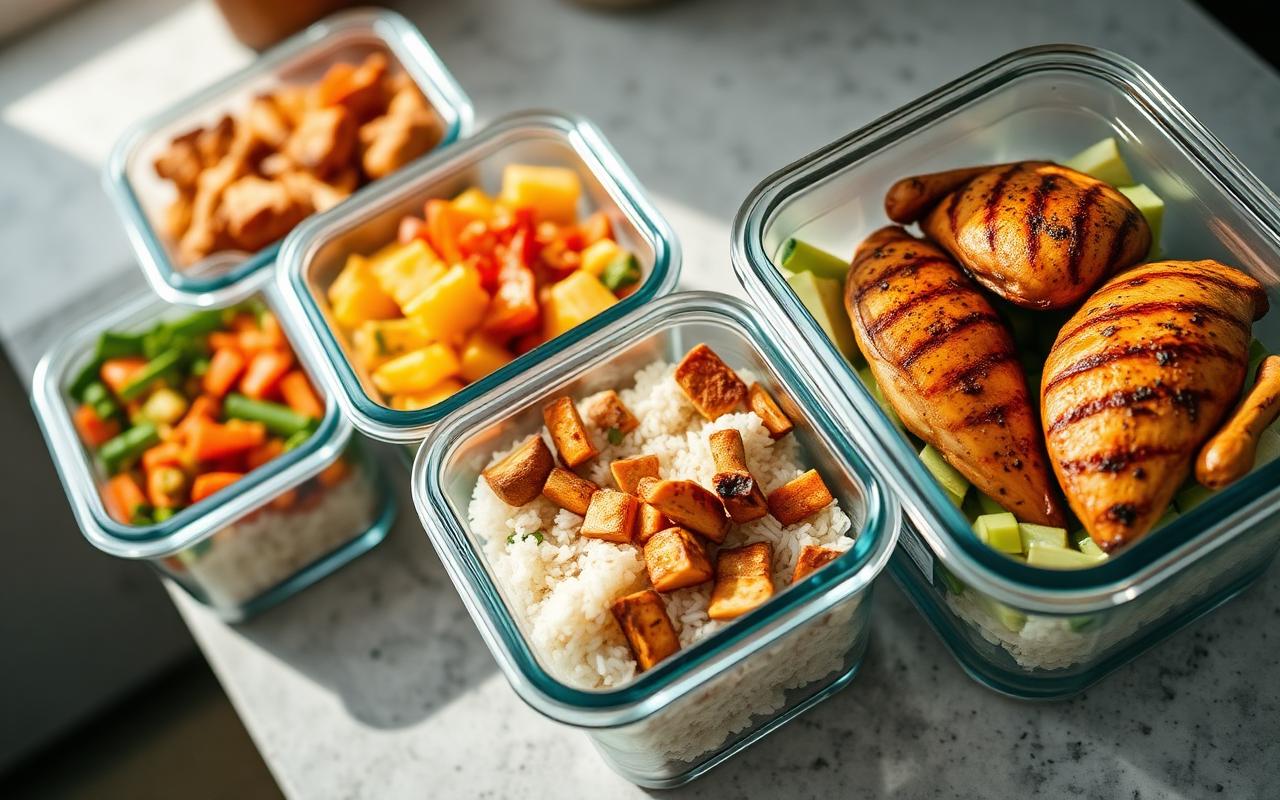
- Batch cook one protein a week. A tray of chicken thighs or a pot of lentils covers four lunches.
- Upgrade the base of dishes. Add red lentils to bolognese, beans to soup, and Greek yogurt instead of cream.
- Use dairy as a tool. Milk in coffee, yogurt in sauces, cheese on vegetables. Small amounts add up to 15 grams a day.
- Front load. If you reach 60 grams by lunchtime, dinner never has to be heroic.
Budget matters
Protein does not have to be expensive. The cheapest sources per gram are eggs, milk, dried lentils and beans, tinned mackerel and sardines, chicken thighs and frozen white fish. The most expensive are steak, prepared protein snacks and anything marketed as a fitness product.
Buying whole chickens and jointing them, using frozen fish, and treating beans as a main ingredient rather than a side will cut a protein-focused shopping bill substantially.
Why skip shakes at all?
There is nothing wrong with protein powder. It is convenient and cost effective. But whole foods bring things powder does not: fiber, micronutrients, chewing and satiety, and a slower digestion curve that keeps you full for longer.
Some people also find that shakes replace meals rather than supplementing them, so total nutrition quality drops even though protein rises. If you get to 100 grams from food, powder becomes an optional convenience rather than a crutch.
Mistakes that leave people short
- Treating a salad as a meal. Leaves and dressing rarely clear 8 grams.
- Overestimating nut protein. Nuts are a fat source that happens to contain some protein.
- Using thin yogurt. Unstrained natural yogurt has roughly half the protein of Greek style.
- Cooking one portion at a time. The effort cost is what breaks consistency by Wednesday.
- Forgetting the snack. That last 10 to 15 grams is what turns 85 into 100.
Ten no-cook protein rescues
Every plan meets a day with no time. These need no pan, no oven and under two minutes.
- Two boiled eggs from the fridge, 12 grams.
- A large pot of Greek yogurt, 20 grams.
- A tin of tuna or mackerel eaten straight with pepper and lemon, 20 to 25 grams.
- Cottage cheese with fruit, 12 to 15 grams.
- A glass of milk, 8 grams.
- Roasted edamame, 11 grams a handful.
- Sliced cheese and wholegrain crackers, around 10 grams.
- A tin of baked beans, 20 grams cold or warm.
- Kefir, around 8 grams a glass with the gut benefit as a bonus.
- Smoked salmon, 18 grams in a 100g pack.
Building a week that runs itself
Pick two breakfasts, two lunches and three dinners and repeat them. Variety sounds appealing on Sunday and becomes a burden by Wednesday, and the plans that survive are always the boring ones.
Spend forty minutes once a week on three tasks: boil a batch of eggs, cook a tray of chicken thighs or a pot of lentils, and portion yogurt or cottage cheese into small containers. Everything else is assembly.
Then check yourself once a month with a single tracked day. Portion sizes drift downward over time without anyone noticing, and one honest day of counting brings the average back where it should be.
The bottom line
Three meals of about 30 grams plus one 10 to 15 gram snack gets you to 100 grams every time. Learn ten portion sizes, keep boiled eggs, yogurt and tinned fish in the house, and batch cook one protein a week.
No powder, no shaker, no fitness marketing. Just a shopping list that includes protein at every meal.