Quick Answer
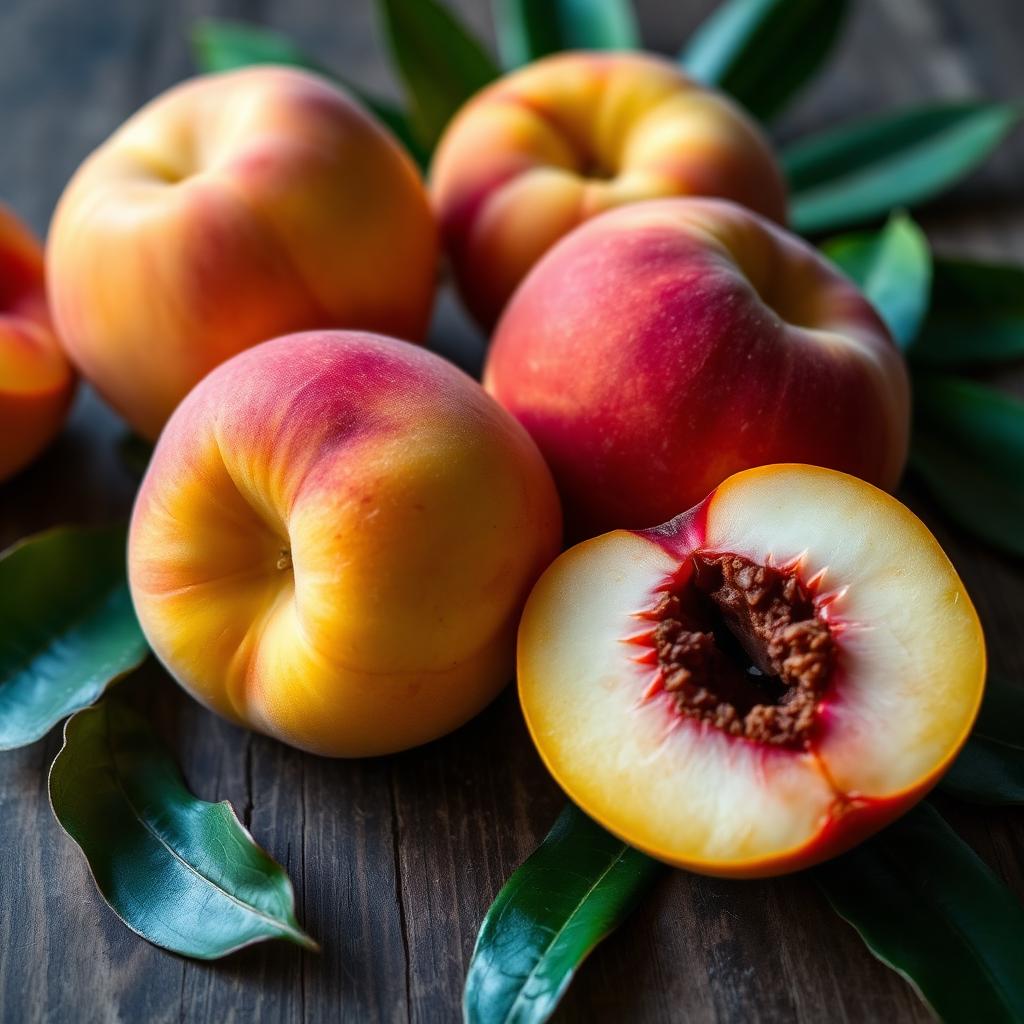
A medium raw peach (about 147 grams, the size of a tennis ball) delivers roughly 58 calories, 14 grams of carbs, 2 grams of fiber, 1 gram of protein, and almost no fat. It also covers about 11 percent of the daily value for vitamin C and supplies useful amounts of potassium, vitamin A precursors, and antioxidant polyphenols.
Eat the skin. The skin holds the bulk of the fiber and the highest concentration of chlorogenic acid, the polyphenol linked to lower oxidative stress in human studies.
Canned peaches in heavy syrup are not the same food. A half cup can double the sugar load while halving the vitamin C.
Full nutrition panel for one medium raw peach
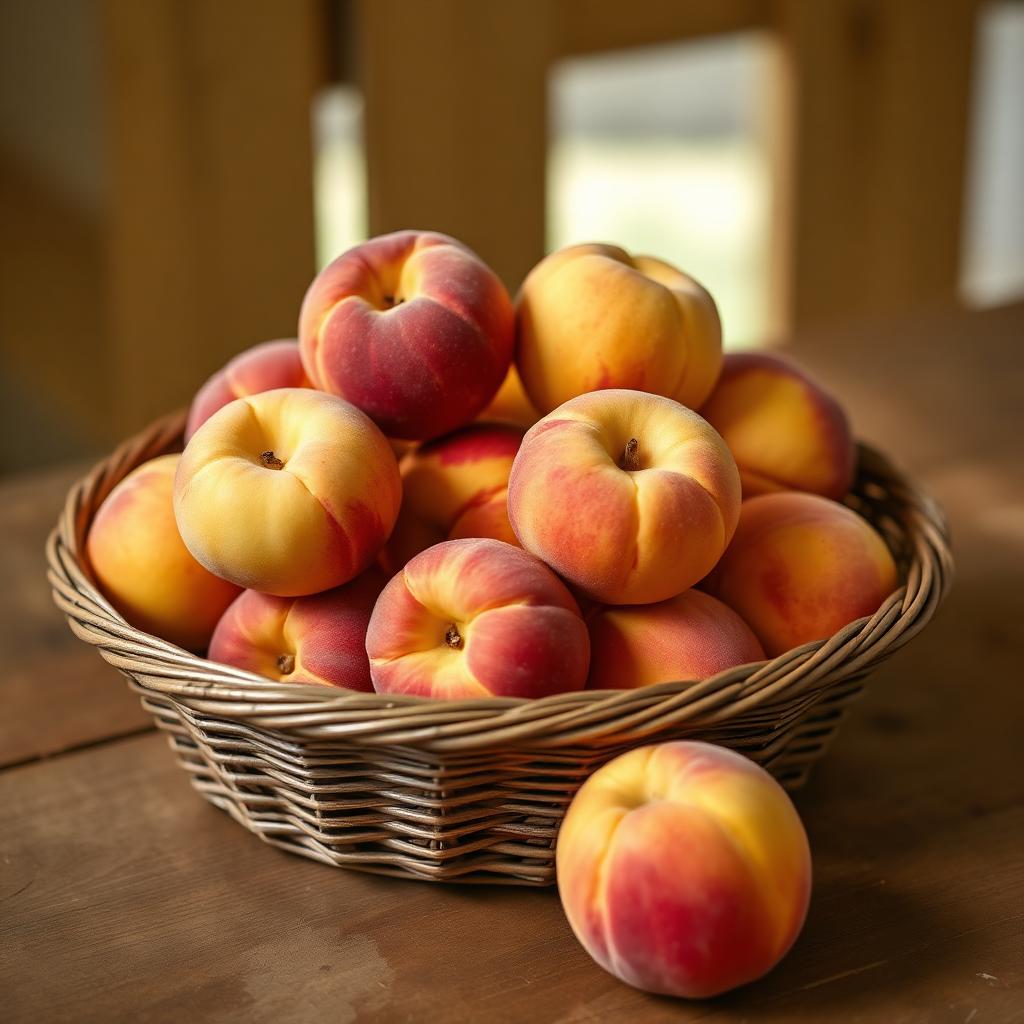
Values below are from the USDA FoodData Central reference entry for raw peaches and scaled to a 147 gram medium fruit. Daily values use the FDA 2,000 calorie reference.
| Nutrient | Amount | % Daily Value |
|---|---|---|
| Calories | 58 kcal | 3% |
| Total carbohydrate | 14 g | 5% |
| Dietary fiber | 2.3 g | 8% |
| Total sugars | 12 g | n/a |
| Protein | 1.4 g | 3% |
| Total fat | 0.4 g | 1% |
| Vitamin C | 9.9 mg | 11% |
| Vitamin A (RAE) | 24 mcg | 3% |
| Potassium | 285 mg | 6% |
| Magnesium | 13 mg | 3% |
The skin matters more than you think
Roughly one third of a peach's total fiber and the lion's share of its polyphenols sit in the fuzzy skin. Peel a peach and you cut the fiber to around 1.4 grams and lose most of the chlorogenic and neochlorogenic acids that USDA researchers have measured at concentrations of 30 to 100 milligrams per 100 grams of fresh fruit.
A quick rinse under cold water and a gentle rub with a clean towel is enough to remove surface residue. If you are buying conventional peaches and want to lower pesticide exposure, the Environmental Working Group lists peaches in its annual "Dirty Dozen" most years, so an organic option is reasonable when budget allows.
How ripeness changes the sugar profile
A fresh, just barely soft peach contains a mix of sucrose, glucose, and fructose, with sucrose dominating. As the fruit ripens further on the counter, more sucrose converts into free glucose and fructose. The total sugar mass barely moves, but the perceived sweetness climbs and the glycemic response can edge slightly higher.
For most people this is irrelevant. For anyone tracking blood glucose, a slightly firm peach paired with a small handful of nuts or a spoon of Greek yogurt blunts the rise effectively.
Fresh vs canned vs frozen
The processing format changes the numbers more than the variety does.
- Fresh raw peach (1 medium). 58 calories, 12 g sugar, 10 mg vitamin C.
- Frozen unsweetened peach slices (1 cup, 154 g). About 60 calories, 14 g sugar, similar vitamin C, fiber intact.
- Canned peaches in juice (half cup, 124 g). About 55 calories, 11 g sugar, 4 mg vitamin C (heat processing cuts it).
- Canned peaches in heavy syrup (half cup, 131 g). About 95 calories, 23 g sugar, 4 mg vitamin C.
If you buy canned, "in juice" or "no sugar added" is the cleaner pick. Drain and rinse to drop a few more grams of sugar.
Health benefits backed by published research
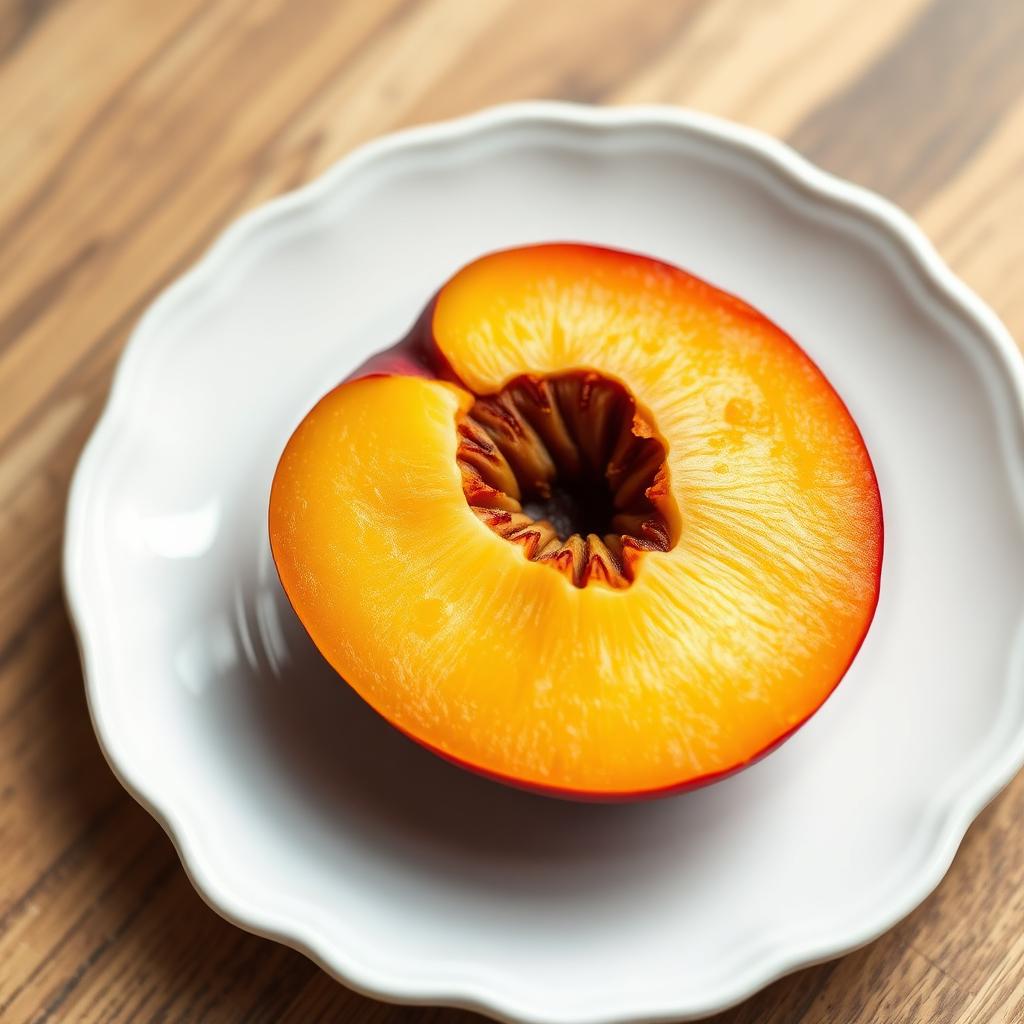
- Antioxidant load. A 2018 review in Food Chemistry showed that peach polyphenols, especially chlorogenic acid, scavenge free radicals at levels comparable to plums and apples.
- Gut transit. The mix of soluble and insoluble fiber supports regular bowel motility. Two medium peaches provide roughly 4.6 g of fiber, about 16 percent of the daily target.
- Skin and immune function. Vitamin C is a required cofactor for endogenous collagen synthesis and supports white blood cell activity. One peach covers about a tenth of the daily target.
- Blood pressure support. The 285 mg of potassium per peach contributes to the DASH dietary pattern, which the National Heart, Lung, and Blood Institute links to lower systolic blood pressure.
Who should eat peaches with caution
Peaches are part of the rosaceae family and share allergenic proteins with apples, cherries, and almonds. People with oral allergy syndrome to birch pollen sometimes get itchy lips or throat after raw peach. Cooked or canned peaches usually do not trigger the same reaction because heat denatures the protein.
The pit, leaves, and stem contain amygdalin, which the body can metabolize into hydrogen cyanide. The flesh you eat is completely safe. Do not chew or grind the pit.
FAQs
How many calories are in a large peach?
A large peach (about 175 g) is roughly 68 calories with 3 g of fiber.
Are peaches good for weight loss?
Yes. The combination of water (about 88 percent by weight), fiber, and a low calorie density makes peaches a strong swap for processed snacks.
Do peaches raise blood sugar?
The glycemic index of a fresh peach is around 42, which is classed as low. The glycemic load of one medium peach is about 5, also low.
Are white peaches lower in sugar than yellow peaches?
Slightly. White peach varieties typically test about 1 to 2 grams lower in total sugar per medium fruit and are less acidic, which makes the sweetness more obvious on the palate.
The takeaway
One medium peach is a nutritionally efficient snack: 58 calories, 2 grams of fiber, a meaningful hit of vitamin C, and a polyphenol profile that earns its place in any whole food eating plan. Eat the skin, pick fresh or frozen when you can, and treat heavy syrup canned peaches as a dessert rather than a serving of fruit.