Quick Answer
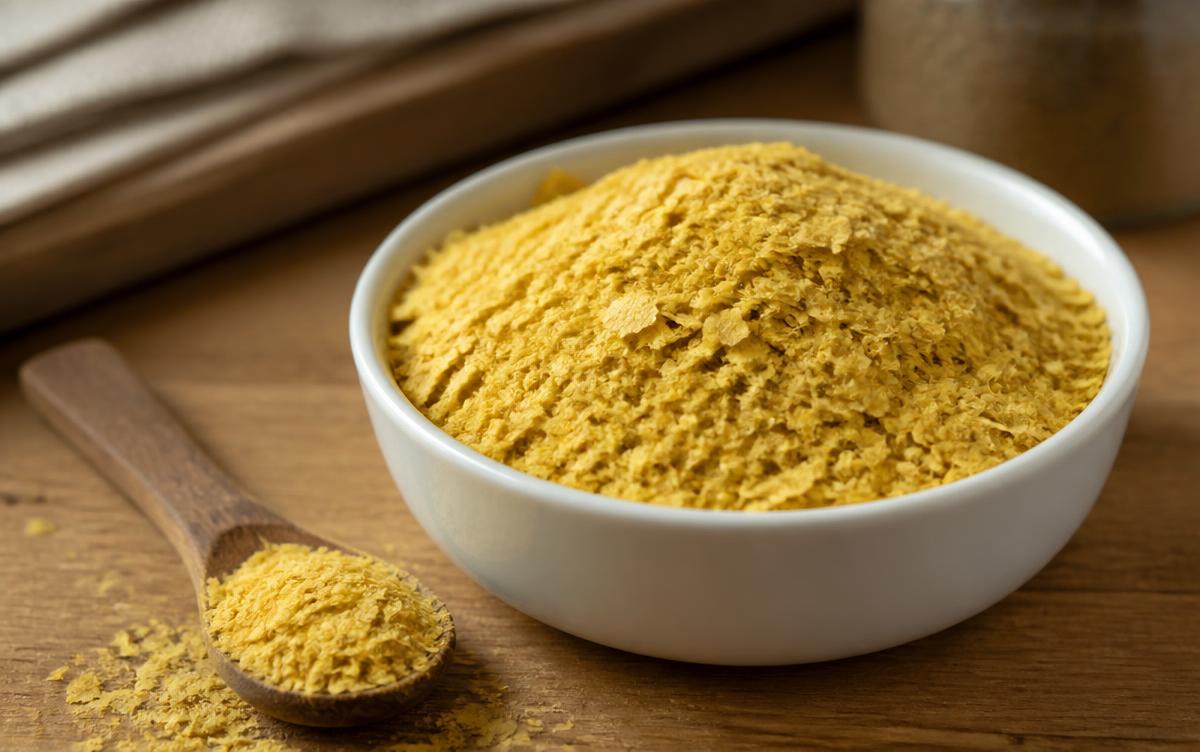
Nutritional yeast is a deactivated strain of Saccharomyces cerevisiae, the same species used in bread and beer, grown on a sugar rich medium, then heated, dried and sold as golden flakes or powder.
Because the yeast is dead, it will not raise dough or ferment anything. It exists purely as a seasoning, and it tastes savoury, nutty and faintly cheesy.
Two tablespoons supply roughly 40 to 60 calories, 5 to 8 grams of complete protein, 3 to 4 grams of fibre and almost no fat or sodium. Fortified versions also carry large amounts of B vitamins, including B12.
What nutritional yeast actually is
Yeast is a single celled fungus. The strain behind nutritional yeast, Saccharomyces cerevisiae, has been domesticated for thousands of years for bread and alcohol, and the food industry grows the same species specifically to eat as a seasoning.
The difference between the three familiar yeast products is what happens after growth. Baker's yeast is kept alive so it can produce carbon dioxide in dough. Brewer's yeast is a by product of beer making and carries a bitter hop note. Nutritional yeast is grown deliberately for flavour, then deactivated with heat so nothing living remains.
That deactivation matters. A dead yeast cell cannot colonise your gut, cannot ferment sugar in a jar and cannot make bread rise. What survives the process is the cell content: protein, fibre from the cell wall, glutamate compounds that give the savoury taste and whatever vitamins were either produced during growth or sprayed on afterwards.
How it is made
Producers start with a sterile medium, usually cane or beet molasses diluted with water and topped up with nitrogen and mineral salts. The yeast is pitched into large aerated tanks and grown for several days at a controlled temperature.
Once the culture reaches the target density, the slurry is washed, pasteurised and dried. Roller drying produces the familiar flakes. Spray drying produces a finer powder that dissolves more readily into sauces but feels less satisfying sprinkled on food.
Colour comes from the yeast itself and from any added B vitamins, which are naturally yellow. A deeply golden product is not necessarily fresher or better, it is often simply more heavily fortified.
The nutrition numbers
Figures vary between brands because serving sizes range from one tablespoon to a quarter cup, so always check the panel rather than trusting a general figure. For a typical two tablespoon serving of flakes, around 10 grams, expect the following.
- Calories: roughly 40 to 60
- Protein: 5 to 8 grams, containing all nine essential amino acids
- Fibre: 3 to 4 grams, mostly beta glucan from the cell wall
- Fat: under 1 gram
- Sodium: usually under 30 milligrams unless salt is added
- B vitamins: often several hundred percent of the daily value in fortified versions
That protein density is genuinely useful. Few seasonings deliver a meaningful protein contribution, and nutritional yeast quietly adds several grams to a plate of pasta or a bowl of soup without changing the texture.
The fibre is worth noting too. Beta glucans in the yeast cell wall are the same broad family of fibres studied in oats and barley, although the amount you get from a seasoning portion is modest.
The B12 question
This is the single most misunderstood point about nutritional yeast. Yeast is a fungus, and fungi do not produce vitamin B12. Any B12 in the product was added deliberately during manufacture.
Fortified nutritional yeast can be an excellent B12 source, sometimes carrying well over the daily requirement in a single tablespoon. Unfortified nutritional yeast, often sold as natural or non fortified, contains essentially none.
If you follow a vegan diet and treat nutritional yeast as part of your B12 strategy, read the panel and confirm B12 is listed with a real figure. If it is absent, the product is a seasoning and nothing more, and you need another reliable source.
The same logic applies to folate, thiamin, riboflavin, niacin and B6. Some are produced by the yeast in small amounts, but the headline percentages on most tubs come from fortification.
What it tastes like and how to use it
The flavour is savoury and slightly nutty, with an umami quality that reminds many people of aged cheese. That comes from naturally occurring glutamates and nucleotides formed as the yeast grows, the same compounds that make mushrooms, tomatoes and parmesan taste deep rather than merely salty.
It is not a cheese substitute on its own. Sprinkled dry over plain rice it tastes thin. Combined with fat, salt and acid it becomes convincing, which is why almost every vegan cheese sauce recipe pairs it with cashews or oil, a little mustard and a squeeze of lemon.
Practical uses that work well:
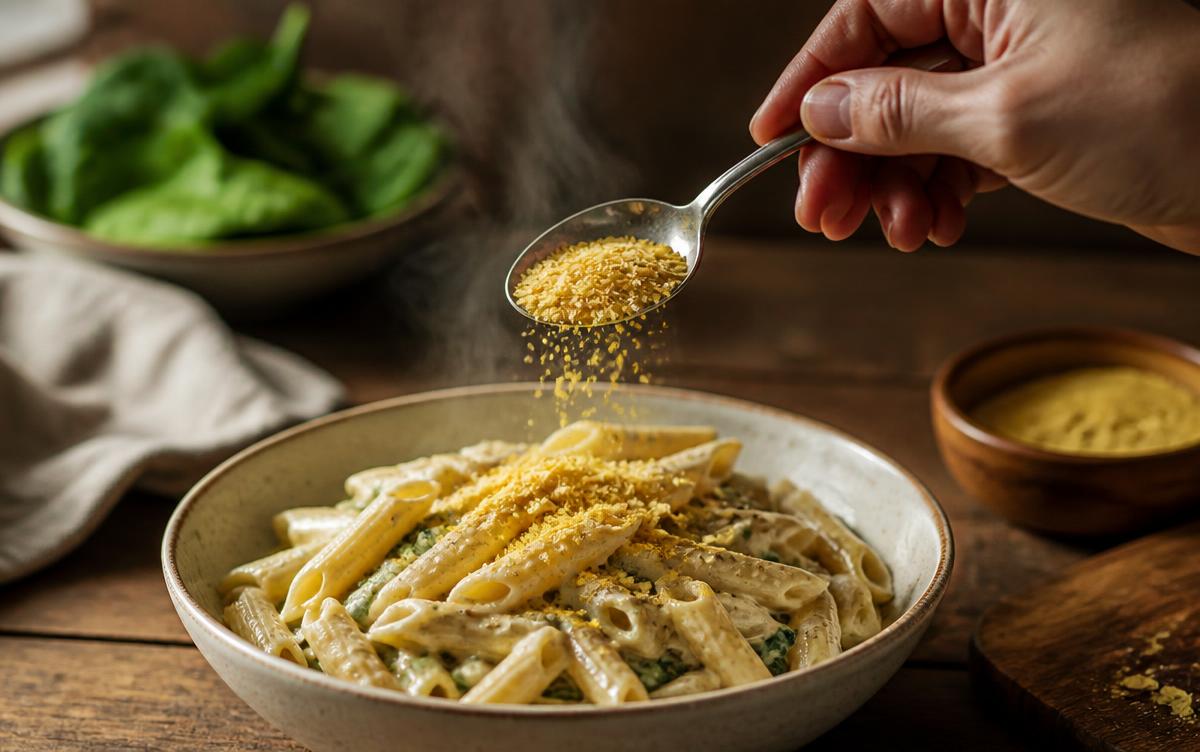
- Stirred into pasta sauce or risotto at the end of cooking
- Whisked into a roux with plant milk for a quick cheese style sauce
- Dusted over popcorn while it is still warm and lightly oiled
- Blended into soups for body and savoury depth
- Mixed into scrambled tofu, mashed potato or breadcrumb toppings
Add it late. Prolonged high heat dulls the flavour and can turn it slightly bitter, so treat it more like fresh herbs than like a base ingredient.
Nutritional yeast compared with the alternatives
Brewer's yeast is the closest relative and the most common confusion. It is recovered from brewing, tastes noticeably bitter and is usually sold as a supplement rather than a seasoning. Torula yeast, grown on wood sugars, is used as a savoury flavouring in processed foods and has a smokier profile.
Yeast extract, sold under various trade names, is a concentrated paste made by breaking open yeast cells. It is far saltier and much stronger per gram, so it is not interchangeable spoon for spoon.
Against parmesan, nutritional yeast wins on fibre and loses on calcium and on melting behaviour. It will never brown or stretch, because there is no casein in it.
Who should be careful
Most people tolerate nutritional yeast well. A few groups should think twice.
People with a diagnosed yeast allergy should avoid it, since the protein source is the yeast itself. Anyone taking a monoamine oxidase inhibitor should discuss it with a clinician because yeast products can contain tyramine. People with inflammatory bowel conditions sometimes report that yeast rich foods aggravate symptoms, although evidence there is mixed and individual.
Because it is naturally rich in purines, very large daily amounts are usually discouraged for people managing gout. A tablespoon or two on dinner is not the same thing as spoonfuls straight from the tub.
Finally, the fibre content is real. Going from none to a quarter cup a day can cause bloating for a week or so, so build up gradually.
Buying and storing it
Flakes are the default and the most versatile. Powder suits sauces and salad dressings. Large flakes look attractive but scatter more.
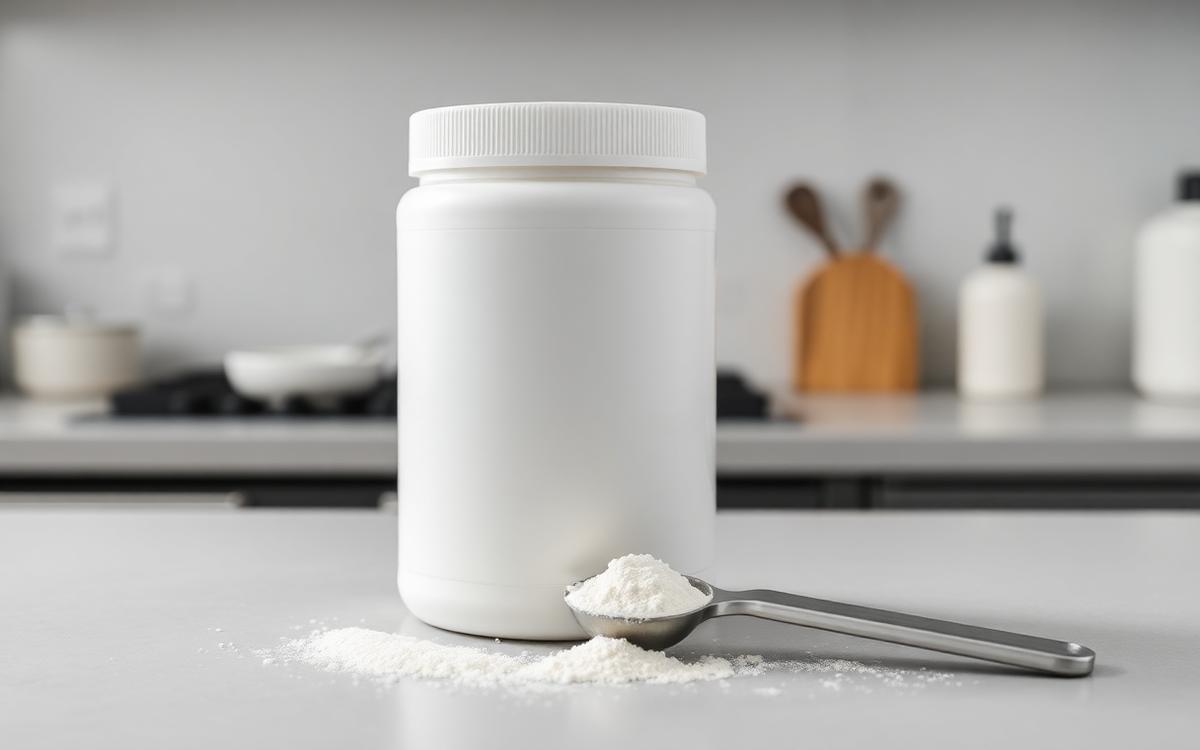
Light, heat and moisture are the enemies. Bought in bulk, transfer it to an airtight opaque container and keep it in a cool cupboard rather than above the hob. Stored properly it holds flavour for one to two years, and fortified vitamins degrade slowly rather than vanishing overnight.
If the flakes smell stale, taste flat or have clumped into damp lumps, replace them. There is no rescuing oxidised yeast, and a fresh tub costs little.
The bottom line
Nutritional yeast is a deactivated food yeast that behaves like a seasoning and reads like a supplement on the label. It adds savoury depth, a few grams of complete protein and useful fibre, and when fortified it can carry a serious dose of B vitamins including B12.
Treat it as flavour first and nutrition second, read the panel to see whether your tub is fortified, and add it near the end of cooking so the taste survives.