Quick Answer
Liquid makna is a concentrated extract or emulsion made from one of two traditional South Asian staples: makhana (fox nut, Euryale ferox) or makhan (cultured white butter). Brands suspend the active components in water, oil, or glycerine so the body absorbs them faster than the whole food.
You will most often see it sold as a functional wellness shot, a culinary fat for finishing dishes, or an additive inside electrolyte and recovery drinks.
The format is new, the source ingredients are centuries old, and quality varies widely between brands.
Where the name comes from
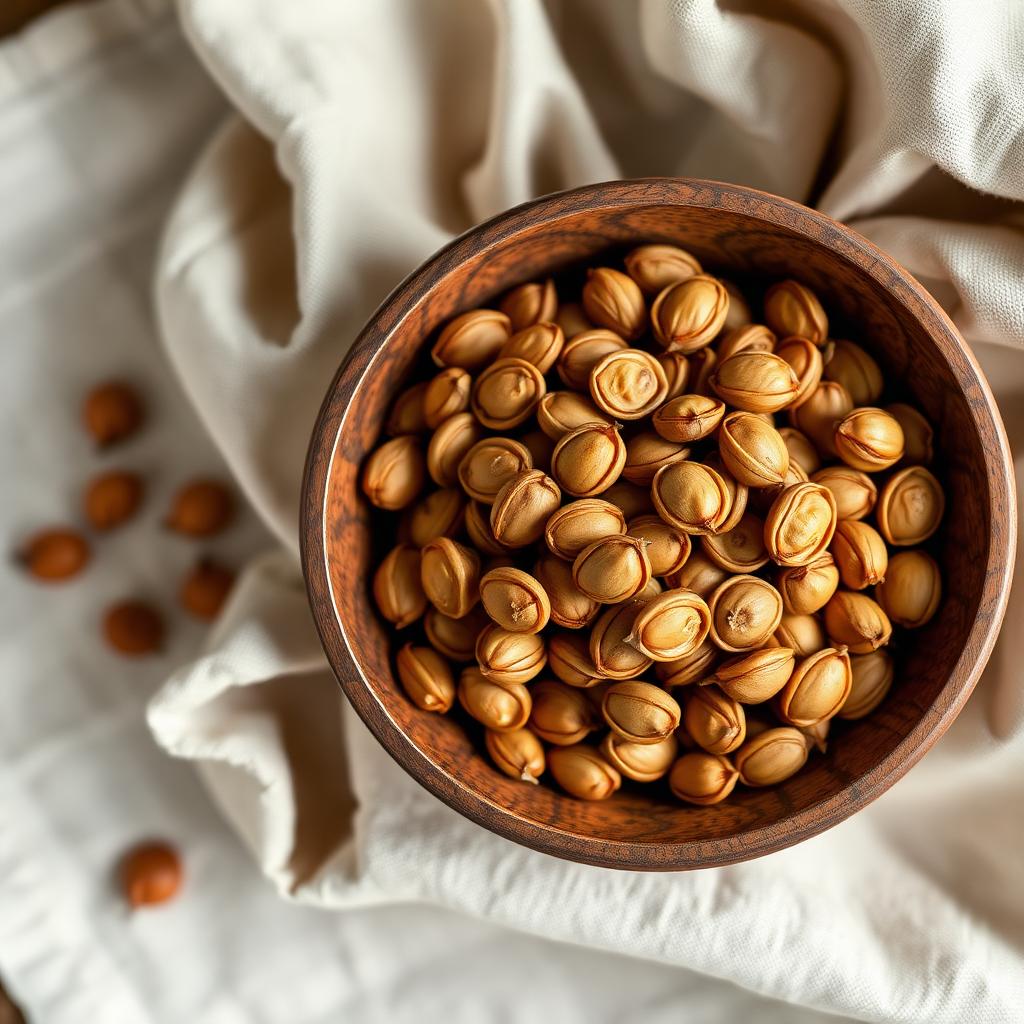
The word makna sits at the intersection of two related but distinct traditions. In northern and eastern India, makhana refers to puffed fox nut seeds harvested from aquatic Euryale ferox plants, mainly in Bihar. In Ayurvedic and Punjabi cooking, makhan refers to fresh, unsalted white butter churned from cultured cream.
When modern brands market a "liquid makna" product, they are typically borrowing the linguistic prestige of both. Some lean fox nut, some lean butter, and a few blend the two into a single hybrid SKU.
The nutritional starting point
To understand why anyone would bother liquefying it, look at what the raw materials offer per 100 g dry weight.
- Around 9.7 g of plant protein with a complete amino acid profile.
- Roughly 210 mg of magnesium, plus useful potassium and phosphorus.
- Very low glycaemic load, with most carbohydrates as resistant starch.
- Polyphenols including epicatechin and gallic acid that act as antioxidants.
A liquid format concentrates a slice of those benefits into a teaspoon sized dose, which is the entire commercial pitch.
How brands actually produce it
Reputable manufacturers follow a four step path from raw harvest to bottled product.
- Harvest and clean. Fox nut seeds are dredged from shallow ponds, sun dried, then mechanically dehulled.
- Extract. Steam distillation or low temperature ethanol washes pull the soluble polyphenols and proteins into a base liquid.
- Filter and concentrate. Centrifugal filtration removes solids; vacuum evaporation reduces the volume without cooking off active compounds.
- Stabilise. A small amount of food grade glycerine or vegetable oil keeps the emulsion shelf stable for 12 to 18 months.
Skipping or rushing the filtration stage is where most cheap products fail. You can tell by the cloudy sediment that settles at the bottom of the bottle within a week of opening.
Three real use cases
The liquid format makes sense in specific situations rather than as a universal upgrade.
Functional wellness shots
A 15 ml dose first thing in the morning delivers the polyphenol load of roughly 30 g of dry fox nut, without the chewing and bulk. People take it for the antioxidant content, not for protein.
Premium culinary finishing
Liquid makhan style emulsions give chefs the mouthfeel of cultured butter with the stability of a sauce. Drizzled over dal, paratha, or roasted vegetables, it adds short chain fatty acids (mainly butyric acid) without splitting under heat.
Sports and recovery drinks
The natural magnesium to sodium ratio fits well into clean label electrolyte formulas. Smaller indie sports drink brands now use a few millilitres per serving instead of synthetic magnesium citrate.
How to read the label
If you are buying liquid makna at retail, a quick label check will rule out most low quality options.
| Look for | Why it matters |
|---|---|
| Specific source plant (Euryale ferox) | Confirms it is real fox nut, not generic "water lily extract". |
| Extraction method named | Steam distilled or cold pressed is preferable to undefined "natural process". |
| Mg of polyphenols per serving | Real concentrates list this. Marketing led products do not. |
| Single digit ingredient list | Long lists usually mean dilution with cheaper fillers. |
Safety and side effects
For most healthy adults, a daily 10 to 20 ml dose is well tolerated. A few groups should be more careful.
- Diabetics on medication: the resistant starch fraction can lower post meal glucose. Track readings for the first two weeks.
- People with kidney issues: the magnesium load matters. Talk to your doctor before adding a daily shot.
- IBS sufferers: concentrated polyphenols sometimes trigger bloating in the first few days.
None of these are dealbreakers, but they are reasons to start with half a dose and build up.
What to expect from a quality bottle
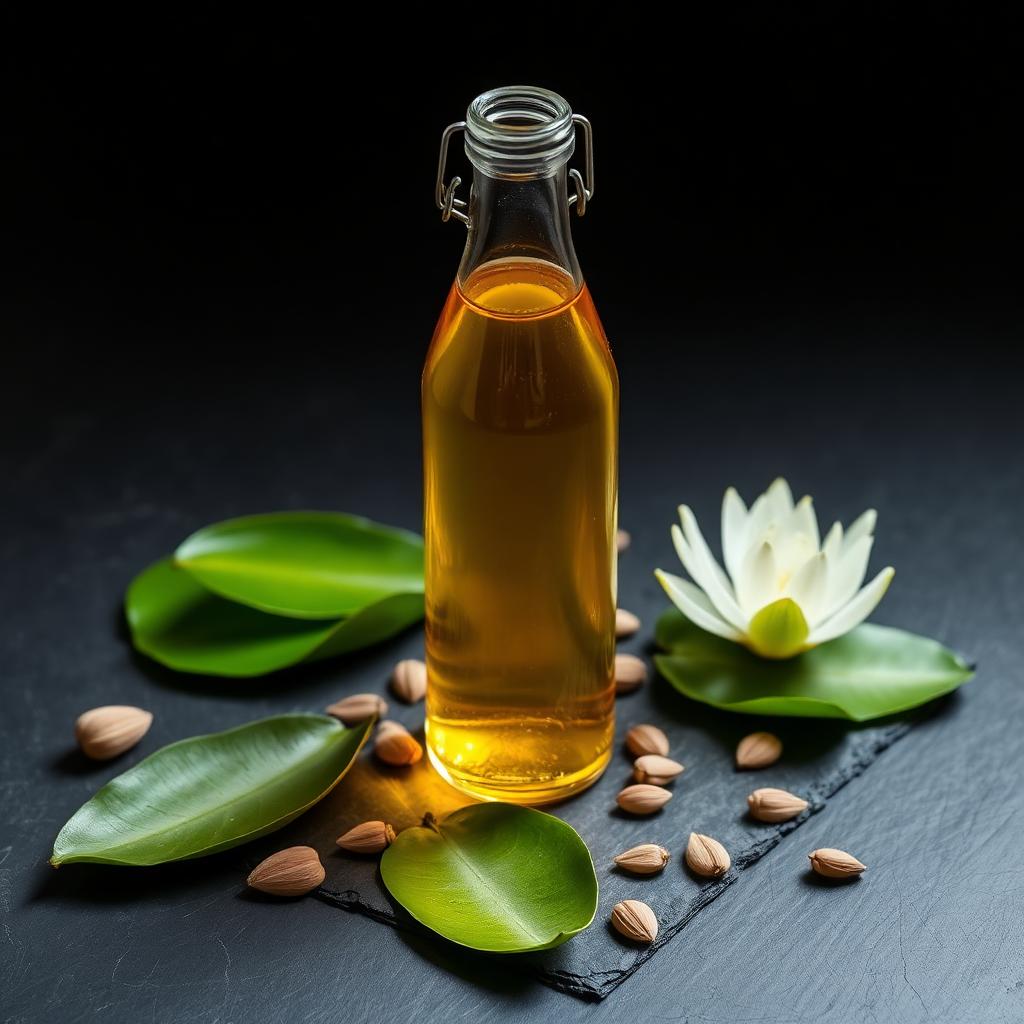
A well made liquid makna should pour clear amber to light gold, smell faintly nutty or grassy, and leave a barely sweet aftertaste. Anything murky, sour, or strongly bitter usually means oxidation has set in or the base raw material was old before extraction.
Bottom line
Liquid makna is a modern delivery format for two very old foods. It is not a miracle elixir, but a clean, well filtered bottle from a reputable producer is a legitimate way to get a concentrated polyphenol or healthy fat hit without overhauling your diet. Pay attention to the source plant, the extraction method, and the ingredient list. Skip anything that hides behind vague wellness language.
Frequently asked questions
Is liquid makna the same as fox nut powder dissolved in water?
No. Powder is the whole ground seed; liquid makna is a filtered extract concentrating only specific compounds.
Can I make it at home?
You can simmer fox nuts and strain the liquid for a tea, but you cannot replicate a stabilised commercial emulsion without proper equipment.
How much should I take per day?
Most brands recommend 10 to 20 ml. Start at the lower end for the first week.
Does liquid makna need refrigeration?
Sealed bottles do not, but refrigerate after opening to slow oxidation and extend the useful life past 30 days.