Quick Answer
Preservatives stop food spoiling. They work in two broad ways: antimicrobials prevent bacteria, yeasts and moulds from growing, and antioxidants stop fats going rancid and cut surfaces going brown.
Most are ordinary chemistry rather than exotic additives. Salt, sugar, vinegar, smoke and citric acid are preservatives, and so are the numbered compounds people worry about, such as sorbates, benzoates and nitrites.
Every approved preservative has been through a safety assessment and carries permitted use limits by food category. The genuine concerns are narrow and specific rather than general.
The two jobs preservatives do
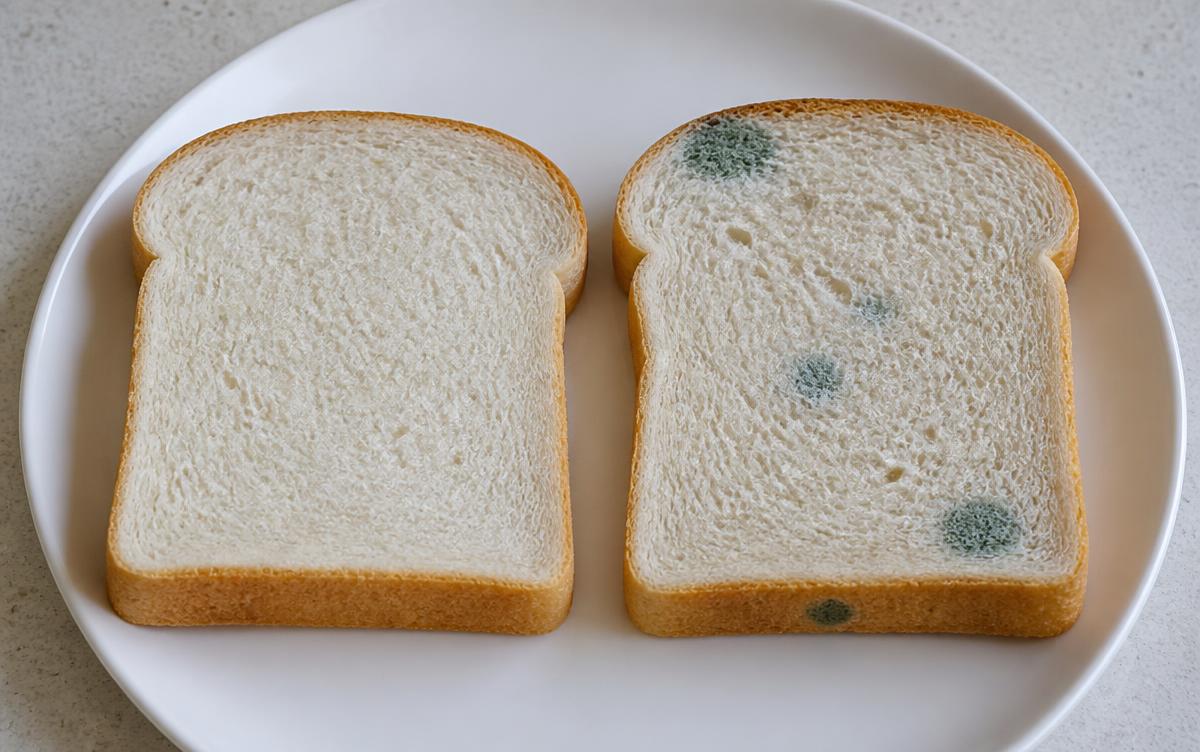
Microbial spoilage is the first and older problem. Bacteria, yeasts and moulds need water, warmth and nutrients, and packaged food supplies all three. Antimicrobial preservatives make the environment hostile, usually by lowering pH or by interfering with the microbe's metabolism.
Oxidation is the second. Fats react with oxygen to produce the stale, cardboard flavour of rancid oil, and cut fruit browns because enzymes react with air. Antioxidant preservatives intercept those reactions.
A third category, sometimes grouped in, are chelating agents that bind trace metals which would otherwise catalyse oxidation. They are usually declared alongside the antioxidants.
The common ones and what they do
- Sorbic acid and potassium sorbate: broad mould and yeast inhibitors used in bread, cheese and drinks
- Benzoic acid and sodium benzoate: effective in acidic products such as soft drinks and pickles
- Propionates: the standard mould inhibitor in packaged bread
- Sulphites: prevent browning and microbial growth in dried fruit and wine
- Nitrites and nitrates: cure meat, fix the pink colour and, critically, suppress the bacterium responsible for botulism
- Ascorbic acid, tocopherols and rosemary extract: antioxidants that slow rancidity
- BHA and BHT: synthetic antioxidants used in fats and cereals
Vitamin C and vitamin E appear on that list under their chemical names, which is a useful reminder that the terminology sounds more industrial than the substances often are.
The safety picture, honestly
Approval is not a blanket endorsement, and a few preservatives carry real caveats worth knowing.
Sulphites can trigger asthma symptoms in a minority of sensitive people, which is why they must be declared as an allergen above 10 parts per million in Europe and the United Kingdom.
Nitrites in cured meat can form nitrosamines under high heat, and processed meat is classified by the International Agency for Research on Cancer as carcinogenic to humans, largely on the basis of colorectal cancer evidence. The relevant advice concerns how much processed meat you eat rather than avoiding a specific additive.
Benzoates combined with ascorbic acid in acidic drinks can form trace benzene over time in poor storage conditions, which is why formulations and storage guidance changed after the issue surfaced.
For most other approved preservatives, intake at normal dietary levels sits far below the acceptable daily intake established by regulators.
What happens without them
It is easy to forget what preservatives replaced. Food poisoning, spoilage and waste were routine, and botulism from improperly cured meat was a genuine killer.
Shelf life also has an environmental dimension. Roughly a third of food produced globally is wasted, and a meaningful share of household waste is spoilage. A bread that lasts five days rather than two gets eaten rather than binned.
Preservative free products are not automatically safer. They spoil faster, and eating spoiled food is a far more concrete risk than any approved additive.
Natural preservation is still preservation
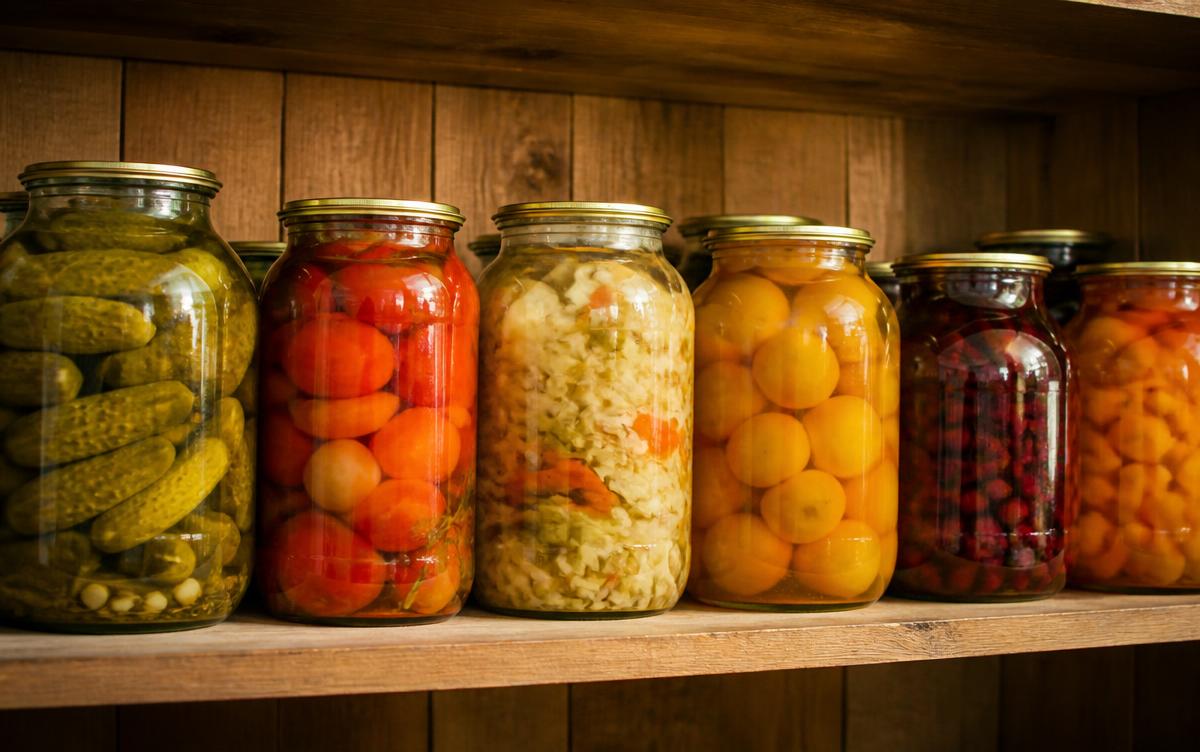
Salting, sugaring, smoking, drying, fermenting and pickling all work by the same underlying principles: reducing available water, lowering pH or adding antimicrobial compounds.
Celery powder, frequently used in products marketed as uncured, is a naturally nitrate rich ingredient that converts to nitrite during processing. Chemically the outcome is close to identical to added nitrite, which is why labelling rules in several countries have tightened around the word uncured.
Rosemary extract, cultured dextrose and vinegar are all genuine preservatives sold with a cleaner label image. They work, and they are not fundamentally different in kind from the numbered alternatives.
Reading the label sensibly
Preservatives appear in the ingredient list with a function then a name, such as preservative: potassium sorbate, or with an E number in Europe. E200 to E299 covers preservatives and E300 to E399 covers antioxidants and acidity regulators.
A long list is not automatically worse. A single ingredient that dominates the product, such as a high salt or high sugar content, usually affects health more than the sum of the additives listed after it.
If you want to reduce intake anyway, the effective move is category based rather than additive based: eat less processed meat, buy fresh or frozen produce rather than long life prepared meals, and cook a little more often.
Storage does half the work
Preservatives buy time, they do not stop biology. Refrigeration, sealed containers and keeping moisture out of dry goods extend life at least as much as any additive.
Freezing is the strongest domestic preservation method available and adds nothing to the food at all. Bread freezes particularly well and sidesteps the mould question entirely.
Once a pack is opened, the preservative system is usually working against a much higher microbial load, which is why after opening instructions are shorter than the printed date.
The bottom line
Preservatives block microbial growth and oxidation, and they are the reason packaged food is both safe and affordable. Most are well studied and used at levels far below their safety limits.
Focus your attention on the specific cases that carry evidence, mainly processed meat intake and sulphite sensitivity, and on the overall composition of the food rather than on the length of the additive list.
Frequently asked questions
Are preservative free products safer?
Not automatically. They spoil faster, and food poisoning from spoiled food is a more concrete risk than approved additives at normal intakes.
Is uncured bacon really nitrite free?
Usually not. Celery powder is naturally high in nitrate that converts to nitrite during processing, so the chemistry ends up close to the same.
Which preservatives should I actually watch?
Sulphites if you are asthmatic and sensitive to them, and nitrites in the broader context of how much processed meat you eat.
Do preservatives affect gut bacteria?
Some emulsifiers and additives are under active research for effects on the gut microbiome, but at typical dietary intakes the evidence is not yet settled.