Quick Answer
The most strongly supported benefits of cherries (especially tart Montmorency) are faster muscle recovery after hard exercise, modestly improved sleep duration, a meaningful reduction in gout flare risk, and small but consistent drops in blood pressure markers.
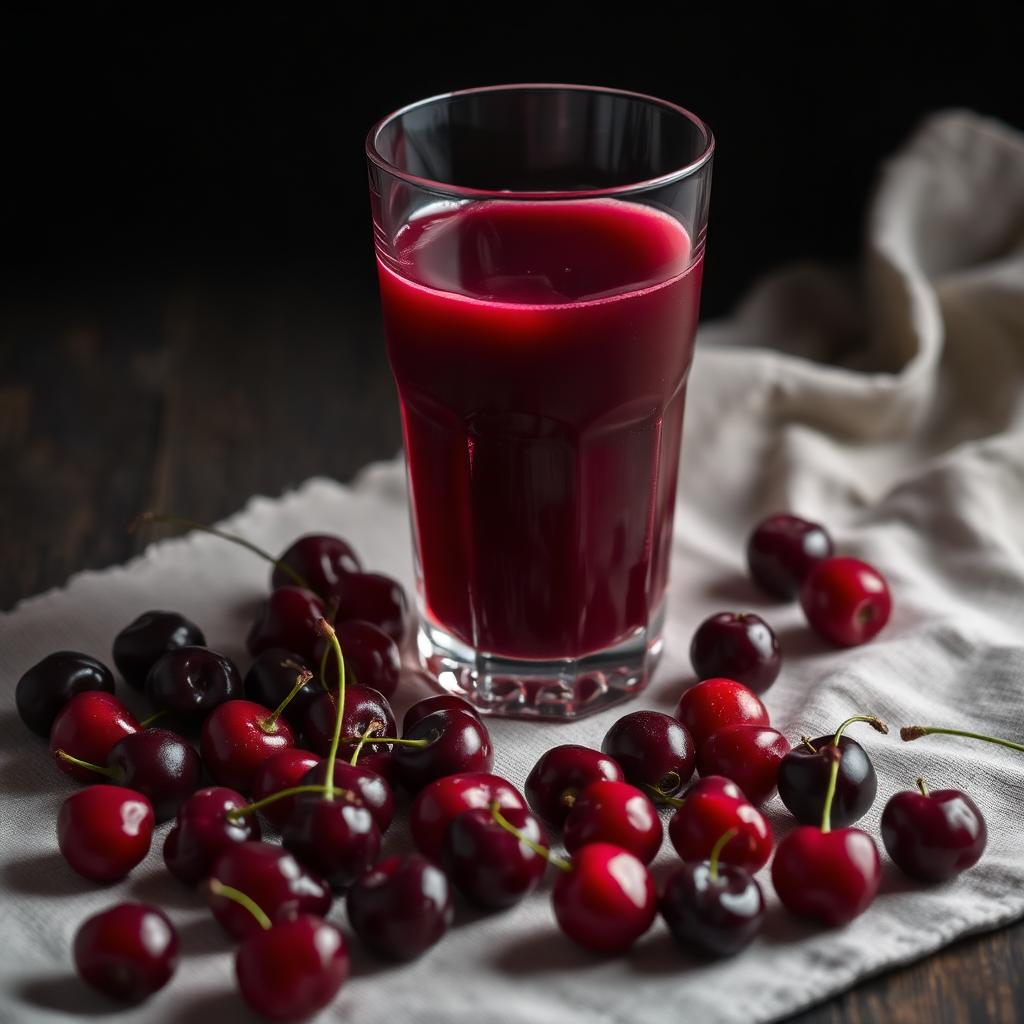
The active compounds doing the work are anthocyanins, hydroxycinnamic acids, melatonin, and potassium. Most of the recovery and sleep research uses tart cherry juice concentrate, typically 30 to 60 ml per day, equivalent to about 90 to 120 whole tart cherries.
Sweet cherries (Bing, Rainier) deliver similar antioxidants in lower concentrations and shine as an everyday fruit choice.
Anthocyanins: the engine of the benefit
Anthocyanins are the red and purple pigments responsible for cherries' color. They are flavonoids with strong free radical scavenging activity in vitro and emerging evidence for downstream effects on inflammation, endothelial function, and platelet aggregation.
Tart cherries carry 40 to 80 mg of anthocyanins per 100 g of fresh fruit, while sweet cherries carry 30 to 60 mg. The most abundant anthocyanin in tart cherries is cyanidin 3 glucoside, the same compound that drives the color of blackcurrants and red cabbage.
Exercise recovery and muscle soreness
This is the most consistently replicated benefit. A 2018 meta analysis in Nutrients pooled 14 randomized trials and found that tart cherry supplementation reduced muscle soreness, accelerated strength recovery, and lowered inflammatory markers (CRP, IL-6) after endurance and resistance exercise.
The typical study protocol used 480 ml of tart cherry juice per day, or 60 to 90 ml of concentrate, split into two doses for 4 to 5 days around training. Marathon runners, cyclists, and resistance trained adults all benefited.
Sleep duration and efficiency
Tart cherries are one of the few documented dietary sources of melatonin. A 2010 randomized crossover trial in the European Journal of Nutrition showed that adults drinking 30 ml of tart cherry concentrate twice daily gained roughly 25 minutes of sleep and improved sleep efficiency by 5 to 6 percent compared with placebo.
A 2018 trial in older adults with insomnia found similar effects on total sleep time and reduced wake after sleep onset. The effects are modest but real, particularly for adults whose sleep is currently fragmented.
Gout and uric acid
Gout is triggered by uric acid crystallization in joints. A 2012 case crossover study in Arthritis & Rheumatism tracked 633 gout patients and reported that cherry intake over a 2 day period was associated with a 35 percent lower risk of an attack. Combining cherries with allopurinol cut the risk by 75 percent.
The likely mechanism is two part: anthocyanins inhibit xanthine oxidase (the enzyme that makes uric acid), and the urinary excretion of uric acid appears to rise after cherry intake.
Blood pressure and cardiovascular markers
Multiple small trials have measured 4 to 7 mmHg reductions in systolic blood pressure after 4 to 12 weeks of daily tart cherry juice consumption in adults with elevated baseline pressure. A 2020 systematic review in the Journal of the American College of Nutrition concluded that the effect is modest but reproducible.
Cherries also support a healthy lipid profile, with LDL cholesterol falling roughly 5 to 10 mg/dL in several intervention studies.
Brain health and cognition
Animal research and early human studies suggest that anthocyanin rich fruits, including cherries, may slow age related cognitive decline. A 2019 trial in older adults found that 12 weeks of daily Montmorency cherry juice modestly improved verbal fluency and short term memory compared with a control beverage.
These results are encouraging but still small in scale, and cherries should be viewed as one input in a broader diet pattern that includes other anthocyanin rich produce.
Anti inflammatory effects beyond exercise
Chronic low grade inflammation is a feature of many age related conditions, including osteoarthritis. A 2013 pilot trial reported that 21 days of tart cherry juice consumption reduced knee pain and inflammatory markers in adults with mild to moderate osteoarthritis.
Larger trials are still needed, but the consistency of the anti inflammatory signal across different cherry studies is striking.
Practical ways to use cherries
- Recovery shot. 30 ml of tart cherry concentrate mixed with water, taken twice on training days.
- Sleep aid. 30 ml of tart cherry concentrate one hour before bed for 1 to 2 weeks.
- Daily fruit. One cup of fresh sweet cherries delivers fiber, vitamin C, and a steady anthocyanin dose without the sugar concentration of juice.
- Freeze for later. Pit fresh cherries and freeze in single layer trays so you can blend them into smoothies year round.
FAQs
How many cherries per day for benefits?
About 1 cup of fresh tart cherries, or 30 ml of concentrate twice daily, matches most clinical study doses.
Are tart cherries better than sweet cherries?
For sleep, recovery, and gout specifically, yes. For everyday eating and general antioxidant intake, sweet cherries are an excellent choice.
Can children drink tart cherry juice?
Small servings are fine for healthy children, but the melatonin content means it should not be used as a routine sleep aid for kids without a pediatrician's input.
Do cherries interact with medications?
Large daily volumes of cherry juice can interact with drugs metabolized by certain CYP450 enzymes. Anyone on chronic medication should check with a pharmacist before adding 16 ounces or more of cherry juice per day.
The takeaway
Cherries are one of the most evidence backed functional fruits in the produce aisle. The strongest cases are recovery, sleep, and gout, with smaller but real signals for blood pressure, lipids, and cognition. Eat them fresh or frozen for everyday nutrition, and reach for tart cherry concentrate when you want to target a specific outcome.