Quick Answer
Per 100 grams (about two standard slices), commercial white bread averages 265 calories with about 49 g of carbs, 2.4 g of fiber, and a glycemic index of roughly 75. Authentic long fermented sourdough averages 230 to 250 calories with similar carbs, 3 g of fiber, and a glycemic index closer to 54.
The macros look similar. The metabolic story is different. Real sourdough fermentation degrades phytic acid, lowers the glycemic response, and improves mineral absorption. Commercial "sourdough" loaves that use a fast acidified bread without true fermentation do not deliver these benefits.
For most healthy eaters, true sourdough is the better choice. The size of the difference is modest, not magical.
Macro comparison per 100 g serving
| Nutrient | White Bread | True Sourdough |
|---|---|---|
| Calories | 265 kcal | 238 kcal |
| Protein | 8 g | 9 g |
| Total carbohydrate | 49 g | 46 g |
| Dietary fiber | 2.4 g | 3.0 g |
| Total fat | 3.2 g | 1.2 g |
| Sodium | 490 mg | 430 mg |
| Glycemic index (avg) | ~75 (high) | ~54 (medium) |
What real sourdough fermentation actually changes
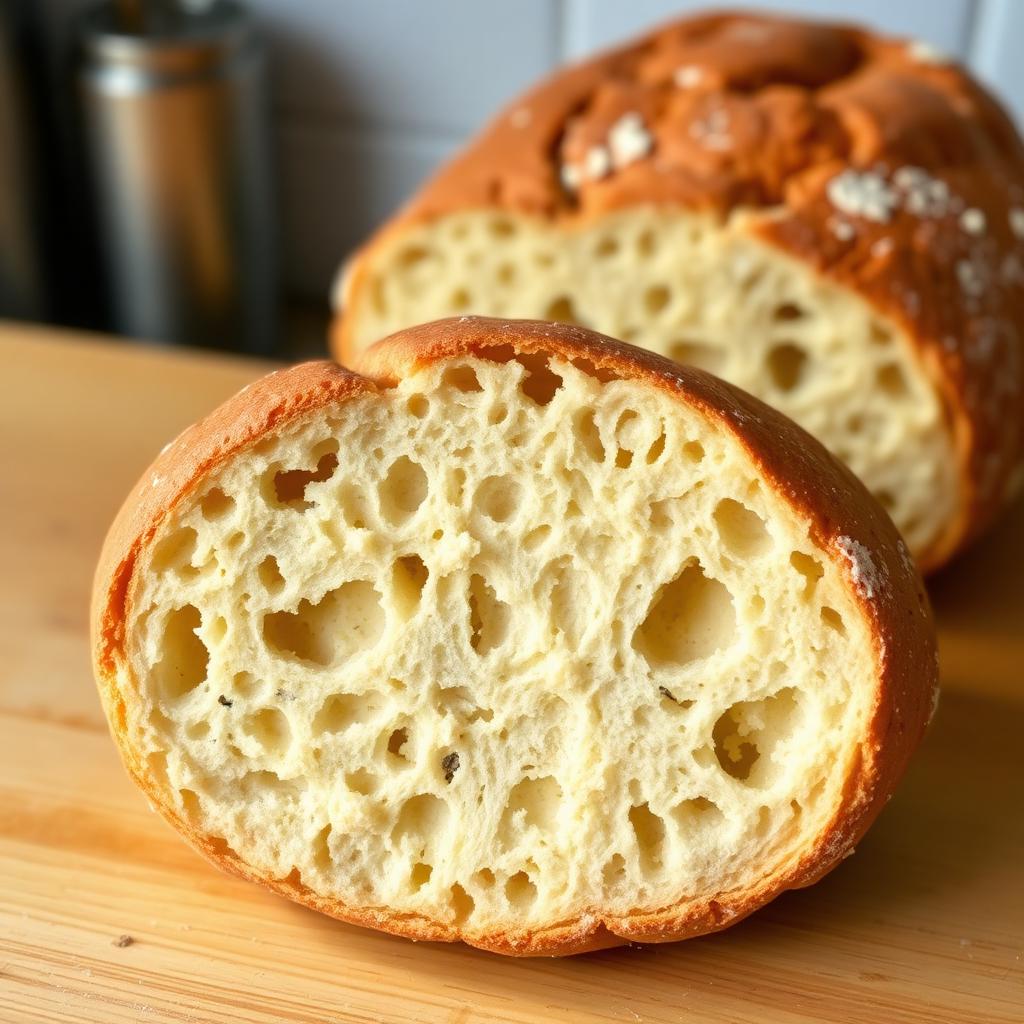
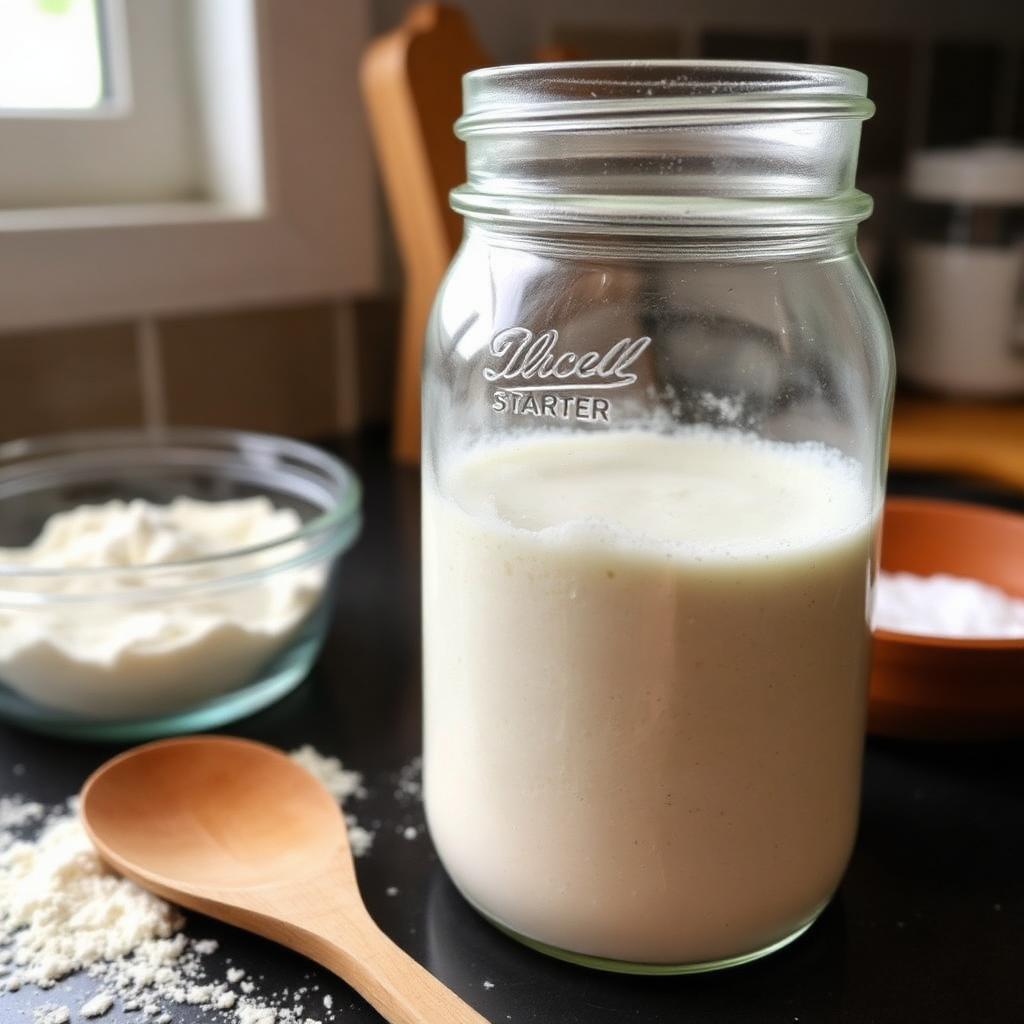
Sourdough is leavened by a wild starter of lactobacilli and wild yeasts rather than commercial baker's yeast. Over 8 to 24 hours of slow rise, these microbes do four useful things:
- Phytic acid breakdown. Long fermentation activates the wheat's own phytase enzymes. Phytic acid binds to iron, zinc, and magnesium. Reducing it raises the bioavailability of those minerals by up to 50 percent compared with quickly leavened breads.
- Gluten partial hydrolysis. The fermentation breaks down some of the gluten protein into smaller peptides. Sourdough is not gluten free and is not safe for celiac disease, but many people with mild non celiac wheat sensitivity tolerate true sourdough better than commercial bread.
- Lactic and acetic acid production. These organic acids slow gastric emptying and starch digestion, lowering the post meal glucose rise.
- Resistant starch formation. Cooling baked sourdough increases the amount of starch that escapes digestion in the small intestine and ferments in the colon as fuel for gut bacteria.
Glycemic index in the real world
A 2008 study in the Journal of Cereal Science compared white bread, whole wheat bread, and sourdough in the same volunteers. Sourdough produced a 24 percent lower peak glucose response and a 31 percent lower insulin response than the matching white bread.
The effect is consistent across multiple trials. For someone managing insulin sensitivity, type 2 diabetes, or general blood sugar stability, swapping standard white bread for true sourdough is one of the lower effort, higher impact changes available in a typical diet.
Mineral absorption: the underrated benefit
Iron and zinc deficiency are common globally, including among vegetarians and women of childbearing age in industrialized countries. Phytic acid in grains is a meaningful contributor to suboptimal absorption.
True sourdough fermentation degrades up to 70 percent of the phytic acid in whole wheat flour. The net effect is that the same slice of sourdough delivers more usable iron, zinc, and magnesium than the same slice of yeast risen bread made from the same flour.
How to tell real sourdough from "sourdough flavored"
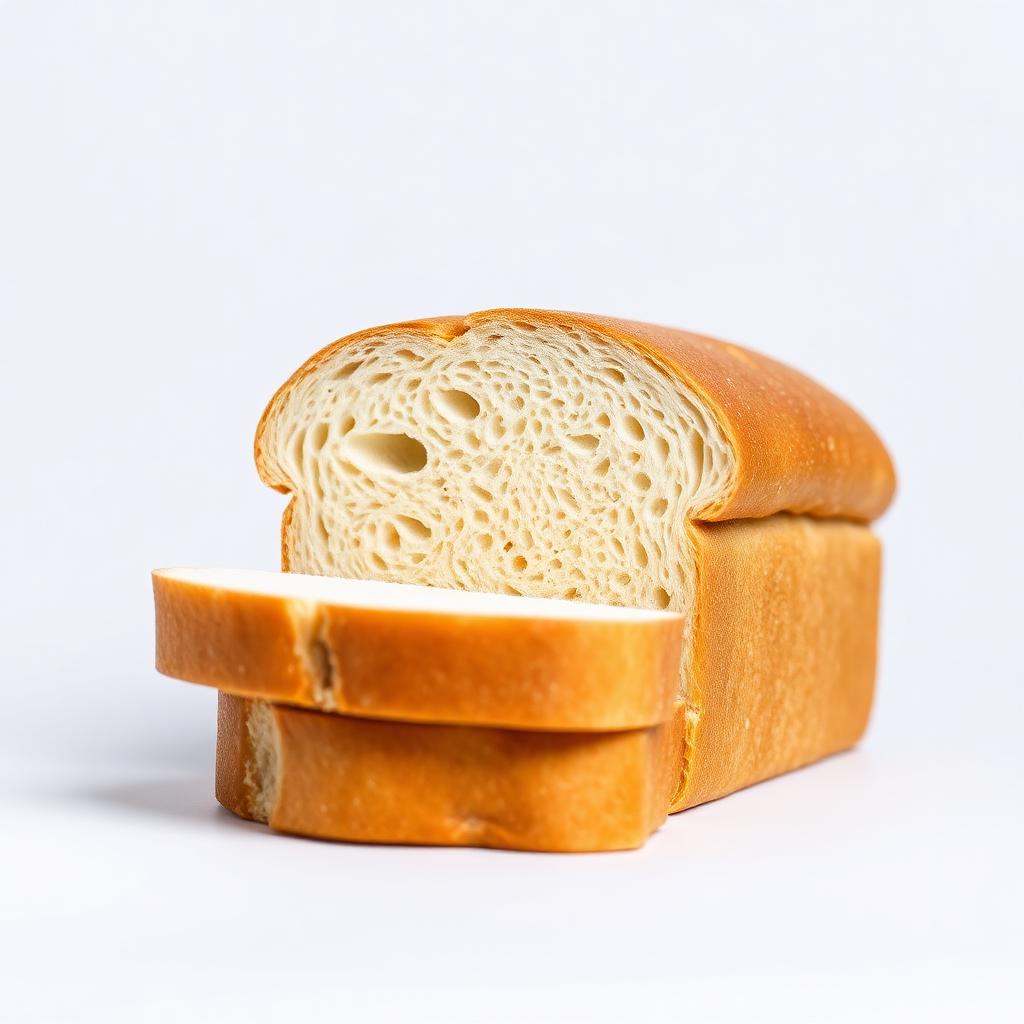
Most supermarket "sourdough" loaves use commercial yeast for leavening and add a small amount of dried sourdough culture or vinegar for flavor. They do not undergo the long fermentation that produces the metabolic benefits.
Signals of authentic sourdough:
- Short ingredient list. Flour, water, salt, and "sourdough starter" or "wild yeast" are the only ingredients in a true loaf.
- No added yeast. If "yeast" appears anywhere in the ingredients, it is hybrid bread.
- Tangy aroma and chewy crust. Real fermentation produces lactic acid, which gives an unmistakable tang.
- Bought at a sourdough specific bakery or made at home. Most large industrial bakeries cannot run a multi day fermentation profitably.
What about whole wheat vs white sourdough?
Sourdough is the technique. The flour determines the base nutrition.
- White flour sourdough. Lower fiber, lower mineral content, but still benefits from fermentation. A reasonable upgrade over commercial white bread.
- Whole wheat sourdough. Highest fiber, highest mineral content, and the fermentation increases bioavailability of those minerals. The strongest combined nutrition.
- Rye or spelt sourdough. Distinct flavor and unique mineral profile, also benefits from fermentation.
For weight management
The calorie difference between true sourdough and white bread is small, roughly 25 to 35 calories per 100 g. The bigger value for weight management is that sourdough's lower glycemic response can reduce post meal hunger and snacking later in the afternoon.
If you eat bread daily, the cumulative effect on appetite control across weeks and months can be meaningful even when the per slice calorie difference is not.
FAQs
Is sourdough bread gluten free?
No. Sourdough still contains gluten and is not safe for people with celiac disease. Some people with non celiac wheat sensitivity tolerate it better than commercial bread.
Is sourdough healthier for diabetics?
Generally yes. The lower glycemic index produces a smaller post meal glucose spike. Portion sizes still matter, and anyone on insulin should run a personal test with a glucose meter to see the actual response.
How much sourdough is one serving?
One slice (about 50 g) of artisan sourdough is roughly 120 calories with 1.5 g of fiber and 4 to 5 g of protein.
Can I make sourdough less sour?
Yes. Shorter cold proofing, fresher starter, and a slightly warmer fermentation temperature reduce acid production and lighten the tang. The metabolic benefits remain largely intact.
The takeaway
True sourdough beats commercial white bread on fiber, glycemic response, mineral absorption, and arguably on taste. The macros are similar; the metabolism is not. Look for short ingredient lists and a real bakery process, and treat industrial "sourdough flavored" supermarket loaves as a separate, lesser category.