Quick Answer
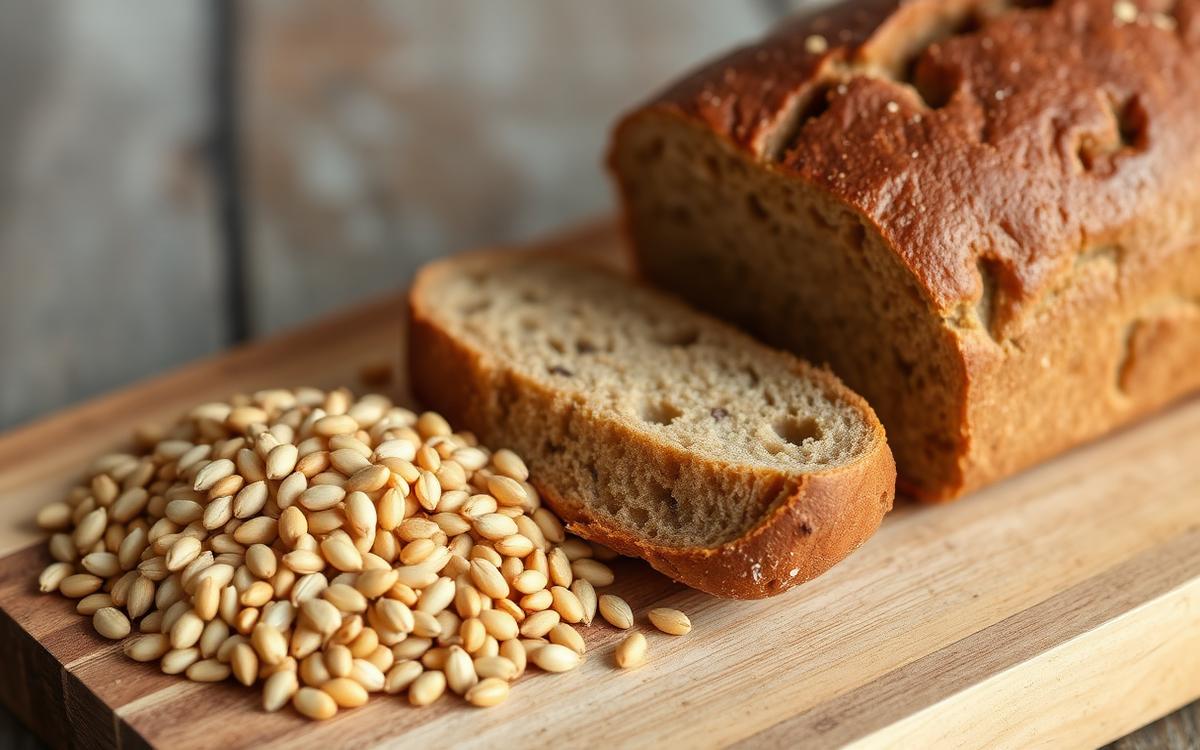
Whole grain means the grain still contains all three original parts of the kernel: the bran, the germ and the endosperm. Multigrain simply means the food contains more than one type of grain, and says nothing about whether any of them are whole.
A multigrain loaf can be made entirely from refined flours. A whole grain loaf can be made from a single grain and still be the better choice.
The reliable test is the ingredient list. The first ingredient should read whole wheat flour, whole grain oats or similar, with the word whole doing the work.
What a grain kernel is made of
Every cereal grain starts as a kernel with three distinct layers, and understanding them makes every label claim easier to read.
The bran is the fibrous outer shell. It carries most of the fiber, along with B vitamins, iron, magnesium and antioxidants. The germ is the small embryo at the base, rich in healthy fats, vitamin E and more B vitamins. The endosperm is the large starchy middle, which exists to feed the germ and is mostly carbohydrate with some protein.
Refining strips away the bran and the germ and keeps the endosperm, because that is what gives soft white flour its shelf life and fine texture. The trade off is the loss of most of the fiber and a large share of the micronutrients, which is why refined flour in many countries is legally enriched with iron and B vitamins afterwards.
Why multigrain is a weaker claim than it sounds
Multigrain counts grain varieties, not grain quality. A loaf made from refined wheat flour, refined rye flour and a spoonful of cornmeal is legitimately multigrain and nutritionally close to white bread.
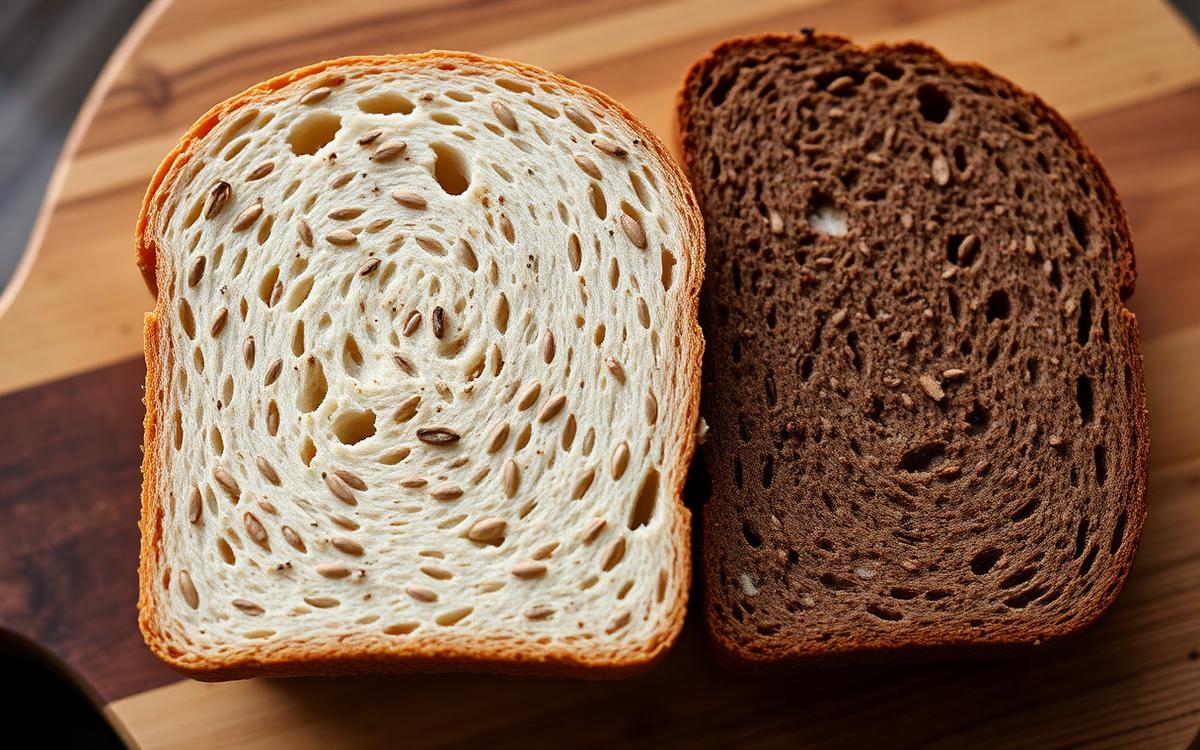
Bakers reinforce the impression with visual cues that mean nothing on their own. Caramel colour or molasses darkens the crumb. A scatter of seeds on the crust suggests rustic wholesomeness. Neither changes what the flour underneath is.
None of this is illegal, and multigrain products are not bad food. They are simply not automatically whole grain, and the price premium often implies otherwise.
How to read the label in ten seconds
Ignore the front of the pack entirely and go to the ingredient list, which is ordered by weight.
Look for the word whole as the first ingredient: whole wheat flour, whole grain wheat, whole oats, whole rye. Some grains are whole by default and need no adjective, including brown rice, oats, quinoa, buckwheat, barley groats, millet, popcorn and bulgur.
Terms that do not indicate a whole grain include wheat flour, enriched flour, unbleached flour, durum flour, semolina, degerminated cornmeal, rice flour and stoneground wheat flour without the word whole. Wheat flour in particular fools a lot of people, because it sounds complete but describes refined flour.
As a cross check, look at the fiber line on the nutrition panel. A genuine whole grain bread usually gives at least 2 to 3 grams of fiber per slice, while a refined loaf typically manages under 1 gram.
What the stamps and health claims mean
In the United States, a food carrying the authorised whole grain health claim must contain at least 51 percent whole grain by weight and be low in fat. That is a real threshold, but it also means a product can qualify while nearly half its flour is refined.
Voluntary whole grain stamps from industry bodies indicate a minimum amount of whole grain per serving, usually 8 grams for a basic stamp and 16 grams for the full serving version. They are useful, but they are not government standards.
Percentage claims such as 100 percent whole wheat are the strongest signal available, because they leave no room for a refined flour to hide behind a marketing adjective.
Does whole grain actually matter?
This is one of the better supported areas in nutrition. Large population studies consistently link higher whole grain intake with lower rates of cardiovascular disease, type 2 diabetes and some cancers, alongside better weight maintenance.
Most of the practical benefit runs through fiber. Fiber slows the release of glucose, feeds gut bacteria, adds bulk that helps you feel full and supports regular digestion. The daily reference on a nutrition label is 28 grams, and most adults in Western countries eat closer to half that.
Swapping the three most repeated grain foods in your week, usually bread, breakfast cereal and rice or pasta, moves the fiber number more than any supplement does.
Practical swaps that survive real life
Go gradual if your household resists. A 50 percent whole wheat loaf, or half brown and half white rice cooked together, is a genuine improvement that people will actually eat.
Steel cut or rolled oats are the easiest win in the shop, because oats are whole grain by default and no label reading is required. Popcorn is a whole grain too, which surprises people, and air popped it is a genuinely useful snack.
For pasta, whole wheat versions have improved enormously, but if the texture is a sticking point, blends and legume pastas both raise fiber without the density.
Frequently asked questions
Is brown bread the same as whole grain?
No. Brown colour often comes from caramel colouring or molasses. Only the ingredient list tells you whether the flour is whole.
Is multigrain bread unhealthy?
Not unhealthy, just frequently no better than white. If it is also made from whole grains, it is a good choice, and the ingredient list will say so.
Is white whole wheat bread real whole grain?
Yes. White whole wheat comes from a paler variety of wheat and still contains bran, germ and endosperm, which makes it useful for fussy eaters.
Are whole grains bad for blood sugar?
Whole grains generally raise blood sugar more slowly than refined ones because the fiber and intact structure slow digestion. Portion size still matters.
Do whole grains go off faster?
Yes. The oil in the germ oxidises, so whole grain flour keeps best in the fridge or freezer and whole grain bread stales sooner on the counter.
The difference between whole grain and multigrain in one sentence
Whole grain is a claim about what survived the milling, and multigrain is a claim about how many species went into the mix. One is nutritional, the other is botanical bookkeeping.
That is why a single grain 100 percent whole wheat loaf beats a seven grain refined loaf on every measure that matters, from fiber to blood sugar response.